Thomas Risse-Kappen – författare
Visar alla böcker från författaren Thomas Risse-Kappen. Handla med fri frakt och snabb leverans.
6 produkter
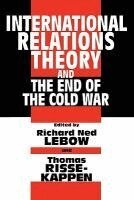
International Relations Theory and the End of the Cold War
Av Richard Ned Lebow, Thomas Risse-Kappen
Häftad, 1995
264 kr
Lägg i varukorg
-- James Richter, Bates College
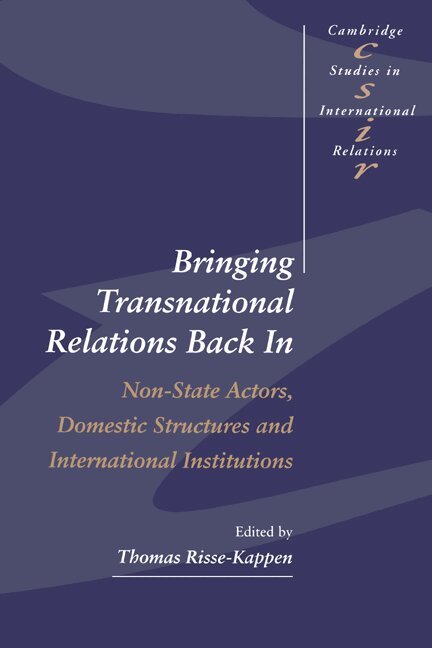
Bringing Transnational Relations Back In
Non-State Actors, Domestic Structures and International Institutions
Inbunden, 1995
1349 kr
Lägg i varukorg
Taking a fresh look at the impact of non-state actors on world politics and on the foreign policies of states, this book revives the debate on transnational relations which started in the 1970s. This debate withered away in the face of state-centered approaches, but this book's new approach …
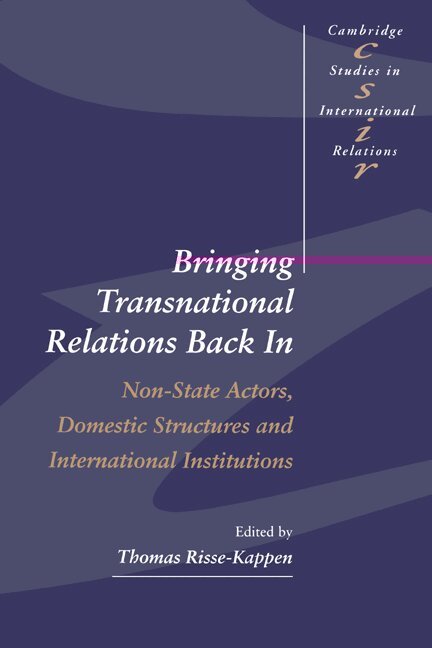
Bringing Transnational Relations Back In
Non-State Actors, Domestic Structures and International Institutions
Häftad, 1995
569 kr
Lägg i varukorg
Taking a fresh look at the impact of non-state actors on world politics and on the foreign policies of states, this book revives the debate on transnational relations which started in the 1970s. This debate withered away in the face of state-centered approaches, but this book's new approach …
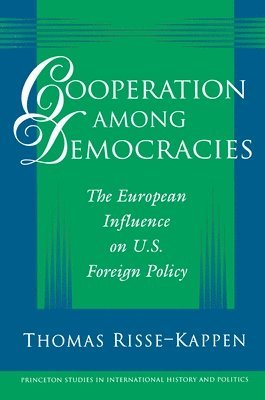
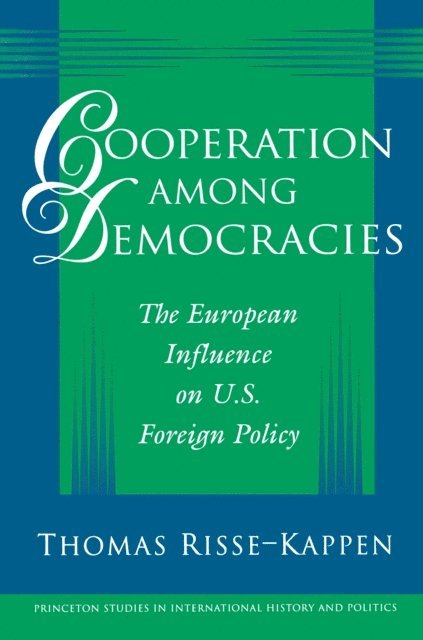
Cooperation among Democracies
The European Influence on U.S. Foreign Policy
Häftad, 1997
685 kr
Lägg i varukorg
In exploring the special nature of alliances among democracies, Thomas Risse-Kappen argues that the West European and Canadian allies exerted greater influence on American foreign policy during the Cold War than most analysts assume. In so doing, he challenges traditional alliance theories that …
Cooperation among Democracies
The European Influence on U.S. Foreign Policy
E-bok, 2020
927 kr
Lägg i varukorg
In exploring the special nature of alliances among democracies, Thomas Risse-Kappen argues that the West European and Canadian allies exerted greater influence on American foreign policy during the Cold War than most analysts assume. In so doing, he challenges traditional alliance theories that …
International Relations Theory and the End of the Cold War
Av Richard Ned Lebow, Thomas Risse-Kappen
Inbunden, 1995
982 kr
Tillfälligt slut
-- James Richter, Bates College