Thomas S. Hibbs - Böcker
Visar alla böcker från författaren Thomas S. Hibbs. Handla med fri frakt och snabb leverans.
10 produkter
10 produkter
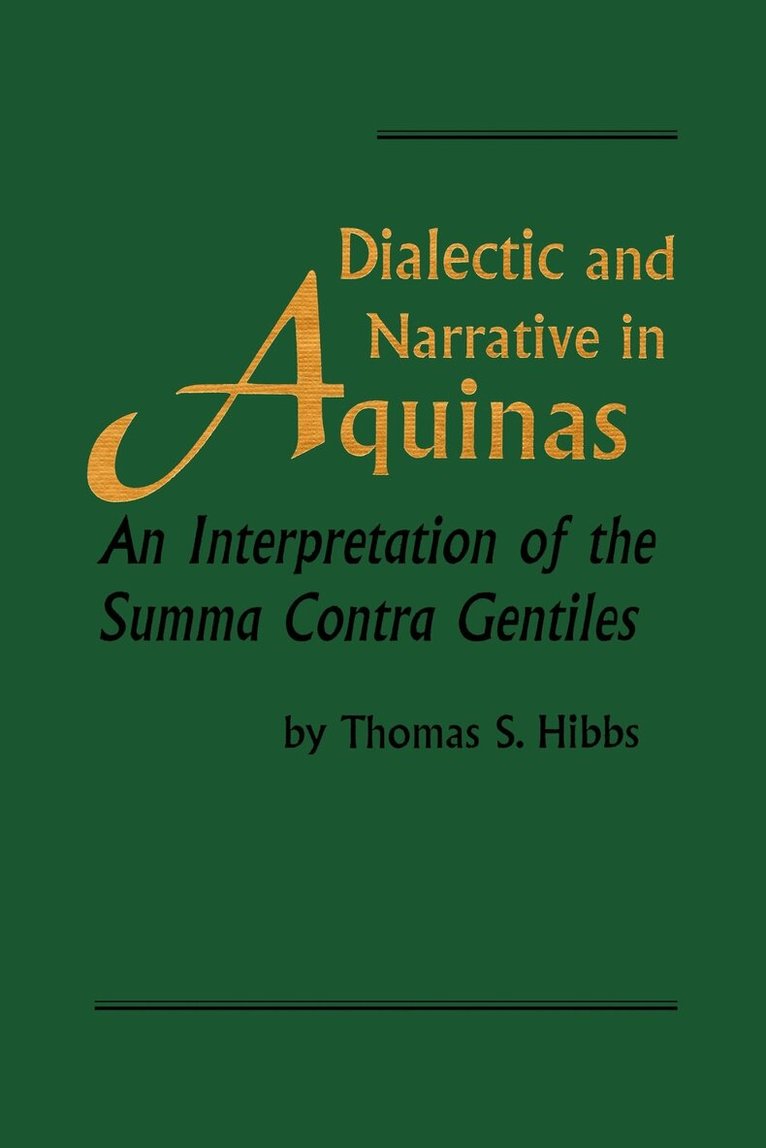
Dialectic and Narrative in Aquinas
An Interpretation of the 'Summa Contra Gentiles'
Inbunden, Engelska, 1995
1 232 kr
Skickas inom 10-15 vardagar
Dialectic and Narrative in Aquinas investigates the intent, method, and structural unity of Thomas Aquinas's Summa Contra Gentiles. In this innovative study Thomas S. Hibbs goes against the grain of most traditional interpretations of the work, which claim it serves a missionary or apologetic end, and argues that the intended audience is Christian and that its subject is Christian wisdom. In the process of making his argument, Hibbs also demonstrates that the Summa Contra Gentiles is the most important of Aquinas's texts on the relationship between faith and reason, theology, and philosophy.Since the prologue to the Summa Contra Gentiles has been the focus of nearly all the debates over the work, Hibbs begins with an examination of it and the controversies it has provoked, and tests various interpretations of the prologue in light of the actual text. He then goes on to suggest that the method of the Contra Gentiles is dialectical and that its unifying principle is provided by the narrative structure of scripture. The next chapters are devoted to each of the Contra Gentiles' four ports and Hibbs argues that any interpretation of the first three books must consider how the order of Aquinas's discussion is driven by a series of dialectical encounters with received opinions, especially those of Aristotle and his commentators. Hibbs further demonstrates how attention to the dialectical method of the work has two advantages: first, it enables readers to avoid misinterpretations of Aquinas's positions on various issues, and second, it allows the reader to recapture something of Aquinas's original pedagogical intent. Dialectic and Narrative in Aquinas also reveals how the dialectical method of the Contra Gentiles is crucial to Aquinas's project of subordinating philosophy to theology, and in the concluding chapter Hibbs considers in detail the narrative unity of the Contra Gentiles and brings themes from Aquinas into conversation with contemporary work in genre theory.
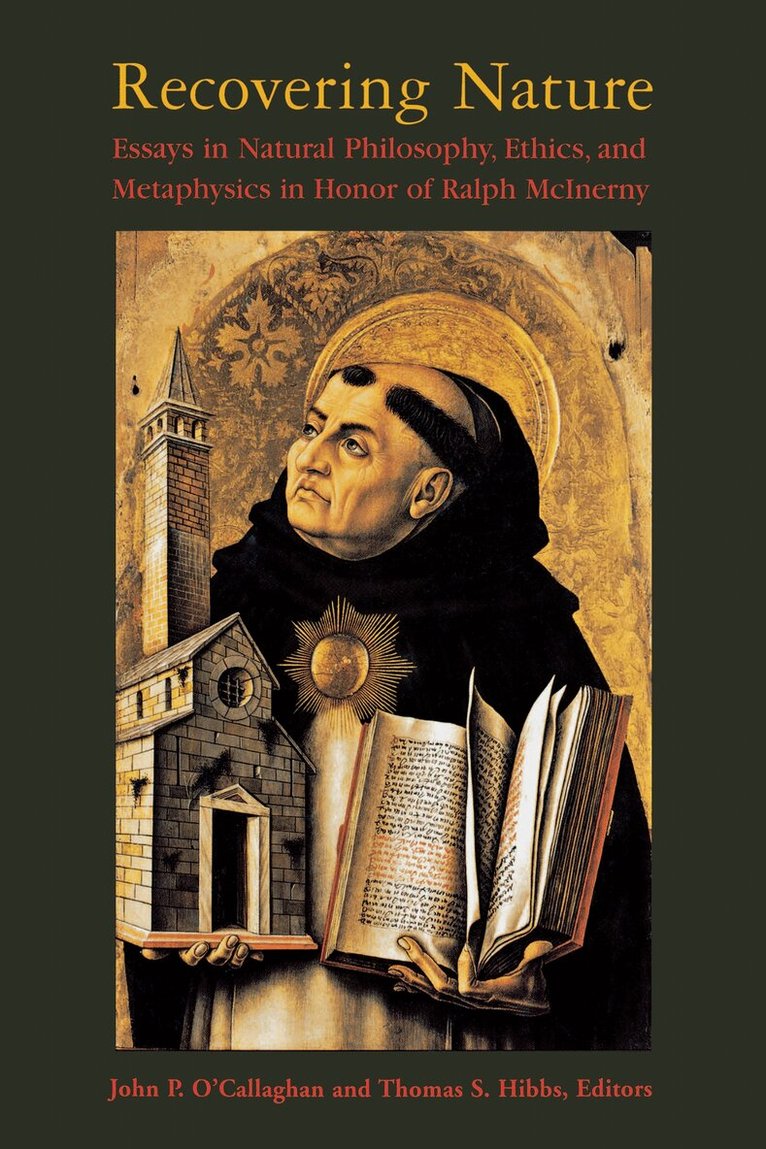
Recovering Nature
Essays in Natural Philosophy, Ethics, and Metaphysics in Honor of Ralph McInerny
Inbunden, Engelska, 1999
1 072 kr
Skickas inom 10-15 vardagar
The recovery of nature has been a unifying and enduring aim of the writings of Ralph McInerny, Michael P. Grace Professor of Medieval Studies at the University of Notre Dame, director of the Jacques Maritain Center, former director of the Medieval Institute, and author of numerous works in philosophy, literature, and journalism. While many of the fads that have plagued philosophy and theology during the last half-century have come and gone, recent developments suggest that McInerny's commitment to Aristotelian-Thomism was boldly, if quietly, prophetic. In his persistent, clear, and creative defenses of natural theology and natural law, McInerny has appealed to nature to establish a dialogue between theists and non-theists, to contribute to the moral and political renewal of American culture, and particularly to provide some of the philosophical foundations for Catholic theology.This volume brings together essays by an impressive group of scholars, including William Wallace, O.P., Jude P. Dougherty, John Haldane, Thomas DeKoninck, Alasdair MacIntyre, David Solomon, Daniel McInerny, Janet E. Smith, Michael Novak, Stanley Hauerwas, Laura Garcia, Alvin Plantinga, Alfred J. Freddoso, and David B. Burrell, C.S.C.
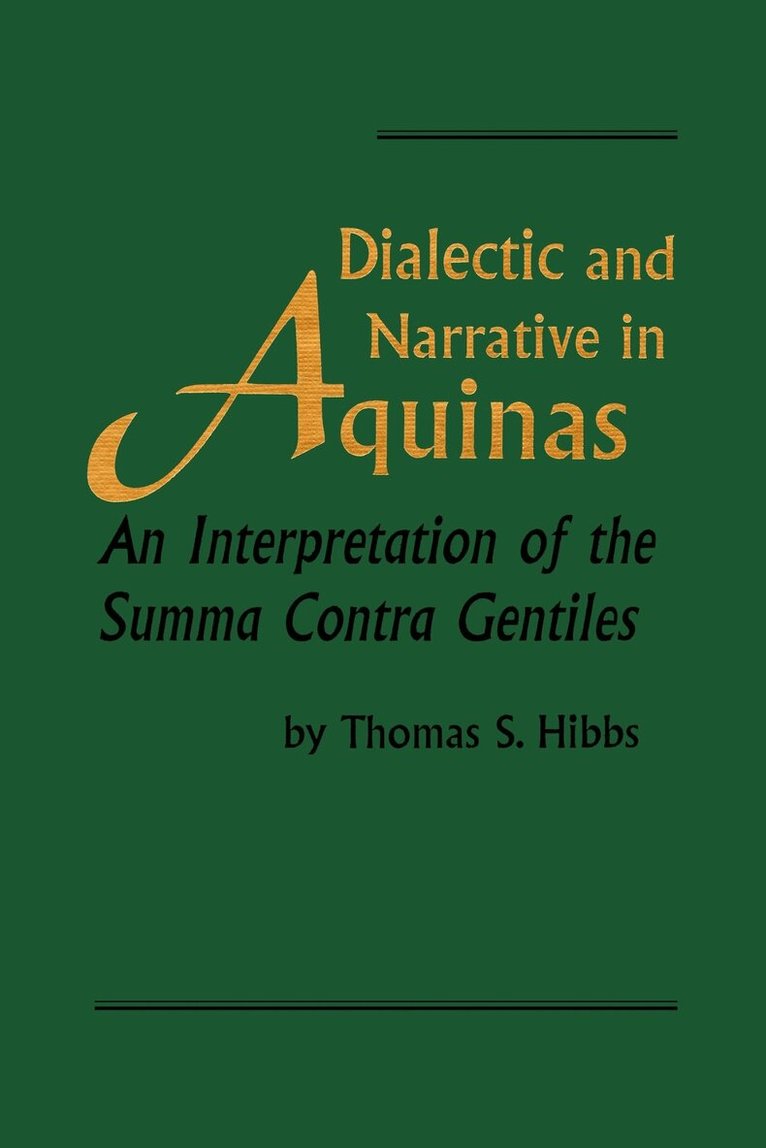
Dialectic and Narrative in Aquinas
An Interpretation of the 'Summa Contra Gentiles'
Häftad, Engelska, 1995
366 kr
Skickas inom 10-15 vardagar
Dialectic and Narrative in Aquinas investigates the intent, method, and structural unity of Thomas Aquinas's Summa Contra Gentiles. In this innovative study Thomas S. Hibbs goes against the grain of most traditional interpretations of the work, which claim it serves a missionary or apologetic end, and argues that the intended audience is Christian and that its subject is Christian wisdom. In the process of making his argument, Hibbs also demonstrates that the Summa Contra Gentiles is the most important of Aquinas's texts on the relationship between faith and reason, theology, and philosophy.Since the prologue to the Summa Contra Gentiles has been the focus of nearly all the debates over the work, Hibbs begins with an examination of it and the controversies it has provoked, and tests various interpretations of the prologue in light of the actual text. He then goes on to suggest that the method of the Contra Gentiles is dialectical and that its unifying principle is provided by the narrative structure of scripture. The next chapters are devoted to each of the Contra Gentiles' four ports and Hibbs argues that any interpretation of the first three books must consider how the order of Aquinas's discussion is driven by a series of dialectical encounters with received opinions, especially those of Aristotle and his commentators. Hibbs further demonstrates how attention to the dialectical method of the work has two advantages: first, it enables readers to avoid misinterpretations of Aquinas's positions on various issues, and second, it allows the reader to recapture something of Aquinas's original pedagogical intent. Dialectic and Narrative in Aquinas also reveals how the dialectical method of the Contra Gentiles is crucial to Aquinas's project of subordinating philosophy to theology, and in the concluding chapter Hibbs considers in detail the narrative unity of the Contra Gentiles and brings themes from Aquinas into conversation with contemporary work in genre theory.
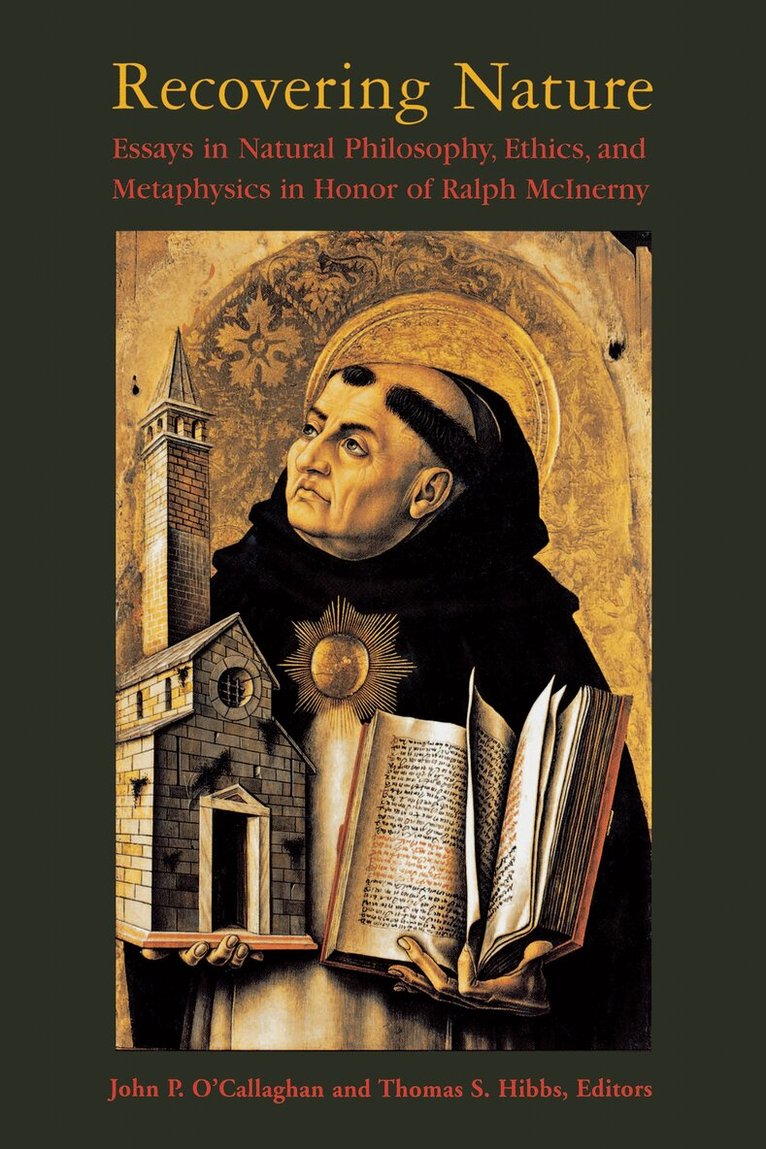
Recovering Nature
Essays in Natural Philosophy, Ethics, and Metaphysics in Honor of Ralph McInerny
Häftad, Engelska, 2016
366 kr
Skickas inom 10-15 vardagar
The recovery of nature has been a unifying and enduring aim of the writings of Ralph McInerny, Michael P. Grace Professor of Medieval Studies at the University of Notre Dame, director of the Jacques Maritain Center, former director of the Medieval Institute, and author of numerous works in philosophy, literature, and journalism. While many of the fads that have plagued philosophy and theology during the last half-century have come and gone, recent developments suggest that McInerny's commitment to Aristotelian-Thomism was boldly, if quietly, prophetic. In his persistent, clear, and creative defenses of natural theology and natural law, McInerny has appealed to nature to establish a dialogue between theists and non-theists, to contribute to the moral and political renewal of American culture, and particularly to provide some of the philosophical foundations for Catholic theology.This volume brings together essays by an impressive group of scholars, including William Wallace, O.P., Jude P. Dougherty, John Haldane, Thomas DeKoninck, Alasdair MacIntyre, David Solomon, Daniel McInerny, Janet E. Smith, Michael Novak, Stanley Hauerwas, Laura Garcia, Alvin Plantinga, Alfred J. Freddoso, and David B. Burrell, C.S.C.
642 kr
Skickas inom 5-8 vardagar
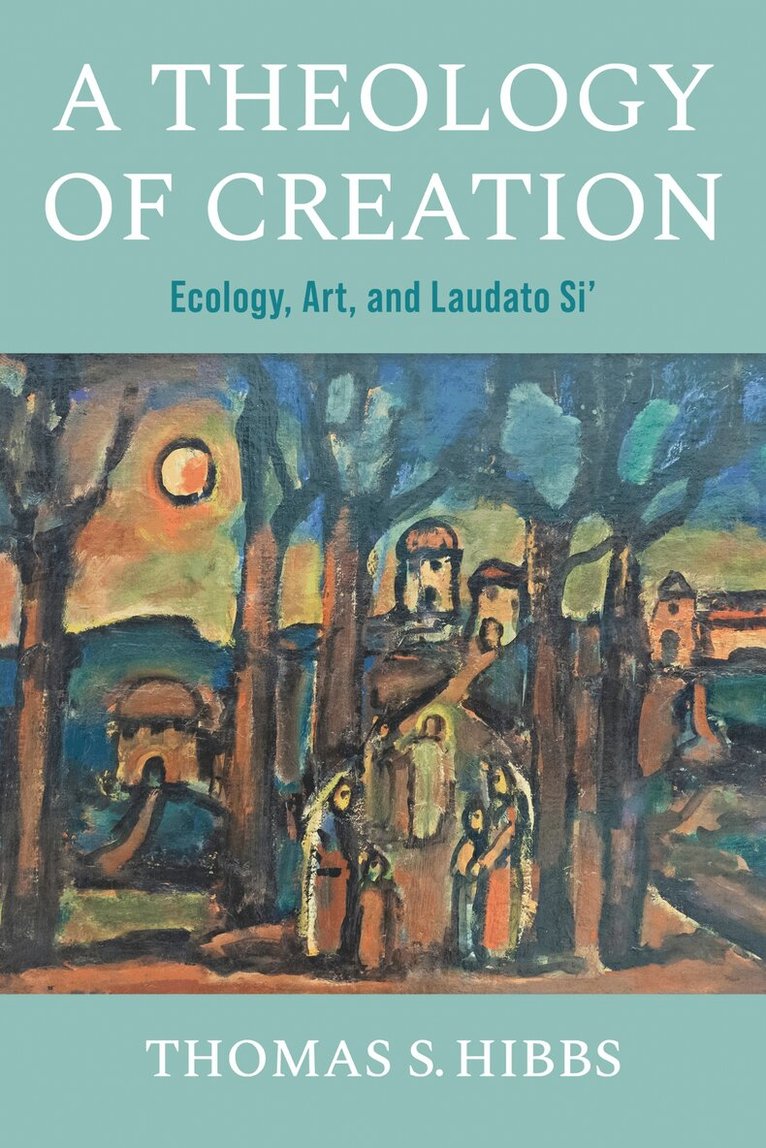
This book provides the first sustained philosophical treatment of Pope Francis's Laudato Si' and articulates a theology of creation to recover our place within the cosmos.In the encyclical Laudato Si', Pope Francis discerns beneath the imminent threat of ecological catastrophe an existential affliction of the human person, who is lost in the cosmos, increasingly alienated from self, others, nature, and God. Pope Francis suggests that one must reimagine humanity's place in the created cosmos. In this ambitious and distinctive contribution to theological aesthetics, Thomas S. Hibbs provides the basis for just such a recovery, working from Laudato Si' to develop a philosophical and theological diagnosis of our ecological dislocation, a narrative account of the sources of the crisis, and a vision of the way forward.Through a critical engagement with the artistic theory of Jacques Maritain, Hibbs shows how certain strains of modern art both capture our alienation and anticipate visions of recovered harmony among persons, nature, and God. In the second half of the book, in an attempt to fulfill Pope Francis's plea for an "aesthetic education" and to apply and test Maritain's theory, Hibbs examines the work of poets and painters. He analyzes the work of poets Robinson Jeffers and William Everson, and considers painters Georges Roualt, a friend to Maritain, and Makoto Fujimura, whose notion of "culture care" overlaps in suggestive ways with Francis's notion of integral ecology.Throughout this tour de force, Hibbs calls for a commitment to an "ecological poetics," a project that responds to the crisis of our times by taking poets and painters as seriously as philosophers and theologians.
347 kr
Skickas
This book provides the first sustained philosophical treatment of Pope Francis's Laudato Si' and articulates a theology of creation to recover our place within the cosmos.In the encyclical Laudato Si', Pope Francis discerns beneath the imminent threat of ecological catastrophe an existential affliction of the human person, who is lost in the cosmos, increasingly alienated from self, others, nature, and God. Pope Francis suggests that one must reimagine humanity's place in the created cosmos. In this ambitious and distinctive contribution to theological aesthetics, Thomas S. Hibbs provides the basis for just such a recovery, working from Laudato Si' to develop a philosophical and theological diagnosis of our ecological dislocation, a narrative account of the sources of the crisis, and a vision of the way forward.Through a critical engagement with the artistic theory of Jacques Maritain, Hibbs shows how certain strains of modern art both capture our alienation and anticipate visions of recovered harmony among persons, nature, and God. In the second half of the book, in an attempt to fulfill Pope Francis's plea for an "aesthetic education" and to apply and test Maritain's theory, Hibbs examines the work of poets and painters. He analyzes the work of poets Robinson Jeffers and William Everson, and considers painters Georges Roualt, a friend to Maritain, and Makoto Fujimura, whose notion of "culture care" overlaps in suggestive ways with Francis's notion of integral ecology.Throughout this tour de force, Hibbs calls for a commitment to an "ecological poetics," a project that responds to the crisis of our times by taking poets and painters as seriously as philosophers and theologians.
561 kr
Skickas inom 11-20 vardagar
This volume begins with excerpts from Aquinas' commentary on De Anima, excerpts that proceed from a general consideration of soul as common to all living things to a consideration of the animal soul and, finally, to what is peculiar to the human soul. These are followed by the Treatise on Man, Aquinas' most famous discussion of human nature, but one whose organization is dictated by theological concerns and whose philosophical importance is thus best appreciated when seen as presented here: within the historical philosophical framework of which it constitutes a development. Aquinas' discussions of the will and the passions follow, providing fruitful points of comparison with other philosophers.
531 kr
Skickas inom 11-20 vardagar
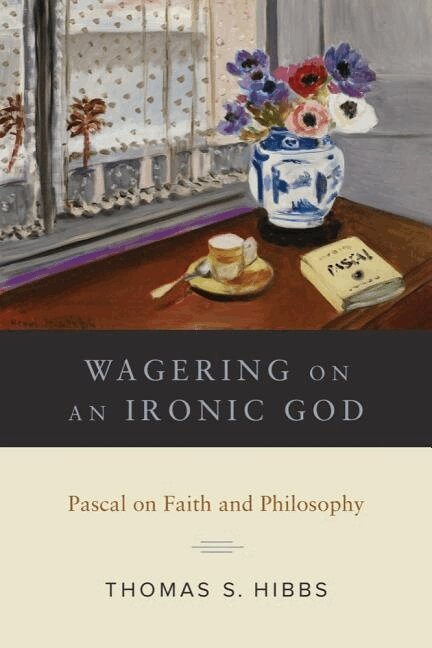
Philosophers startle ordinary people. Christians astonish the philosophers."" - Pascal, Pens?®es In Wagering on an Ironic God Thomas S. Hibbs both startles and astonishes. He does so by offering a new interpretation of Pascal's Pens?®es and by showing the importance of Pascal in and for a philosophy of religion. Hibbs resists the temptation to focus exclusively on Pascal's famous ""wager"" or to be beguiled by the fragmentary and presumably incomplete nature of Pens?®es. Instead he discovers in Pens?®es a coherent and comprehensive project, one in which Pascal contributed to the ancient debate over the best way of life - a life of true happiness and true virtue. Hibbs situates Pascal in relation to early modern French philosophers, particularly Montaigne and Descartes. These three French thinkers offer distinctly modern accounts of the good life. Montaigne advocates the private life of authentic self-expression, while Descartes favors the public goods of progressive enlightenment science and its promise of the mastery of nature. Pascal, by contrast, renders an account of the Christian religion that engages modern subjectivity and science on its own terms and seeks to vindicate the wisdom of the Christian vision by showing that it, better than any of its rivals, truly understands human nature. Though all three philosophers share a preoccupation with Socrates, each finds in that figure a distinct account of philosophy and its aims. Pascal finds in Socrates a philosophy rich in irony: philosophy is marked by a deep yearning for wisdom that is never wholly achieved. Philosophy is a quest without attainment, a love never obtained. Absent Cartesian certainty or the ambivalence of Montaigne, Pascal's practice of Socratic irony acknowledges the disorder of humanity without discouraging its quest. Instead, the quest for wisdom alerts the seeker to the presence of a hidden God. God, according to Pascal, both conceals and reveals, fulfilling the philosophical aspiration for happiness and the good life only by subverting philosophy's very self-understanding. Pascal thus wagers all on the irony of a God who both startles and astonishes wisdom's true lovers.
486 kr
Skickas inom 10-15 vardagar
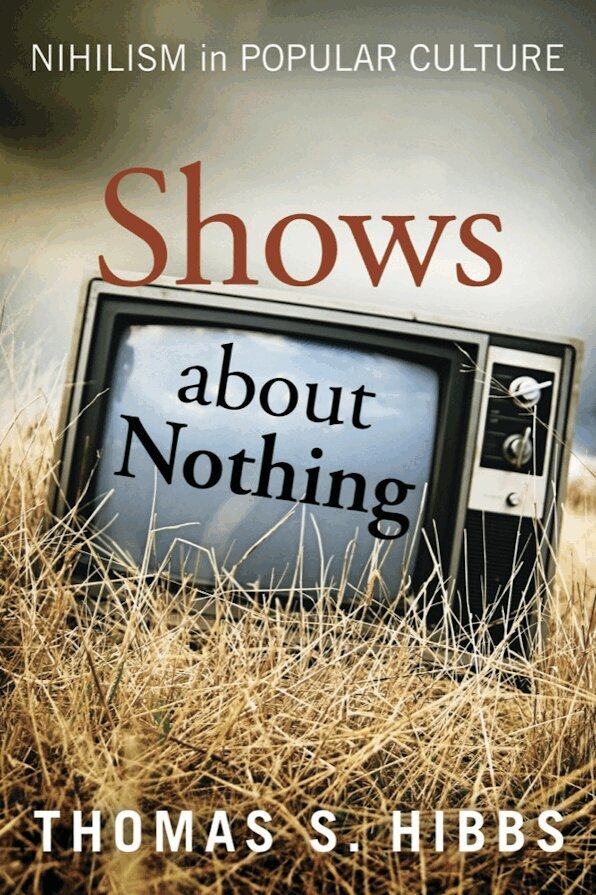
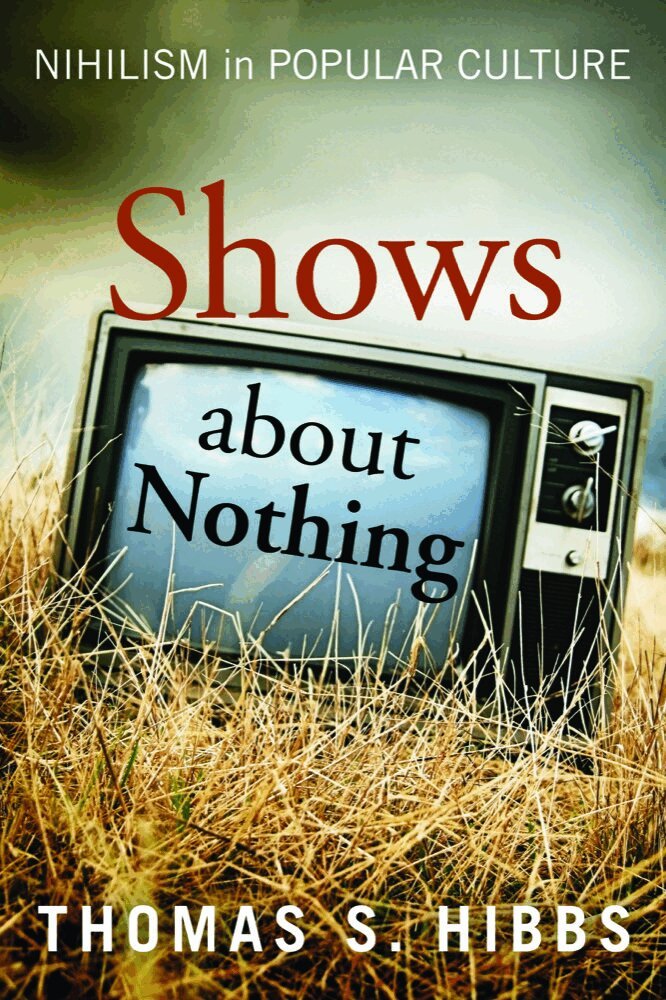
American media is the subject of constant critique. The seeming exaltation of violence, sex, and illicit themes creates virulent opponents of the media and its content. But could it be that the American experiment--even the quest to fulfill the American Dream--actually encourages media to act in a way that deserves these critiques?Probing deep into the canon of all things screen, Thomas Hibbs uncovers the disturbing truths about the contemporary media landscape. Beneath the shallow facade of evil lies the Nietzschean framework of nihilism--a nothingness that undermines notions of right and wrong while destroying any sense of meaning or purpose. Yet what makes this nihilism even more profound is Nietzsche's warning that liberal democracies are especially susceptible to such nothingness. In his examples, Hibbs shows how the popular story lines and characters of our time often rule out any possibility of making a "right" decision. Ultimately, Shows about Nothing toes the line between something and nothing to suggest how popular culture can move beyond nihilism.
366 kr
Skickas inom 10-15 vardagar
American media is the subject of constant critique. The seeming exaltation of violence, sex, and illicit themes creates virulent opponents of the media and its content. But could it be that the American experiment--even the quest to fulfill the American Dream--actually encourages media to act in a way that deserves these critiques?Probing deep into the canon of all things screen, Thomas Hibbs uncovers the disturbing truths about the contemporary media landscape. Beneath the shallow facade of evil lies the Nietzschean framework of nihilism--a nothingness that undermines notions of right and wrong while destroying any sense of meaning or purpose. Yet what makes this nihilism even more profound is Nietzsche's warning that liberal democracies are especially susceptible to such nothingness. In his examples, Hibbs shows how the popular story lines and characters of our time often rule out any possibility of making a ""right"" decision. Ultimately, Shows about Nothing toes the line between something and nothing to suggest how popular culture can move beyond nihilism.