Thomas Serrier – författare
Visar alla böcker från författaren Thomas Serrier. Handla med fri frakt och snabb leverans.
3 produkter
3 produkter
8 241 kr
Skickas inom 5-8 vardagar
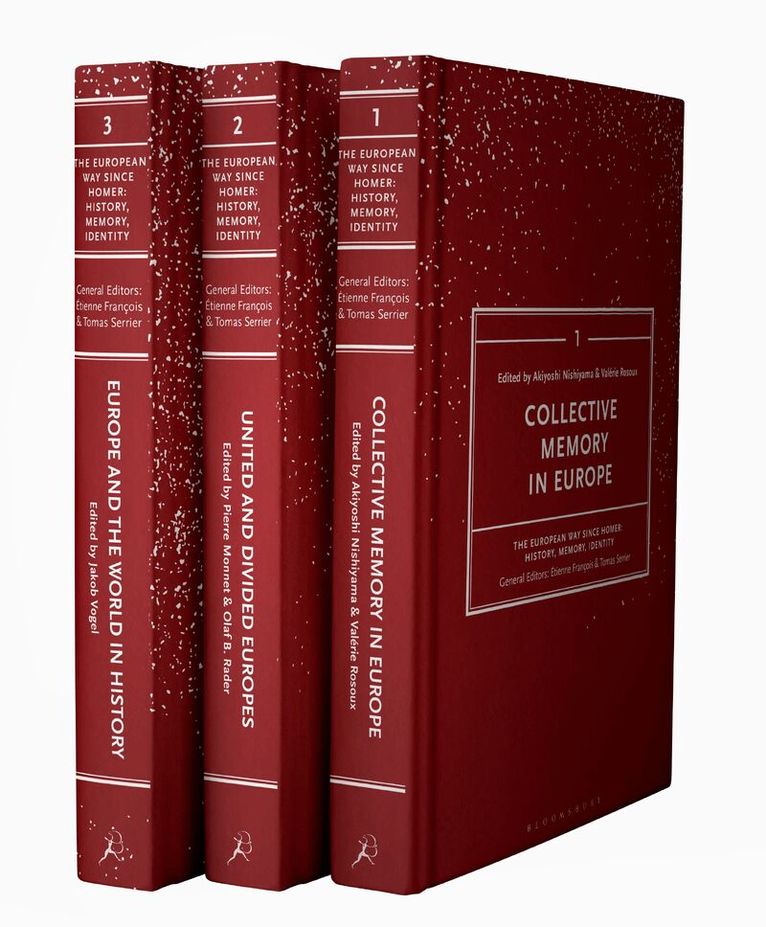
Bringing together leading scholars from across Europe, as well as the United States, Africa and Asia, The European Way since Homer is a three-volume journey through the political, cultural, religious, intellectual, social and geographical history of Europe. It synthesises over 150 chapters on topics from across the spectrum of people, places, ideas, art, objects and events that have influenced the shaping of the continent. In turn, this rich tapestry provides us with unique insights into the nature of European identity, the importance of European heritage and the relationship that exists between Europe and the world beyond its boundaries.Volume 1 places key ongoing issues in Europe within a deeper historical context. It enriches our understanding of collective memory in Europe and the impact this has for the world around us today. The roots of central aspects of contemporary European life, including democracy, law, reason, sexuality and equality, are traced, as is the importance of prominent events, individuals and places in relation to the subject.Volume 2 looks at both what brings Europeans together and what pulls them apart through an examination of a series of unifying or dividing principles, encompassing iconic figures and archetypes, social frameworks and mental frameworks.Volume 3 investigates the different links between Europe and the rest of the world. There is a focus on Europe’s imperial past, as well as the subsequent soft power of Europe and its constant commercial and cultural exchanges with others parts of the world.The European Way since Homer is a vital collection of volumes for all students and scholars of European history.
E-bok
PDF, Tyska, 2015181 kr
Läs direkt efter köp
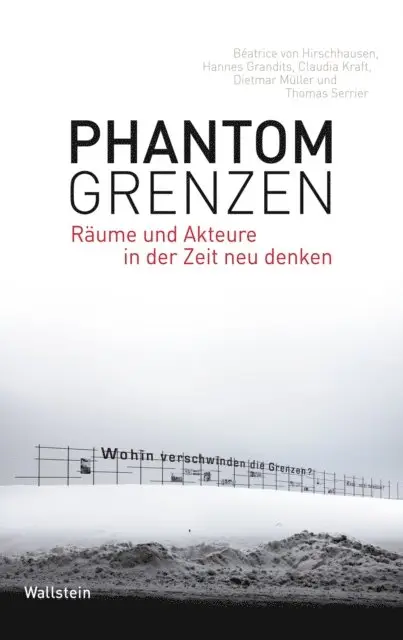
Ein Beitrag zum Verständnis einer Region, die in der jüngeren Geschichte durch besonders viele Grenzverschiebungen geprägt wurde.Trotz der grenzüberschreitenden Vernetzung von Menschen und Orten prägen nach wie vor ehemalige, z.B. habsburgische, preußische oder osmanische territoriale Gliederungen und Grenzen die Gesellschaften Ostmittel- und Südosteuropas bis heute. Wie lassen sich diese Phänomene, die die Autoren mit dem Konzept der Phantomgrenzen und -räume beschreiben, erklären? Werden sie durch tradierte Strukturen bestimmt, oder durch politische, wissenschaftliche und gesellschaftliche Diskurse imaginiert und (re)produziert?Ausgehend von empirischen Fallstudien, hinterfragen die Autoren die Raumbezüge von (historischen) Akteuren und analysieren aus deren Perspektive die Wechselwirkungen zwischen Raumwahrnehmung, -erfahrung und -produktion.
E-bok
PDF, Tyska, 2016181 kr
Läs direkt efter köp
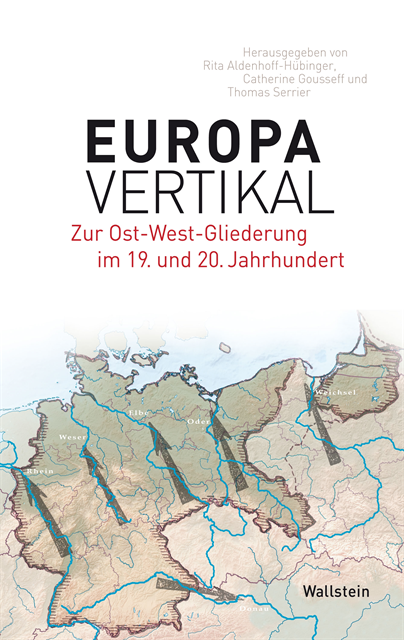
Über Logiken und Kontexte des Rückgriffs auf reale oder vermeintliche europäische Scheidelinien mit Nord-Süd-Verlauf.Sowohl der Ribbentrop-Molotow-Pakt mit seinem berüchtigten vertikalen Federstrich quer über die Karte Europas als auch die Beschlüsse der Jalta-Konferenz spalteten den Kontinent nach der »Senkrechten". Auch zwanzig Jahre nach dem Fall des Eisernen Vorhangs bleiben die West-Ost-Orientierung des europäischen Kontinents und die sie visualisierenden vertikalen Scheidelinien ein Wesensmerkmal der »Grenzen und Gliederung Europas" (Oskar Halecki). Es sind insbesondere die Flüsse mit ihrem partiellen, aber oft eben auch nur vermeintlichen Süd-Nord-Lauf, die auf der gesamteuropäischen mental map eine bemerkenswerte Rolle spielen.