Thomas Søbirk Petersen - Böcker
Visar alla böcker från författaren Thomas Søbirk Petersen. Handla med fri frakt och snabb leverans.
9 produkter
9 produkter
229 kr
Skickas
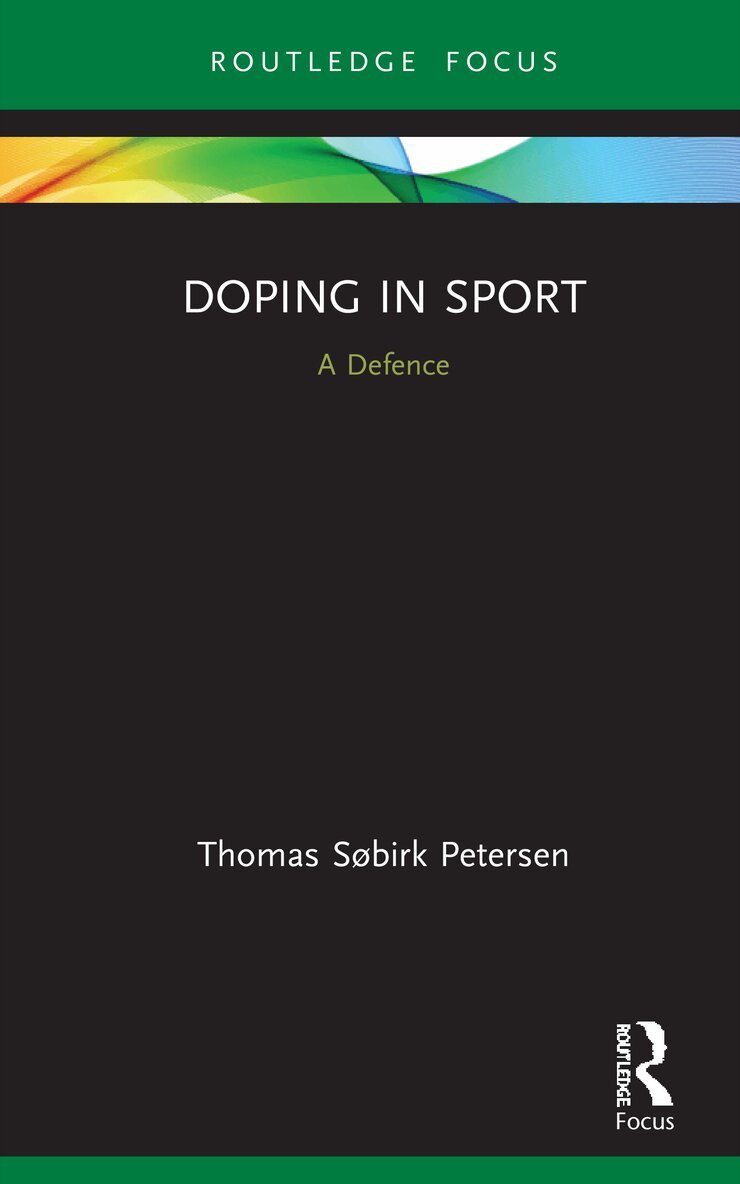
In this provocative and thought-provoking book, Professor of Ethics Thomas Søbirk Petersen explains why the World Anti-Doping Agency’s doping rules are poorly justified and makes a case for a new third way in anti-doping policy that would allow athletes to use substances and methods currently on WADA’s prohibited list.The book identifies, clarifies and challenges the central arguments that are used in the often highly emotional debates around doping, and argues strongly that open dialogue about doping is essential as it defines the territory in which athletes, physicians, managers, coaches and pharmaceutical companies can operate safely. It is rooted in the theory of ethics and illustrated with real cases, examples and experiences from sport at all levels, from the auto-biographical to some of the most high-profile doping cases in history.This is an essential addition to the bookshelves of researchers and students of sports studies like sports philosophy, sports law, sports medicine and the sociology of sport, and a fascinating read for anybody interested in the darker side of sport and in its possible futures.
307 kr
Skickas inom 10-15 vardagar
In this provocative and thought-provoking book, Professor of Ethics Thomas Søbirk Petersen explains why the World Anti-Doping Agency’s doping rules are poorly justified and makes a case for a new third way in anti-doping policy that would allow athletes to use substances and methods currently on WADA’s prohibited list.The book identifies, clarifies and challenges the central arguments that are used in the often highly emotional debates around doping, and argues strongly that open dialogue about doping is essential as it defines the territory in which athletes, physicians, managers, coaches and pharmaceutical companies can operate safely. It is rooted in the theory of ethics and illustrated with real cases, examples and experiences from sport at all levels, from the auto-biographical to some of the most high-profile doping cases in history.This is an essential addition to the bookshelves of researchers and students of sports studies like sports philosophy, sports law, sports medicine and the sociology of sport, and a fascinating read for anybody interested in the darker side of sport and in its possible futures.
633 kr
Skickas inom 10-15 vardagar
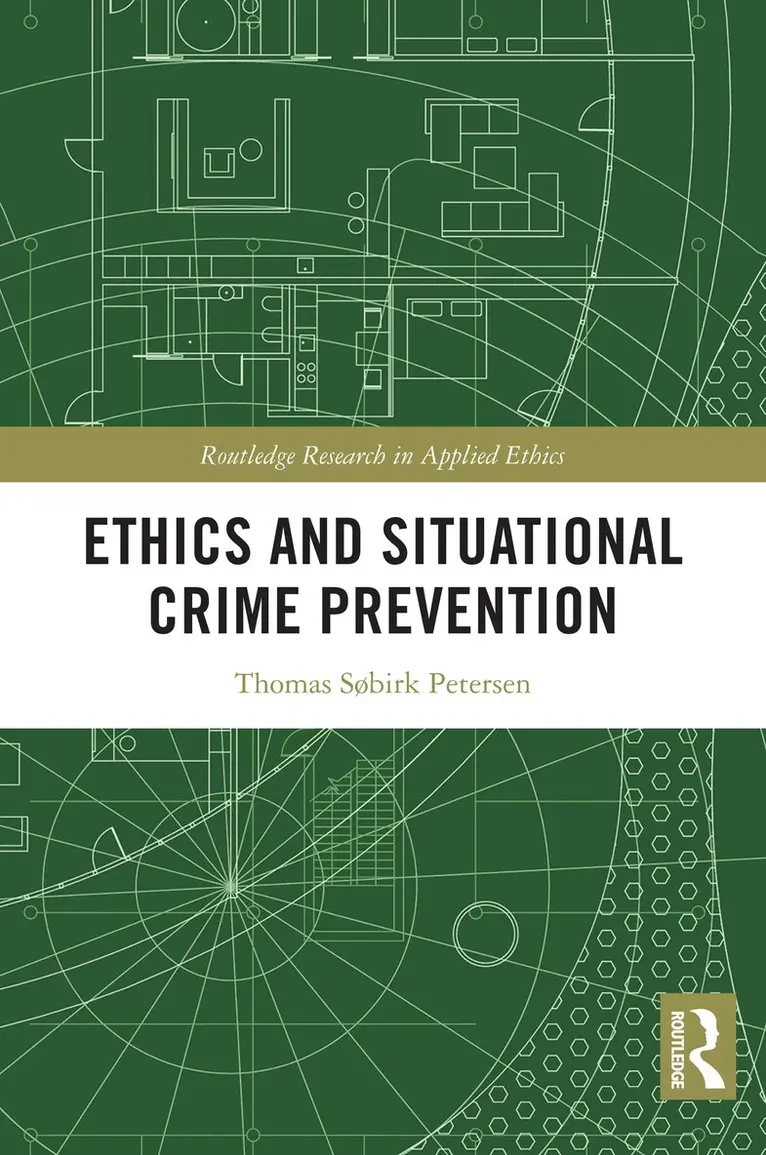
This book addresses the ethics of Situational Crime Prevention (SCP). It seeks not only to analyse specific SCP measures but to demonstrate how ethical analysis can support and improve the implementation of SCP strategies.In ethically analysing a particular SCP measure, it is not enough to look at empirical data. Even if a measure is effective at preventing crime, it may turn out to be ethically unattractive because it harms more people than it benefits, or because it violates our right to free movement. The book proceeds from the assumption that decision-making about whether we should use SCPs can only be conducted by carefully identifying, clarifying, and critically evaluating the ethical arguments for and against use of the SCP measure in question. The author analyses several SCP strategies that have not been treated in detail in criminology or applied ethics literatures. These SCP strategies include gated communities, excluding people with a criminal record from housing or employment, the use of hostile design in public spaces, and the implementation of intelligent speed adaption in vehicles.Ethics and Situational Crime Prevention is an essential resource for criminologists, moral philosophers, legal scholars, and social scientists with an interest in crime prevention.
1 886 kr
Skickas inom 10-15 vardagar
This book addresses the ethics of Situational Crime Prevention (SCP). It seeks not only to analyse specific SCP measures but to demonstrate how ethical analysis can support and improve the implementation of SCP strategies.In ethically analysing a particular SCP measure, it is not enough to look at empirical data. Even if a measure is effective at preventing crime, it may turn out to be ethically unattractive because it harms more people than it benefits, or because it violates our right to free movement. The book proceeds from the assumption that decision-making about whether we should use SCPs can only be conducted by carefully identifying, clarifying, and critically evaluating the ethical arguments for and against use of the SCP measure in question. The author analyses several SCP strategies that have not been treated in detail in criminology or applied ethics literatures. These SCP strategies include gated communities, excluding people with a criminal record from housing or employment, the use of hostile design in public spaces, and the implementation of intelligent speed adaption in vehicles.Ethics and Situational Crime Prevention is an essential resource for criminologists, moral philosophers, legal scholars, and social scientists with an interest in crime prevention.
1 953 kr
Skickas inom 10-15 vardagar
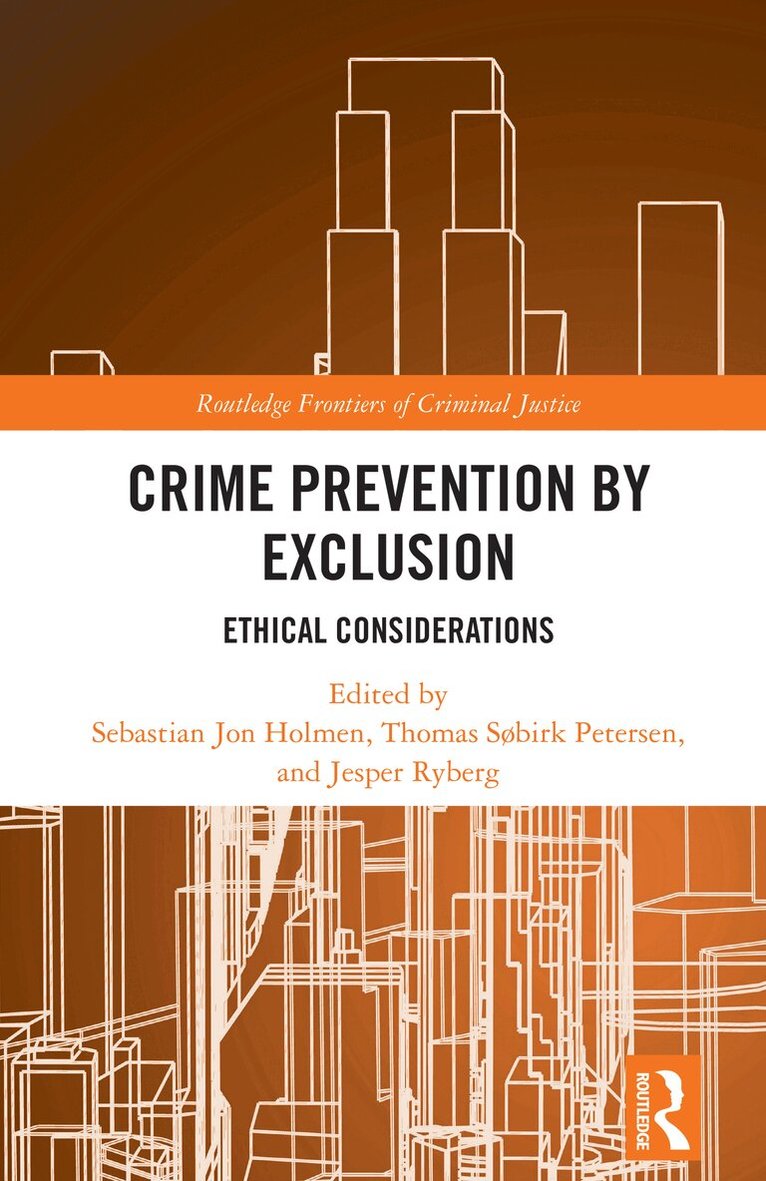
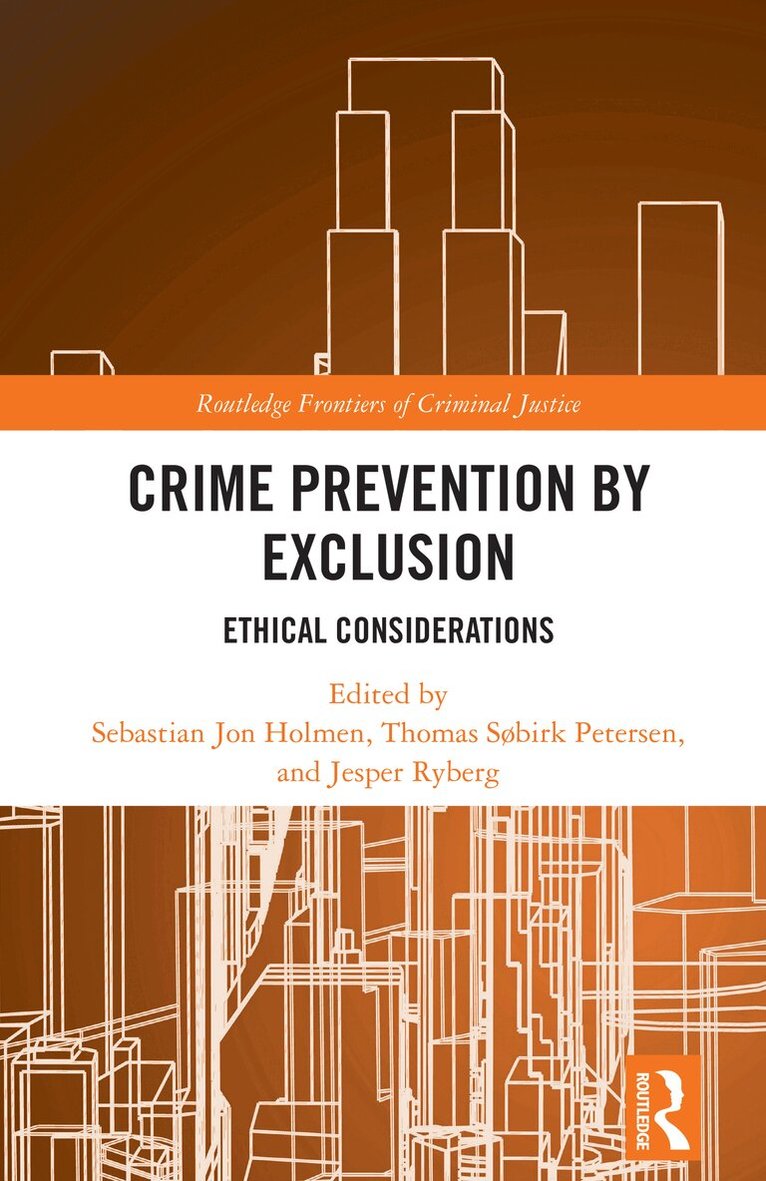
While increasing attention has been directed to the legal and criminological aspects of situational crime prevention, focused ethical discussion of the measures involved has been notable by its absence. Situational crime prevention measures are being used increasingly in various forms in cities all around the world. This book addresses the complex ethical challenges related to preventive exclusion that have only been addressed in a limited way in the academic literature.This volume brings together world-leading experts in ethics and penal theory to answer controversial questions about the ethics of preventing crime by exclusion. Situational crime prevention measures—such as gated communities, hostile design, or annoying music or noise—intended to exclude some or all people from an area to prevent crime present important ethical questions. Is the use of exclusionary measures antithetical to the attainment of social justice or to addressing the root causes of crime? If such measures result merely in the displacement of crime, does this mean they are without value, or morally questionable? What are the conceptual relationships between exclusionary measures, civic trust, and moral agency? Do some or all exclusionary measures fail to respect potential offenders as rational agents? When, if ever, is the use of exclusion to prevent crime discriminatory? And do such measures have a morally problematic expressive dimension?This book is invaluable for scholars with an interest in crime prevention, criminal law, and criminal justice. The practical implications will also appeal to practitioners in the criminal justice system involved in the implementation and administration of preventive exclusion.
590 kr
Skickas inom 10-15 vardagar
While increasing attention has been directed to the legal and criminological aspects of situational crime prevention, focused ethical discussion of the measures involved has been notable by its absence. Situational crime prevention measures are being used increasingly in various forms in cities all around the world. This book addresses the complex ethical challenges related to preventive exclusion that have only been addressed in a limited way in the academic literature.This volume brings together world-leading experts in ethics and penal theory to answer controversial questions about the ethics of preventing crime by exclusion. Situational crime prevention measures—such as gated communities, hostile design, or annoying music or noise—intended to exclude some or all people from an area to prevent crime present important ethical questions. Is the use of exclusionary measures antithetical to the attainment of social justice or to addressing the root causes of crime? If such measures result merely in the displacement of crime, does this mean they are without value, or morally questionable? What are the conceptual relationships between exclusionary measures, civic trust, and moral agency? Do some or all exclusionary measures fail to respect potential offenders as rational agents? When, if ever, is the use of exclusion to prevent crime discriminatory? And do such measures have a morally problematic expressive dimension?This book is invaluable for scholars with an interest in crime prevention, criminal law, and criminal justice. The practical implications will also appeal to practitioners in the criminal justice system involved in the implementation and administration of preventive exclusion.
971 kr
Skickas inom 7-10 vardagar
Reproduction has entered a new ice age: the ability to cryopreserve reproductive cells, tissue and embryos are fundamentally changing our understanding of what it means to be a reproductive citizen. This book explores the ways in which visions of desirable reproductive futures entangle with advances in freezing technologies, with the authors situating their discussions of cryo-fertility within the Scandinavian region, asking: •How does cryopreservation help mobilize particular understandings of reproductive time, reproductive rights and reproductive autonomy? •What values are embedded within Scandinavian laws that seek to regulate cryo-technologies? •How are frozen states enacted in clinical settings and how do the women and men who freeze imagine the preservation of reproductive parts? These questions demand a collaborative approach. The authors empirically cut across the arenas of bioethics/law, practices/experiences, and culture/commerce in order to pin down often complex and far-reaching answers.
1 179 kr
Skickas inom 10-15 vardagar
The book defines and critically discusses the following five principles: the harm principle, legal paternalism, the offense principle, legal moralism and the dignity principle of criminalization.
1 281 kr
Skickas inom 10-15 vardagar
The book defines and critically discusses the following five principles: the harm principle, legal paternalism, the offense principle, legal moralism and the dignity principle of criminalization.