Thomas Telios – författare
Visar alla böcker från författaren . Handla med fri frakt och snabb leverans.
4 produkter
4 produkter
Inbunden, Engelska, 2019
1 189 kr
Skickas inom 10-15 vardagar
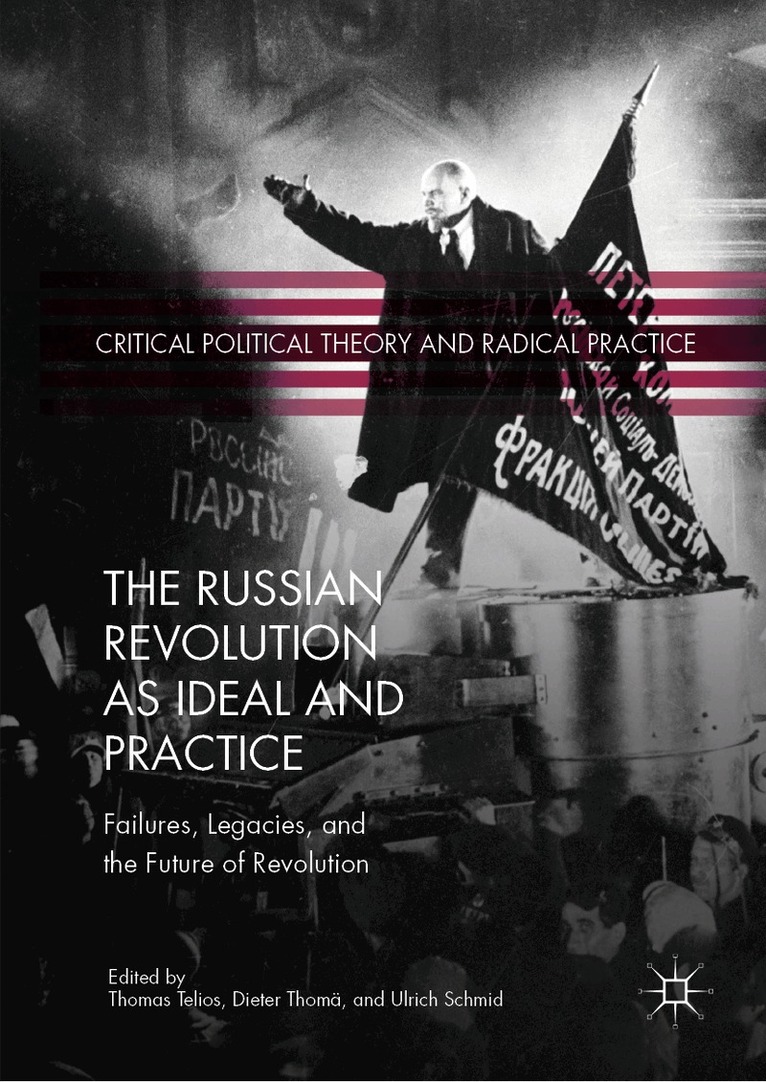
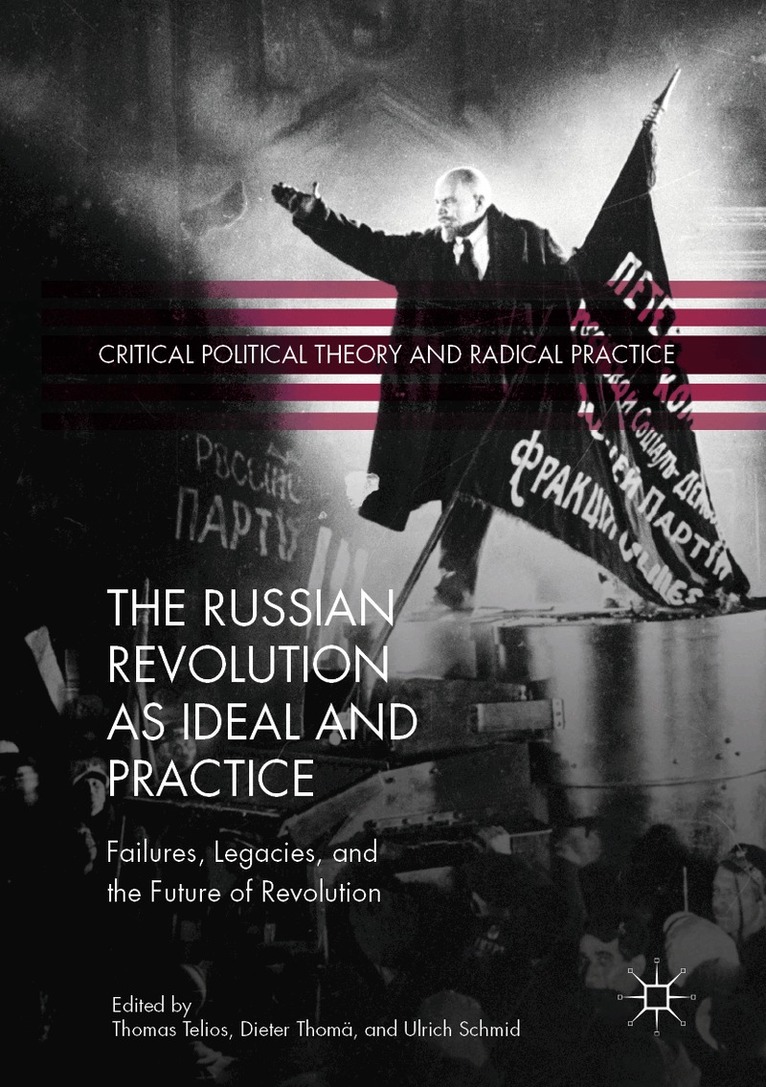
This volume aims to commemorate, criticize, scrutinize and assess the undoubted significance of the Russian Revolution both retrospectively and prospectively in three parts. Part I consists of a palimpsest of the different representations that the Russian Revolution underwent through its turbulent history, going back to its actors, agents, theorists and propagandists to consider whether it is at all possible to revisit the Russian Revolution as an event. With this problematic as a backbone, the chapters of this section scrutinize the ambivalences of revolution in four distinctive phenomena (sexual morality, religion, law and forms of life) that pertain to the revolution’s historicity. Part II concentrates on how the revolution was retold in the aftermath of its accomplishment not only by its sympathizers but also its opponents. These chapters not only bring to light the ways in which the revolution triggered critical theorists to pave new paths of radical thinking that were conceived as methods to overcome the revolution’s failures and impasses, but also how the Revolution was subverted in order to inspire reactionary politics and legitimize conservative theoretical undertakings. Even commemorating the Russian Revolution, then, still poses a threat to every well-established political order. In Part III, this volume interprets how the Russian Revolution can spur a rethinking of the idea of revolution. Acknowledging the suffocating burden that the notion of revolution as such entails, the final chapters of this book ultimately address the content and form of future revolution(s). It is therein, in such critical political thought and such radical form of action, where the Russian Revolution’s legacy ought to be sought and can still be found.
E-bok
Engelska, 20191 141 kr
Läs direkt efter köp
This volume aims to commemorate, criticize, scrutinize and assess the undoubted significance of the Russian Revolution both retrospectively and prospectively in three parts. Part I consists of a palimpsest of the different representations that the Russian Revolution underwent through its turbulent history, going back to its actors, agents, theorists and propagandists to consider whether it is at all possible to revisit the Russian Revolution as an event. With this problematic as a backbone, the chapters of this section scrutinize the ambivalences of revolution in four distinctive phenomena (sexual morality, religion, law and forms of life) that pertain to the revolution’s historicity. Part II concentrates on how the revolution was retold in the aftermath of its accomplishment not only by its sympathizers but also its opponents. These chapters not only bring to light the ways in which the revolution triggered critical theorists to pave new paths of radical thinking that were conceived as methods to overcome the revolution’s failures and impasses, but also how the Revolution was subverted in order to inspire reactionary politics and legitimize conservative theoretical undertakings. Even commemorating the Russian Revolution, then, still poses a threat to every well-established political order. In Part III, this volume interprets how the Russian Revolution can spur a rethinking of the idea of revolution. Acknowledging the suffocating burden that the notion of revolution as such entails, the final chapters of this book ultimately address the content and form of future revolution(s). It is therein, in such critical political thought and such radical form of action, where the Russian Revolution’s legacy ought to be sought and can still be found.
Häftad, Engelska, 2020
867 kr
Skickas inom 10-15 vardagar
This volume aims to commemorate, criticize, scrutinize and assess the undoubted significance of the Russian Revolution both retrospectively and prospectively in three parts. Part I consists of a palimpsest of the different representations that the Russian Revolution underwent through its turbulent history, going back to its actors, agents, theorists and propagandists to consider whether it is at all possible to revisit the Russian Revolution as an event. With this problematic as a backbone, the chapters of this section scrutinize the ambivalences of revolution in four distinctive phenomena (sexual morality, religion, law and forms of life) that pertain to the revolution’s historicity. Part II concentrates on how the revolution was retold in the aftermath of its accomplishment not only by its sympathizers but also its opponents. These chapters not only bring to light the ways in which the revolution triggered critical theorists to pave new paths of radical thinking that were conceived as methods to overcome the revolution’s failures and impasses, but also how the Revolution was subverted in order to inspire reactionary politics and legitimize conservative theoretical undertakings. Even commemorating the Russian Revolution, then, still poses a threat to every well-established political order. In Part III, this volume interprets how the Russian Revolution can spur a rethinking of the idea of revolution. Acknowledging the suffocating burden that the notion of revolution as such entails, the final chapters of this book ultimately address the content and form of future revolution(s). It is therein, in such critical political thought and such radical form of action, where the Russian Revolution’s legacy ought to be sought and can still be found.
E-bok
PDF, Tyska, 2021698 kr
Läs direkt efter köp
Im Anschluss an Marx'' Diktum, dass der Mensch in "seinem individuellsten Dasein zugleich Gemeinwesen ist", geht das Buch der Frage der kollektiven Handlungsfähigkeit nach. Die These ist, dass kraft seiner sozialen Konstruktion als ein Kollektives dem Subjekt die Möglichkeit eingepflanzt wird, sich kollektiv engagieren zu können. Diese sozialontologische Begründung kollektiver Handlungsfähigkeit bringt eine anti-normative Auffassung kollektiver Kämpfe mit sich, die nicht mehr der Last moralischer Vorschriften und identitärer Politiken unterliegen.In einem ersten Schritt legt der Autor den Begriff des Gemeinwesens von Karl Marx aus, denn er durch den an Jean-Luc Nancy angelehnten Begriff der kommunistischen Subjektivität expliziert. Daran anknüpfend wird im Anschluss an Georg Lukács, Louis Althussers und Judith Butler nachgezeichnet, wie das Subjekt an der Schnittstelle von Arbeits-, Sprache- und Körperpraktiken entsteht. Der Begriff des plastischen Körpers, den der Autor dem Plastizitätskonzept Catherine Malabous entleiht, dient, um zu veranschaulichen, wie sich die unterschiedlichen Identitäten im Körper treffen und zueinander verhalten. Das Subjekt, welches sich, so betrachtet, als ein Kollektives ereignet, kann – so die These des Autors – nur sich selbst bestimmen, wenn es entsprechend seiner Strukturierung, d.h. ebenfalls kollektiv und gemeinsam handelt.