Thomas W. Simon – författare
Visar alla böcker från författaren Thomas W. Simon. Handla med fri frakt och snabb leverans.
6 produkter
6 produkter
900 kr
Skickas inom 10-15 vardagar
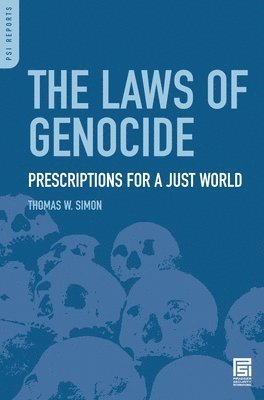
The tools of reason offer the best hope for the international community to confront the increasing incidents of hate throughout the world. A historically informed, normative examination of the elements of the crime of genocide provides an excellent case study of how the law, reason's handmaiden, enhances understanding and improves practical ways of dealing with global injustices.How should we confront hate? As political activists, we could resort to fighting hate with hate. As concerned citizens, we could consciously ignore or actively protest hate. As committed educators, we could put the implements and survivors of hate on display. As committed scholars, we could resuscitate the idea of evil. As humanitarian jurists, we could put individual hate-mongers on trial. Part I of this book makes a case for making the maximum use of reason to deal with hate. This means that we should actively debate those who promote hate. Further, as a close look at the history of applying law to incidents of hate and violence illustrates, the courtroom proves to be an excellent place to demonstrate the virtues of applying the tools of reason, not to global evils, but to the grave injustices of the world.In Part II, Simon demonstrates the power of legal analysis in enhancing our understanding of genocide, probably the worst injustice imaginable. A close examination of each purported element of the crime of genocide redirects misguided turns taken by international jurists. Contrary to a more realistic perspective adopted at the Nuremberg trials, jurists have mistakenly modeled international criminal law on national criminal law, which focuses on individual responsibility. However, the cases of grave injustices throughout the 20th century amply demonstrate the primary collective responsibility underlying incidences of genocide. The failure to prosecute criminal organizations for genocide has and will continue to have disastrous results. While the Nuremberg tribunal at least disbanded the responsible Nazi organizations, current war crimes tribunals have allowed organizations responsible for the Rwandan genocide to continue to wreak havoc throughout Central Africa. If the international community cannot forge a common understanding of genocide, then it has little hope of establishing an international legal order or a global ethics.
Ethnic Identity and Minority Protection
Designation, Discrimination, and Brutalization
Inbunden, Engelska, 2012
1 608 kr
Skickas inom 10-15 vardagar
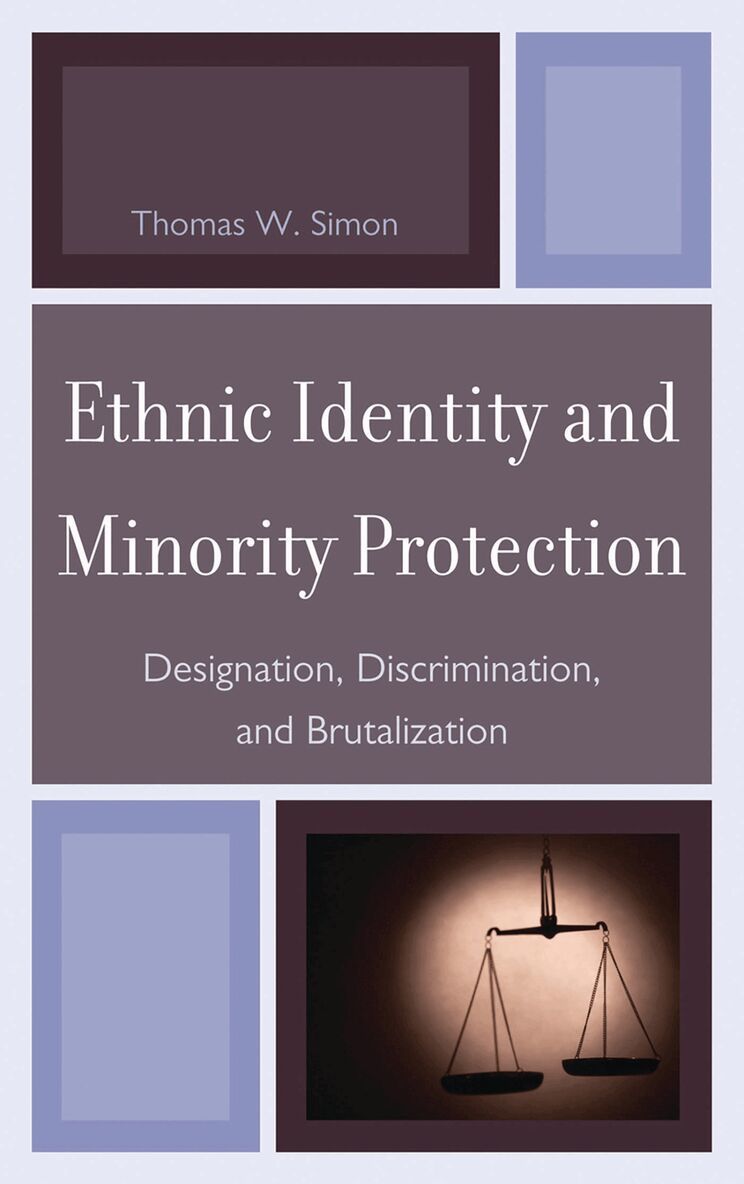
In Ethnic Identity and Minority Protection: Designation, Discrimination, and Brutalization, Thomas W. Simon examines a new framework for considering ethnic conflicts. In contrast to the more traditional theories of justice, Simon’s theory of injustice shifts focus away from group identity toward group harms, effectively making many problems, such as how to define minorities in international law, dramatically more manageable. Simon argues that instead of promoting legislative devices like proportional representation for minorities, it is more fruitful to seek adjudicative solutions to racial and ethnic-related conflicts. For example, resources could be shifted to quasi-judicial human-rights treaty bodies that have adopted an injustice approach. This injustice approach provides the foundation for Kosovo’s case for remedial secession, and helps to sort out the competing entitlement claims of Malays in different countries.Indeed, the priority of Thomas W. Simon’s Ethnic Identity and Minority Protection is to ensure the tales of designation and discrimination told at the beginning of the work do not become the stories of brutalization told at the end. In short, the challenge tackled in this text is to assure that reason reigns over hate.
Ethnic Identity and Minority Protection
Designation, Discrimination, and Brutalization
Häftad, Engelska, 2013
674 kr
Skickas inom 10-15 vardagar
In Ethnic Identity and Minority Protection: Designation, Discrimination, and Brutalization, Thomas W. Simon examines a new framework for considering ethnic conflicts. In contrast to the more traditional theories of justice, Simon’s theory of injustice shifts focus away from group identity toward group harms, effectively making many problems, such as how to define minorities in international law, dramatically more manageable. Simon argues that instead of promoting legislative devices like proportional representation for minorities, it is more fruitful to seek adjudicative solutions to racial and ethnic-related conflicts. For example, resources could be shifted to quasi-judicial human-rights treaty bodies that have adopted an injustice approach. This injustice approach provides the foundation for Kosovo’s case for remedial secession, and helps to sort out the competing entitlement claims of Malays in different countries.Indeed, the priority of Thomas W. Simon’s Ethnic Identity and Minority Protection is to ensure the tales of designation and discrimination told at the beginning of the work do not become the stories of brutalization told at the end. In short, the challenge tackled in this text is to assure that reason reigns over hate.
385 kr
Tillfälligt slut
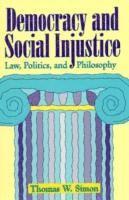
In this truly interdisciplinary study that reflects the author's work in philosophy, political science, law, and policy studies, Thomas W. Simon argues that democratic theory must address the social injustices inflicted upon disadvantaged groups. By shifting theoretical sights from justice to injustice, Simon recasts the nature of democracy and provides a new perspective on social problems. He examines the causes and effects of injustice, victims' responses to injustice, and historical theories of disadvantage, revealing that those theories have important repercussions for contemporary policy debates. Finally, Simon considers which institutions and practices come within the grasp of democracy and discusses the concept of a 'Negative Utopia,' or a future without injustice.
Genocide, Torture, and Terrorism
Ranking International Crimes and Justifying Humanitarian Intervention
Inbunden, Engelska, 2015
550 kr
Skickas inom 10-15 vardagar
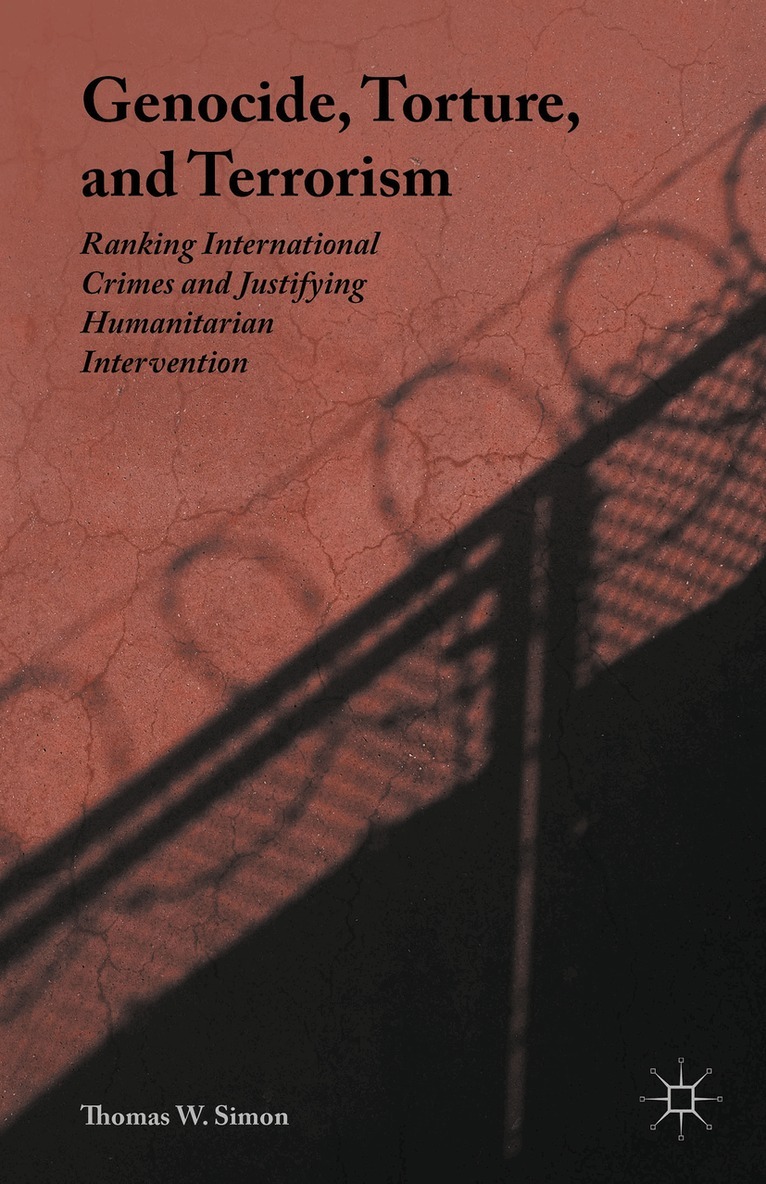
We are understandably reluctant to "rank" moral atrocities. What is worse, genocide or terrorism? In this book, Thomas W. Simon argues that politicians use this to manipulate our sense of injustice by exaggerating terrorism and minimizing torture. He advocates for an international criminal code that encourages humanitarian intervention.
976 kr
Skickas inom 10-15 vardagar
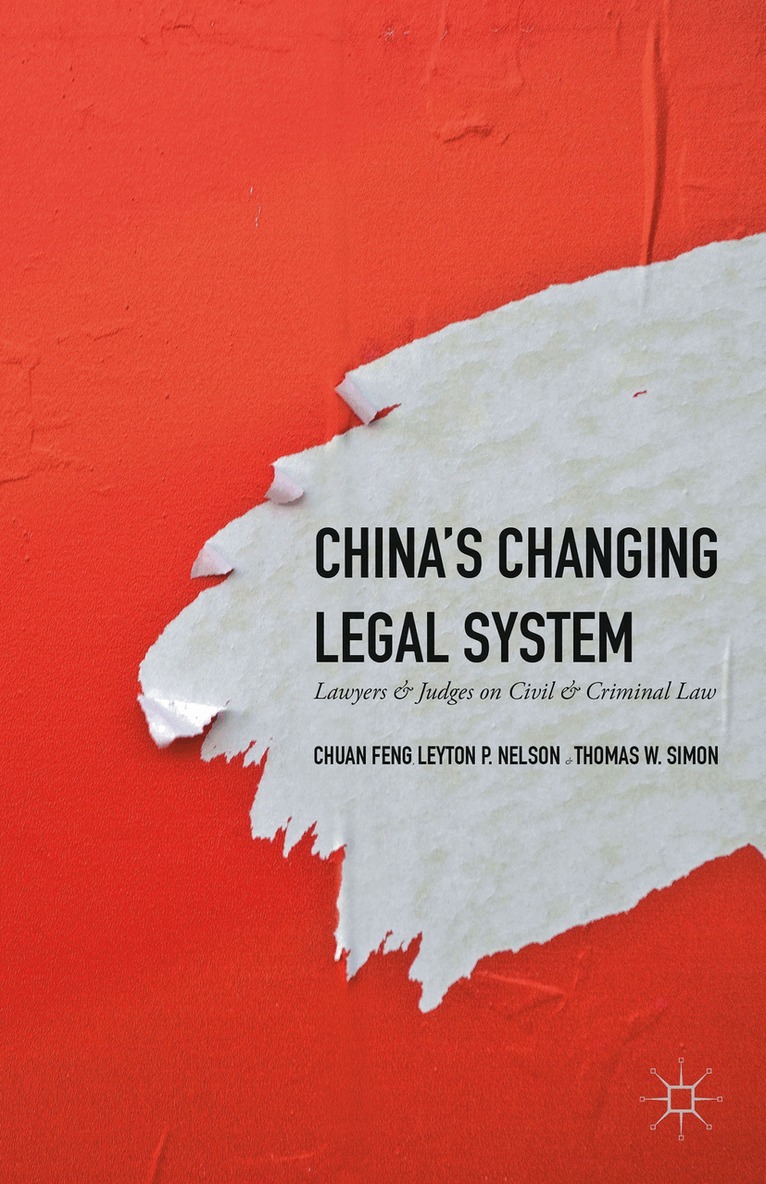
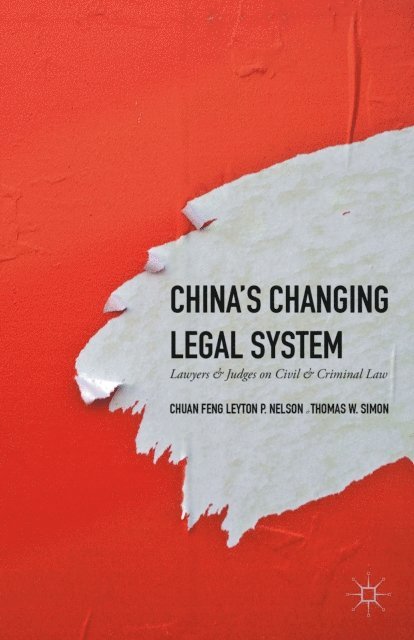
While much international attention has been focused on China's developing economy, dramatic changes are also taking place in its legal system. This book is a groundbreaking, comprehensive introduction to China's legal system, covering the major areas of both civil and criminal law.