Tiago Cardão-Pito - Böcker
Visar alla böcker från författaren Tiago Cardão-Pito. Handla med fri frakt och snabb leverans.
3 produkter
3 produkter
2 167 kr
Skickas inom 10-15 vardagar
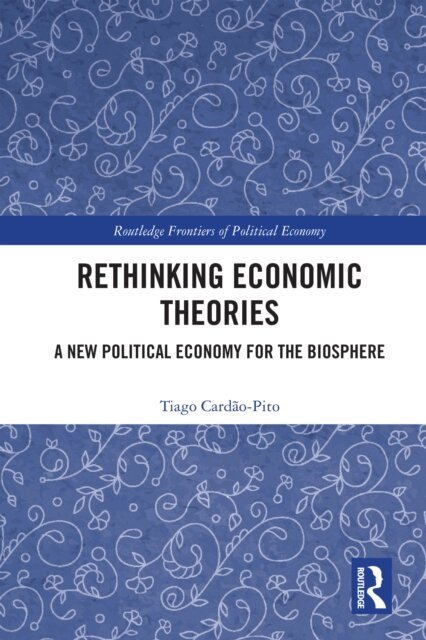
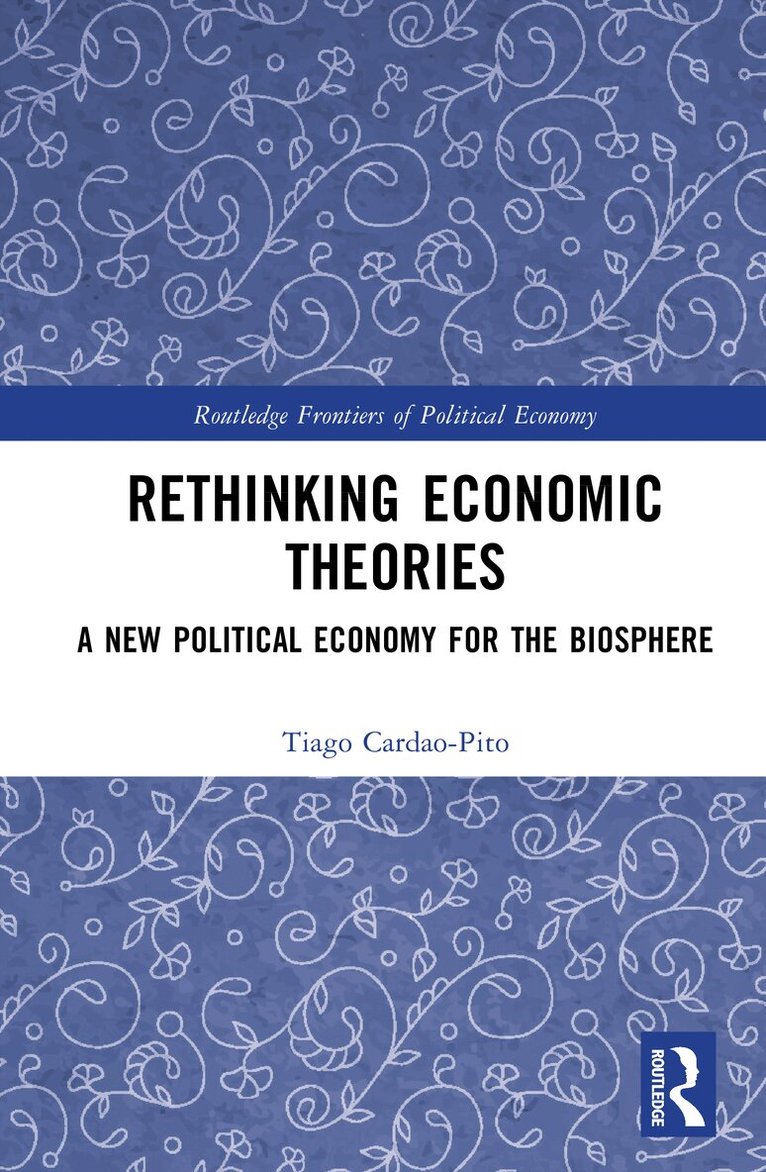
In recent times, economic theories have provided the dominant explanations of how to understand and organize human societies. This book argues that the study of economic theories must not be restricted to the disciplines of economics, political economy, or economic sociology and must encompass our relationship to the biosphere.In this new volume, Tiago Cardão-Pito further develops his innovative system to organize the major economic theories into two major theoretical groups: one is termed “hedonist economic theory” (primarily mainstream economics which generally defends moneyed persons politically) and the other is work-based economic theory (the most well-known version of which is Marxism, which defends workers politically). It is shown that economics can only be understood through the political disputes between these two major theories, but it is also argued that both major economic theories are fundamentally unprepared for addressing human societies and the biosphere. They both attribute metaphysical status to money, describing monetary flows as the constitutive being of economic, social, and ecological phenomena. Furthermore, both theories follow the overinclusive and tautological post-Adam Smith concept of capital, which confuses monetary and non-monetary flows. Although human work remains highly relevant in our technologically enhanced times, this book demonstrates that returning to work-based economic theory is no longer a viable option to contest the dominance of hedonist economic theory. A new bio-social theory is required to explain the integration of human societies into the biosphere.This book is a vital reading for students and scholars of economic and social theory, political economy, economic sociology, organization, sustainability, and ecological issues, environment and economics, environment and philosophy, environment and society, environment and business, environmental politics, environmental studies, philosophy of social science and political philosophy.
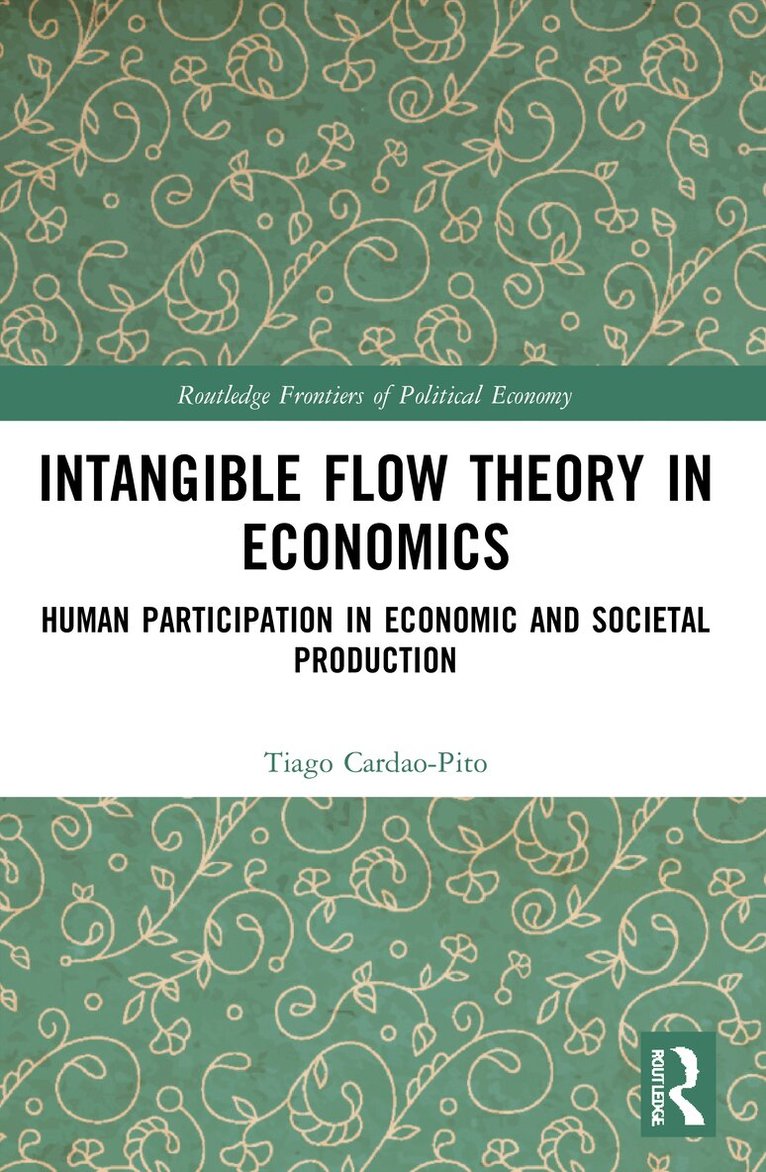
Intangible Flow Theory in Economics
Human Participation in Economic and Societal Production
Häftad, Engelska, 2022
746 kr
Skickas inom 10-15 vardagar
The dominant economic explanations of the 20th century are not comprehensive enough to describe the complexity of economy and society and their reliance on the biosphere. Intangible Flow Theory in Economics: Human Participation in Economic and Societal Production outlines a new theory that challenges both economics and the relativism conveyed in social constructivism, poststructuralism and postmodernism. To mainstream economics and Marxism, monetary flows transform us humans into commodities. To this new theory, flows of economic elements as physical goods or money are consummated by intangible flows that cannot yet be precisely appraised at an actual or approximate value, for instance, workflows, service flows, information flows or communicational flows. The theory suggests a systematic alternative to refute the human commodity framework and interrelated conjectures (e.g. human capital, human resources, human assets). Furthermore, it exhibits that economic and societal production is fully integrated on the biosphere. Conversely, contemporary relativism argues for the end of theory development, suspension of evidence and entrenchment of knowledge validity among local systems (named as paradigms, epistemes, research programs, truth regimes or other terms). Thus, relativism tacitly supports dominant theories as the human commodity framework because it preventively sabotages the creation of new theoretical explanations. Disputing relativist theses, intangible flow theory demonstrates that innovative theoretical explanations remain possible. This book is of significant interest to students and scholars of political economy, economic sociology, organization, economics and social theory.
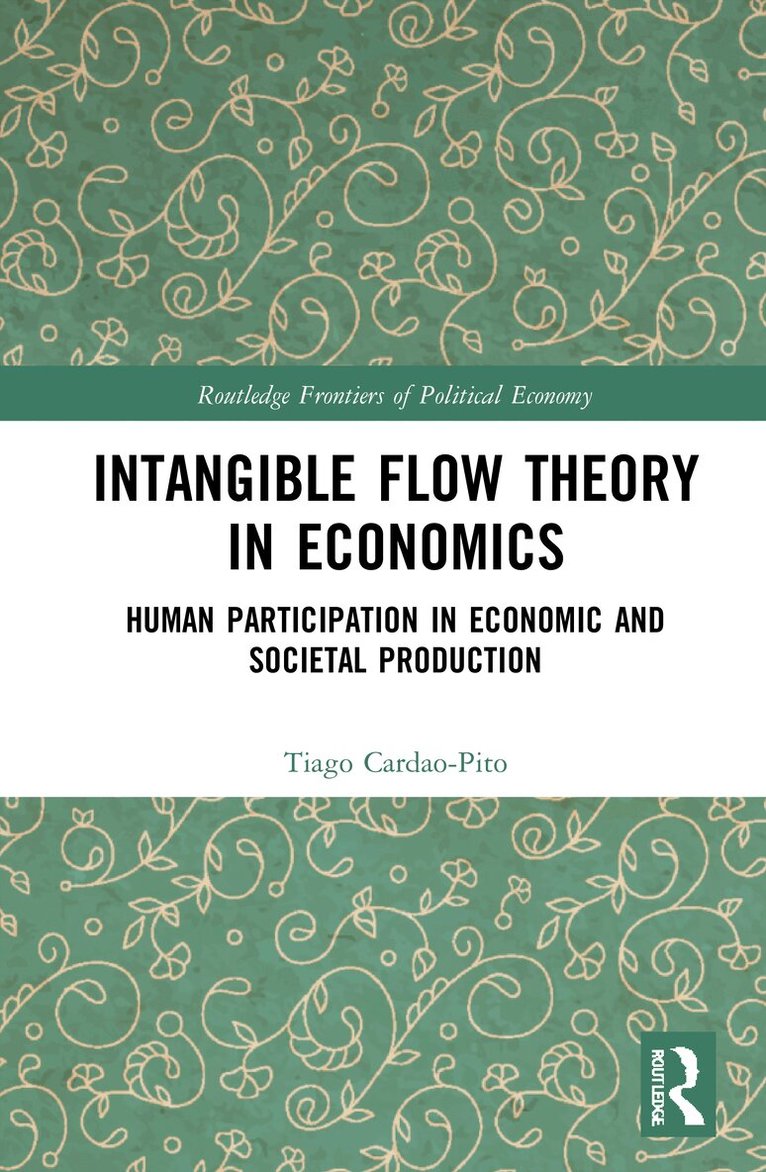
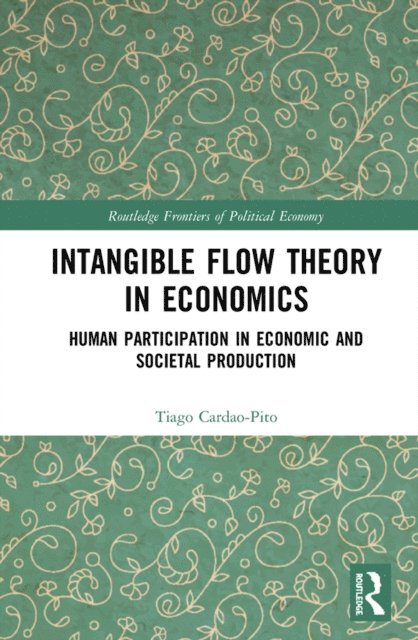
Intangible Flow Theory in Economics
Human Participation in Economic and Societal Production
Inbunden, Engelska, 2020
2 167 kr
Skickas inom 10-15 vardagar
The dominant economic explanations of the 20th century are not comprehensive enough to describe the complexity of economy and society and their reliance on the biosphere. Intangible Flow Theory in Economics: Human Participation in Economic and Societal Production outlines a new theory that challenges both economics and the relativism conveyed in social constructivism, poststructuralism and postmodernism. To mainstream economics and Marxism, monetary flows transform us humans into commodities. To this new theory, flows of economic elements as physical goods or money are consummated by intangible flows that cannot yet be precisely appraised at an actual or approximate value, for instance, workflows, service flows, information flows or communicational flows. The theory suggests a systematic alternative to refute the human commodity framework and interrelated conjectures (e.g. human capital, human resources, human assets). Furthermore, it exhibits that economic and societal production is fully integrated on the biosphere. Conversely, contemporary relativism argues for the end of theory development, suspension of evidence and entrenchment of knowledge validity among local systems (named as paradigms, epistemes, research programs, truth regimes or other terms). Thus, relativism tacitly supports dominant theories as the human commodity framework because it preventively sabotages the creation of new theoretical explanations. Disputing relativist theses, intangible flow theory demonstrates that innovative theoretical explanations remain possible. This book is of significant interest to students and scholars of political economy, economic sociology, organization, economics and social theory.