Tiansi Dong – författare
Visar alla böcker från författaren Tiansi Dong. Handla med fri frakt och snabb leverans.
7 produkter
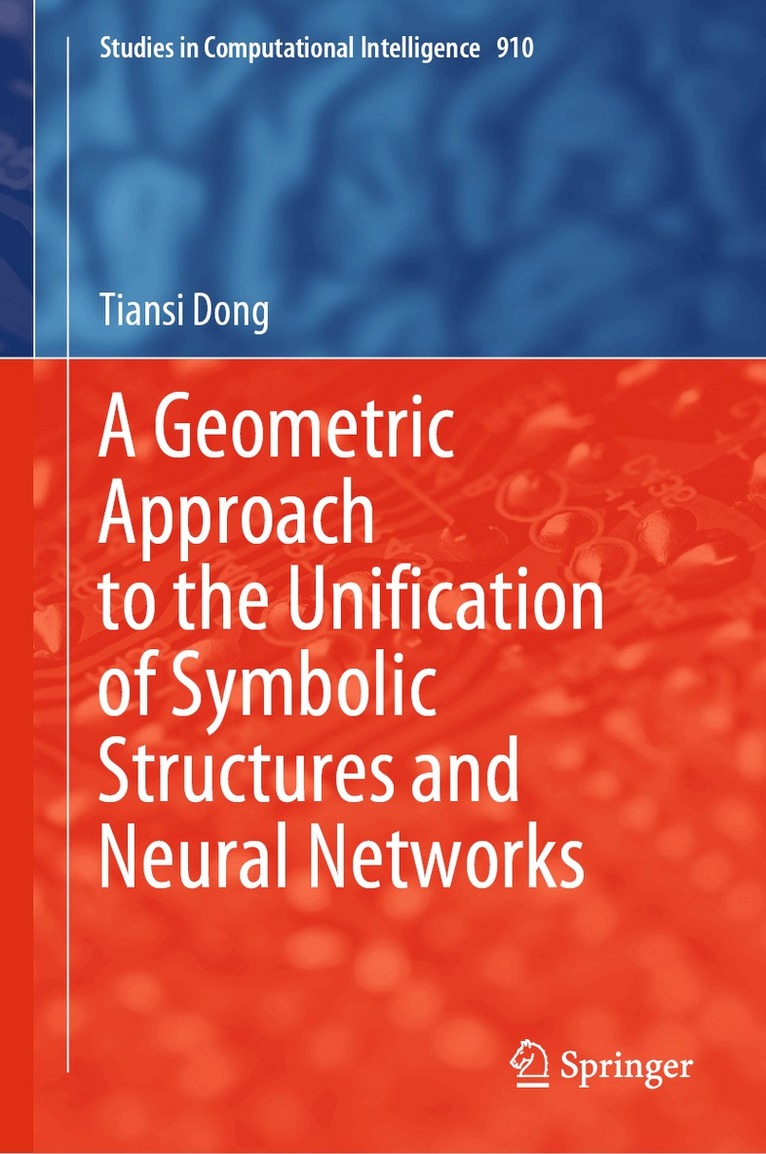
Geometric Approach to the Unification of Symbolic Structures and Neural Networks
Av Tiansi Dong
Inbunden, 2020
1425 kr
Lägg i varukorg
The unification of symbolist and connectionist models is a major trend in AI. The key is to keep the symbolic semantics unchanged. Unfortunately, present embedding approaches cannot. The approach in this book makes the unification possible. It is indeed a new and promising approach in AI. -Bo …
Geometric Approach to the Unification of Symbolic Structures and Neural Networks
Av Tiansi Dong
E-bok, 2020
1728 kr
Lägg i varukorg
The unification of symbolist and connectionist models is a major trend in AI. The key is to keep the symbolic semantics unchanged. Unfortunately, present embedding approaches cannot. The approach in this book makes the unification possible. It is indeed a new and promising approach in AI. -Bo …
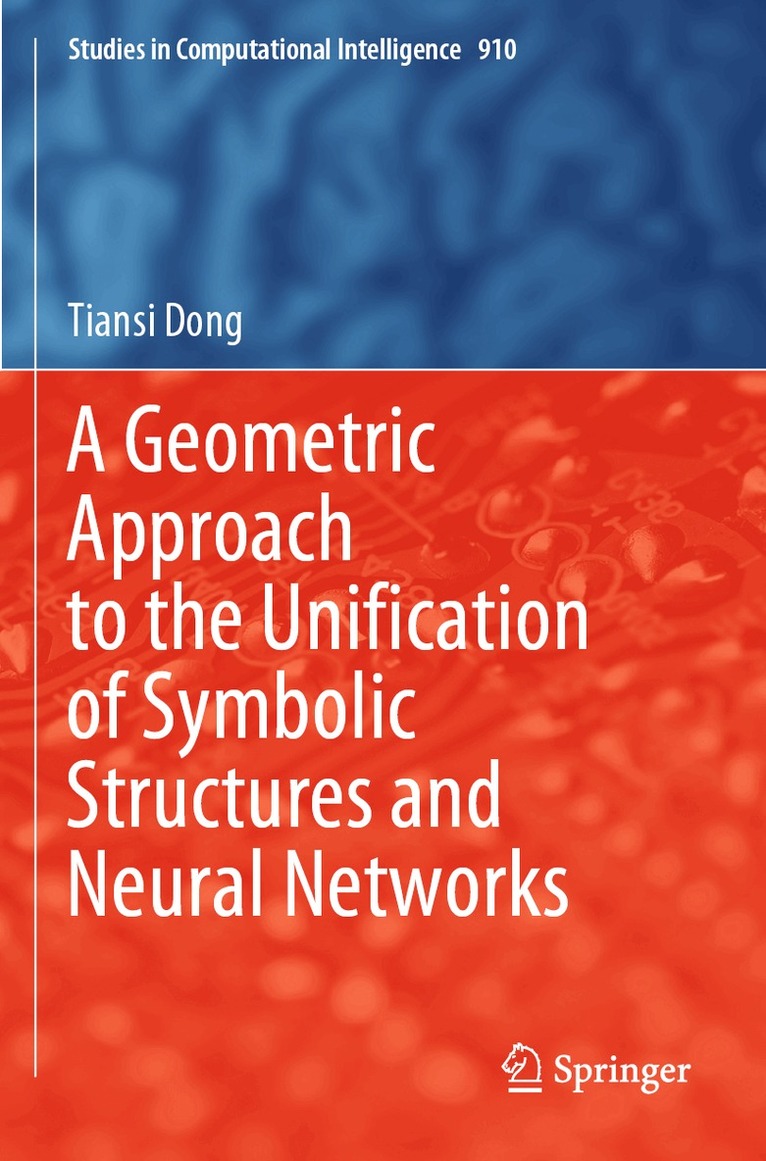
Geometric Approach to the Unification of Symbolic Structures and Neural Networks
Av Tiansi Dong
Häftad, 2021
1425 kr
Lägg i varukorg
The unification of symbolist and connectionist models is a major trend in AI. The key is to keep the symbolic semantics unchanged. Unfortunately, present embedding approaches cannot. The approach in this book makes the unification possible. It is indeed a new and promising approach in AI. -Bo …
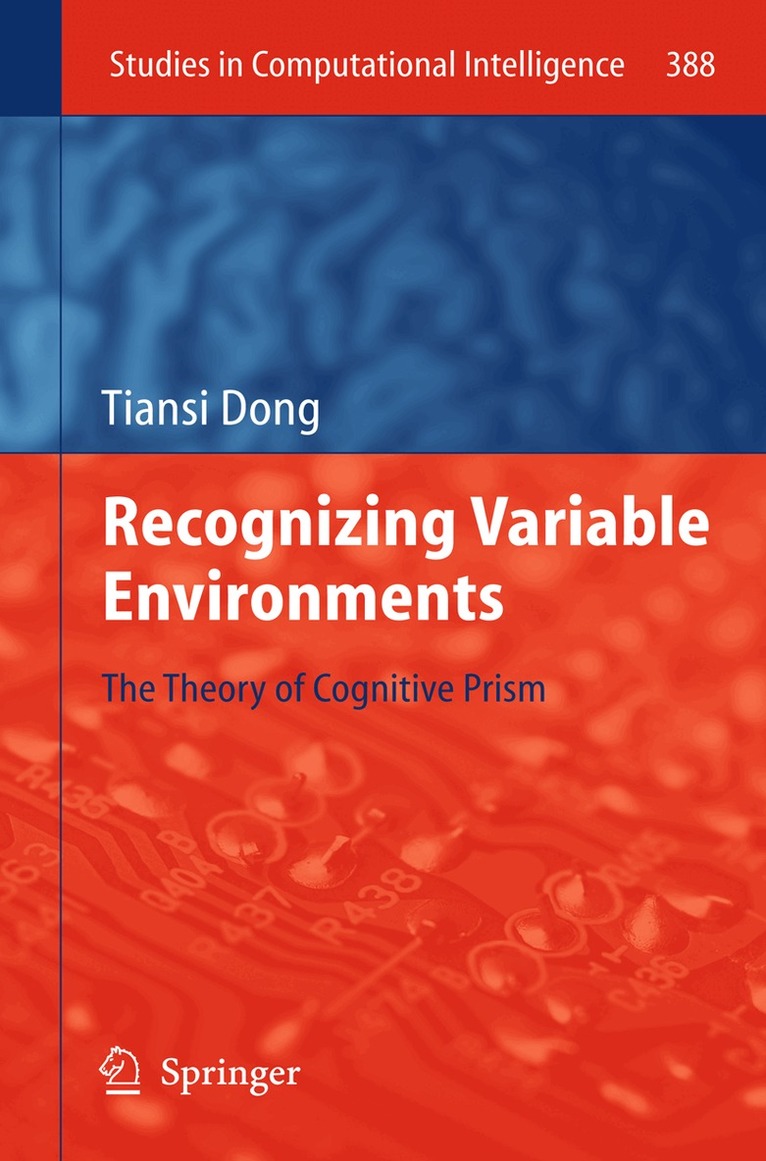
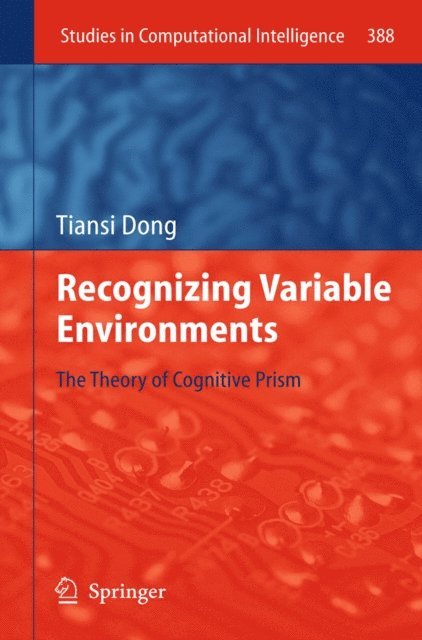
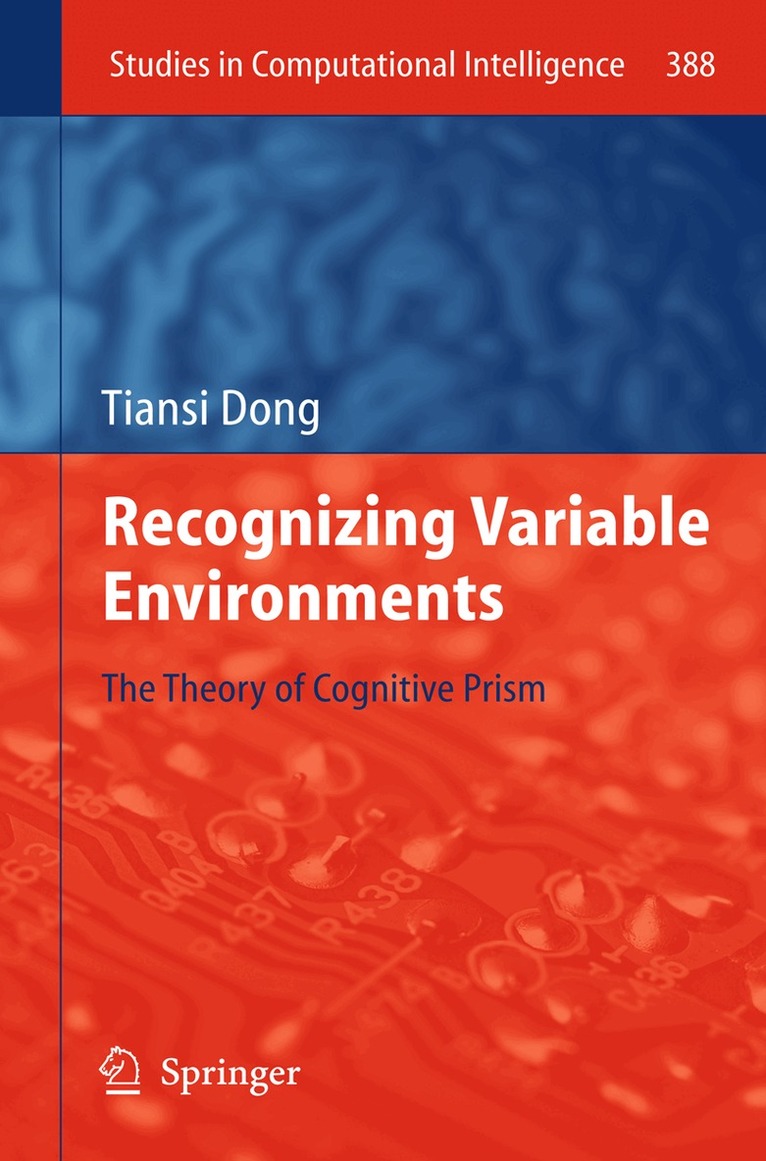
Recognizing Variable Environments
The Theory of Cognitive Prism
Av Tiansi Dong
Inbunden, 2011
1098 kr
Lägg i varukorg
Normal adults do not have any difficulty in recognizing their homes. But can artificial systems do in the same way as humans? This book collects interdisciplinary evidences and presents an answer from the perspective of computing, namely, the theory of cognitive prism. To recognize an environment, …
Recognizing Variable Environments
The Theory of Cognitive Prism
Av Tiansi Dong
E-bok, 2011
1459 kr
Lägg i varukorg
Normal adults do not have any difficulty in recognizing their homes. But can artificial systems do in the same way as humans? This book collects interdisciplinary evidences and presents an answer from the perspective of computing, namely, the theory of cognitive prism. To recognize an environment, …
Recognizing Variable Environments
The Theory of Cognitive Prism
Av Tiansi Dong
Häftad, 2013
1098 kr
Lägg i varukorg
Normal adults do not have any difficulty in recognizing their homes. But can artificial systems do in the same way as humans? This book collects interdisciplinary evidences and presents an answer from the perspective of computing, namely, the theory of cognitive prism. To recognize an environment, …
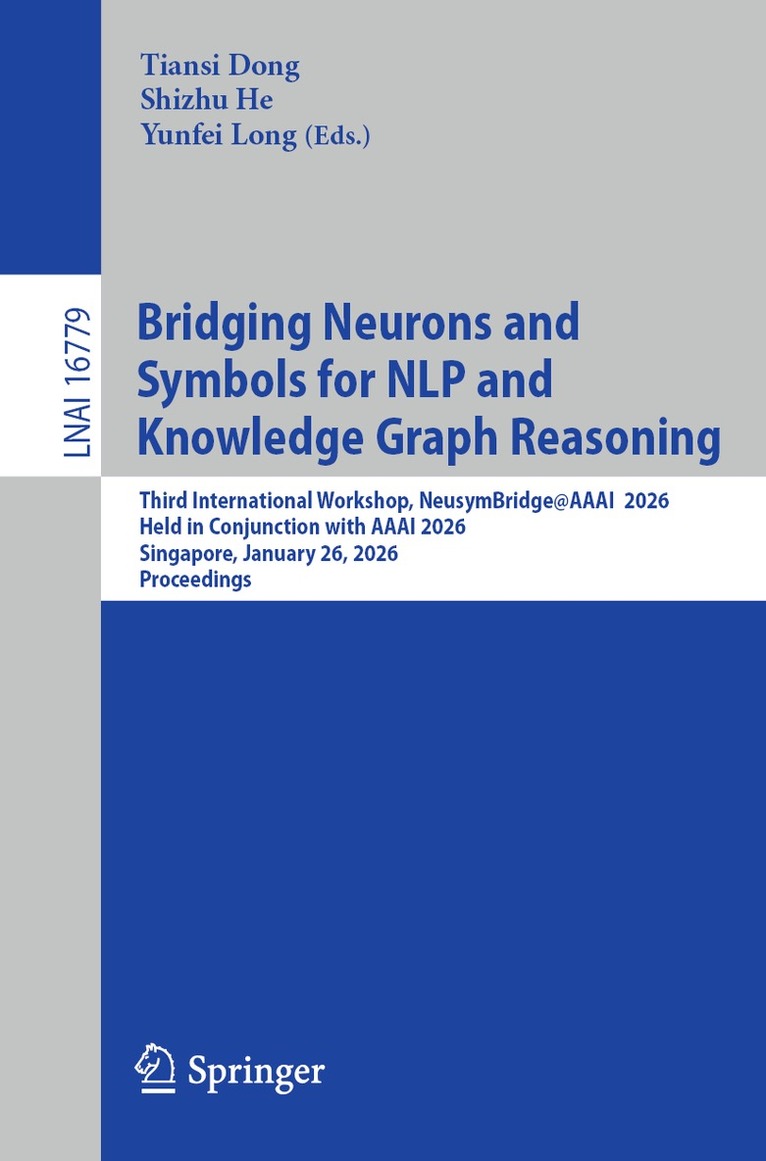
Bridging Neurons and Symbols for NLP and Knowledge Graph Reasoning
Third International Workshop, NeusymBridge@AAAI 2026, Held in Conjunction with AAAI 2026, Singapore, January 26, 2026, Proceedings
Av Tiansi Dong, Shizhu He m. fl.
Häftad, 2026
626 kr
Kommande
This book constitutes the refereed proceedings of the Third International Workshop on Bridging Neurons and Symbols for NLP and Knowledge Graph Reasoning, NeusymBridge@AAAI 2026, held in conjunction with AAAI 2026, Singapore, on January 26, 2026.This volume comprises 10 full papers: 6 papers …