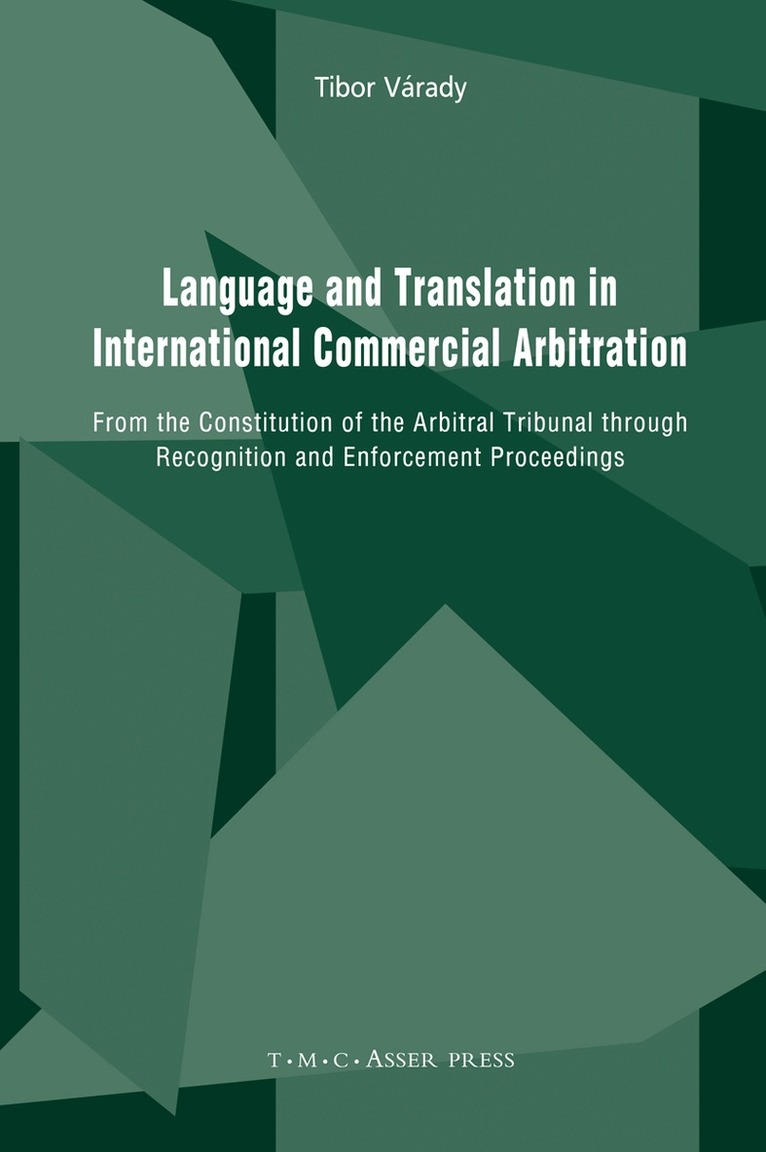
With a foreword by Judge Thomas Buergenthal, International Court of Justice The present book is the first book-length monograph addressing practically all language issues likely to arise throughout the arbitration process and post-arbitration proceedings. International Commercial Arbitration is a transcultural venture and the need to bridge language differences is a part of the process. There are more and more cases in which procedural or alleged procedural deficiencies pertaining to language emerge as an issue with unforeseen and costly consequences. The author presents a comprehensive survey of questions related to language and translation in (post-)arbitral proceedings. The issues are systematized and answers to the questions are suggested and analyzed, relying primarily on arbitration and court cases, international agreements, statutes and institutional rules. As such, it allows the reader to find answers to specific questions, and also offers a distinctive comparative survey. The book provides guidance to both arbitrators and parties to arbitration as well as to judges and other participants in post-award proceedings. Tibor Varady is a Professor of Law at the Central European University, Budapest, and Emory University School of Law, Atlanta. He has been an arbitrator in no less than 200 cases. Professor Várady has been on the list of arbitrators of eight arbitral institutions in Europe, Africa and Asia.
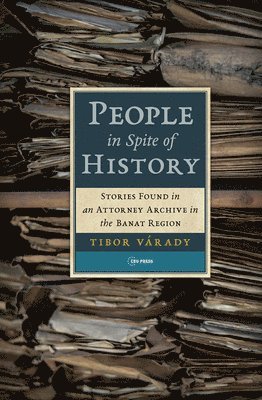
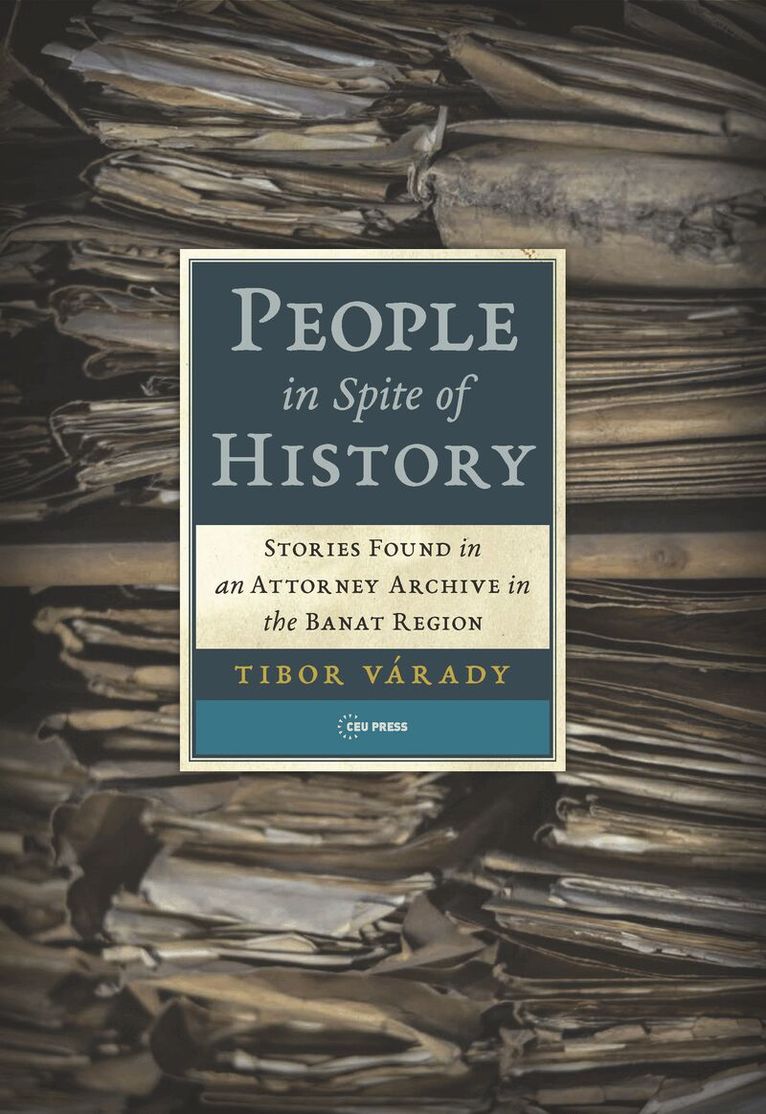
Three generations of a family of lawyers have run a firm founded in 1893 in the small city of Becskerek (today in Serbian Zrenjanin), first part of the Austro-Hungarian Habsburg monarchy, then Hungary, then Yugoslavia, then for a while under German occupation, then again part of Yugoslavia and finally Serbia. In the Banat district of the province of Vojvodina, the multiplicity of languages and religions and changes of place-names was a matter of course. What is practically unprecedented, all files, folders and documents of the law office have survived. They concern marriages, divorces, births and testaments, as well as expulsions, emigrations, incarcerations and releases of these largely rural and small-town dwellers. Mundane cases reflect times through war, peace, revolution and counter-revolution, through serfdom and freedom, through comfort and poverty. The files also show everyday lives shaped in spite of history. Tibor Várady transforms them into affecting and vivid vignettes, selecting and commenting without sentimentality but with empathy. The law office of the three generations of the Várady family demonstrates that the legal profession permits and in difficult times even requires its members to defend the ordinary men and women against the powers of state and society.