Tijo Salverda – författare
Visar alla böcker från författaren Tijo Salverda. Handla med fri frakt och snabb leverans.
5 produkter
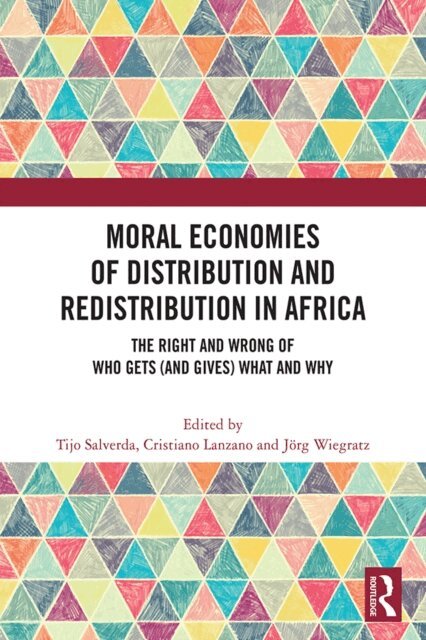
Moral Economies of Distribution and Redistribution in Africa
The Right and Wrong of Who Gets (and Gives) What and Why
Av Jorg Wiegratz, Cristiano Lanzano m. fl.
E-bok, 2025
1000 kr
Lägg i varukorg
This book examines how moralities of distribution and redistribution operate and intertwine in everyday African economic life, enhancing current understandings of capitalism on the continent. Through rich ethnographic studies spanning eight countries-Ghana, Nigeria, Burkina Faso, Equatorial Guinea, …
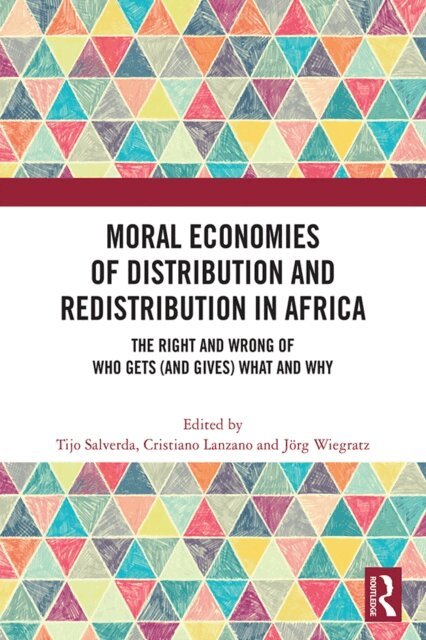
Moral Economies of Distribution and Redistribution in Africa
The Right and Wrong of Who Gets (and Gives) What and Why
Av Jorg Wiegratz, Cristiano Lanzano m. fl.
E-bok, 2025
1000 kr
Lägg i varukorg
This book examines how moralities of distribution and redistribution operate and intertwine in everyday African economic life, enhancing current understandings of capitalism on the continent. Through rich ethnographic studies spanning eight countries-Ghana, Nigeria, Burkina Faso, Equatorial Guinea, …
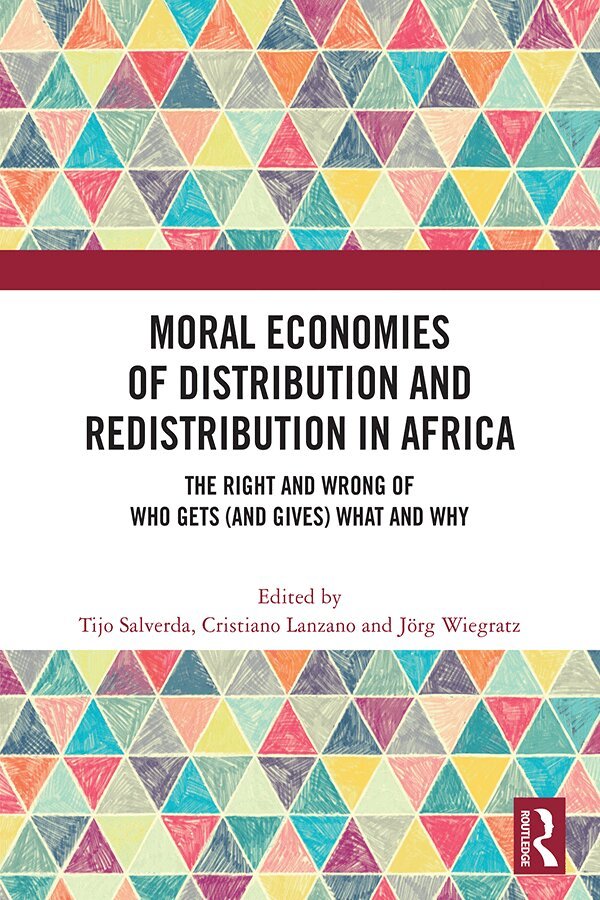
Moral Economies of Distribution and Redistribution in Africa
The Right and Wrong of Who Gets (and Gives) What and Why
Av Tijo Salverda, Cristiano Lanzano m. fl.
Inbunden, 2025
2591 kr
Lägg i varukorg
This book examines how moralities of distribution and redistribution operate and intertwine in everyday African economic life, enhancing current understandings of capitalism on the continent. Through rich ethnographic studies spanning eight countries—Ghana, Nigeria, Burkina Faso, Equatorial Guinea, …
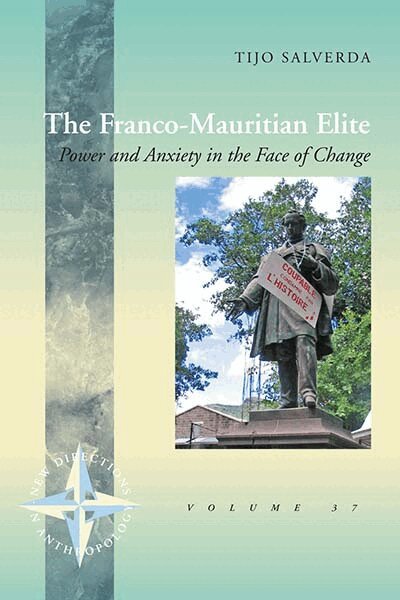
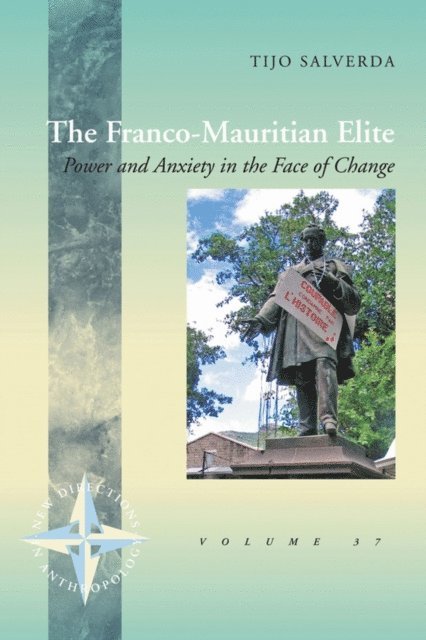
Franco-Mauritian Elite
Power and Anxiety in the Face of Change
Inbunden, 2015
1979 kr
Lägg i varukorg
Mauritian independence in 1968 marked the end of a regime favorable to the Franco-Mauritians, the island’s white colonial elite. Now, in postcolonial Mauritius, this group is faced with a much more diverse power constellation and often feels in competition with others vying for their privileges. …
Franco-Mauritian Elite
Power and Anxiety in the Face of Change
E-bok, 2015
335 kr
Lägg i varukorg
Mauritian independence in 1968 marked the end of a regime favorable to the Franco-Mauritians, the island’s white colonial elite. Now, in postcolonial Mauritius, this group is faced with a much more diverse power constellation and often feels in competition with others vying for their privileges. …