Tim Barlott - Böcker
Visar alla böcker från författaren Tim Barlott. Handla med fri frakt och snabb leverans.
4 produkter
4 produkter
885 kr
Skickas inom 10-15 vardagar
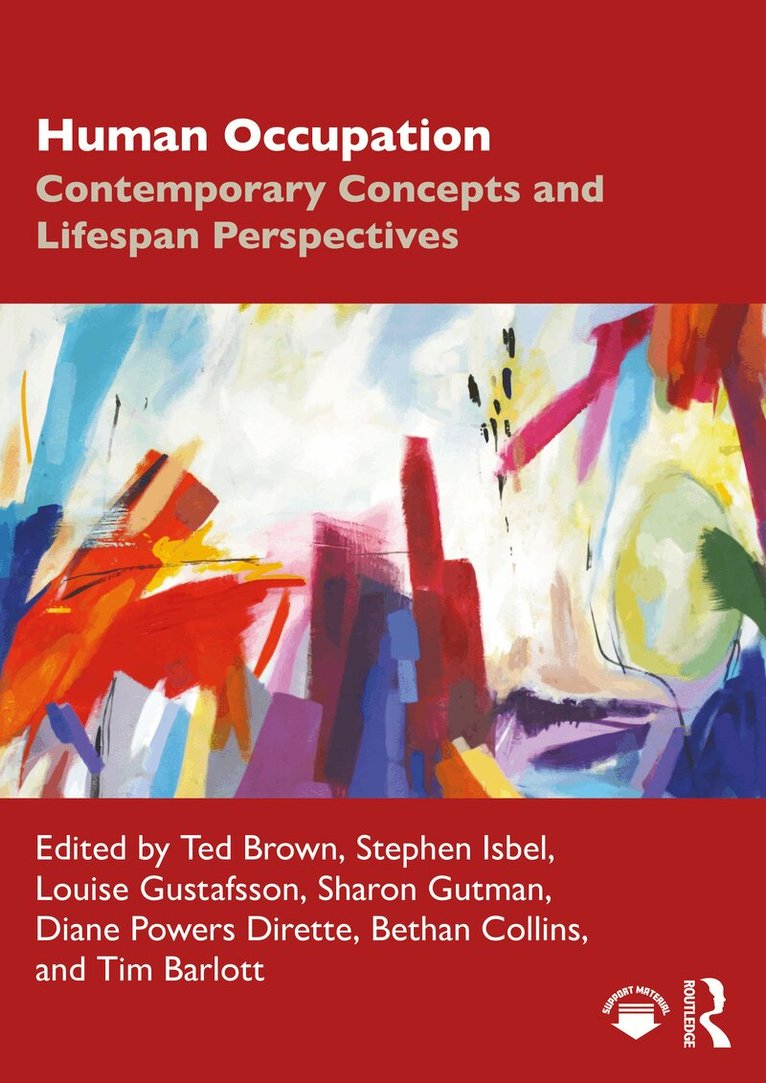
This comprehensive textbook provides occupational therapy and science students and practitioners with a complete overview of the key human occupation concepts, as well as a range of perspectives through which occupational therapy and occupational science can be viewed and understood.Comprising 40 chapters, the book is divided into five sections:Section 1: Overview of Human Occupation. Introducing the occupational therapy field and its conceptual landscape, including different models of therapeutic practice and practice reasoningSection 2: Contemporary Perspectives on Human Occupation. Including critical perspectives on disability and race and the philosophical foundations of occupational scienceSection 3: Principal Concepts. Explaining the conceptual language of human occupation across key person, social, psychological, physical, performance, and environmental issuesSection 4: Human Occupation across the Lifespan and Life Course. Covers human occupation from infancy to later adulthoodSection 5: Domains/Types of Human Occupation. From sleep to play, sexuality to social participation, and education to workUniquely international in scope, each chapter in this edited book includes learning objectives, key terms, summary dot points, review questions, and a list of additional online resources for readers to refer to. This is a complete resource for anyone beginning an occupational therapy course, clinicians seeking an accessible reference work to support their practice, or occupational scientists needing to refer to contemporary occupation-related concepts.Please note: Section 5 of this book can be accessed on the book's page on Routledge.com by clicking on 'Support Material', then the link to 'Routledge Resource Centre'. For the PowerPoint slides, please click on 'Instructor and Student Resources'.
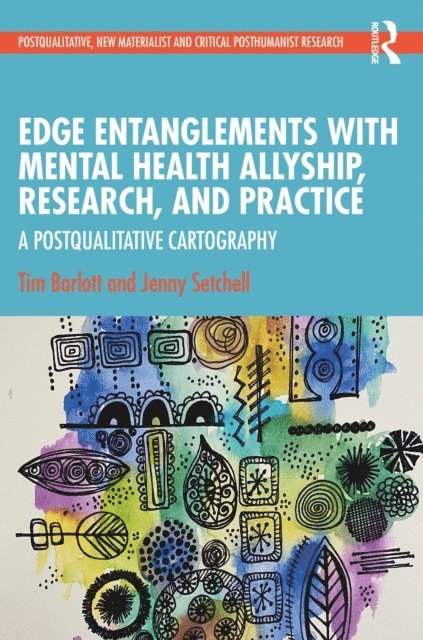
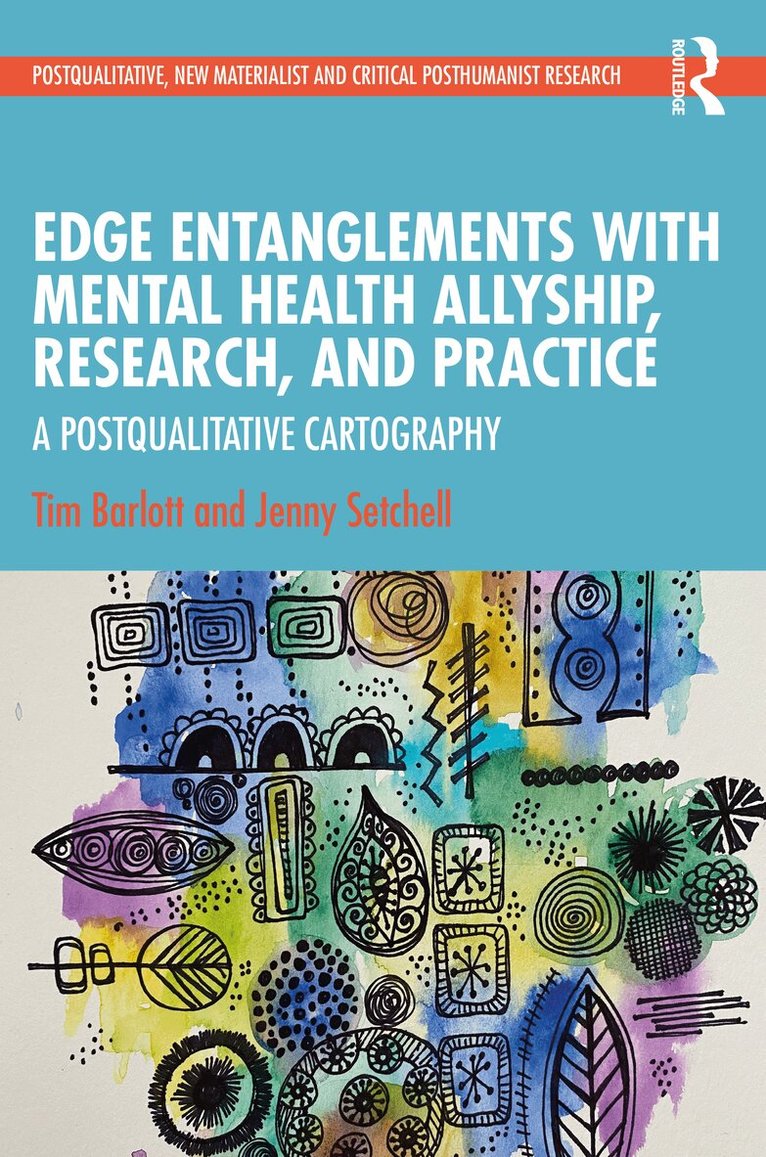
Edge Entanglements with Mental Health Allyship, Research, and Practice
A Postqualitative Cartography
Inbunden, Engelska, 2022
1 958 kr
Skickas inom 10-15 vardagar
Edge Entanglements traverses the borderlands of the community "mental health" sector by "plugging in" to concepts offered by Gilles Deleuze and Felix Guattari along with work from Mad Studies, postcolonial, and feminist scholars. Barlott and Setchell demonstrate what postqualitative inquiry can do, surfacing the transformative potential of freely-given relationships between psychiatrised people and allies in the community. Thinking with theory, the authors map the composition and generative processes of freely-given, ally relationships. Edge Entanglements surfaces how such relationships can unsettle constraints of the mental health sector and produce creative possibilities for psychiatrised people. Affectionately creating harmonies between theory and empirical "data," the authors sketch ally relationships in ways that move. Allyship is enacted through micropolitical processes of becoming-complicit: ongoing movement towards taking on the struggle of another as your own. Barlott and Setchell’s work offers both conceptual and practical insights into postqualitative experimentation, relationship-oriented mental health practice, and citizen activism that unsettles disciplinary boundaries. Ongoing, disruptive movements on the margins of the mental health sector – such as freely-given relationships – offer opportunities to be otherwise.Edge Entanglements is for people whose lives and practices are precariously interconnected with the mental health sector and are interested in doing things differently. This book is likely to be useful for novice and established (applied) new material and/or posthumanist scholars interested in postqualitative, theory-driven research; health practitioners seeking alternative or radical approaches to their work; and people interested in citizen advocacy, activism, and community organising in/out of the mental health sector.
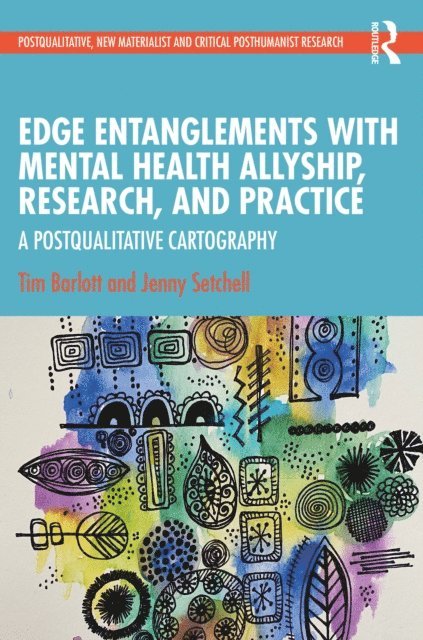
Edge Entanglements with Mental Health Allyship, Research, and Practice
A Postqualitative Cartography
Häftad, Engelska, 2022
592 kr
Skickas inom 10-15 vardagar
Edge Entanglements traverses the borderlands of the community "mental health" sector by "plugging in" to concepts offered by Gilles Deleuze and Felix Guattari along with work from Mad Studies, postcolonial, and feminist scholars. Barlott and Setchell demonstrate what postqualitative inquiry can do, surfacing the transformative potential of freely-given relationships between psychiatrised people and allies in the community. Thinking with theory, the authors map the composition and generative processes of freely-given, ally relationships. Edge Entanglements surfaces how such relationships can unsettle constraints of the mental health sector and produce creative possibilities for psychiatrised people. Affectionately creating harmonies between theory and empirical "data," the authors sketch ally relationships in ways that move. Allyship is enacted through micropolitical processes of becoming-complicit: ongoing movement towards taking on the struggle of another as your own. Barlott and Setchell’s work offers both conceptual and practical insights into postqualitative experimentation, relationship-oriented mental health practice, and citizen activism that unsettles disciplinary boundaries. Ongoing, disruptive movements on the margins of the mental health sector – such as freely-given relationships – offer opportunities to be otherwise.Edge Entanglements is for people whose lives and practices are precariously interconnected with the mental health sector and are interested in doing things differently. This book is likely to be useful for novice and established (applied) new material and/or posthumanist scholars interested in postqualitative, theory-driven research; health practitioners seeking alternative or radical approaches to their work; and people interested in citizen advocacy, activism, and community organising in/out of the mental health sector.
2 585 kr
Skickas inom 10-15 vardagar
This comprehensive textbook provides occupational therapy and science students and practitioners with a complete overview of the key human occupation concepts, as well as a range of perspectives through which occupational therapy and occupational science can be viewed and understood.Comprising 40 chapters, the book is divided into five sections:Section 1: Overview of Human Occupation. Introducing the occupational therapy field and its conceptual landscape, including different models of therapeutic practice and practice reasoningSection 2: Contemporary Perspectives on Human Occupation. Including critical perspectives on disability and race and the philosophical foundations of occupational scienceSection 3: Principal Concepts. Explaining the conceptual language of human occupation across key person, social, psychological, physical, performance, and environmental issuesSection 4: Human Occupation across the Lifespan and Life Course. Covers human occupation from infancy to later adulthoodSection 5: Domains/Types of Human Occupation. From sleep to play, sexuality to social participation, and education to workUniquely international in scope, each chapter in this edited book includes learning objectives, key terms, summary dot points, review questions, and a list of additional online resources for readers to refer to. This is a complete resource for anyone beginning an occupational therapy course, clinicians seeking an accessible reference work to support their practice, or occupational scientists needing to refer to contemporary occupation-related concepts.Please note: Section 5 of this book can be accessed on the book's page on Routledge.com by clicking on 'Support Material', then the link to 'Routledge Resource Centre'. For the PowerPoint slides, please click on 'Instructor and Student Resources'.