Tim Button – författare
Visar alla böcker från författaren . Handla med fri frakt och snabb leverans.
10 produkter
10 produkter
E-bok
PDF, Engelska, 2013481 kr
Läs direkt efter köp
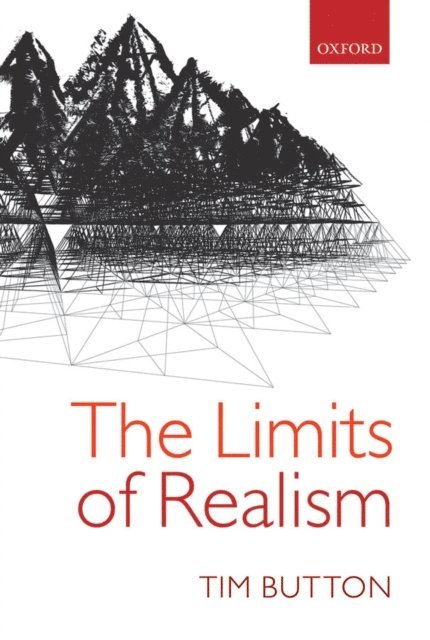
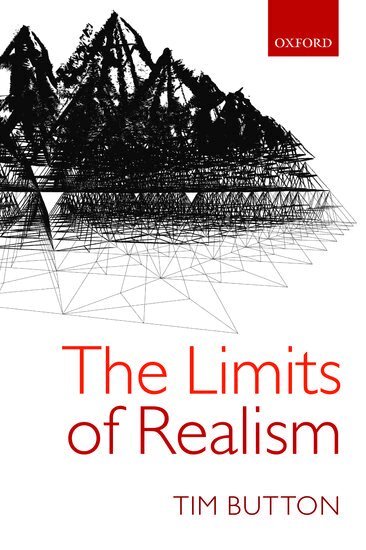
Tim Button explores the relationship between words and world; between semantics and scepticism. A certain kind of philosopherthe external realistworries that appearances might be radically deceptive; we might all, for example, be brains in vats, stimulated by an infernal machine. But anyone who entertains the possibility of radical deception must also entertain a further worry: that all of our thoughts are totally contentless. That worry is just incoherent. Wecannot, then, be external realists, who worry about the possibility of radical deception. Equally, though, we cannot be internal realists, who reject all possibility of deception. We must position ourselves somewhere between internal realism and external realism, but we cannot hope to say exactly where. Wemust be realists, for what that is worth, and realists within limits. In establishing these claims, Button critically explores and develops several themes from Hilary Putnam''s work: the model-theoretic arguments; the connection between truth and justification; the brain-in-vat argument; semantic externalism; and conceptual relativity. The Limits of Realism establishes the continued significance of these topics for all philosophers interested in mind, logic, language, or the possibility ofmetaphysics.
E-bok
PDF, Engelska, 2018459 kr
Läs direkt efter köp
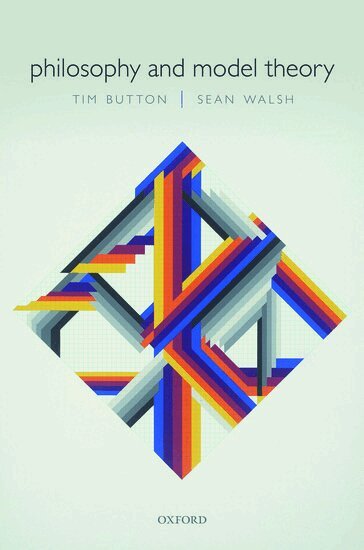
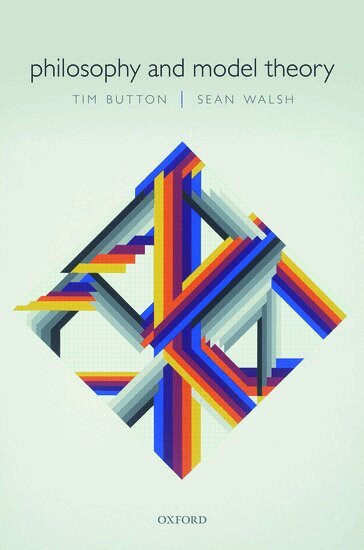
Model theory is used in every theoretical branch of analytic philosophy: in philosophy of mathematics, in philosophy of science, in philosophy of language, in philosophical logic, and in metaphysics.But these wide-ranging uses of model theory have created a highly fragmented literature. On the one hand, many philosophically significant results are found only in mathematics textbooks: these are aimed squarely at mathematicians; they typically presuppose that the reader has a serious background in mathematics; and little clue is given as to their philosophical significance. On the other hand, the philosophical applications of these results are scattered across disconnected pockets ofpapers.The first aim of this book, then, is to explore the philosophical uses of model theory, focusing on the central topics of reference, realism, and doxology. Its second aim is to address important questions in the philosophy of model theory, such as: sameness of theories and structure, the boundaries of logic, and the classification of mathematical structures.Philosophy and Model Theory will be accessible to anyone who has completed an introductory logic course. It does not assume that readers have encountered model theory before, but starts right at the beginning, discussing philosophical issues that arise even with conceptually basic model theory. Moreover, the book is largely self-contained: model-theoretic notions are defined as and when they are needed for the philosophical discussion, and many of the most philosophically significantresults are given accessible proofs.
Häftad, Engelska, 2015
547 kr
Skickas inom 7-10 vardagar
Tim Button explores the relationship between words and world; between semantics and scepticism. A certain kind of philosopherthe external realistworries that appearances might be radically deceptive; we might all, for example, be brains in vats, stimulated by an infernal machine. But anyone who entertains the possibility of radical deception must also entertain a further worry: that all of our thoughts are totally contentless. That worry is just incoherent. We cannot, then, be external realists, who worry about the possibility of radical deception. Equally, though, we cannot be internal realists, who reject all possibility of deception. We must position ourselves somewhere between internal realism and external realism, but we cannot hope to say exactly where. We must be realists, for what that is worth, and realists within limits. In establishing these claims, Button critically explores and develops several themes from Hilary Putnam's work: the model-theoretic arguments; the connection between truth and justification; the brain-in-vat argument; semantic externalism; and conceptual relativity. The Limits of Realism establishes the continued significance of these topics for all philosophers interested in mind, logic, language, or the possibility of metaphysics.
Inbunden, Engelska, 2018
2 640 kr
Skickas inom 5-8 vardagar
Model theory is used in every theoretical branch of analytic philosophy: in philosophy of mathematics, in philosophy of science, in philosophy of language, in philosophical logic, and in metaphysics.But these wide-ranging uses of model theory have created a highly fragmented literature. On the one hand, many philosophically significant results are found only in mathematics textbooks: these are aimed squarely at mathematicians; they typically presuppose that the reader has a serious background in mathematics; and little clue is given as to their philosophical significance. On the other hand, the philosophical applications of these results are scattered across disconnected pockets of papers.The first aim of this book, then, is to explore the philosophical uses of model theory, focusing on the central topics of reference, realism, and doxology. Its second aim is to address important questions in the philosophy of model theory, such as: sameness of theories and structure, the boundaries of logic, and the classification of mathematical structures. Philosophy and Model Theory will be accessible to anyone who has completed an introductory logic course. It does not assume that readers have encountered model theory before, but starts right at the beginning, discussing philosophical issues that arise even with conceptually basic model theory. Moreover, the book is largely self-contained: model-theoretic notions are defined as and when they are needed for the philosophical discussion, and many of the most philosophically significant results are given accessible proofs.
Häftad, Engelska, 2018
594 kr
Model theory is used in every theoretical branch of analytic philosophy: in philosophy of mathematics, in philosophy of science, in philosophy of language, in philosophical logic, and in metaphysics.But these wide-ranging uses of model theory have created a highly fragmented literature. On the one hand, many philosophically significant results are found only in mathematics textbooks: these are aimed squarely at mathematicians; they typically presuppose that the reader has a serious background in mathematics; and little clue is given as to their philosophical significance. On the other hand, the philosophical applications of these results are scattered across disconnected pockets of papers.The first aim of this book, then, is to explore the philosophical uses of model theory, focusing on the central topics of reference, realism, and doxology. Its second aim is to address important questions in the philosophy of model theory, such as: sameness of theories and structure, the boundaries of logic, and the classification of mathematical structures. Philosophy and Model Theory will be accessible to anyone who has completed an introductory logic course. It does not assume that readers have encountered model theory before, but starts right at the beginning, discussing philosophical issues that arise even with conceptually basic model theory. Moreover, the book is largely self-contained: model-theoretic notions are defined as and when they are needed for the philosophical discussion, and many of the most philosophically significant results are given accessible proofs.
Inbunden, Engelska, 2013
2 062 kr
Skickas inom 5-8 vardagar
Tim Button explores the relationship between words and world; between semantics and scepticism.A certain kind of philosopher--the external realist--worries that appearances might be radically deceptive; we might all, for example, be brains in vats, stimulated by an infernal machine. But anyone who entertains the possibility of radical deception must also entertain a further worry: that all of our thoughts are totally contentless. That worry is just incoherent.We cannot, then, be external realists, who worry about the possibility of radical deception. Equally, though, we cannot be internal realists, who reject all possibility of deception. We must position ourselves somewhere between internal realism and external realism, but we cannot hope to say exactly where. We must be realists, for what that is worth, and realists within limits.In establishing these claims, Button critically explores and develops several themes from Hilary Putnam's work: the model-theoretic arguments; the connection between truth and justification; the brain-in-vat argument; semantic externalism; and conceptual relativity. The Limits of Realism establishes the continued significance of these topics for all philosophers interested in mind, logic, language, or the possibility of metaphysics.
Kartonnage, Engelska, 2026, 0-3 år
215 kr
Skickas inom 3-6 vardagar
Kartonnage, Engelska, 2024, 0-3 år
122 kr
Skickas
Kartonnage, Engelska, 2026, 0-3 år
106 kr
Skickas
Kartonnage, Engelska, 2023
108 kr
Tillfälligt slut