Tim Buxbaum – författare
Visar alla böcker från författaren Tim Buxbaum. Handla med fri frakt och snabb leverans.
4 produkter
4 produkter
Del 341 - Shire Library
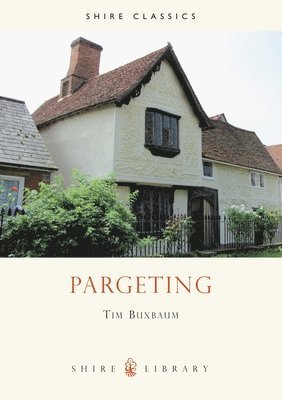
Pargeting
Häftad, Engelska, 2007
89 kr
Skickas inom 10-15 vardagar
Pargeting is the decoration of plastered and rendered finishes on the outside of a building. Today it is associated mainly with East Anglia, but there is a revival of interest in the technique. This study describes how craftsmen are being commissioned to renew their acquaintance with pargeting.
Del 769 - Shire Library
Icehouses
Häftad, Engelska, 2014
100 kr
Skickas inom 10-15 vardagar
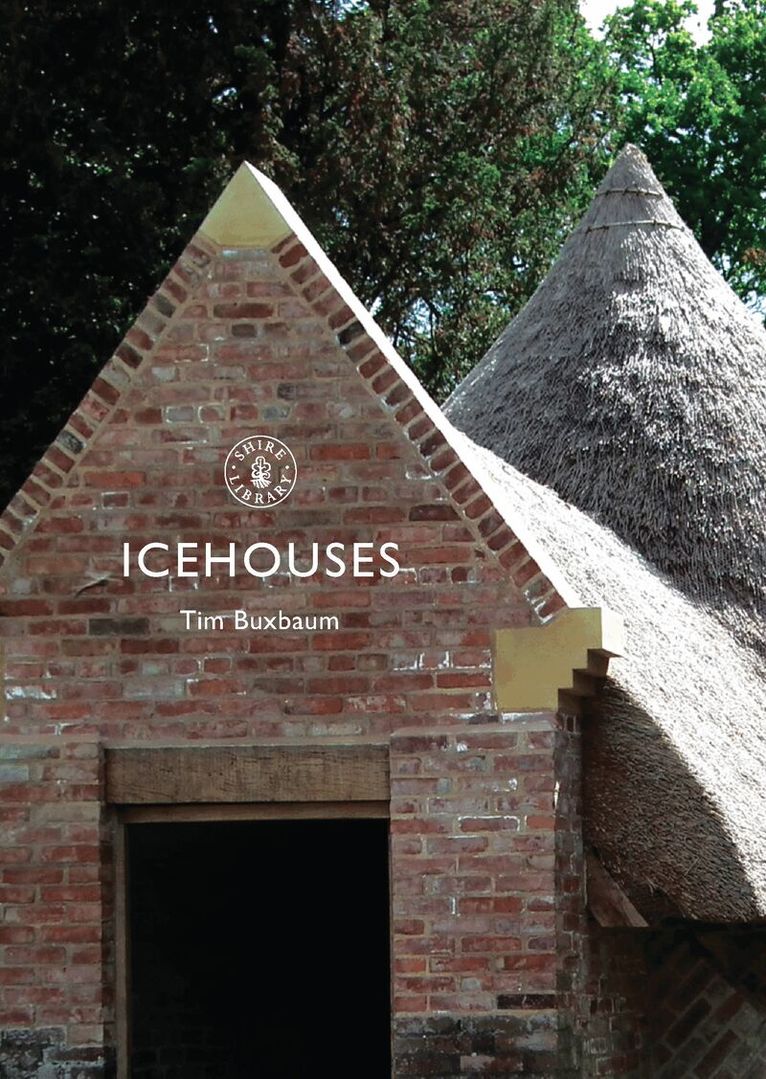
Often hidden away or incorporated into other architectural features, icehouses are a largely forgotten part of our heritage.As winters warmed through the nineteenth century, and supplies of natural ice declined, the development of artificial refrigeration made redundant these curious buildings – often status symbols in themselves – which had been designed to store winter snow and ice into the summer.Icehouses allowed perishables to be preserved, chilled delicacies to be enjoyed, and fevers to be relieved – and on a commercial scale they fed an international trade that carried snow from mountain peaks and ice from frozen lakes to supply the needs of industry, markets and householders.In this illustrated introduction, Tim Buxbaum explains how icehouses developed; how, when and where they were built; and how they operated, including a chapter on icehouses from around the world.
Del 769 - Shire Library
Icehouses
E-bok
Engelska, 201498 kr
Läs direkt efter köp
Often hidden away or incorporated into other architectural features, icehouses are a largely forgotten part of our heritage. As winters warmed through the nineteenth century, and supplies of natural ice declined, the development of artificial refrigeration made redundant these curious buildings – often status symbols in themselves – which had been designed to store winter snow and ice into the summer. Icehouses allowed perishables to be preserved, chilled delicacies to be enjoyed, and fevers to be relieved – and on a commercial scale they fed an international trade that carried snow from mountain peaks and ice from frozen lakes to supply the needs of industry, markets and householders. In this illustrated introduction, Tim Buxbaum explains how icehouses developed; how, when and where they were built; and how they operated, including a chapter on icehouses from around the world.
Del 769 - Shire Library
Icehouses
E-bok
PDF, Engelska, 201495 kr
Läs direkt efter köp
Often hidden away or incorporated into other architectural features, icehouses are a largely forgotten part of our heritage. As winters warmed through the nineteenth century, and supplies of natural ice declined, the development of artificial refrigeration made redundant these curious buildings – often status symbols in themselves – which had been designed to store winter snow and ice into the summer. Icehouses allowed perishables to be preserved, chilled delicacies to be enjoyed, and fevers to be relieved – and on a commercial scale they fed an international trade that carried snow from mountain peaks and ice from frozen lakes to supply the needs of industry, markets and householders. In this illustrated introduction, Tim Buxbaum explains how icehouses developed; how, when and where they were built; and how they operated, including a chapter on icehouses from around the world.