Tim Crane – författare
Visar alla böcker från författaren Tim Crane. Handla med fri frakt och snabb leverans.
20 produkter
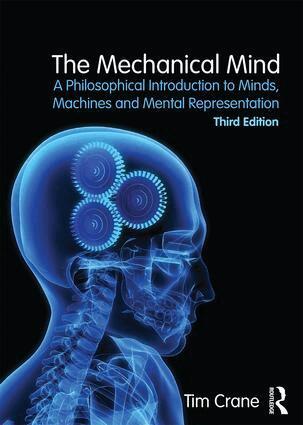
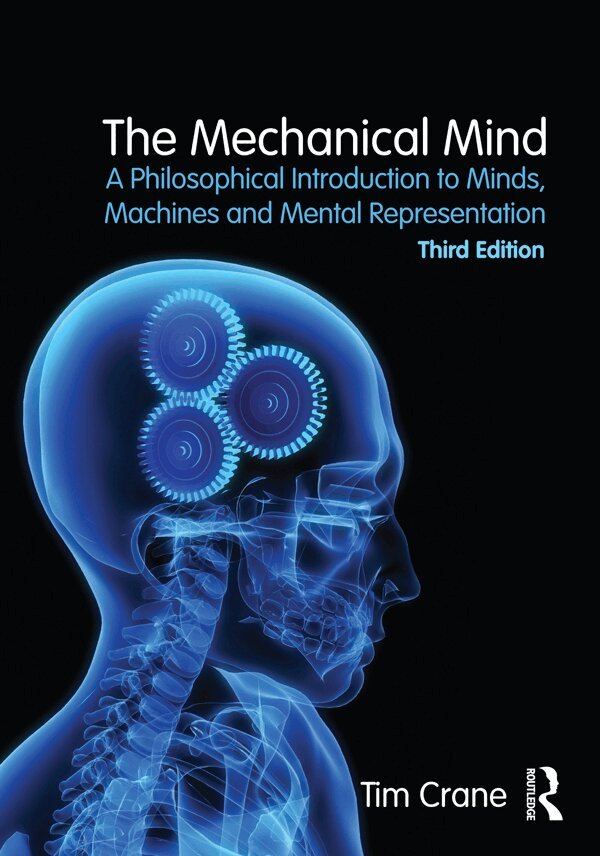
Mechanical Mind
A Philosophical Introduction to Minds, Machines and Mental Representation
Av Tim Crane
Häftad, 2015
634 kr
Lägg i varukorg
How can the human mind represent the external world? What is thought, and can it be studied scientifically? Should we think of the mind as a kind of machine? Is the mind a computer? Can a computer think? Tim Crane sets out to answer these questions and more in a lively and straightforward way, …
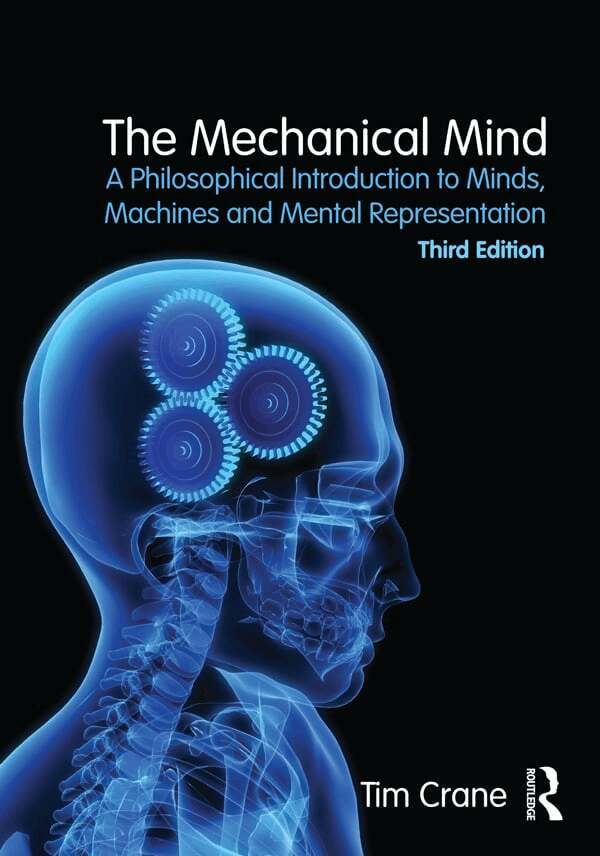
Mechanical Mind
A Philosophical Introduction to Minds, Machines and Mental Representation
Av Tim Crane
Inbunden, 2015
2746 kr
Lägg i varukorg
How can the human mind represent the external world? What is thought, and can it be studied scientifically? Should we think of the mind as a kind of machine? Is the mind a computer? Can a computer think? Tim Crane sets out to answer these questions and more in a lively and straightforward way, …
Objects of Thought
Av Tim Crane
E-bok, 2013
459 kr
Lägg i varukorg
The Objects of Thought addresses the ancient question of how it is possible to think about what does not exist. Tim Crane argues that the representation of the non-existent is a pervasive feature of our thought about the world, and that we will not adequately understand thought''s representational …
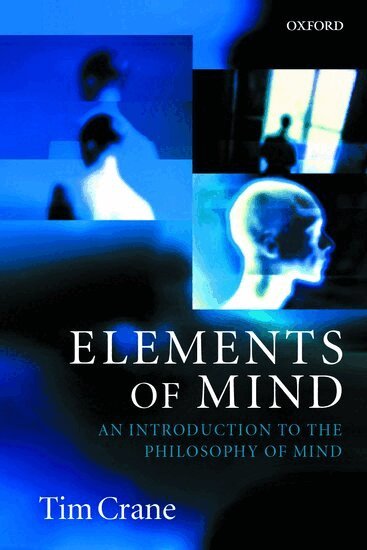
Elements of Mind
An Introduction to the Philosophy of Mind
Av Tim Crane
Häftad, 2001
4,0 utav 5 stjärnor. Totalt antal röster: (1)
1078 kr
Lägg i varukorg
This accessible and lively introduction considers the main problems and debates in contemporary philosophy of mind. The central theme of the book is that intentionality, or the mind's direction upon its objects - sometimes described as the mind's power to represent or be 'about' things - is the …
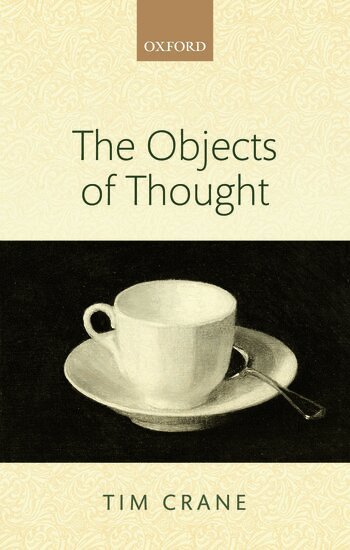
The Objects of Thought
Av Tim Crane
Häftad, 2015
675 kr
Lägg i varukorg
The Objects of Thought addresses the ancient question of how it is possible to think about what does not exist. Tim Crane argues that the representation of the non-existent is a pervasive feature of our thought about the world, and that we will not adequately understand thought's representational …
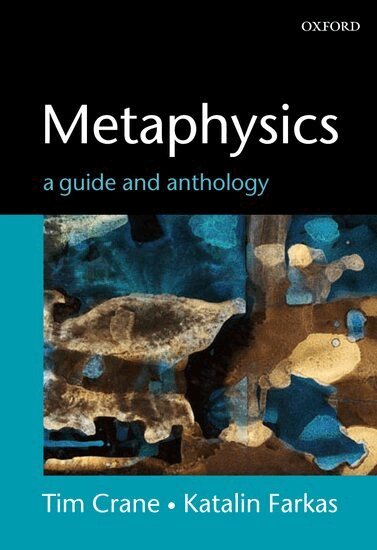
Metaphysics: A Guide and Anthology
Häftad, 2004
653 kr
Lägg i varukorg
This anthology provides an extensive and varied collection of the best classical and contemporary readings in metaphysics, as well as substantial editorial material, which set the extracts in context and guide the reader through them. The book is divided into 10 sections, providing instructors with …
The Objects of Thought
Av Tim Crane
Inbunden, 2013
1233 kr
Lägg i varukorg
The Objects of Thought addresses the ancient question of how it is possible to think about what does not exist. Tim Crane argues that the representation of the non-existent is a pervasive feature of our thought about the world, and that we will not adequately understand thought's representational …
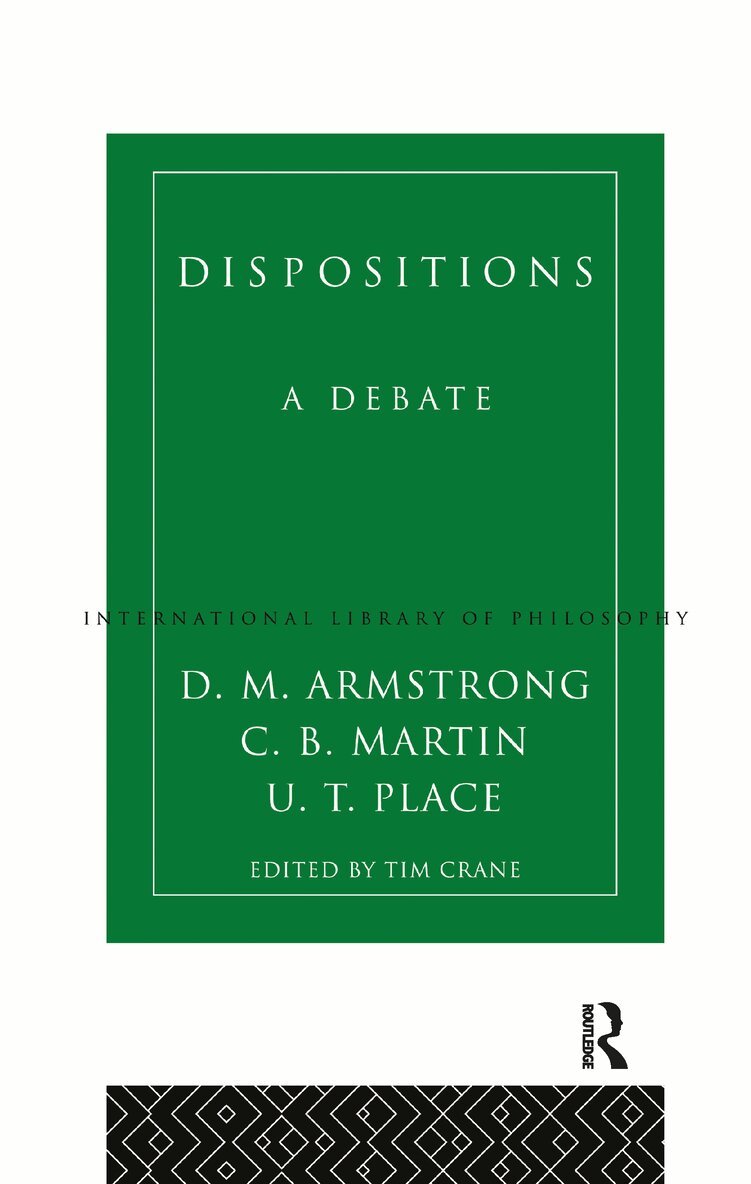
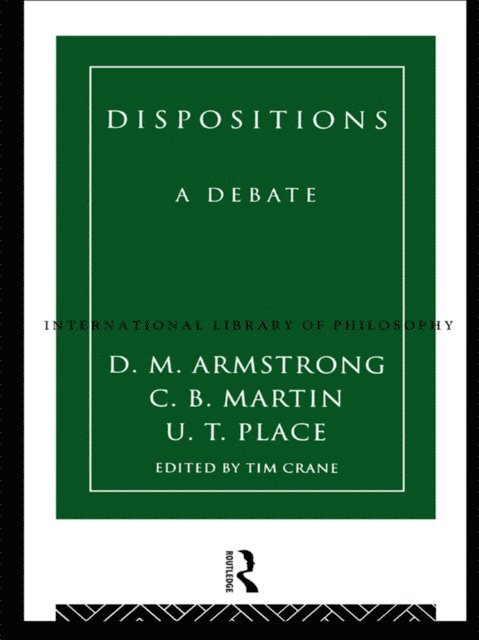
Dispositions
A Debate
Av D.M. Armstrong, C.B. Martin m. fl.
Inbunden, 1996
2513 kr
Lägg i varukorg
Dispositions are essential to our understanding of the world. Dispositions: A Debate is an extended dialogue between three distinguished philosophers - D.M. Armstrong, C.B. Martin and U.T. Place - on the many problems associated with dispositions, which reveals their own distinctive accounts of the …
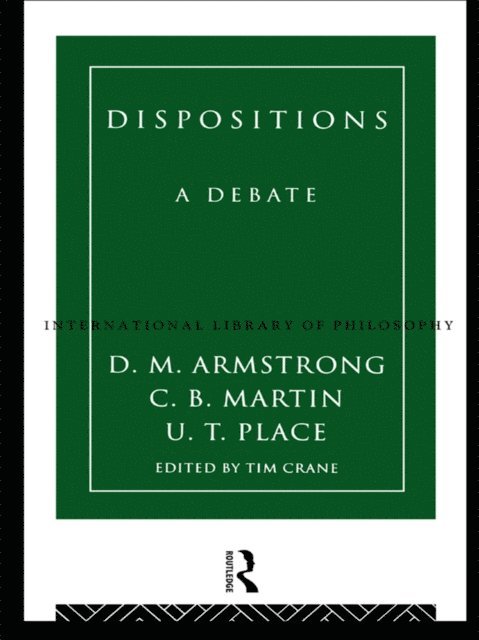
Dispositions
A Debate
Av D.M. Armstrong, C.B. Martin m. fl.
Häftad, 2014
852 kr
Lägg i varukorg
Dispositions are essential to our understanding of the world. Dispositions: A Debate is an extended dialogue between three distinguished philosophers - D.M. Armstrong, C.B. Martin and U.T. Place - on the many problems associated with dispositions, which reveals their own distinctive accounts of the …
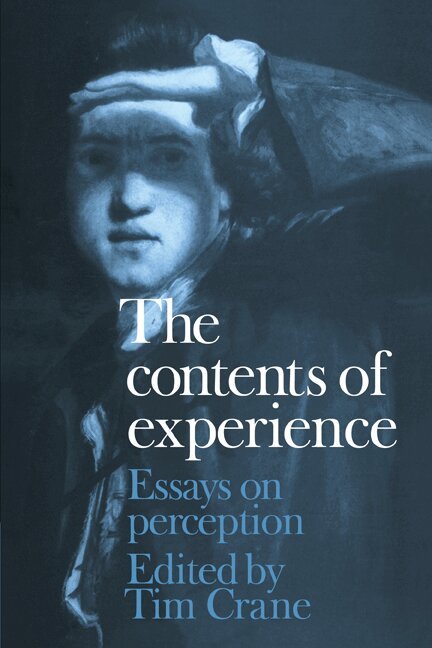
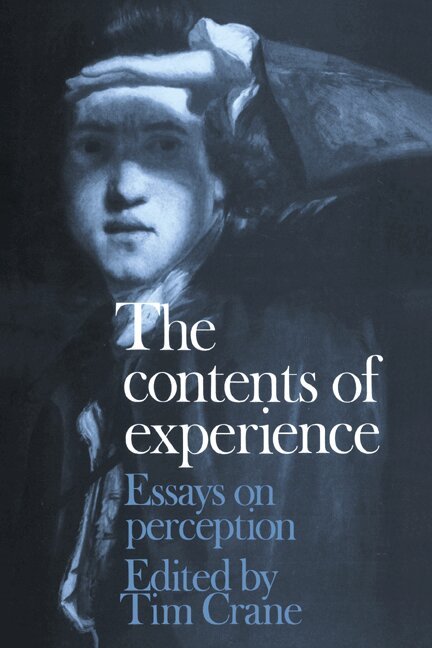
The Contents of Experience
Essays on Perception
Av Tim Crane
Häftad, 2011
732 kr
Lägg i varukorg
The nature of perception has long been a central question in philosophy. It is of crucial importance not just in the philosophy of mind, but also in epistemology, metaphysics, aesthetics, and the philosophy of science. The essays in this 1992 volume not only offer fresh answers to some of the …
The Contents of Experience
Essays on Perception
Av Tim Crane
Inbunden, 1992
1628 kr
Lägg i varukorg
The nature of perception has long been a central question in philosophy. It is of crucial importance not just in the philosophy of mind, but also in epistemology, metaphysics, aesthetics, and the philosophy of science. The essays in this 1992 volume not only offer fresh answers to some of the …
Meaning of Belief
Religion from an Atheist’s Point of View
Av Tim Crane
Inbunden, 2017
263 kr
Lägg i varukorg
“[A] lucid and thoughtful book… In a spirit of reconciliation, Crane proposes to paint a more accurate picture of religion for his fellow unbelievers.” —James Ryerson, New York Times Book ReviewContemporary debate about religion seems to be going nowhere. Atheists persist with their arguments, many …
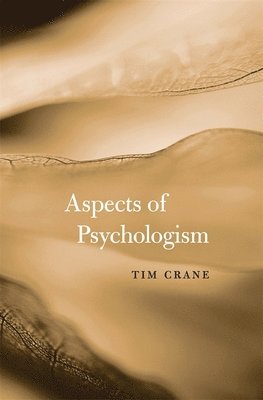
Aspects of Psychologism
Av Tim Crane
Inbunden, 2014
554 kr
Lägg i varukorg
Aspects of Psychologism is a penetrating look into fundamental philosophical questions of consciousness, perception, and the experience we have of our mental lives. Psychologism, in Tim Crane's formulation, presents the mind as a single subject-matter to be investigated not only empirically and …
Dispositions
A Debate
Av U.T. Place, C.B. Martin m. fl.
E-bok, 2002
1004 kr
Lägg i varukorg
Dispositions are essential to our understanding of the world. Dispositions: A Debate is an extended dialogue between three distinguished philosophers - D.M. Armstrong, C.B. Martin and U.T. Place - on the many problems associated with dispositions, which reveals their own distinctive accounts of the …
Dispositions
A Debate
Av U.T. Place, C.B. Martin m. fl.
E-bok, 2002
975 kr
Lägg i varukorg
Dispositions are essential to our understanding of the world. Dispositions: A Debate is an extended dialogue between three distinguished philosophers - D.M. Armstrong, C.B. Martin and U.T. Place - on the many problems associated with dispositions, which reveals their own distinctive accounts of the …
Mechanical Mind
A Philosophical Introduction to Minds, Machines and Mental Representation
Av Tim Crane
E-bok, 2015
710 kr
Lägg i varukorg
How can the human mind represent the external world? What is thought, and can it be studied scientifically? Should we think of the mind as a kind of machine? Is the mind a computer? Can a computer think? Tim Crane sets out to answer these questions and more in a lively and straightforward way, …
Mechanical Mind
A Philosophical Introduction to Minds, Machines and Mental Representation
Av Tim Crane
E-bok, 2015
710 kr
Lägg i varukorg
How can the human mind represent the external world? What is thought, and can it be studied scientifically? Should we think of the mind as a kind of machine? Is the mind a computer? Can a computer think? Tim Crane sets out to answer these questions and more in a lively and straightforward way, …
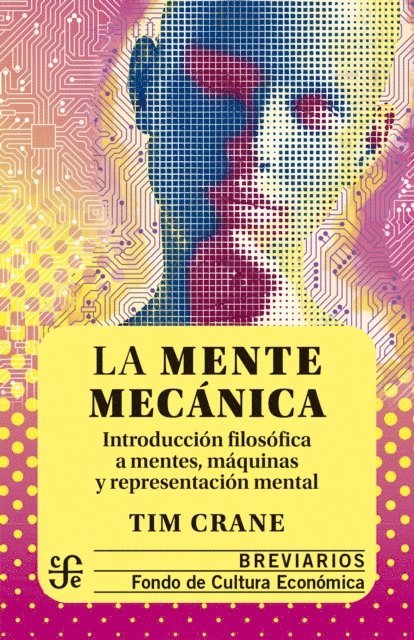
La mente mecanica
Introducción filosófica a mentes, máquinas y representación mental
Av Tim Crane
E-bok, 2023
51 kr
Lägg i varukorg
Escrita en un lenguaje claro y ameno, la obra explica con detalle en qué consiste el problema de la representación mental, qué son y cómo funcionan las computadoras, qué son los pensamientos y cómo podrían producirlos tanto las mentes como las computadoras. El resultado es una fascinante …