Tim Lanzendörfer - Böcker
Visar alla böcker från författaren Tim Lanzendörfer. Handla med fri frakt och snabb leverans.
16 produkter
16 produkter
3 754 kr
Skickas inom 10-15 vardagar
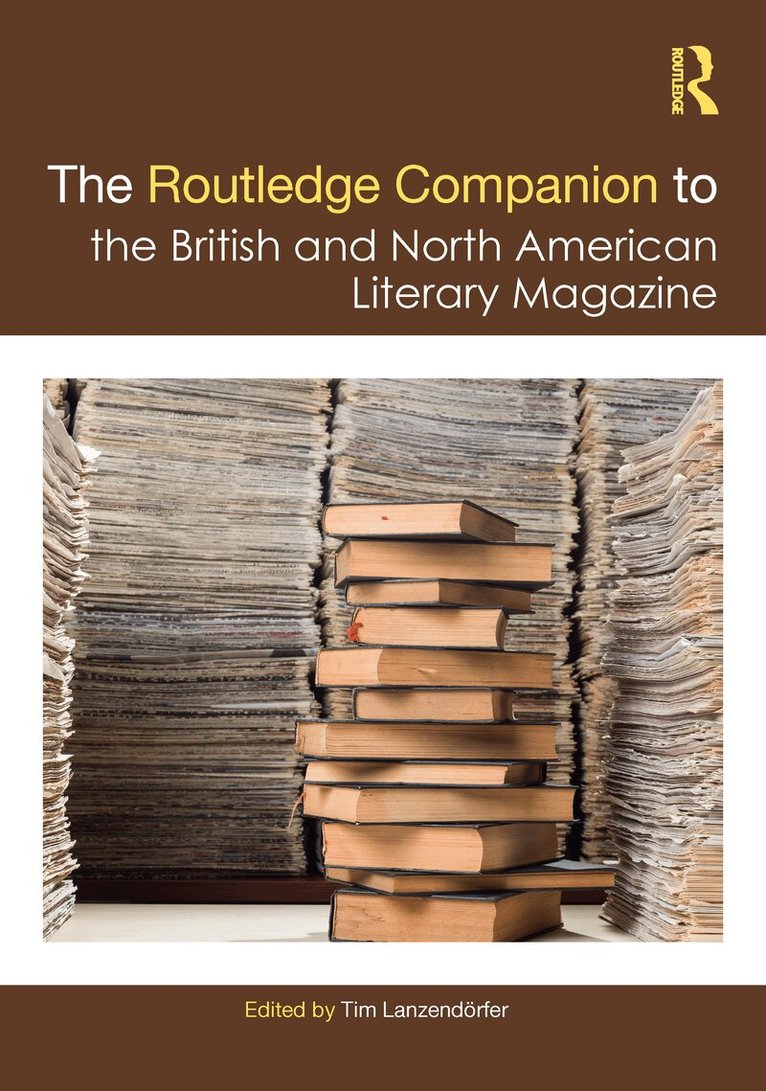
Encompassing a broad definition of the topic, this Companion provides a survey of the literary magazine from its earliest days to the contemporary moment. It offers a comprehensive theorization of the literary magazine in the wake of developments in periodical studies in the last decade, bringing together a wide variety of approaches and concerns.With its distinctive chronological and geographical scope, this volume sheds new light on the possibilities and difficulties of the concept of the literary magazine, balancing a comprehensive overview of key themes and examples with greater attention to new approaches to magazine research.Divided into three main sections, this book offers:• Theory—it investigates definitions and limits of what a literary magazine is and what it does.• History and regionalism—a very broad historical and geographic sweep draws new connections and offers expanded definitions.• Case studies—these range from key modernist little magazines and the popular middlebrow to pulp fiction, comics, and digital ventures, widening the ambit of the literary magazine.The Routledge Companion to the British and North American Literary Magazine offers new and unforeseen cross-connections across the long history of literary periodicals, highlighting the ways in which it allows us to trace such ideas as the “literary” as well as notions of what magazines do in a culture.
740 kr
Skickas inom 10-15 vardagar
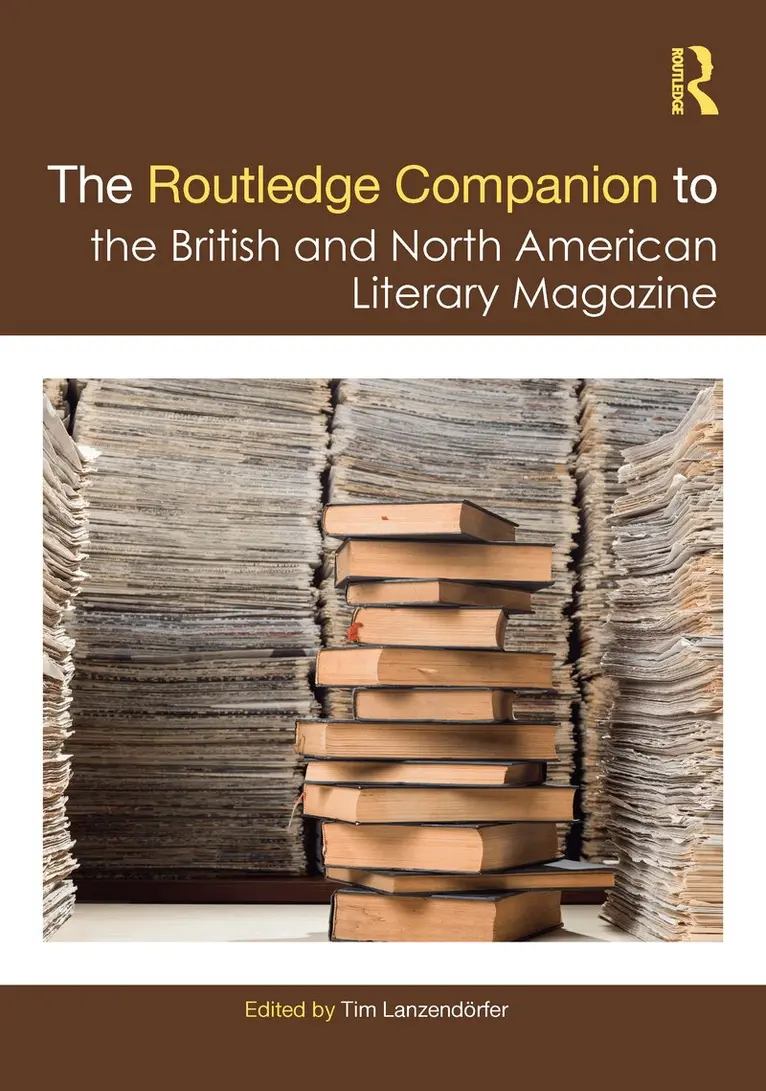
Encompassing a broad definition of the topic, this Companion provides a survey of the literary magazine from its earliest days to the contemporary moment. It offers a comprehensive theorization of the literary magazine in the wake of developments in periodical studies in the last decade, bringing together a wide variety of approaches and concerns.With its distinctive chronological and geographical scope, this volume sheds new light on the possibilities and difficulties of the concept of the literary magazine, balancing a comprehensive overview of key themes and examples with greater attention to new approaches to magazine research.Divided into three main sections, this book offers:• Theory—it investigates definitions and limits of what a literary magazine is and what it does.• History and regionalism—a very broad historical and geographic sweep draws new connections and offers expanded definitions.• Case studies—these range from key modernist little magazines and the popular middlebrow to pulp fiction, comics, and digital ventures, widening the ambit of the literary magazine.The Routledge Companion to the British and North American Literary Magazine offers new and unforeseen cross-connections across the long history of literary periodicals, highlighting the ways in which it allows us to trace such ideas as the “literary” as well as notions of what magazines do in a culture.
2 401 kr
Skickas inom 10-15 vardagar
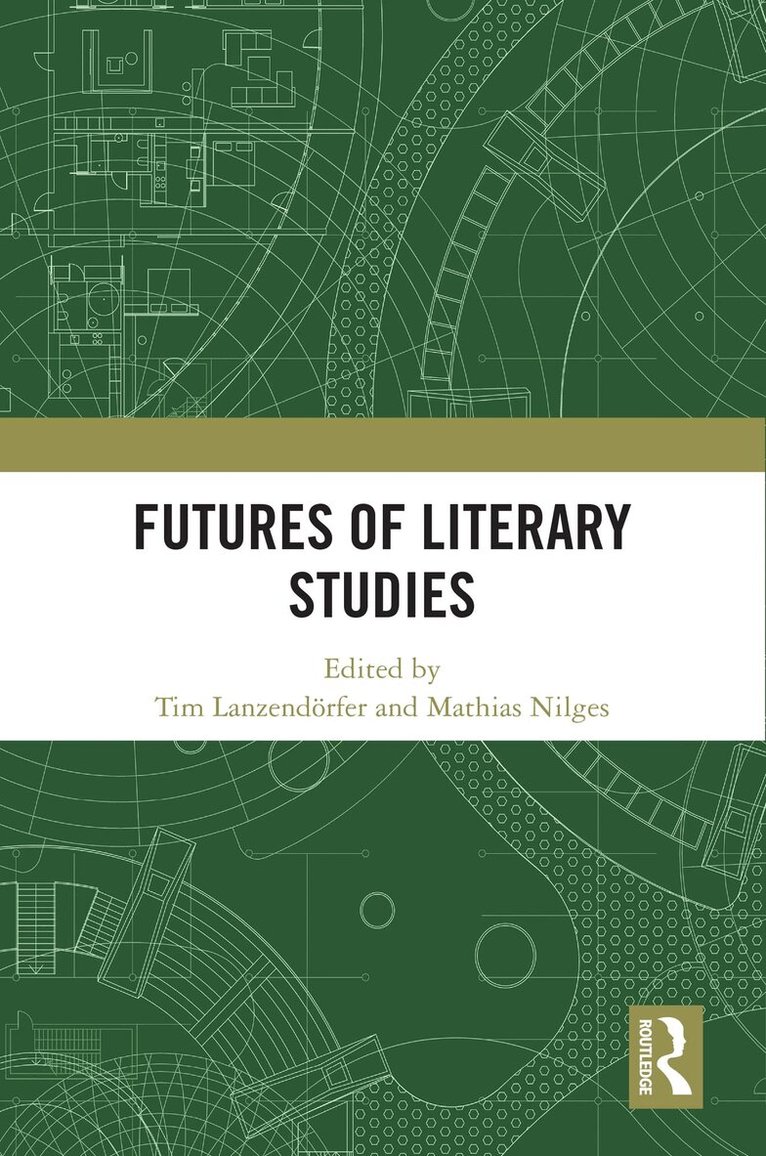
This book brings together essays that ask how one may chart more productive engagements with the methodological foundations of literary studies, a discipline that is finding itself in a moment of severe crisis. The temptation to reduce methodological debates to method wars constitutes one of the main obstacles for what ought to be the common goal of our discipline: to articulate the possible and indeed necessary futures of literary studies.How do we think about the future of literary studies in the funerary climate that has engendered the belief that we need to fight our internal wars for survival? How might (must?) our understanding of what literary criticism is and does change? How do we formulate possible futures for literary studies while grappling with the significant problems that our present poses? The chapters in this volume stage hopeful interventions that seek to contribute to the effort to explore the futures of literary studies by way of and conceived as a collective endeavor. Together, the authors advance a call for better, more useful, more active, more networked, and, yes, even for abandoned versions of the always multiple and joyously contradictory discipline that is called literary studies.This book will be beneficial to students and scholars of English literature, literary theory and literary studies. The chapters in this book were originally published as a special issue of Textual Practice and are accompanied by a new Preface.
725 kr
Skickas inom 10-15 vardagar
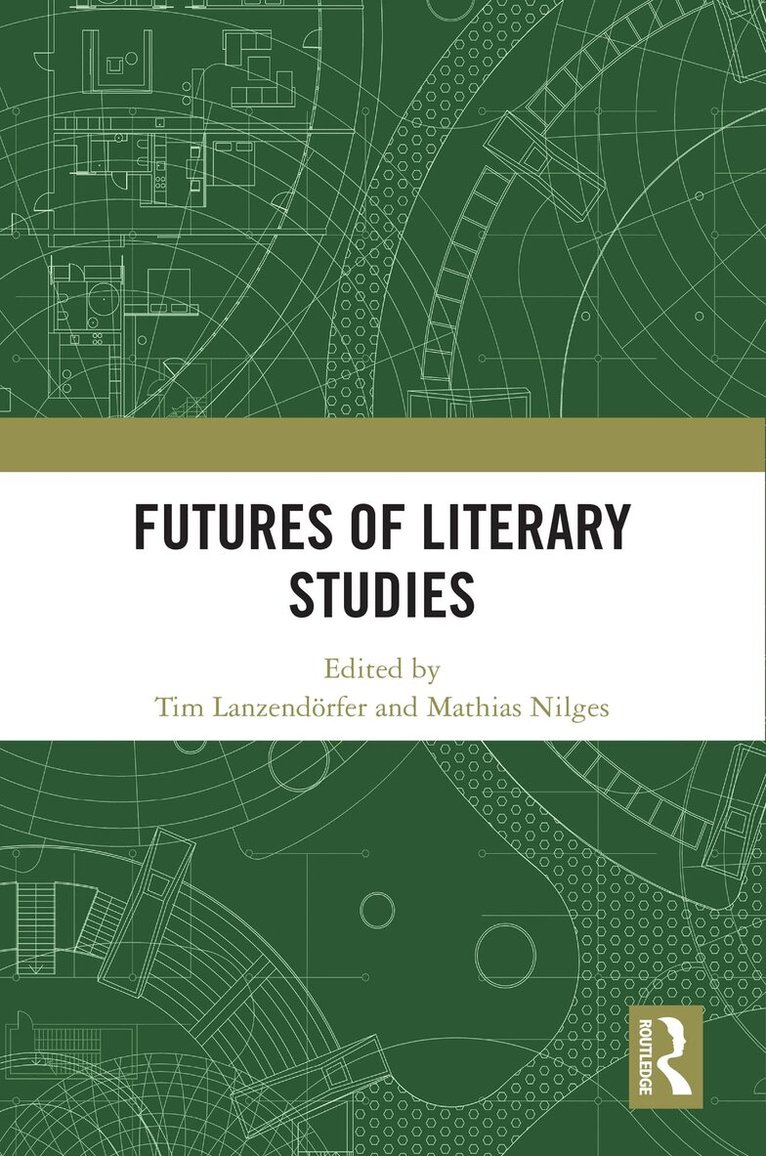
This book brings together essays that ask how one may chart more productive engagements with the methodological foundations of literary studies, a discipline that is finding itself in a moment of severe crisis. The temptation to reduce methodological debates to method wars constitutes one of the main obstacles for what ought to be the common goal of our discipline: to articulate the possible and indeed necessary futures of literary studies.How do we think about the future of literary studies in the funerary climate that has engendered the belief that we need to fight our internal wars for survival? How might (must?) our understanding of what literary criticism is and does change? How do we formulate possible futures for literary studies while grappling with the significant problems that our present poses? The chapters in this volume stage hopeful interventions that seek to contribute to the effort to explore the futures of literary studies by way of and conceived as a collective endeavor. Together, the authors advance a call for better, more useful, more active, more networked, and, yes, even for abandoned versions of the always multiple and joyously contradictory discipline that is called literary studies.This book will be beneficial to students and scholars of English literature, literary theory and literary studies. The chapters in this book were originally published as a special issue of Textual Practice and are accompanied by a new Preface.
1 455 kr
Skickas inom 7-10 vardagar
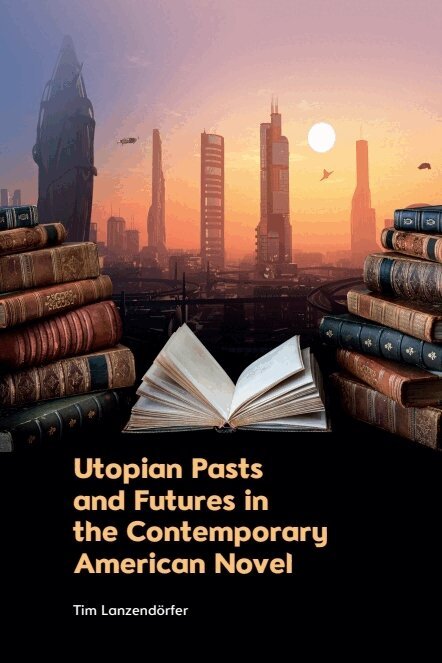
Examines the connection between historical and speculative fiction to offer a new form of literary-genre fiction that registers the upheavals of the early twenty-first centuryProvides detailed critical readings of key writers of the early 21st centuryTheorizes a reading practice and its relation to the question of literature's political role in the 21st centuryEstablishes a new form of literary-genre fiction that registers the upheavals of the early 21st century and potential literary answers to themUtopian Pasts and Futures in the Contemporary American Novel highlights the emergence of a literary mode, speculative historism, over the past two decades in U.S. literature. Discussing in depth novels by writers such as Ken Kalfus, Joyce Carol Oates, and Colson Whitehead, among others, it integrates questions of critical method, genre, form, and literary theory, all of which have some urgency today. Addressing itself to the question of how to read this mode through a form of utopian hermeneutics, this study explores the formal constitution, narrative choices, and place in the wider literary market of a mode that it believes to be constitutively important for understanding American literature's struggle with the possibility of imagining hopeful futures.
491 kr
Skickas inom 3-6 vardagar
Utopian Pasts and Futures in the Contemporary American Novel highlights the emergence of a literary mode, speculative historism, over the past two decades in U.S. literature. Discussing in depth novels by writers such as Ken Kalfus, Joyce Carol Oates, and Colson Whitehead, among others, it integrates questions of critical method, genre, form, and literary theory, all of which have some urgency today. Addressing itself to the question of how to read this mode through a form of utopian hermeneutics, this study explores the formal constitution, narrative choices, and place in the wider literary market of a mode that it believes to be constitutively important for understanding American literature's struggle with the possibility of imagining hopeful futures.
1 339 kr
Skickas inom 7-10 vardagar
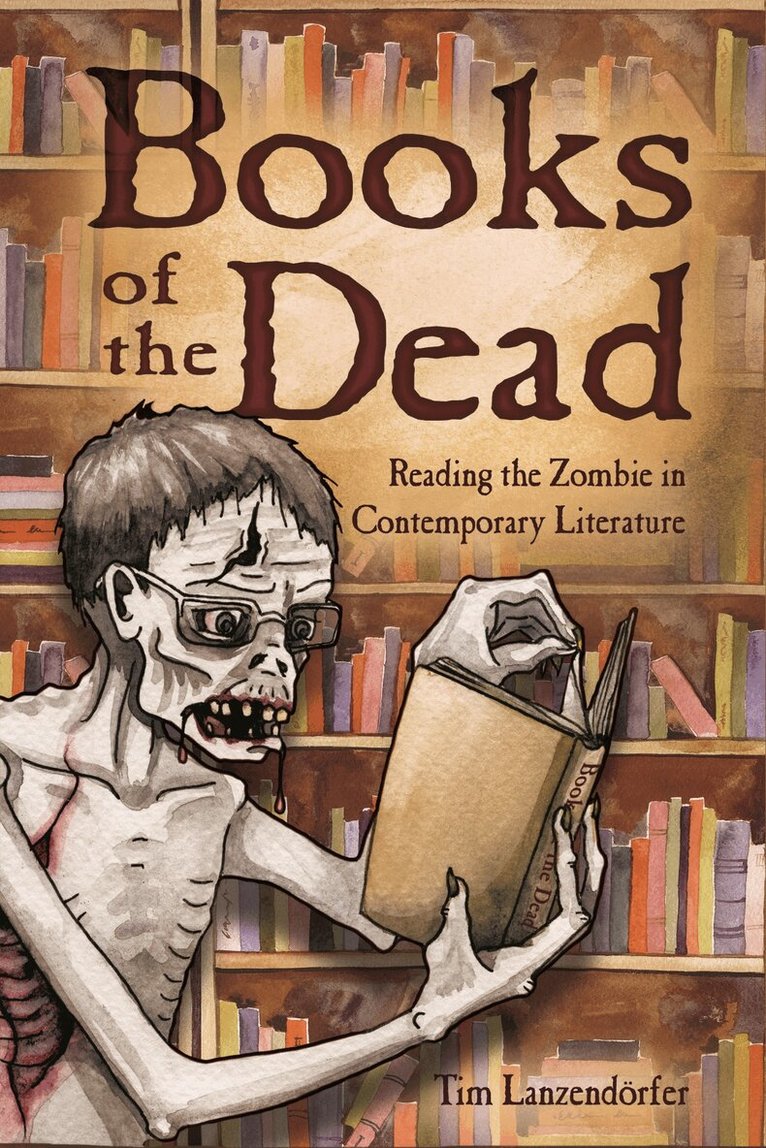
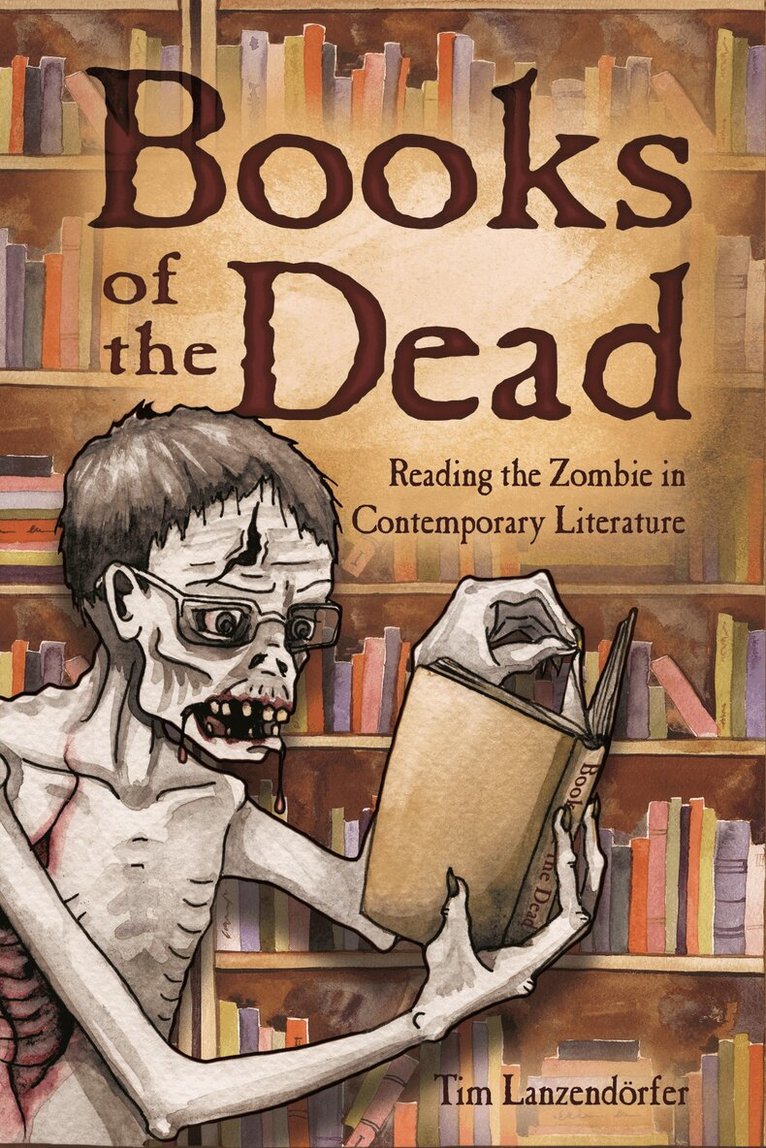
The zombie has cropped up in many forms-in film, in television, and as a cultural phenomenon in zombie walks and zombie awareness months-but few books have looked at what the zombie means in fiction. Tim Lanzendörfer fills this gap by looking at a number of zombie novels, short stories, and comics, and probing what the zombie represents in contemporary literature. Lanzendörfer brings together the most recent critical discussion of zombies and applies it to a selection of key texts including Max Brooks's World War Z, Colson Whitehead's Zone One, Junot Díaz's short story ""Monstro, "" Robert Kirkman's comic series The Walking Dead, and Seth Grahame-Smith's Pride and Prejudice and Zombies. Within the context of broader literary culture, Lanzendörfer makes the case for reading these texts with care and openness in their own right. Lanzendörfer contends that what zombies do is less important than what becomes possible when they are around. Indeed, they seem less interesting as metaphors for the various ways the world could end than they do as vehicles for how the world might exist in a different and often better form.
416 kr
Skickas inom 7-10 vardagar
The zombie has cropped up in many forms-in film, in television, and as a cultural phenomenon in zombie walks and zombie awareness months-but few books have looked at what the zombie means in fiction. Tim Lanzendörfer fills this gap by looking at a number of zombie novels, short stories, and comics, and probing what the zombie represents in contemporary literature. Lanzendörfer brings together the most recent critical discussion of zombies and applies it to a selection of key texts including Max Brooks's World War Z, Colson Whitehead's Zone One, Junot Díaz's short story ""Monstro, "" Robert Kirkman's comic series The Walking Dead, and Seth Grahame-Smith's Pride and Prejudice and Zombies. Within the context of broader literary culture, Lanzendörfer makes the case for reading these texts with care and openness in their own right. Lanzendörfer contends that what zombies do is less important than what becomes possible when they are around. Indeed, they seem less interesting as metaphors for the various ways the world could end than they do as vehicles for how the world might exist in a different and often better form.
776 kr
Skickas inom 10-15 vardagar
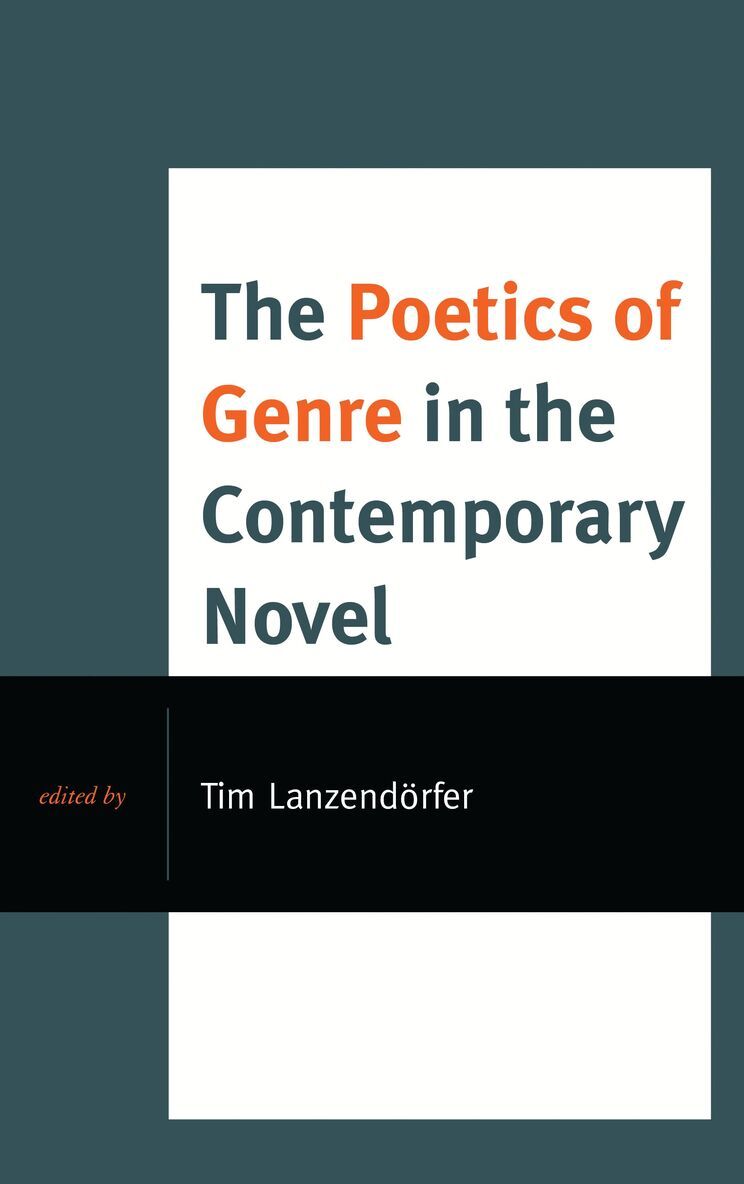
The Poetics of Genre in the Contemporary Novel investigates the role of genre in the contemporary novel: taking its departure from the observation that numerous contemporary novelists make use of popular genre influences in what are still widely considered to be literary novels, it sketches the uses, the work, and the value of genre. It suggests the value of a critical look at texts’ genre use for an analysis of the contemporary moment. From this, it develops a broader perspective, suggesting the value of genre criticism and taking into view traditional genres such as the bildungsroman and the metafictional novel as well as the kinds of amalgamated forms which have recently come to prominence. In essays discussing a wide range of authors from Steven Hall to Bret Easton Ellis to Colson Whitehead, the contributors to the volume develop their own readings of genre’s work and valence in the contemporary novel.
1 613 kr
Skickas inom 10-15 vardagar
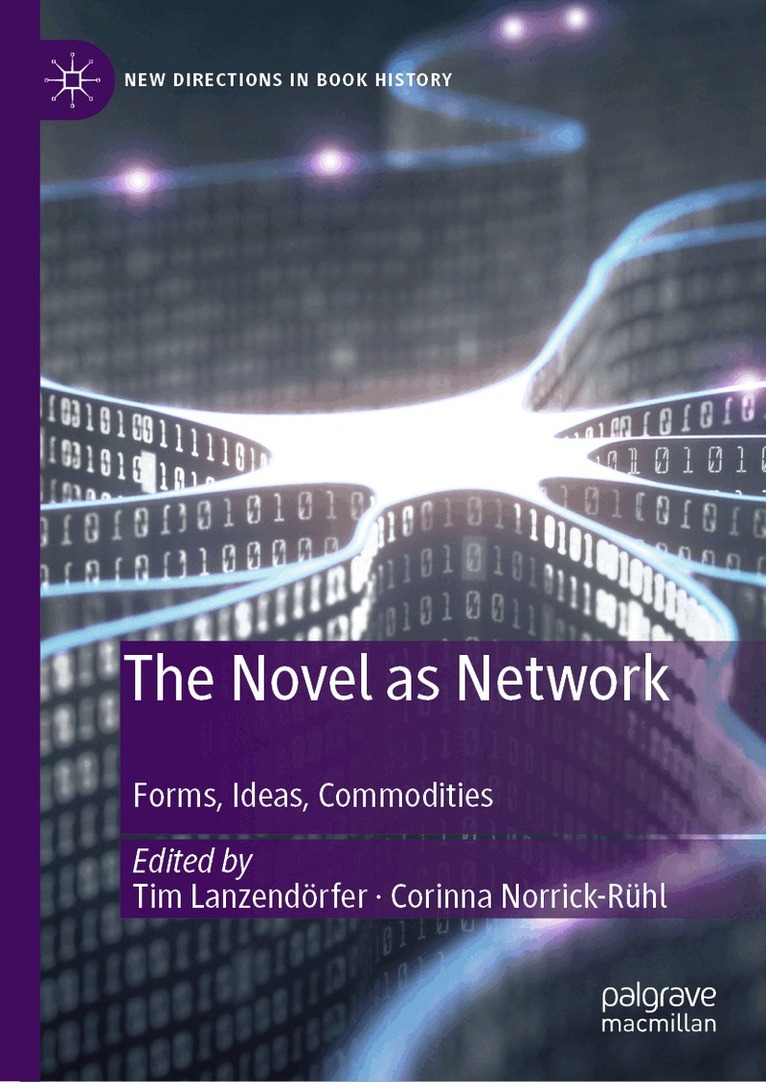
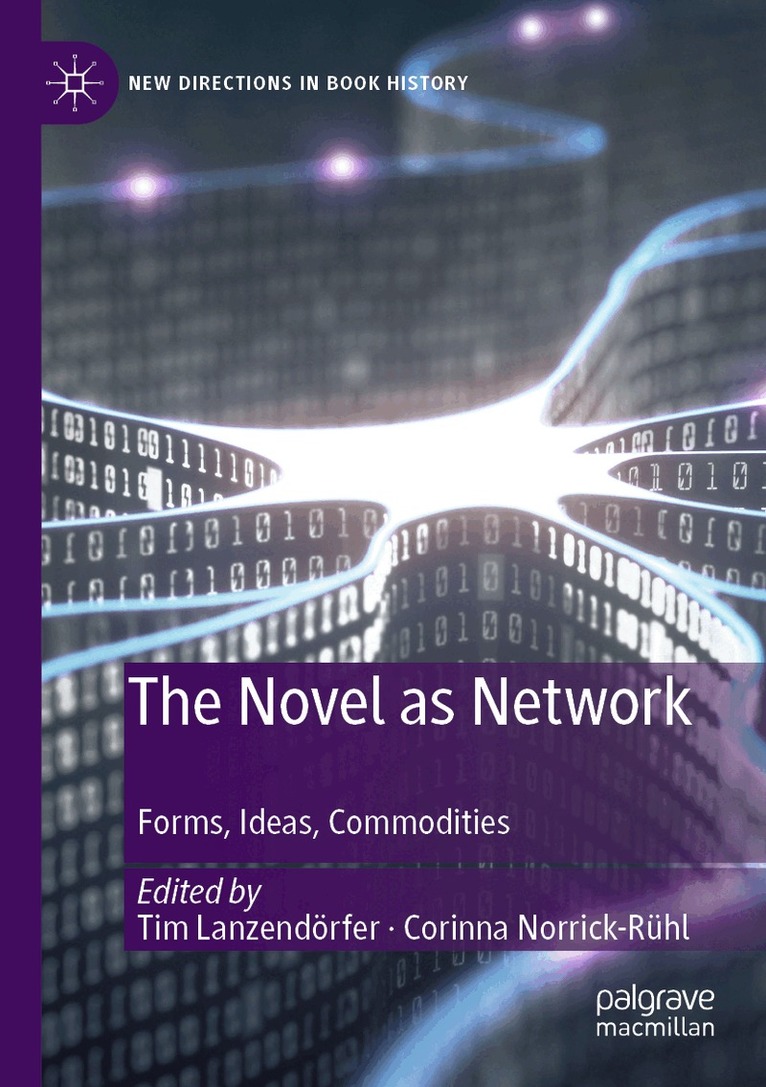
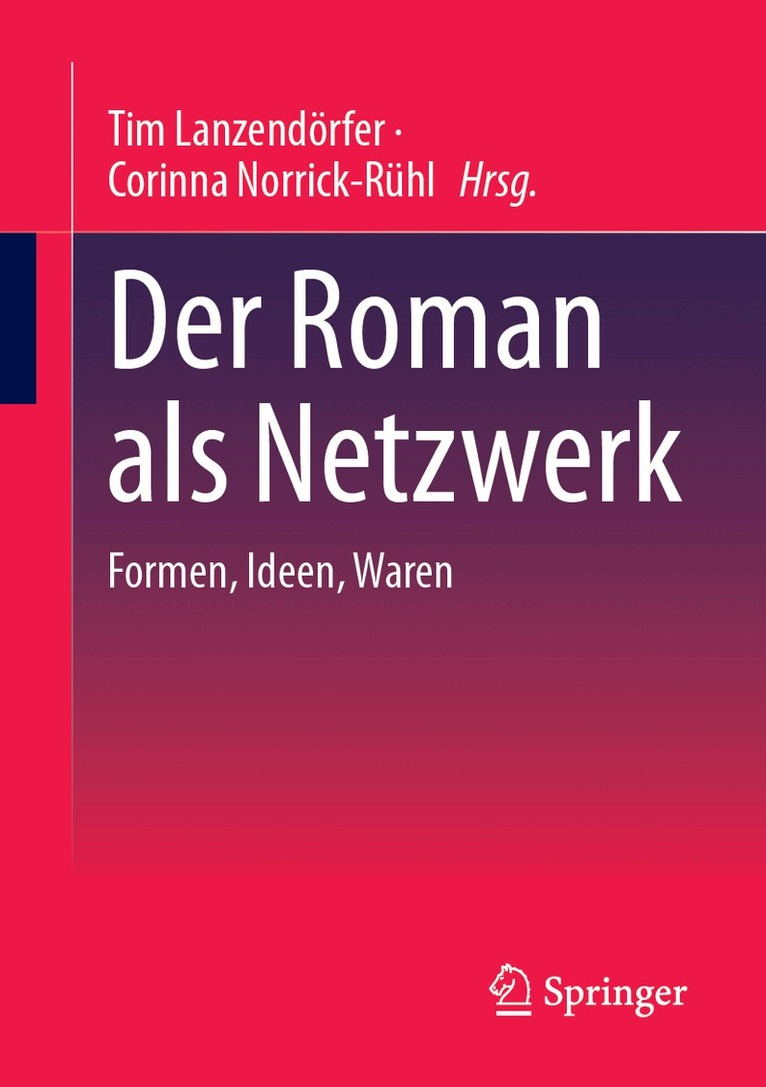
The Novel as Network: Forms, Ideas, Commodities engages with the contemporary Anglophone novel and its derivatives and by-products such as graphic novels, comics, podcasts, and Quality TV.
1 613 kr
Skickas inom 10-15 vardagar
The Novel as Network: Forms, Ideas, Commodities engages with the contemporary Anglophone novel and its derivatives and by-products such as graphic novels, comics, podcasts, and Quality TV.
1 344 kr
Skickas
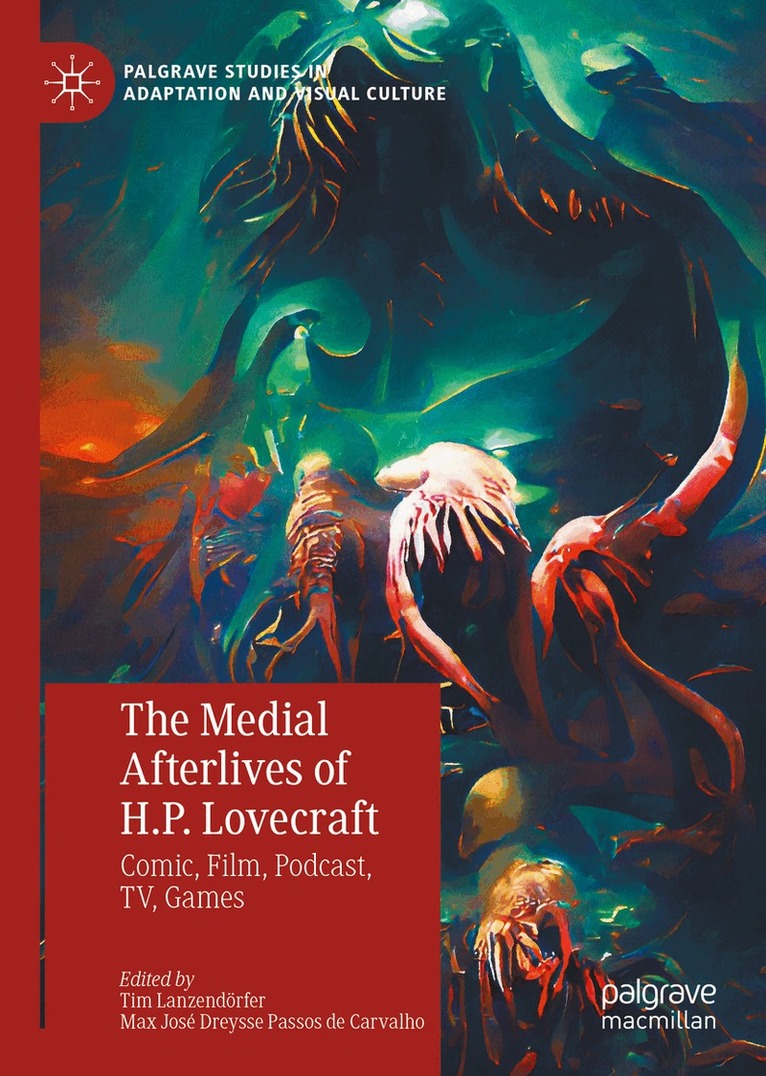
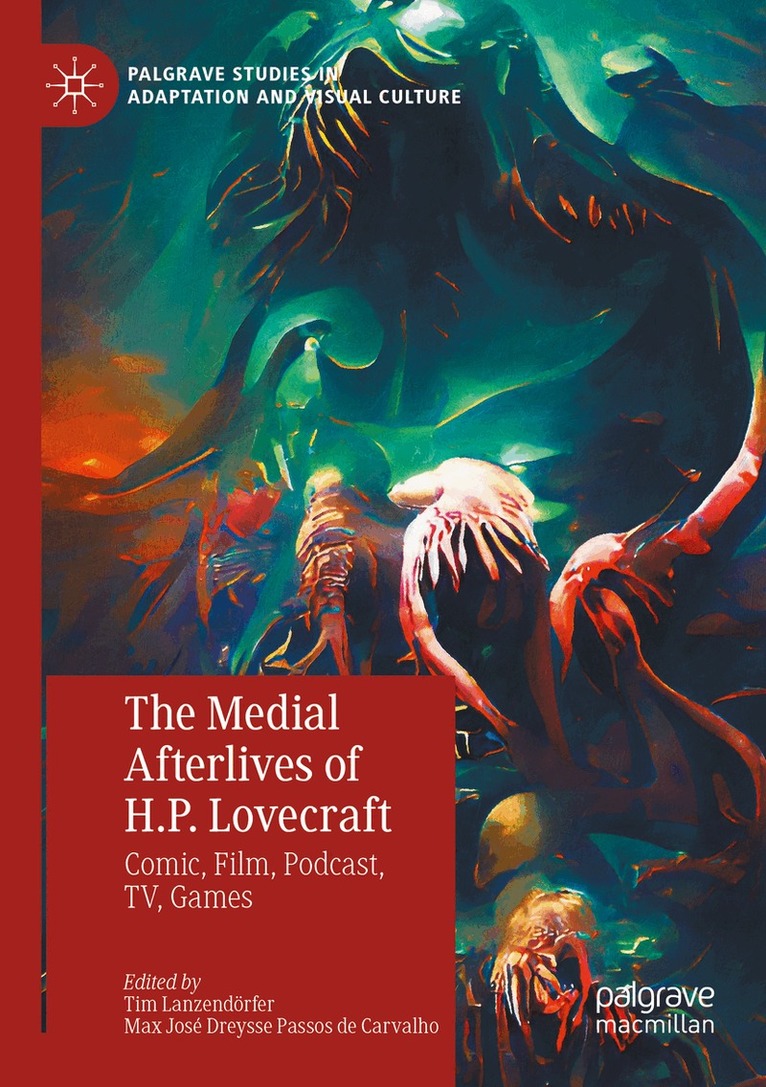
It draws on recent adaptation theory as well as broader discourses around media affordances to give an overview over the presence of Lovecraft in contemporary media as well as the importance of contemporary media in shaping what we take Lovecraft’s legacy to be. Lovecraft, and how we construct Lovecraft and the Lovecraftian today in adaptation.
695 kr
Skickas inom 5-8 vardagar
1 843 kr
Skickas inom 10-15 vardagar
It draws on recent adaptation theory as well as broader discourses around media affordances to give an overview over the presence of Lovecraft in contemporary media as well as the importance of contemporary media in shaping what we take Lovecraft’s legacy to be. Lovecraft, and how we construct Lovecraft and the Lovecraftian today in adaptation.
847 kr
Skickas inom 10-15 vardagar
Der Roman als Netzwerk: Formen, Ideen, Waren beschäftigt sich mit dem zeitgenössischen englischsprachigen Roman und seinen Derivaten und Nebenprodukten wie Graphic Novels, Comics, Podcasts und Quality TV.
737 kr
Kommande
What are consequences of generative AI for everyday literary studies? In this short monograph, Tim Lanzendörfer contends that genAI’s challenge to literary studies is both fundamental and productive: it not only confronts us with our own possible demise as a discipline, it also requires us to reflect on what we do, how we do it, and why. The book is a generative provocation and a thought experiment. It begins by reflecting on the questions raised by the potential to stochastically generate art and literature. It asks after the status of art in the age of genAI, including questions such as the prevalent belief in the need for human agency in the making of art, and issues of quality and originality. And then, it wonders what these discussions mean for literary studies, and most specifically, for literary criticism, for the work of interpretation. What would it mean to work on stochastic genAI art—but more importantly, what would it mean for our work on art to be doable by stochastic genAI? What can we think about when we think about the potential replaceability of human-made literary studies by genAI?