Tim Lanzendorfer – författare
877 kr
Läs direkt efter köp
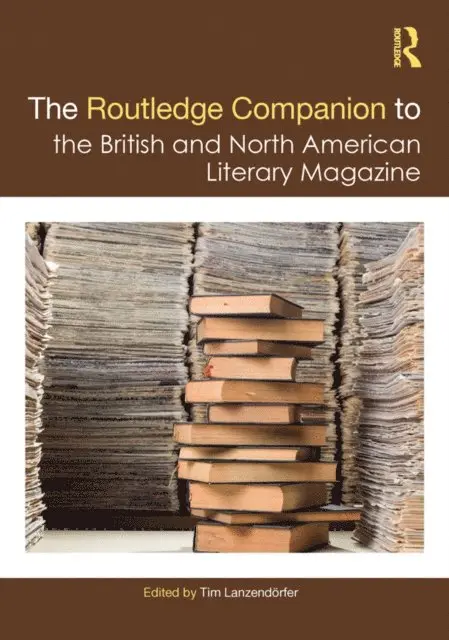
Encompassing a broad definition of the topic, this Companion provides a survey of the literary magazine from its earliest days to the contemporary moment. It offers a comprehensive theorization of the literary magazine in the wake of developments in periodical studies in the last decade, bringing together a wide variety of approaches and concerns.
With its distinctive chronological and geographical scope, this volume sheds new light on the possibilities and difficulties of the concept of the literary magazine, balancing a comprehensive overview of key themes and examples with greater attention to new approaches to magazine research.
Divided into three main sections, this book offers:
• Theory—it investigates definitions and limits of what a literary magazine is and what it does.
• History and regionalism—a very broad historical and geographic sweep draws new connections and offers expanded definitions.
• Case studies—these range from key modernist little magazines and the popular middlebrow to pulp fiction, comics, and digital ventures, widening the ambit of the literary magazine.
The Routledge Companion to the British and North American Literary Magazine offers new and unforeseen cross-connections across the long history of literary periodicals, highlighting the ways in which it allows us to trace such ideas as the “literary” as well as notions of what magazines do in a culture.
885 kr
Läs direkt efter köp
Encompassing a broad definition of the topic, this Companion provides a survey of the literary magazine from its earliest days to the contemporary moment. It offers a comprehensive theorization of the literary magazine in the wake of developments in periodical studies in the last decade, bringing together a wide variety of approaches and concerns.
With its distinctive chronological and geographical scope, this volume sheds new light on the possibilities and difficulties of the concept of the literary magazine, balancing a comprehensive overview of key themes and examples with greater attention to new approaches to magazine research.
Divided into three main sections, this book offers:
• Theory—it investigates definitions and limits of what a literary magazine is and what it does.
• History and regionalism—a very broad historical and geographic sweep draws new connections and offers expanded definitions.
• Case studies—these range from key modernist little magazines and the popular middlebrow to pulp fiction, comics, and digital ventures, widening the ambit of the literary magazine.
The Routledge Companion to the British and North American Literary Magazine offers new and unforeseen cross-connections across the long history of literary periodicals, highlighting the ways in which it allows us to trace such ideas as the “literary” as well as notions of what magazines do in a culture.
989 kr
Läs direkt efter köp
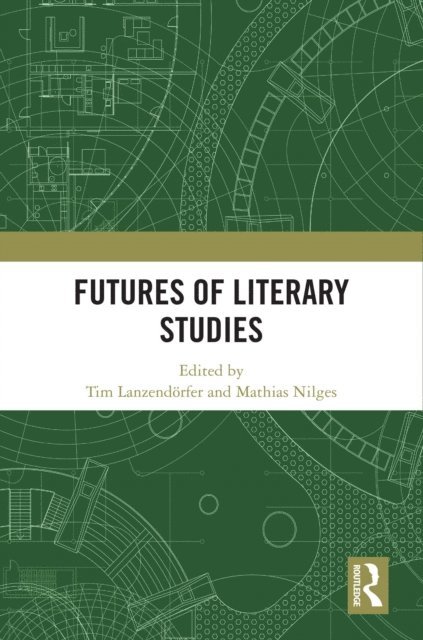
This book brings together essays that ask how one may chart more productive engagements with the methodological foundations of literary studies, a discipline that is finding itself in a moment of severe crisis. The temptation to reduce methodological debates to method wars constitutes one of the main obstacles for what ought to be the common goal of our discipline: to articulate the possible and indeed necessary futures of literary studies.
How do we think about the future of literary studies in the funerary climate that has engendered the belief that we need to fight our internal wars for survival? How might (must?) our understanding of what literary criticism is and does change? How do we formulate possible futures for literary studies while grappling with the significant problems that our present poses? The chapters in this volume stage hopeful interventions that seek to contribute to the effort to explore the futures of literary studies by way of and conceived as a collective endeavor. Together, the authors advance a call for better, more useful, more active, more networked, and, yes, even for abandoned versions of the always multiple and joyously contradictory discipline that is called literary studies.
This book will be beneficial to students and scholars of English literature, literary theory and literary studies. The chapters in this book were originally published as a special issue of Textual Practice and are accompanied by a new Preface.
989 kr
Läs direkt efter köp
This book brings together essays that ask how one may chart more productive engagements with the methodological foundations of literary studies, a discipline that is finding itself in a moment of severe crisis. The temptation to reduce methodological debates to method wars constitutes one of the main obstacles for what ought to be the common goal of our discipline: to articulate the possible and indeed necessary futures of literary studies.
How do we think about the future of literary studies in the funerary climate that has engendered the belief that we need to fight our internal wars for survival? How might (must?) our understanding of what literary criticism is and does change? How do we formulate possible futures for literary studies while grappling with the significant problems that our present poses? The chapters in this volume stage hopeful interventions that seek to contribute to the effort to explore the futures of literary studies by way of and conceived as a collective endeavor. Together, the authors advance a call for better, more useful, more active, more networked, and, yes, even for abandoned versions of the always multiple and joyously contradictory discipline that is called literary studies.
This book will be beneficial to students and scholars of English literature, literary theory and literary studies. The chapters in this book were originally published as a special issue of Textual Practice and are accompanied by a new Preface.
1 879 kr
Läs direkt efter köp
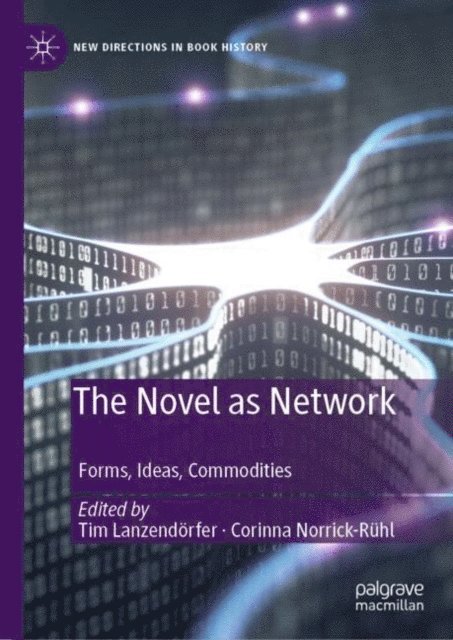
The Novel as Network: Forms, Ideas, Commodities engages with the contemporary Anglophone novel and its derivatives and by-products such as graphic novels, comics, podcasts, and Quality TV. This collection investigates the meaning of the novel in the larger system of contemporary media production and (post-)print culture, viewing the novel through the lens of actor network theory as a node in the novel network. Chapters underscore the deep interconnection between all the aspects of the novel, between the novel as a (literary) form, as an idea, and as a commodity. Bringing together experts from American, British, and Postcolonial Studies, as well as Book, Publishing, and Media Studies, this collection offers a new vantage point to view the novel in its multifaceted expressions today.
2 333 kr
Läs direkt efter köp
881 kr
Läs direkt efter köp
Der Roman als Netzwerk: Formen, Ideen, Waren beschäftigt sich mit dem zeitgenössischen englischsprachigen Roman und seinen Derivaten und Nebenprodukten wie Graphic Novels, Comics, Podcasts und Quality TV. Dieser Sammelband untersucht die Bedeutung des Romans im größeren System der zeitgenössischen Medienproduktion und (Post-)Printkultur und betrachtet den Roman durch die Linse der Akteur-Netzwerk-Theorie als einen Knotenpunkt im Roman-Netzwerk. Die Kapitel unterstreichen die enge Verbindung zwischen allen Aspekten des Romans, zwischen dem Roman als (literarischer) Form, als Idee und als Ware. Der Sammelband bringt Expert*innen aus amerikanischer und anglistisches Literaturwissenschaft und Postcolonial Studies sowie den Buch- und Medienwissenschaften zusammen und bietet einen neuen Blickwinkel auf den Roman in seinen vielfältigen Erscheinungsformen.