Timothy C. Haas – författare
Visar alla böcker från författaren Timothy C. Haas. Handla med fri frakt och snabb leverans.
7 produkter
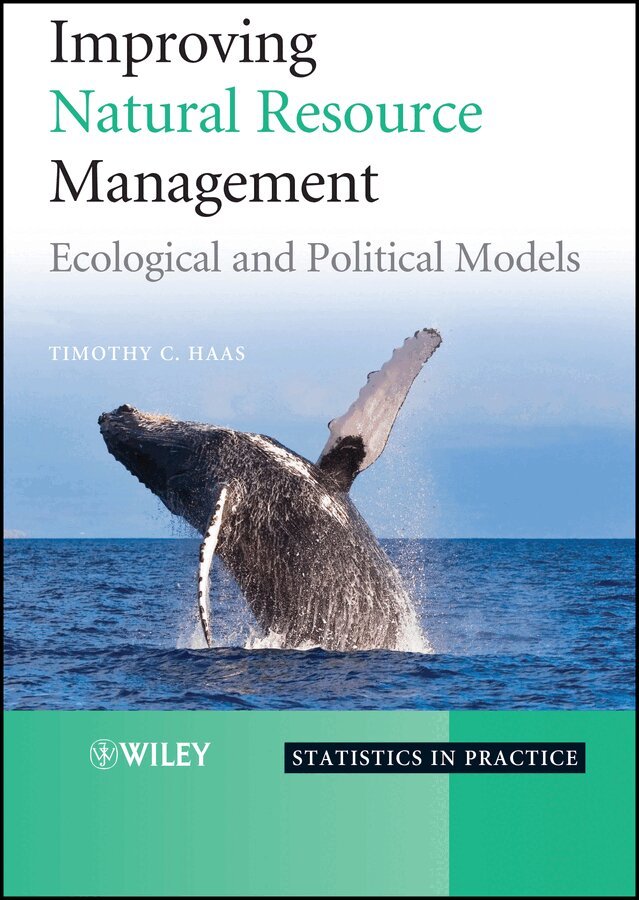
Improving Natural Resource Management
Ecological and Political Models
Inbunden, 2011
997 kr
Lägg i varukorg
The decision to implement environmental protection options is a political one. These, and other political and social decisions affect the balance of the ecosystem and how the point of equilibrium desired is to be reached. This book develops a stochastic, temporal model of how political processes …
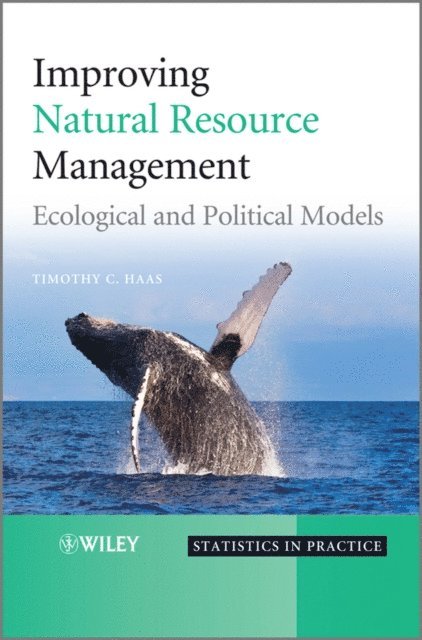
Improving Natural Resource Management
Ecological and Political Models
E-bok, 2011
1189 kr
Lägg i varukorg
The decision to implement environmental protection options is a political one. These, and other political and social decisions affect the balance of the ecosystem and how the point of equilibrium desired is to be reached. This book develops a stochastic, temporal model of how political processes …
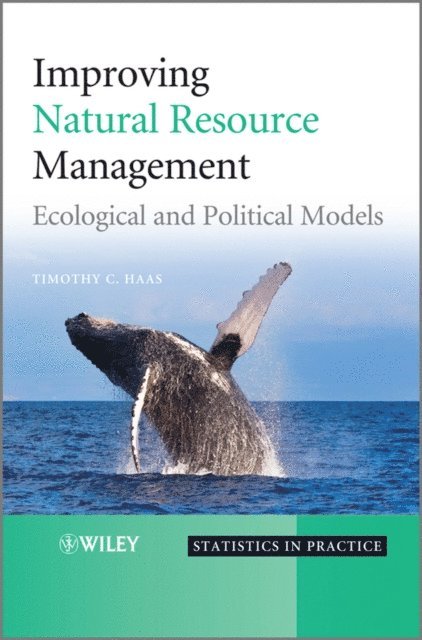
Improving Natural Resource Management
Ecological and Political Models
E-bok, 2011
1189 kr
Lägg i varukorg
The decision to implement environmental protection options is a political one. These, and other political and social decisions affect the balance of the ecosystem and how the point of equilibrium desired is to be reached. This book develops a stochastic, temporal model of how political processes …
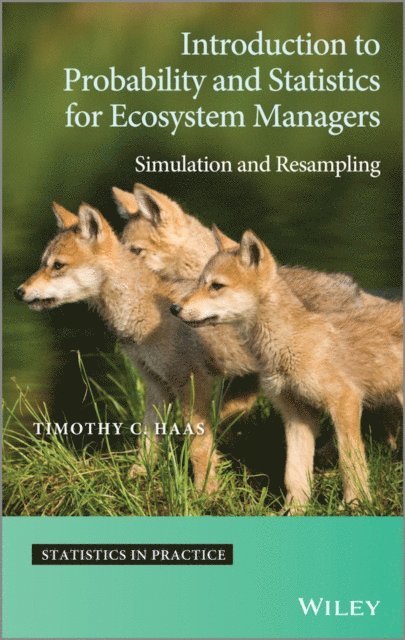
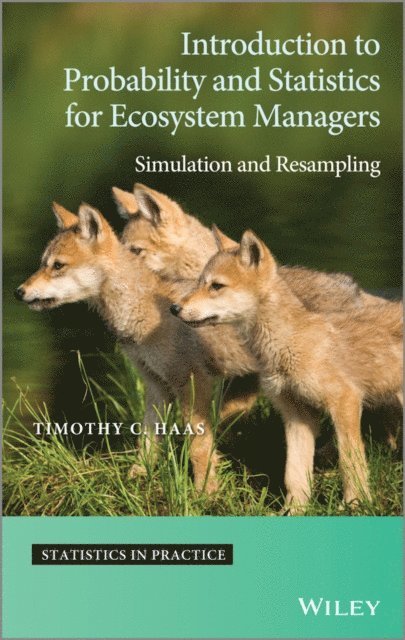
Introduction to Probability and Statistics for Ecosystem Managers
Simulation and Resampling
E-bok, 2013
1227 kr
Lägg i varukorg
Explores computer-intensive probability and statistics for ecosystem management decision making Simulation is an accessible way to explain probability and stochastic model behavior to beginners. This book introduces probability and statistics to future and practicing ecosystem managers by providing …
Introduction to Probability and Statistics for Ecosystem Managers
Simulation and Resampling
E-bok, 2013
1227 kr
Lägg i varukorg
Explores computer-intensive probability and statistics for ecosystem management decision making Simulation is an accessible way to explain probability and stochastic model behavior to beginners. This book introduces probability and statistics to future and practicing ecosystem managers by providing …
Improving Natural Resource Management – Ecological and Political Models
2011
948 kr
Tillfälligt slut
The decision to implement environmental protection options is a political one. These, and other political and social decisions affect the balance of the ecosystem and how the point of equilibrium desired is to be reached. This book develops a stochastic, temporal model of how political processes …
Introduction to Probability and Statistics for Ecosystem Managers
Simulation and Resampling
Inbunden, 2013
813 kr
Tillfälligt slut
Explores computer-intensive probability and statistics for ecosystem management decision makingSimulation is an accessible way to explain probability and stochastic model behavior to beginners. This book introduces probability and statistics to future and practicing ecosystem managers by providing …