Timothy Carroll – författare
656 kr
Skickas inom 10-15 vardagar
656 kr
Skickas inom 10-15 vardagar
713 kr
Skickas inom 10-15 vardagar
831 kr
Läs direkt efter köp
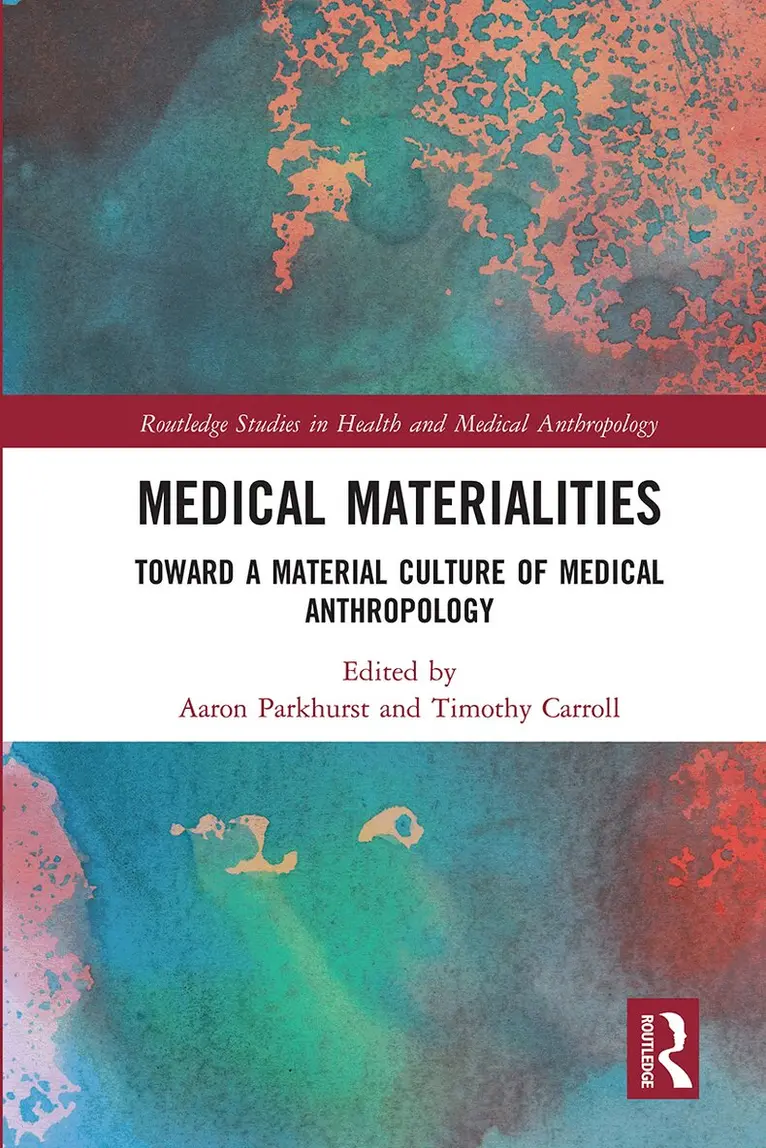
Medical Materialities investigates possible points of cross-fertilisation between medical anthropology and material culture studies, and considers the successes and limitations of both sub-disciplines as they attempt to understand places, practices, methods, and cultures of healing. The editors present and expand upon a definition of ‘medical materiality’, namely the social impact of the agency of often mundane, at times non-clinical, materials within contexts of health and illness, as caused by the properties and affordances of this material. The chapters address material culture in various clinical and biomedical contexts and in discussions that link the body and healing. The diverse ethnographic case studies provide valuable insight into the way cultures of medicine are understood and practised.
831 kr
Läs direkt efter köp
Medical Materialities investigates possible points of cross-fertilisation between medical anthropology and material culture studies, and considers the successes and limitations of both sub-disciplines as they attempt to understand places, practices, methods, and cultures of healing. The editors present and expand upon a definition of ‘medical materiality’, namely the social impact of the agency of often mundane, at times non-clinical, materials within contexts of health and illness, as caused by the properties and affordances of this material. The chapters address material culture in various clinical and biomedical contexts and in discussions that link the body and healing. The diverse ethnographic case studies provide valuable insight into the way cultures of medicine are understood and practised.
49 kr
Läs direkt efter köp
196 kr
Skickas inom 3-6 vardagar
774 kr
Läs direkt efter köp
710 kr
Läs direkt efter köp
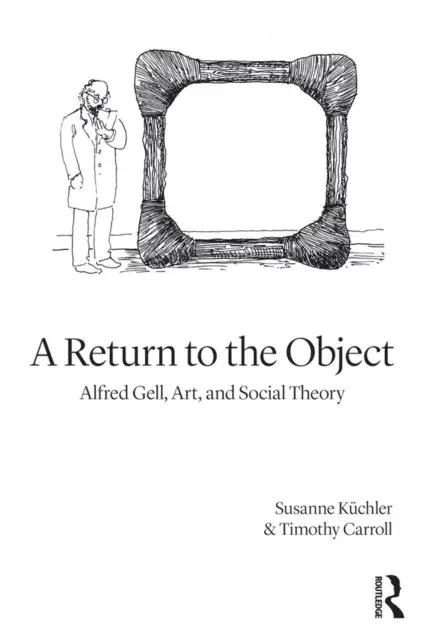
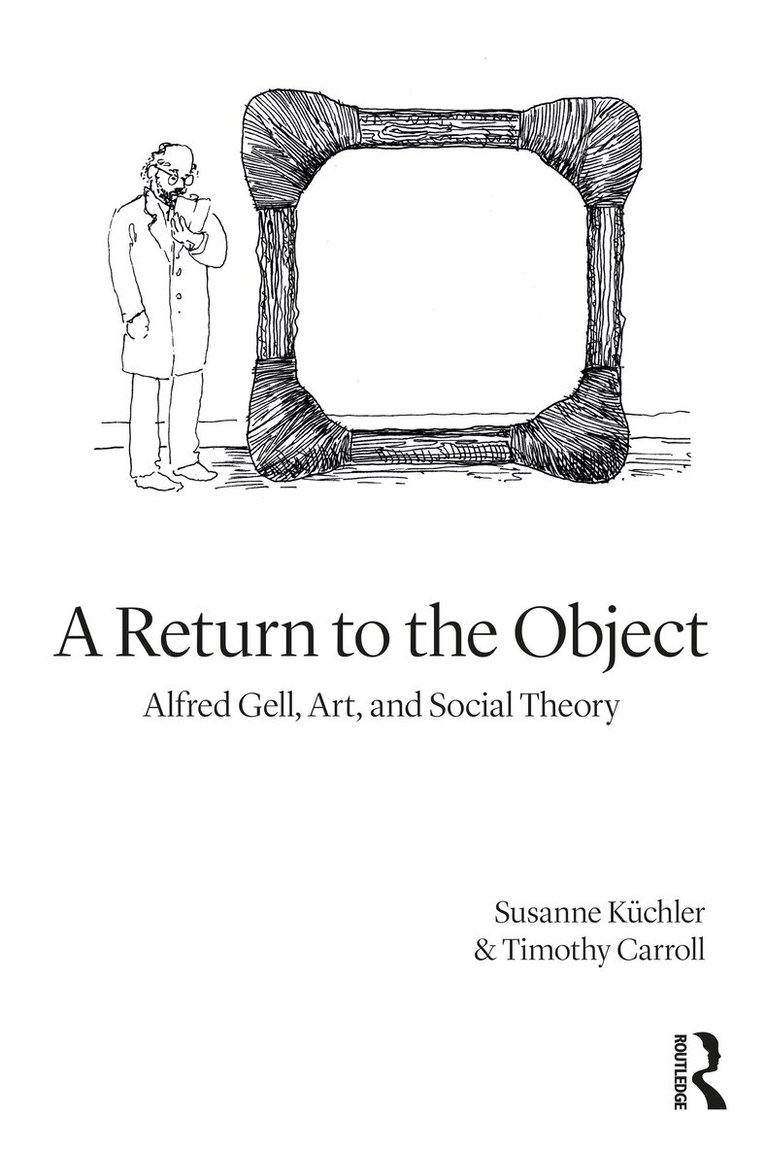
This book draws on the work of anthropologist Alfred Gell to reinstate the importance of the object in art and society. Rather than presenting art as a passive recipient of the artist''s intention and the audience''s critique, the authors consider it in the social environment of its production and reception.
A Return to the Object introduces the historical and theoretical framework out of which an anthropology of art has emerged, and examines the conditions under which it has renewed interest. It also explores what art ''does'' as a social and cultural phenomenon, and how it can impact alternative ways of organising and managing knowledge. Making use of ethnography, museological practice, the intellectual history of the arts and sciences, material culture studies and intangible heritage, the authors present a case for the re-orientation of current conversations surrounding the anthropology of art and social theory.
This text will be of key interest to students and scholars in the social and historical sciences, arts and humanities, and cognitive sciences.
746 kr
Läs direkt efter köp
710 kr
Läs direkt efter köp
This book draws on the work of anthropologist Alfred Gell to reinstate the importance of the object in art and society. Rather than presenting art as a passive recipient of the artist''s intention and the audience''s critique, the authors consider it in the social environment of its production and reception.
A Return to the Object introduces the historical and theoretical framework out of which an anthropology of art has emerged, and examines the conditions under which it has renewed interest. It also explores what art ''does'' as a social and cultural phenomenon, and how it can impact alternative ways of organising and managing knowledge. Making use of ethnography, museological practice, the intellectual history of the arts and sciences, material culture studies and intangible heritage, the authors present a case for the re-orientation of current conversations surrounding the anthropology of art and social theory.
This text will be of key interest to students and scholars in the social and historical sciences, arts and humanities, and cognitive sciences.
343 kr
Skickas inom 5-8 vardagar
166 kr
Skickas inom 5-8 vardagar
2 193 kr
Skickas inom 10-15 vardagar
2 193 kr
Skickas inom 10-15 vardagar
656 kr
Skickas inom 10-15 vardagar
585 kr
Skickas inom 10-15 vardagar
2 193 kr
Skickas inom 10-15 vardagar
1 770 kr
Skickas inom 10-15 vardagar
774 kr
Läs direkt efter köp
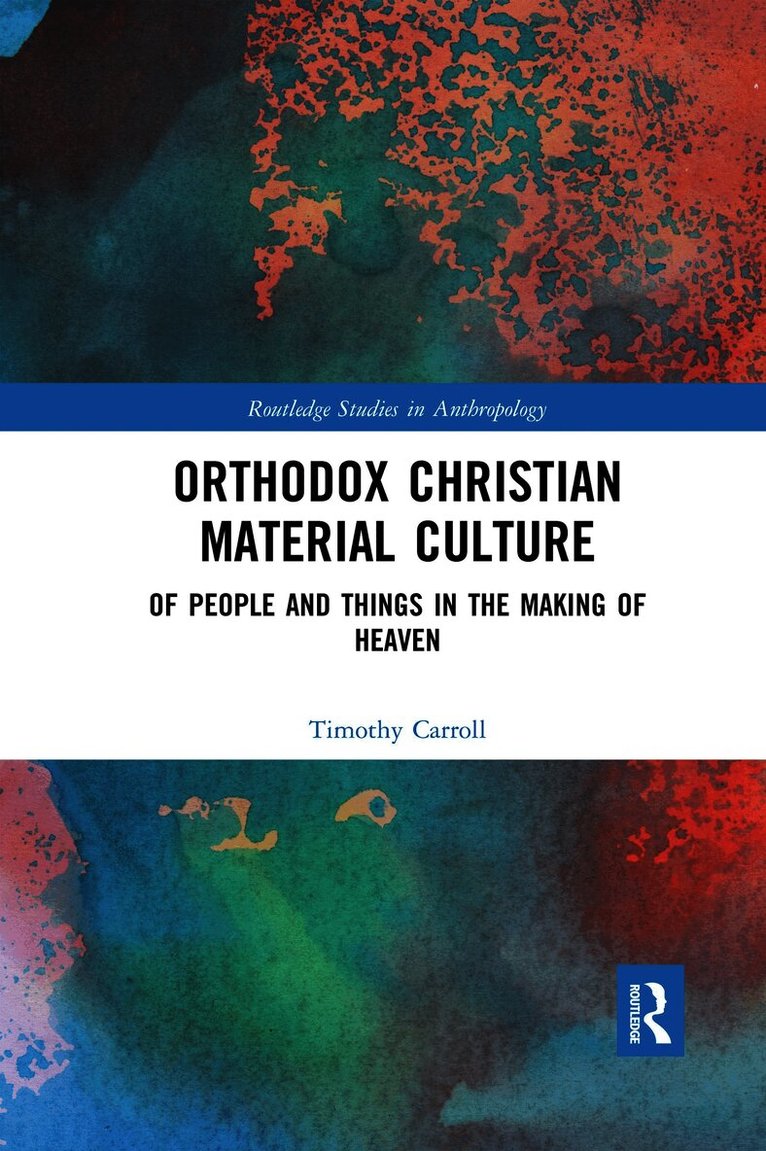
Although much has been written on the making of art objects as a means of engaging in creative productions of the self (most famously Alfred Gell’s work), there has been very little written on Orthodox Christianity and its use of material within religious self-formation. Eastern Orthodox Christianity is renowned for its artistry and the aesthetics of its worship being an integral part of devout practice. Yet this is an area with little ethnographic exploration available and even scarcer ethnographic attention given to the material culture of Eastern Christianity outside the traditional ‘homelands’ of the greater Levant and Eastern Europe.
Drawing from and building upon Gell’s work, Carroll explores the uses and purposes of material culture in Eastern Orthodox Christian worship. Drawing on three years of ethnographic fieldwork in a small Antiochian Orthodox parish in London, Carroll focusses on a study of ecclesiastical fabric but places this within the wider context of Orthodox material ecology in Britain. This ethnographic exploration leads to discussion of the role of materials in the construction of religious identity, material understandings of religion, and pathways of pilgrimatic engagement and religious movement across Europe.
In a religious tradition characterised by repetition and continuity, but also as sensuously tactile, this book argues that material objects are necessary for the continual production of Orthodox Christians as art-like subjects. It is an important contribution to the corpus of literature on the anthropology of material culture and art and the anthropology of religion.
774 kr
Läs direkt efter köp
Although much has been written on the making of art objects as a means of engaging in creative productions of the self (most famously Alfred Gell’s work), there has been very little written on Orthodox Christianity and its use of material within religious self-formation. Eastern Orthodox Christianity is renowned for its artistry and the aesthetics of its worship being an integral part of devout practice. Yet this is an area with little ethnographic exploration available and even scarcer ethnographic attention given to the material culture of Eastern Christianity outside the traditional ‘homelands’ of the greater Levant and Eastern Europe.
Drawing from and building upon Gell’s work, Carroll explores the uses and purposes of material culture in Eastern Orthodox Christian worship. Drawing on three years of ethnographic fieldwork in a small Antiochian Orthodox parish in London, Carroll focusses on a study of ecclesiastical fabric but places this within the wider context of Orthodox material ecology in Britain. This ethnographic exploration leads to discussion of the role of materials in the construction of religious identity, material understandings of religion, and pathways of pilgrimatic engagement and religious movement across Europe.
In a religious tradition characterised by repetition and continuity, but also as sensuously tactile, this book argues that material objects are necessary for the continual production of Orthodox Christians as art-like subjects. It is an important contribution to the corpus of literature on the anthropology of material culture and art and the anthropology of religion.
279 kr
Skickas inom 3-6 vardagar
297 kr
Skickas inom 3-6 vardagar
2 193 kr
Skickas inom 10-15 vardagar