Timothy D. Schowalter – författare
950 kr
Läs direkt efter köp
977 kr
Läs direkt efter köp
929 kr
Skickas inom 10-15 vardagar
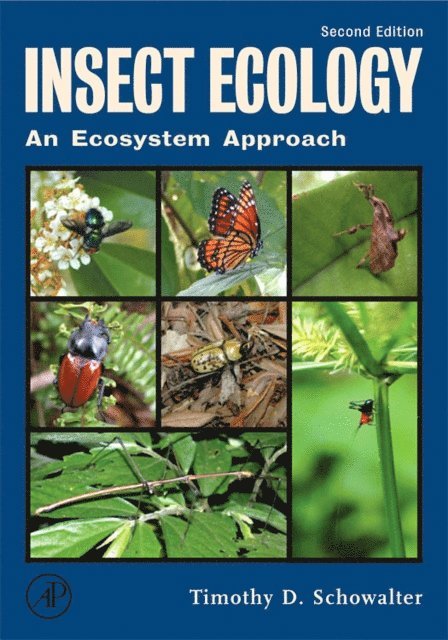
Insect Ecology: An Ecosystem Approach, Fourth Edition, follows a hierarchical organization that begins with relatively easy-to-understand chapters on adaptive responses of insect populations to various environmental changes, disturbances, and anthropogenic activities, how insects find food and habitat resources, and how insects allocate available energy and nutrients.
Chapters build on fundamental information to show how insect populations respond to changing environmental conditions, including spatial and temporal distribution of food and habitat. The next section integrates populations of interacting species within communities and how these interactions determine structure of communities over time and space.
Other works in insect ecology stop there, essentially limiting presentation of insect ecology to evolutionary responses of insects to their environment, including the activities of other species. The unique aspect of this book is its four chapters on ecosystem structure and function, and how herbivores, pollinators, seed predators, and detritivores drive ecosystem dynamics and contribute to ecosystem stability.
Provides the most advanced synthesis of insect ecology, with updated material throughout and new chapters Presents the roles of insects in delivery of ecosystem services and applications to pest management and conservation Features full coverage of ecosystem structure and function balanced with essential background on evolutionary aspects Includes case studies highlighting practical and theoretical applications for topics covered in each chapter1 086 kr
Läs direkt efter köp
1 689 kr
Skickas inom 10-15 vardagar
Insect Ecology: An Ecosystem Approach, Fifth Edition provides the most updated and comprehensive knowledge of the diversity of insect responses to environmental changes and their effects on ecosystem properties and services.
Written by an expert in the field, this book addresses ways in which insect morphology, physiology and behavior tailor their adaptation to particular environmental conditions, how those adaptations affect their responses to environmental changes, and how their responses affect ecosystem properties and the ecosystem services on which humans depend for survival. This edition also addresses recent reports of global declines in insect abundance and how these declines could affect human interests.
Insect Ecology: An Ecosystem Approach, Fifth Edition is an important resource for researchers, entomologists, ecologists, pest managers and conservationists who want to understand insect ecology and to manage insects in ways that sustain the delivery of ecosystem services.�Graduate and advanced undergraduate students�may also find this as a useful resource for entomology and specifically insect ecology courses.
The only insect ecology text that emphasizes insect effects on ecosystem properties and services, as well as evolutionary adaptations to environmental conditions Includes new material on long-term trends in insect abundance, addressing the so-called "insect apocalypse� Offers crucial updates on mechanisms by which insects affect, and potentially regulate, ecosystem structure and function Applies ecological principles to improved management of insects for the sustainable delivery of ecosystem services2 403 kr
Läs direkt efter köp
868 kr
Skickas inom 10-15 vardagar
1 771 kr
Skickas inom 10-15 vardagar
855 kr
Skickas inom 10-15 vardagar
1 026 kr
Läs direkt efter köp
Recommended in CHOICE, February 2021
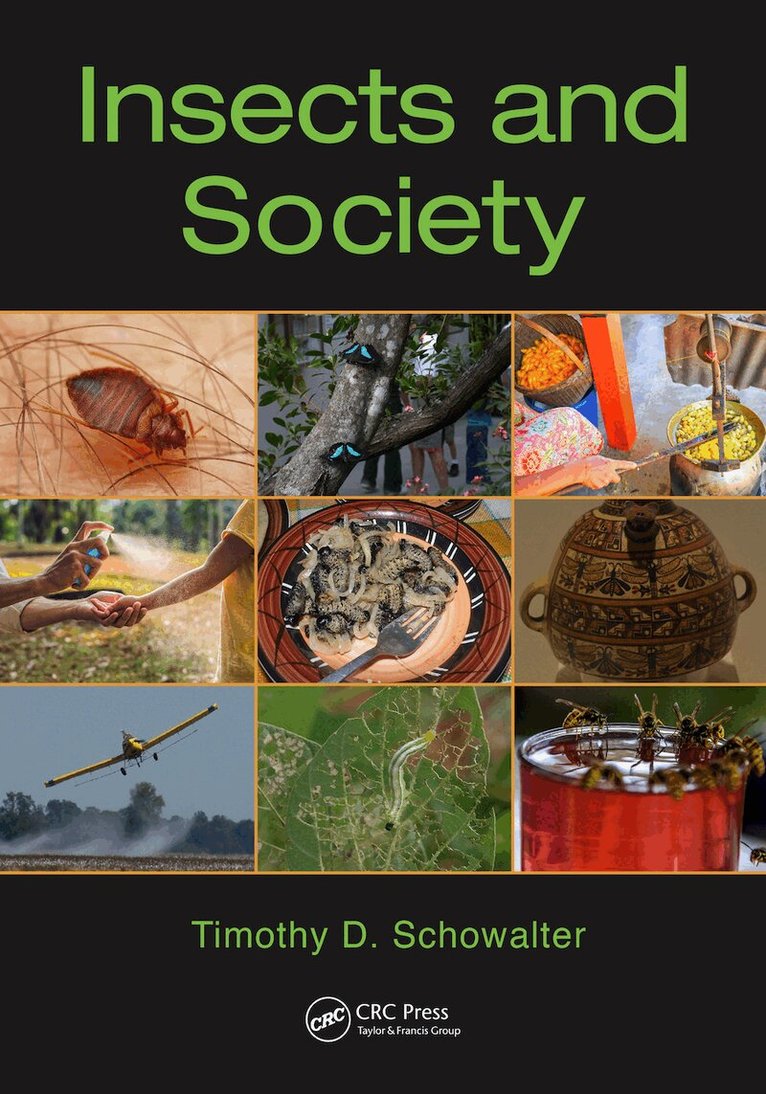
Insects are all around us, outweighing humanity by 17 times. Many are nuisances; they compete with us for food and carry some of our most devastating diseases. Many common pests have been transported worldwide by humans. Yet, some recent reports suggest dramatic declines in some important groups, such as pollinators and detritivores. Should we care?
Yes, we should. Without insect pollinators we’d lose 35% of our global food production; without detritivores, we would be buried in un-decayed refuse. Insects are also critical sources for nutritional, medical and industrial products. A world without insects would seem a very different and unpleasant place. So why do insects inspire such fear and loathing?
This concise, full-color text challenges many entrenched perceptions about insect effects on our lives. Beginning with a summary of insect biology and ecology that affect their interactions with other organisms, it goes on to describe the various positive and negative ways in which insects and humans interact. The final chapters describe factors that affect insect abundance and approaches to managing insects that balance their impacts.
The first textbook to cater directly to those studying Insect and Society or Insect Ecology modules, this book will also be fascinating reading for anyone interested in learning how insects affect human affairs and in applying more sustainable approaches to "managing" insects. This includes K-12 teachers, undergraduate students, amateur entomologists, conservation practitioners, environmentalists, as well as natural resource managers, land use planners and environmental policy makers.
1 026 kr
Läs direkt efter köp
Recommended in CHOICE, February 2021
Insects are all around us, outweighing humanity by 17 times. Many are nuisances; they compete with us for food and carry some of our most devastating diseases. Many common pests have been transported worldwide by humans. Yet, some recent reports suggest dramatic declines in some important groups, such as pollinators and detritivores. Should we care?
Yes, we should. Without insect pollinators we’d lose 35% of our global food production; without detritivores, we would be buried in un-decayed refuse. Insects are also critical sources for nutritional, medical and industrial products. A world without insects would seem a very different and unpleasant place. So why do insects inspire such fear and loathing?
This concise, full-color text challenges many entrenched perceptions about insect effects on our lives. Beginning with a summary of insect biology and ecology that affect their interactions with other organisms, it goes on to describe the various positive and negative ways in which insects and humans interact. The final chapters describe factors that affect insect abundance and approaches to managing insects that balance their impacts.
The first textbook to cater directly to those studying Insect and Society or Insect Ecology modules, this book will also be fascinating reading for anyone interested in learning how insects affect human affairs and in applying more sustainable approaches to "managing" insects. This includes K-12 teachers, undergraduate students, amateur entomologists, conservation practitioners, environmentalists, as well as natural resource managers, land use planners and environmental policy makers.
1 009 kr
Läs direkt efter köp
897 kr
Kommande
2 974 kr
Kommande
2 198 kr
Skickas inom 10-15 vardagar
982 kr
Läs direkt efter köp