Timothy G. Mattson – författare
Visar alla böcker från författaren Timothy G. Mattson. Handla med fri frakt och snabb leverans.
7 produkter
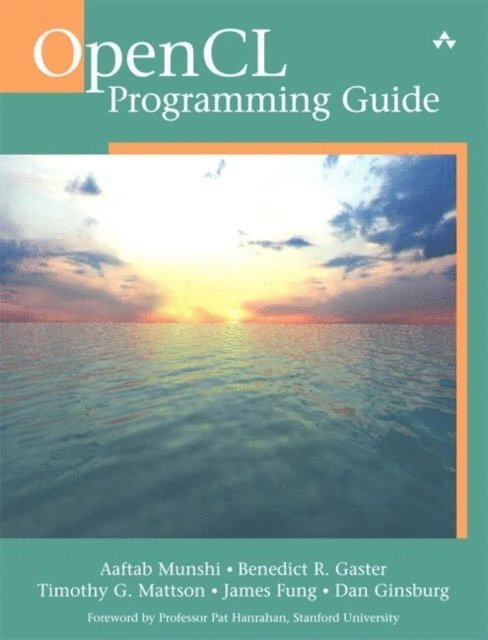
OpenCL Programming Guide
Av Dan Ginsburg, Timothy G. Mattson m. fl.
E-bok, 2011
466 kr
Lägg i varukorg
Using the new OpenCL (Open Computing Language) standard, you can write applications that access all available programming resources: CPUs, GPUs, and other processors such as DSPs and the Cell/B.E. processor. Already implemented by Apple, AMD, Intel, IBM, NVIDIA, and other leaders, OpenCL has …
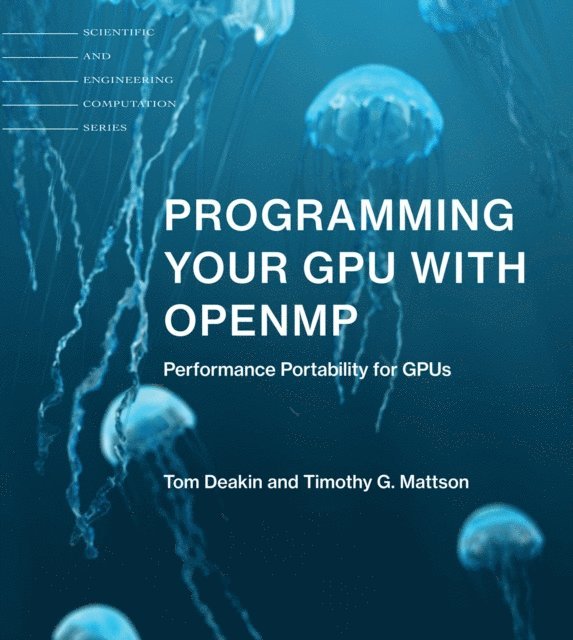
Programming Your GPU with OpenMP
Performance Portability for GPUs
Av Tom Deakin, Timothy G. Mattson
Häftad, 2023
1012 kr
Lägg i varukorg
The essential guide for writing portable, parallel programs for GPUs using the OpenMP programming model. Today’s computers are complex, multi-architecture systems: multiple cores in a shared address space, graphics processing units (GPUs), and specialized accelerators. To get the most from these …
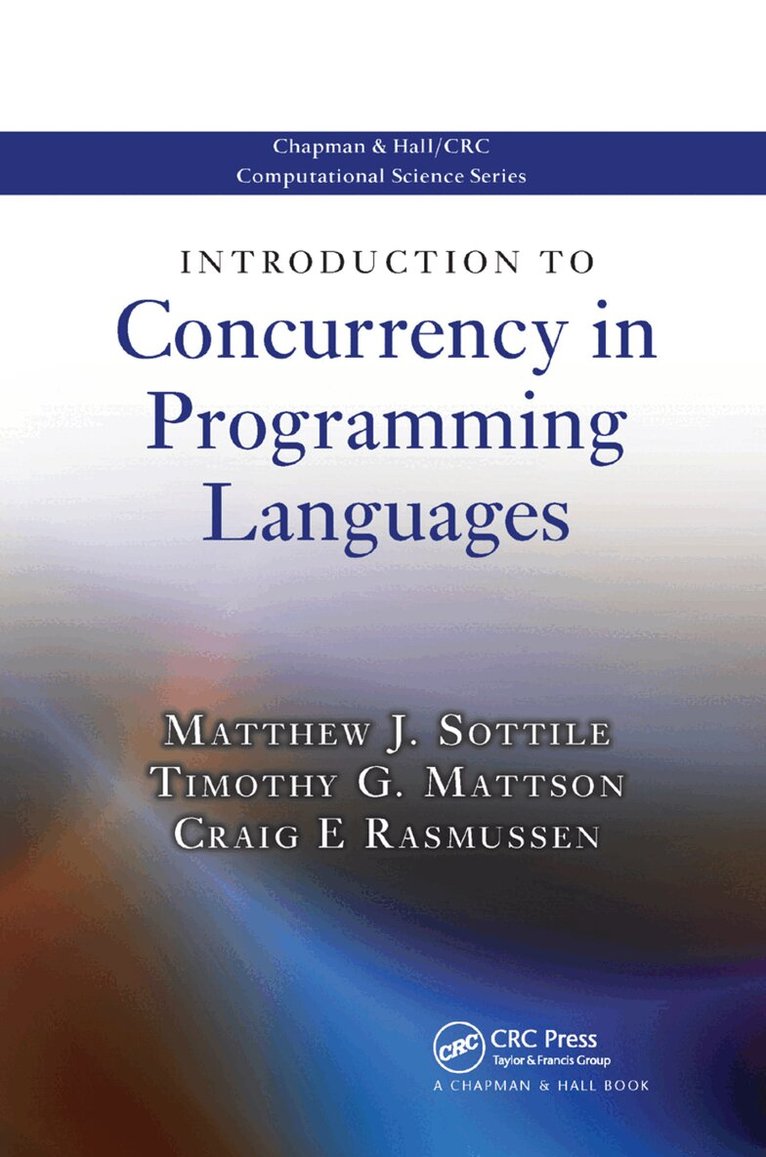
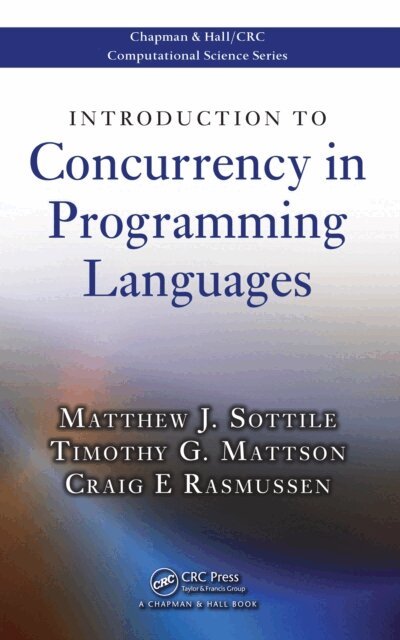
Introduction to Concurrency in Programming Languages
Av Matthew J. Sottile, Timothy G. Mattson m. fl.
Häftad, 2019
1046 kr
Lägg i varukorg
Exploring how concurrent programming can be assisted by language-level techniques, Introduction to Concurrency in Programming Languages presents high-level language techniques for dealing with concurrency in a general context. It provides an understanding of programming languages that offer …
Introduction to Concurrency in Programming Languages
Av Craig E Rasmussen, Timothy G. Mattson m. fl.
E-bok, 2009
1106 kr
Lägg i varukorg
Illustrating the effect of concurrency on programs written in familiar languages, this text focuses on novel language abstractions that truly bring concurrency into the language and aid analysis and compilation tools in generating efficient, correct programs. It also explains the complexity …
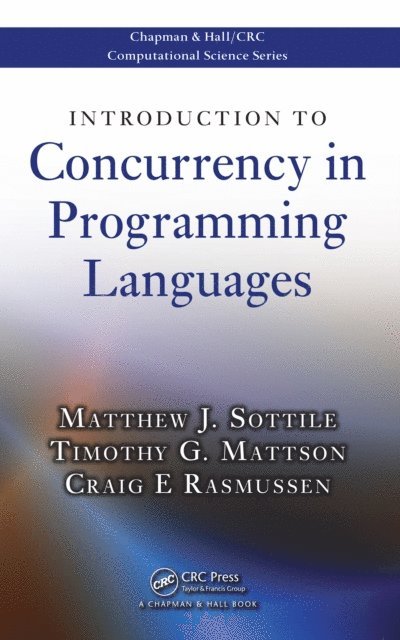
Introduction to Concurrency in Programming Languages
Av Matthew J. Sottile, Timothy G. Mattson m. fl.
Inbunden, 2009
1572 kr
Lägg i varukorg
Exploring how concurrent programming can be assisted by language-level techniques, Introduction to Concurrency in Programming Languages presents high-level language techniques for dealing with concurrency in a general context. It provides an understanding of programming languages that offer …
Introduction to Concurrency in Programming Languages
Av Craig E Rasmussen, Timothy G. Mattson m. fl.
E-bok, 2009
1106 kr
Lägg i varukorg
Illustrating the effect of concurrency on programs written in familiar languages, this text focuses on novel language abstractions that truly bring concurrency into the language and aid analysis and compilation tools in generating efficient, correct programs. It also explains the complexity …