Timothy K. Beal – författare
Visar alla böcker från författaren Timothy K. Beal. Handla med fri frakt och snabb leverans.
16 produkter
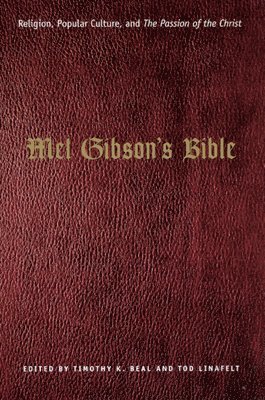
Mel Gibson's Bible
Religion, Popular Culture, and "The Passion of the Christ"
Av Timothy K. Beal, Tod Linafelt
Häftad, 2005
265 kr
Lägg i varukorg
"The Passion of the Christ" was an extraordinary media event. But the film has also, and more importantly, been a religious phenomenon. Mel Gibson's professed intent was to create not just a cinematic experience but a spiritual one. And he has succeeded for many moviegoers, most notably evangelical …
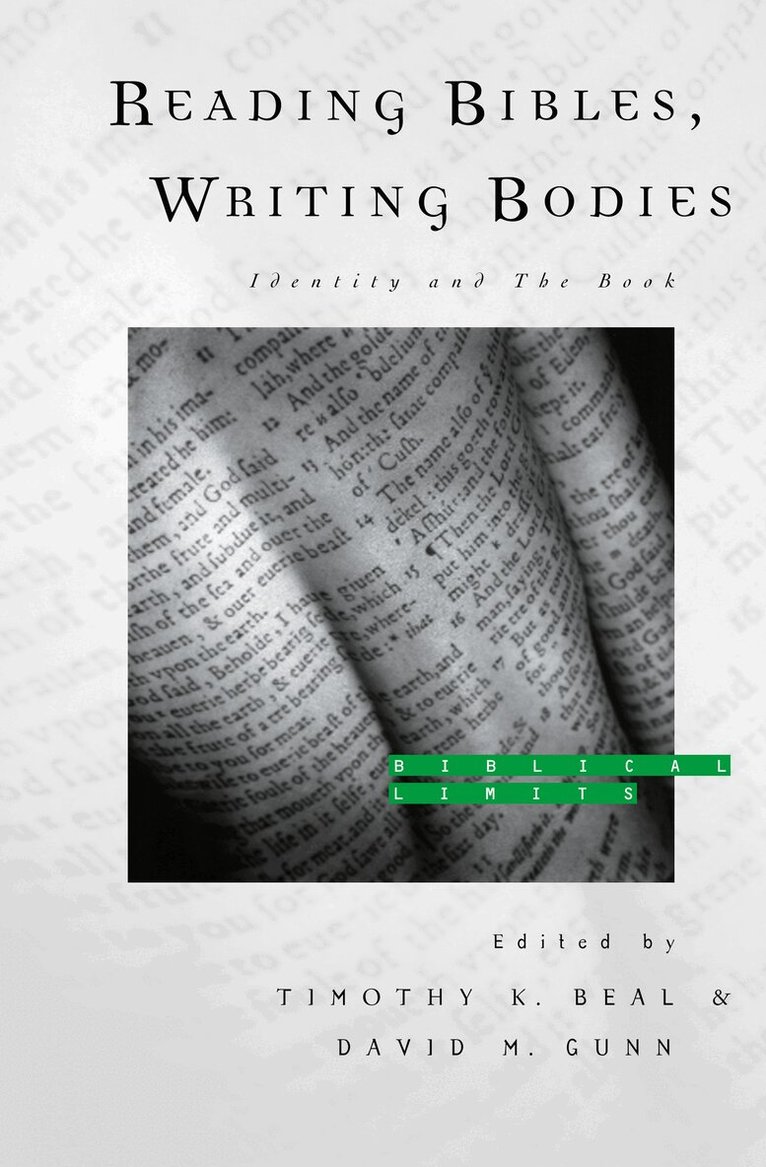
Reading Bibles, Writing Bodies
Identity and The Book
Av Timothy K. Beal, David Gunn
Inbunden, 1996
764 kr
Lägg i varukorg
The Bible is often said to be one of the foundation texts of Western culture. The present volume shows that it goes far beyond being a religious text. The essays explore how religious, political and cultural identities, including ethnicity and gender, are embodied in biblical discourse. Following …
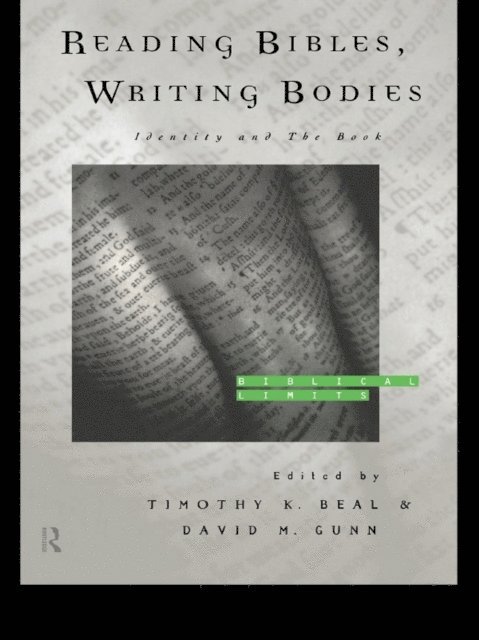
Reading Bibles, Writing Bodies
Identity and The Book
Av Timothy K. Beal, David Gunn
Häftad, 1996
633 kr
Lägg i varukorg
The Bible is often said to be one of the foundation texts of Western culture. The present volume shows that it goes far beyond being a religious text. The essays explore how religious, political and cultural identities, including ethnicity and gender, are embodied in biblical discourse. Following …
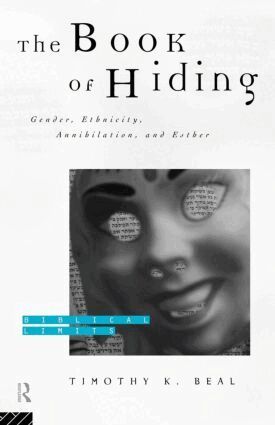
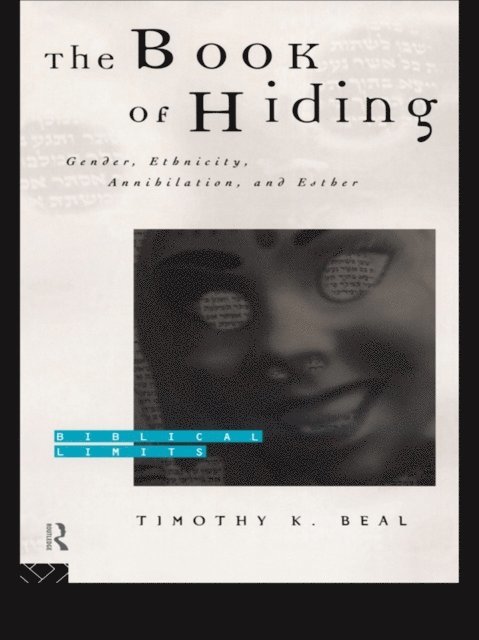
Book of Hiding
Gender, Ethnicity, Annihilation, and Esther
Inbunden, 1997
2512 kr
Lägg i varukorg
The Book of Hiding offers a fluent and erudite analysis of the parallels between the Bible and contemporary discussions of gender, ethnicity and social ambiguity. Beal focuses particularly on the traditionally marginalised book of Esther, in order to examine closely the categories of self and other …
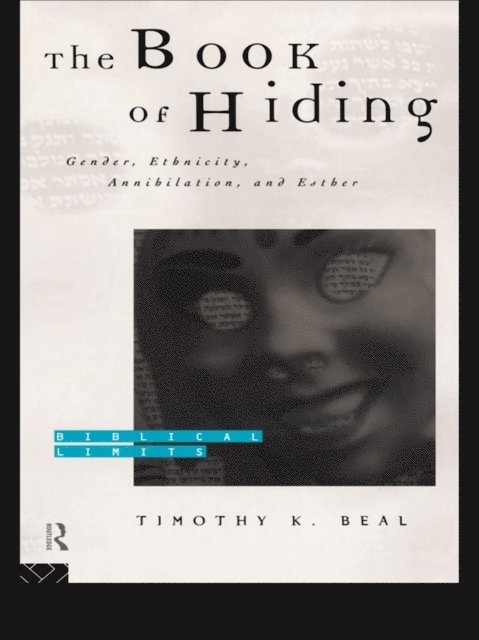
Book of Hiding
Gender, Ethnicity, Annihilation, and Esther
Häftad, 1997
808 kr
Lägg i varukorg
The Book of Hiding offers a fluent and erudite analysis of the parallels between the Bible and contemporary discussions of gender, ethnicity and social ambiguity. Beal focuses particularly on the traditionally marginalised book of Esther, in order to examine closely the categories of self and other …
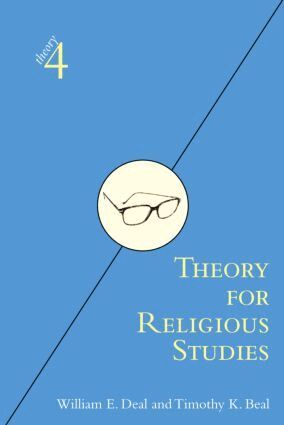
Theory for Religious Studies
Av William E. Deal, Timothy K. Beal
Inbunden, 2004
2512 kr
Lägg i varukorg
In this handy volume, two professors of religious studies provide the student of religious studies - whether the motivated undergraduate, graduate student, or professor - with a brief review of theorists' work from the perspective of religious studies. For example, in 5-10 pages, the reader will …
Theory for Religious Studies
Av William E. Deal, Timothy K. Beal
Häftad, 2004
619 kr
Lägg i varukorg
In this handy volume, two professors of religious studies provide the student of religious studies - whether the motivated undergraduate, graduate student, or professor - with a brief review of theorists' work from the perspective of religious studies. For example, in 5-10 pages, the reader will …
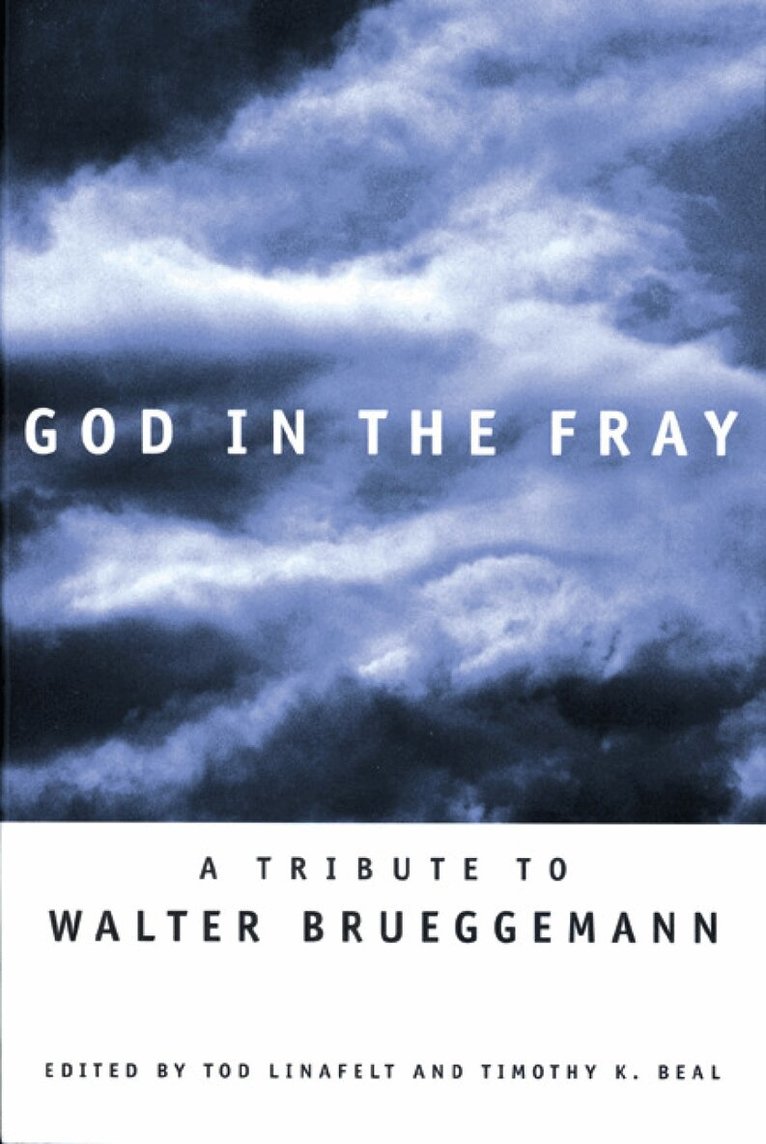
God in the Fray
A Tribute to Walter Brueggemann
Av Timothy K. Beal, Tod Linafelt m. fl.
Häftad, 1998
590 kr
Lägg i varukorg
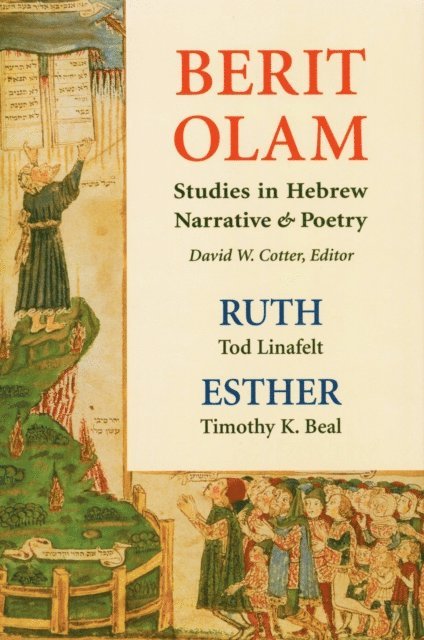
Berit Olam: Ruth and Esther
Av Timothy K. Beal, Tod Linafelt
E-bok, 2016
568 kr
Lägg i varukorg
Some ancient works of literature survive in fragments that appear so simple and complete it's hard to imagine them as being part of a larger narrative. Such is the case with Ruth and Esther. On first reading they appear so simple, so whole, and their meanings so completely self-evident. Yet the …
Book of Hiding
Gender, Ethnicity, Annihilation, and Esther
E-bok, 2002
953 kr
Lägg i varukorg
The Book of Hiding offers a fluent and erudite analysis of the parallels between the Bible and contemporary discussions of gender, ethnicity and social ambiguity. Beal focuses particularly on the traditionally marginalised book of Esther, in order to examine closely the categories of self and other …
Book of Hiding
Gender, Ethnicity, Annihilation, and Esther
E-bok, 2002
925 kr
Lägg i varukorg
The Book of Hiding offers a fluent and erudite analysis of the parallels between the Bible and contemporary discussions of gender, ethnicity and social ambiguity. Beal focuses particularly on the traditionally marginalised book of Esther, in order to examine closely the categories of self and other …
Reading Bibles, Writing Bodies
Identity and The Book
Av David Gunn, Timothy K. Beal
E-bok, 2002
729 kr
Lägg i varukorg
The Bible is often said to be one of the foundation texts of Western culture. The present volume shows that it goes far beyond being a religious text. The essays explore how religious, political and cultural identities, including ethnicity and gender, are embodied in biblical discourse. Following …
Reading Bibles, Writing Bodies
Identity and The Book
Av David Gunn, Timothy K. Beal
E-bok, 2002
729 kr
Lägg i varukorg
The Bible is often said to be one of the foundation texts of Western culture. The present volume shows that it goes far beyond being a religious text. The essays explore how religious, political and cultural identities, including ethnicity and gender, are embodied in biblical discourse. Following …
Theory for Religious Studies
Av Timothy K. Beal, William E. Deal
E-bok, 2004
727 kr
Lägg i varukorg
In this handy volume, two professors of religious studies provide the student of religious studies - whether the motivated undergraduate, graduate student, or professor - with a brief review of theorists'' work from the perspective of religious studies. For example, in 5-10 pages, the reader will …
Theory for Religious Studies
Av Timothy K. Beal, William E. Deal
E-bok, 2004
727 kr
Lägg i varukorg
In this handy volume, two professors of religious studies provide the student of religious studies - whether the motivated undergraduate, graduate student, or professor - with a brief review of theorists'' work from the perspective of religious studies. For example, in 5-10 pages, the reader will …
Mel Gibson's Bible
Religion, Popular Culture, and "The Passion of the Christ"
Av Timothy K. Beal, Tod Linafelt
Inbunden, 2005
587 kr
Tillfälligt slut
"The Passion of the Christ" was an extraordinary media event. But the film has also, and more importantly, been a religious phenomenon. Mel Gibson's professed intent was to create not just a cinematic experience but a spiritual one. And he has succeeded for many moviegoers, most notably evangelical …