Timothy Leonard – författare
Visar alla böcker från författaren . Handla med fri frakt och snabb leverans.
6 produkter
6 produkter
E-bok
Engelska, 201249 kr
Läs direkt efter köp
A hybrid metafictional memoir by a prescient Vietnam veteran.He was in Morocco on 9/11.It blends journalism, history, creative nonfiction and world travel. It incorporates abandonment, loss, exile, renewal, creativity, diversity, kindness and gratitude.
E-bok
Engelska, 201249 kr
Läs direkt efter köp
E-bok
Engelska20 kr
Läs direkt efter köp
Inbunden, Engelska, 2008
1 051 kr
Skickas inom 10-15 vardagar
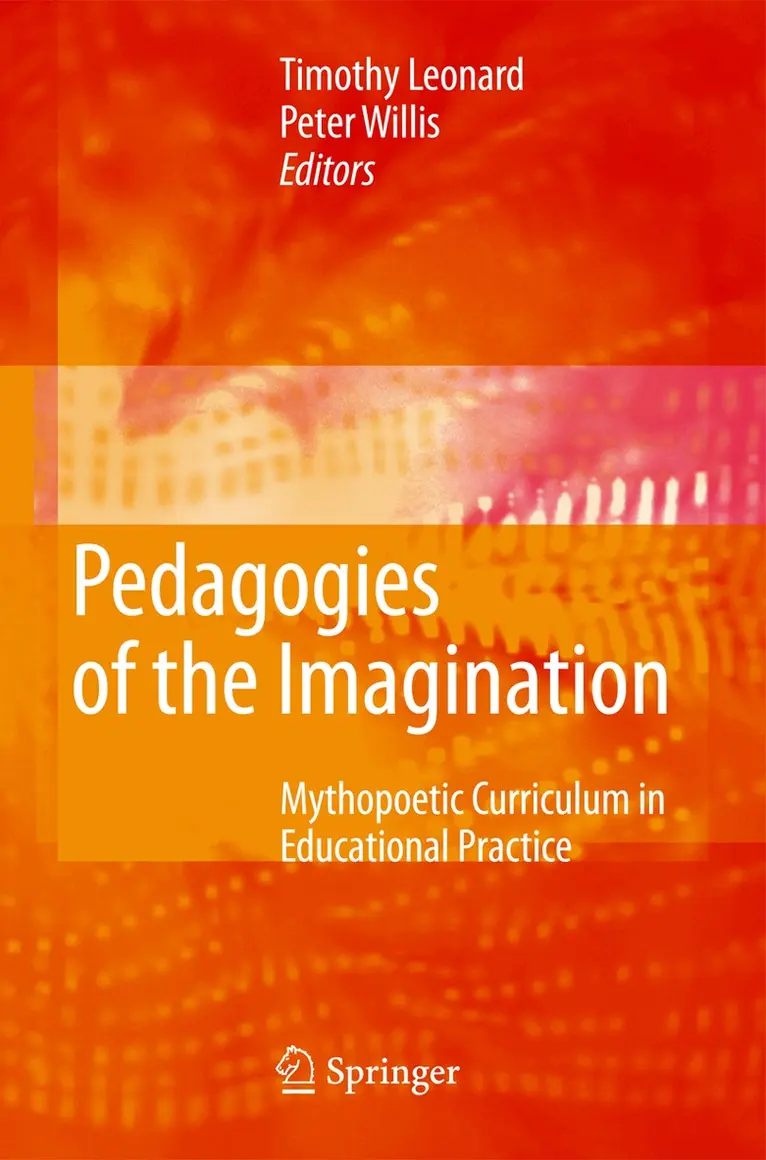
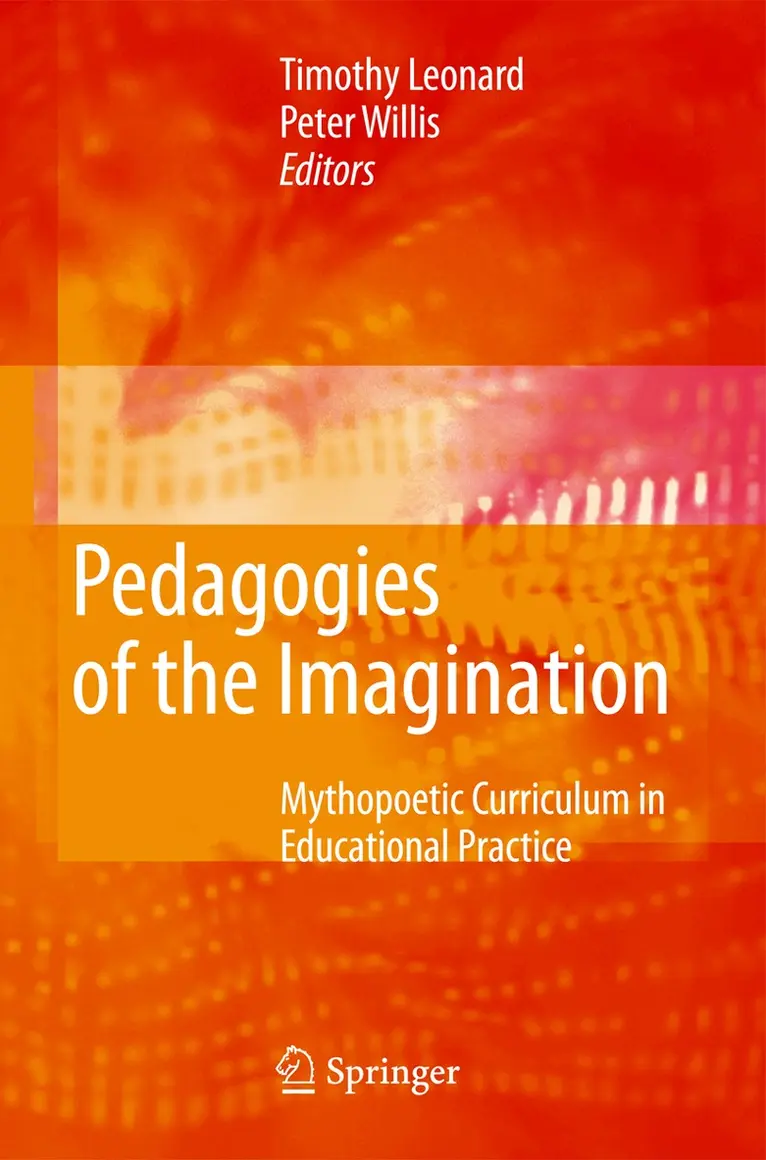
I have long admired the mythopoetic tradition in curriculum studies. That admiration followed from my experience as a high-school teacher of English in a wealthy suburb of New York City at the end of the 1960s. A “dream” job—I taught four classes of 15–20 students during a nine-period day—in a “dream” suburb (where I could afford to reside only by taking a room in a retired teacher’s house), many of these often Ivy-League-bound students had everything but meaningful lives. This middle-class, Midwestern young teacher was flabbergasted. In one sense, my academic life has been devoted to understanding that searing experience. Matters of meaning seemed paramount in the curriculum field to which Paul Klohr introduced me at Ohio State. Klohr assigned me the work of curriculum theorists such as James B. Macdonald. Like Timothy Leonard (who also studied with Klohr at Ohio State) and Peter Willis, Macdonald (1995) understood that school reform was part of a broader cultural and political crisis in which meaning is but one casualty. In the mythopoetic tradition in curriculum studies, scholars labor to understand this crisis and the conditions for the reconstruction of me- ing in our time, in our schools.
E-bok
PDF, Engelska, 20081 373 kr
Läs direkt efter köp
I have long admired the mythopoetic tradition in curriculum studies. That admiration followed from my experience as a high-school teacher of English in a wealthy suburb of New York City at the end of the 1960s. A “dream” job—I taught four classes of 15–20 students during a nine-period day—in a “dream” suburb (where I could afford to reside only by taking a room in a retired teacher’s house), many of these often Ivy-League-bound students had everything but meaningful lives. This middle-class, Midwestern young teacher was flabbergasted. In one sense, my academic life has been devoted to understanding that searing experience. Matters of meaning seemed paramount in the curriculum field to which Paul Klohr introduced me at Ohio State. Klohr assigned me the work of curriculum theorists such as James B. Macdonald. Like Timothy Leonard (who also studied with Klohr at Ohio State) and Peter Willis, Macdonald (1995) understood that school reform was part of a broader cultural and political crisis in which meaning is but one casualty. In the mythopoetic tradition in curriculum studies, scholars labor to understand this crisis and the conditions for the reconstruction of me- ing in our time, in our schools.
Häftad, Engelska, 2010
1 051 kr
Skickas inom 10-15 vardagar
I have long admired the mythopoetic tradition in curriculum studies. That admiration followed from my experience as a high-school teacher of English in a wealthy suburb of New York City at the end of the 1960s. A “dream” job—I taught four classes of 15–20 students during a nine-period day—in a “dream” suburb (where I could afford to reside only by taking a room in a retired teacher’s house), many of these often Ivy-League-bound students had everything but meaningful lives. This middle-class, Midwestern young teacher was flabbergasted. In one sense, my academic life has been devoted to understanding that searing experience. Matters of meaning seemed paramount in the curriculum field to which Paul Klohr introduced me at Ohio State. Klohr assigned me the work of curriculum theorists such as James B. Macdonald. Like Timothy Leonard (who also studied with Klohr at Ohio State) and Peter Willis, Macdonald (1995) understood that school reform was part of a broader cultural and political crisis in which meaning is but one casualty. In the mythopoetic tradition in curriculum studies, scholars labor to understand this crisis and the conditions for the reconstruction of me- ing in our time, in our schools.