Timothy May – författare
Visar alla böcker från författaren Timothy May. Handla med fri frakt och snabb leverans.
16 produkter
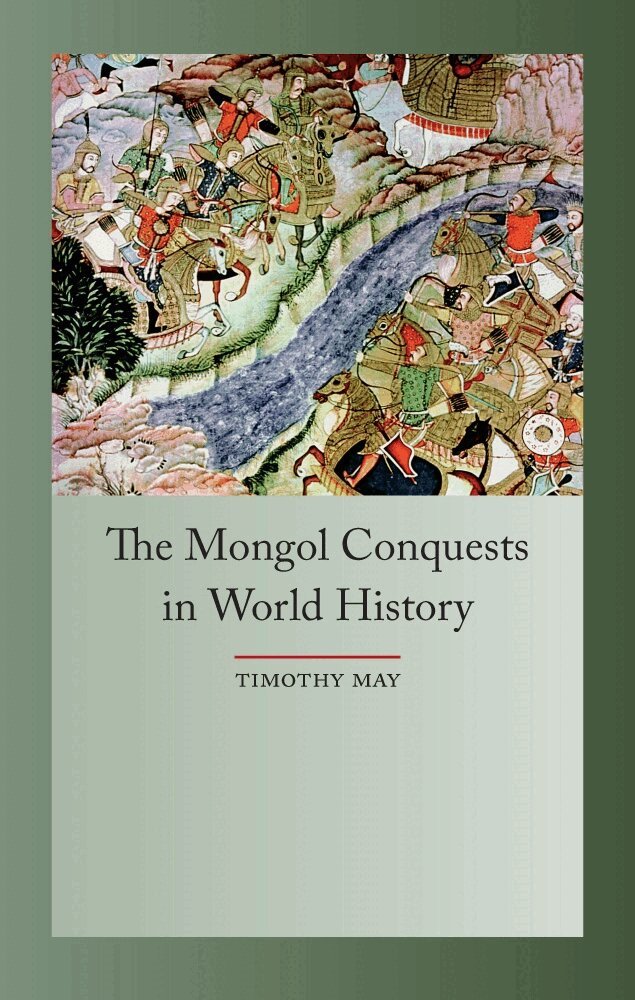
Mongol Conquests in World History
Av Timothy May
Häftad, 2011
539 kr
Lägg i varukorg
The Mongol Empire (c. 1200-1350) in many ways marks the beginning of the modern age, as well as globalization. While communications between the extremes of Eurasia existed prior to the Mongols, they were infrequent and often through intermediaries. The rise of the Mongol Empire changed everything: …
Interpreting the Field
Accounts of Ethnography
Av Colleen A. Hobbs, Timothy May m. fl.
Häftad, 1993
773 kr
Lägg i varukorg
This book has two central aims. First, to demonstrate the importance of qualitative research through an examination of the type of data that it is capable of producing. Second, to do so using first-hand research accounts of ethnographic work. Toward these ends, the contributors cover a variety of …
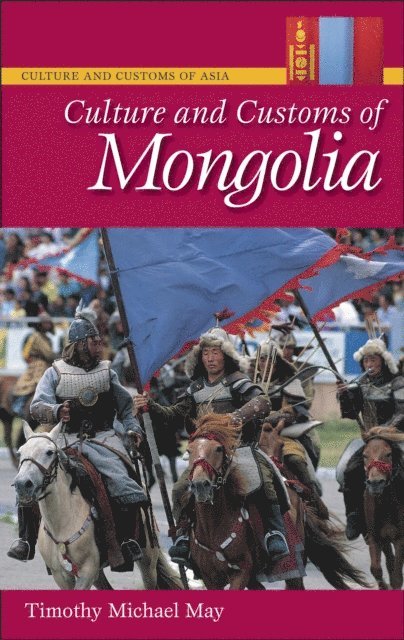
Culture and Customs of Mongolia
Av Timothy May
E-bok, 2008
803 kr
Lägg i varukorg
The Gobi Desert, cold mountainous regions, and harsh climate of Mongolia leave it with one of the lowest population densities in the world. Nonetheless, Mongolians are proud of their long heritage, and carry even today their customs of the past. In this all-inclusive study of contemporary Mongolian …
Culture and Customs of Mongolia
Av Timothy May
Inbunden, 2008
713 kr
Lägg i varukorg
The Gobi Desert, cold mountainous regions, and harsh climate of Mongolia leave it with one of the lowest population densities in the world. Nonetheless, Mongolians are proud of their long heritage, and carry even today their customs of the past. In this all-inclusive study of contemporary Mongolian …
Mongol Empire
Av Timothy May
Häftad, 2018
407 kr
Lägg i varukorg
As the largest contiguous empire in history, the Mongol Empire looms large in history: it permanently changed the map of Eurasia as well as how the world was viewed. As the empire expanded, the Mongols were alternately seen as liberators, destroyers, and harbingers of apocalyptic doom. At the same …
Mongol Empire
Av Timothy May
Inbunden, 2018
2192 kr
Lägg i varukorg
As the largest contiguous empire in history, the Mongol Empire looms large in history: it permanently changed the map of Eurasia as well as how the world was viewed. As the empire expanded, the Mongols were alternately seen as liberators, destroyers, and harbingers of apocalyptic doom. At the same …
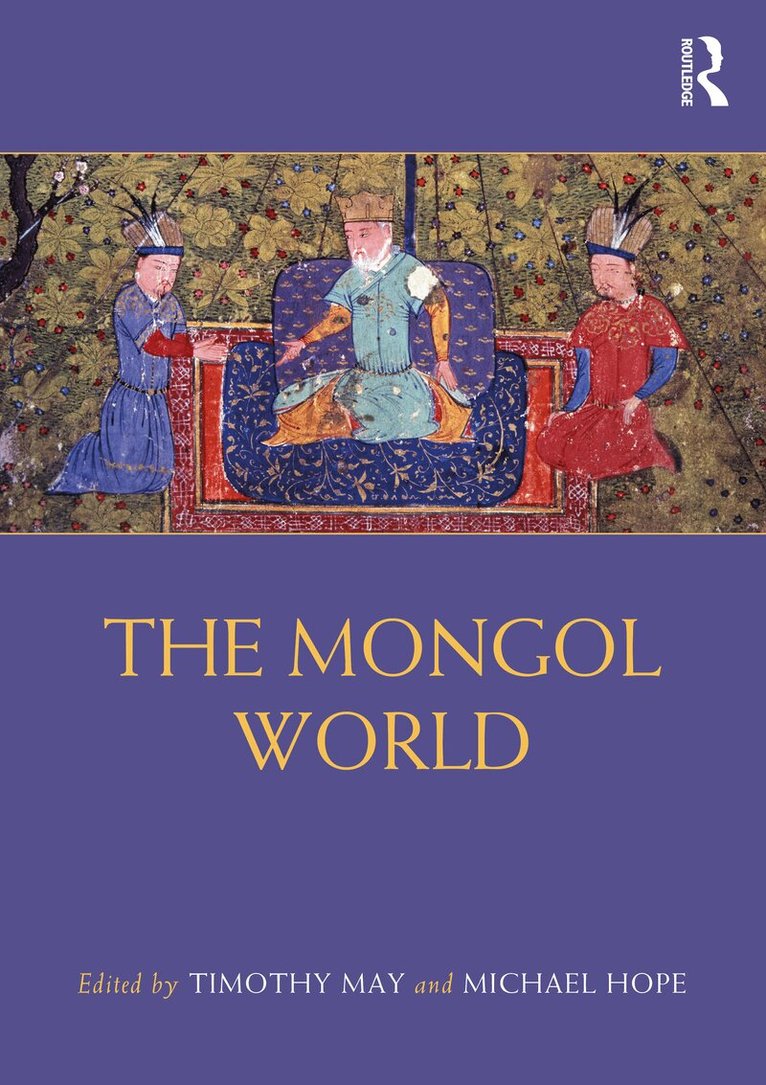
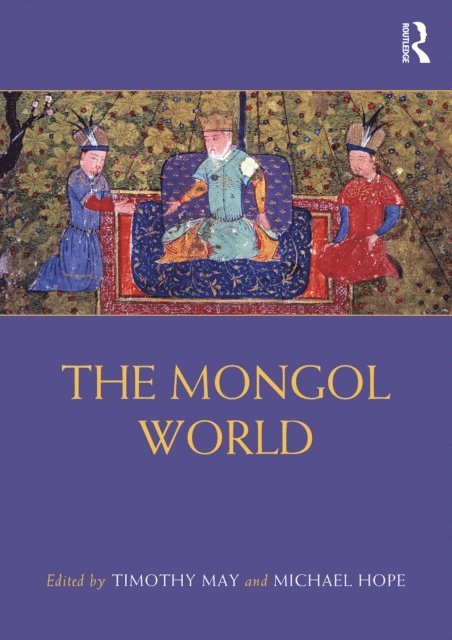
Mongol World
Häftad, 2024
757 kr
Lägg i varukorg
Drawing upon research carried out in several different languages and across a variety of disciplines, The Mongol World documents how Mongol rule shaped the trajectory of Eurasian history from Central Europe to the Korean Peninsula, from the thirteenth century to the fifteenth century.Contributing …
Mongol World
Inbunden, 2022
3904 kr
Lägg i varukorg
Drawing upon research carried out in several different languages and across a variety of disciplines, The Mongol World documents how Mongol rule shaped the trajectory of Eurasian history from Central Europe to the Korean Peninsula, from the thirteenth century to the fifteenth century.Contributing …
Mongol World
E-bok, 2022
892 kr
Lägg i varukorg
Drawing upon research carried out in several different languages and across a variety of disciplines, The Mongol World documents how Mongol rule shaped the trajectory of Eurasian history from Central Europe to the Korean Peninsula, from the thirteenth century to the fifteenth century. Contributing …
Mongol World
E-bok, 2022
892 kr
Lägg i varukorg
Drawing upon research carried out in several different languages and across a variety of disciplines, The Mongol World documents how Mongol rule shaped the trajectory of Eurasian history from Central Europe to the Korean Peninsula, from the thirteenth century to the fifteenth century. Contributing …
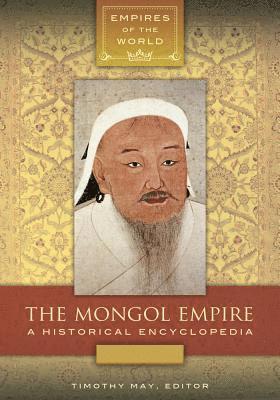
Mongol Empire
A Historical Encyclopedia [2 Volumes]
Av Timothy May
E-bok, 2016
2651 kr
Lägg i varukorg
Covering the rise and fall of the Mongol Empire, this essential reference presents the figures, places, and events that led this once-beleaguered region to rise up to become the largest contiguous empire in history. In the 13th century, Chinggis Khan rose to power, leading an empire of a million …
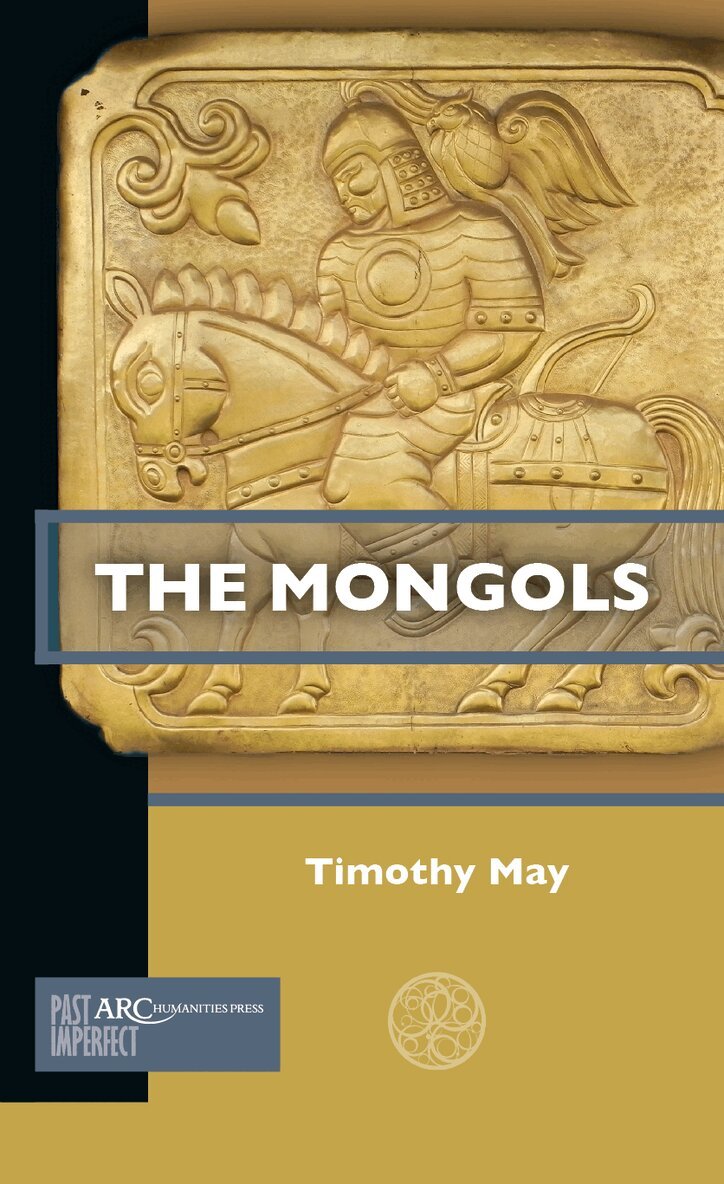
Mongols
Av Timothy May
Häftad, 2019
266 kr
Lägg i varukorg
The Mongols emerged from obscurity to establish the largest contiguous empire in history. Although they are now no longer viewed as simply an unbridled force of destruction, it remains unclear as to how they succeeded in ruling a empire that stretched from the Sea of Japan to the Black Sea. This …
Simply Chinggis
Great Lives
Av Timothy May
E-bok, 2026
77 kr
Lägg i varukorg
The man we know as Chinggis Khan (c. 1162-1227) began as a young boy named Temüjin, who was born in obscurity in the steppes of Asia. Far from immediately setting out to conquer the world, Temüjin had to overcome numerous hardships and setbacks, allowing him to gradually rise from a minor figure to …
New Approaches to Ilkhanid History
Av Timothy May
Inbunden, 2020
2620 kr
Lägg i varukorg
As the title implies, New Approaches to Ilkhanid History explores new methodologies and avenues of research for the Mongol state in the Middle East. Although the majority of the Ilkhanate was situated in Iran, this volume considers other regions within the state and moves away from focusing on the …
Mongol Empire
A Historical Encyclopedia [2 Volumes]
Av Timothy May
E-bok, 2016
2433 kr
Lägg i varukorg
Covering the rise and fall of the Mongol Empire, this essential reference presents the figures, places, and events that led this once-beleaguered region to rise up to become the largest contiguous empire in history. In the 13th century, Chinggis Khan rose to power, leading an empire of a million …