Timothy R. White – författare
Visar alla böcker från författaren . Handla med fri frakt och snabb leverans.
5 produkter
5 produkter
Häftad, Engelska, 2016
329 kr
Skickas inom 5-8 vardagar
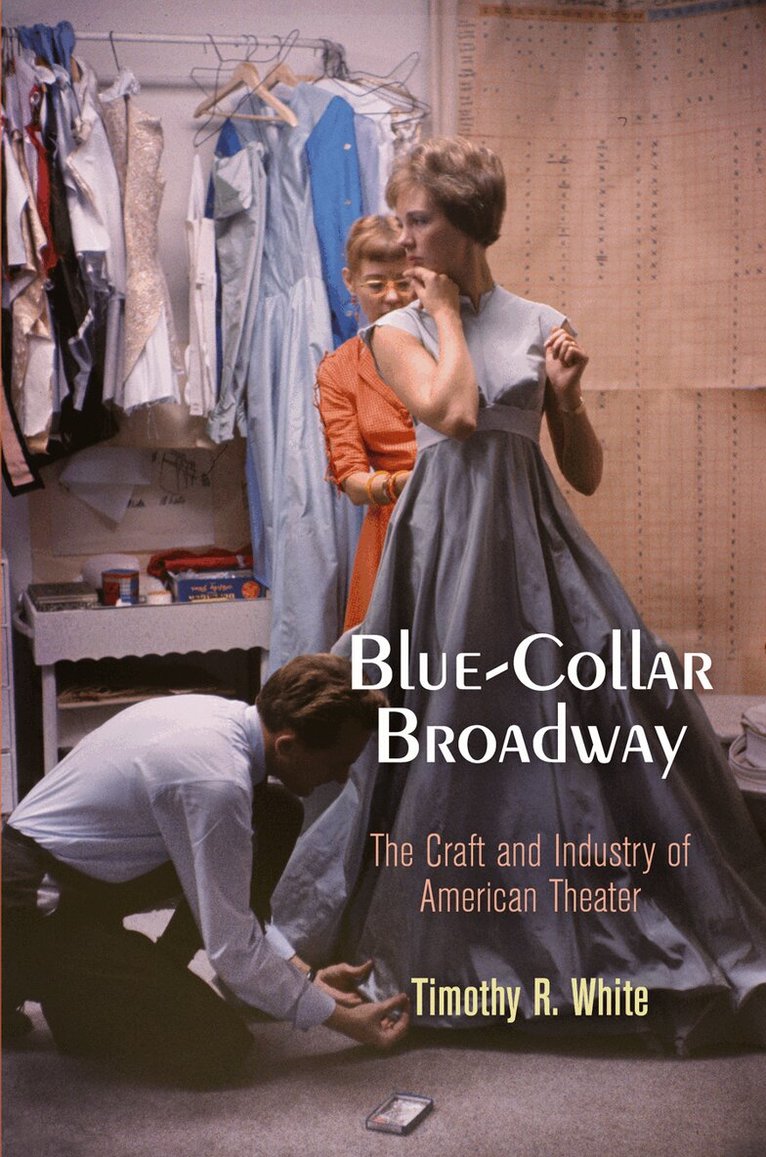
Behind the scenes of New York City's Great White Way, virtuosos of stagecraft have built the scenery, costumes, lights, and other components of theatrical productions for more than a hundred years. But like a good magician who refuses to reveal secrets, they have left few clues about their work. Blue-Collar Broadway recovers the history of those people and the neighborhood in which their undersung labor occurred.Timothy R. White begins his history of the theater industry with the dispersed pre-Broadway era, when components such as costumes, lights, and scenery were built and stored nationwide. Subsequently, the majority of backstage operations and storage were consolidated in New York City during what is now known as the golden age of musical theater. Toward the latter half of the twentieth century, decentralization and deindustrialization brought the emergence of nationally distributed regional theaters and performing arts centers. The resulting collapse of New York's theater craft economy rocked the theater district, leaving abandoned buildings and criminal activity in place of studios and workshops. But new technologies ushered in a new age of tourism and business for the area. The Broadway we know today is a global destination and a glittering showroom for vetted products.Featuring case studies of iconic productions such as Oklahoma! (1943) and Evita (1979), and an exploration of the craftwork of radio, television, and film production around Times Square, Blue-Collar Broadway tells a rich story of the history of craft and industry in American theater nationwide. In addition, White examines the role of theater in urban deindustrialization and in the revival of downtowns throughout the Sunbelt.
Inbunden, Engelska, 2014
1 142 kr
Skickas inom 10-15 vardagar
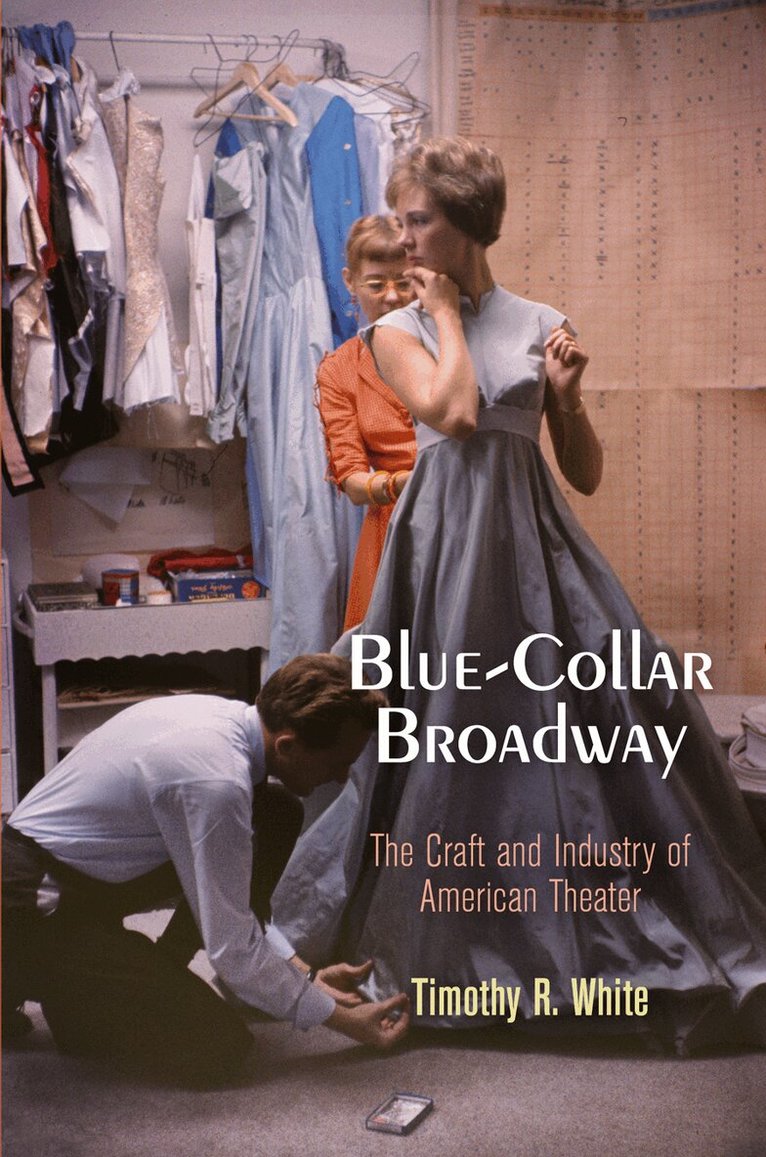
Behind the scenes of New York City's Great White Way, virtuosos of stagecraft have built the scenery, costumes, lights, and other components of theatrical productions for more than a hundred years. But like a good magician who refuses to reveal secrets, they have left few clues about their work. Blue-Collar Broadway recovers the history of those people and the neighborhood in which their undersung labor occurred.Timothy R. White begins his history of the theater industry with the dispersed pre-Broadway era, when components such as costumes, lights, and scenery were built and stored nationwide. Subsequently, the majority of backstage operations and storage were consolidated in New York City during what is now known as the golden age of musical theater. Toward the latter half of the twentieth century, decentralization and deindustrialization brought the emergence of nationally distributed regional theaters and performing arts centers. The resulting collapse of New York's theater craft economy rocked the theater district, leaving abandoned buildings and criminal activity in place of studios and workshops. But new technologies ushered in a new age of tourism and business for the area. The Broadway we know today is a global destination and a glittering showroom for vetted products.Featuring case studies of iconic productions such as Oklahoma! (1943) and Evita (1979), and an exploration of the craftwork of radio, television, and film production around Times Square, Blue-Collar Broadway tells a rich story of the history of craft and industry in American theater nationwide. In addition, White examines the role of theater in urban deindustrialization and in the revival of downtowns throughout the Sunbelt.
E-bok
Engelska, 2014488 kr
Läs direkt efter köp
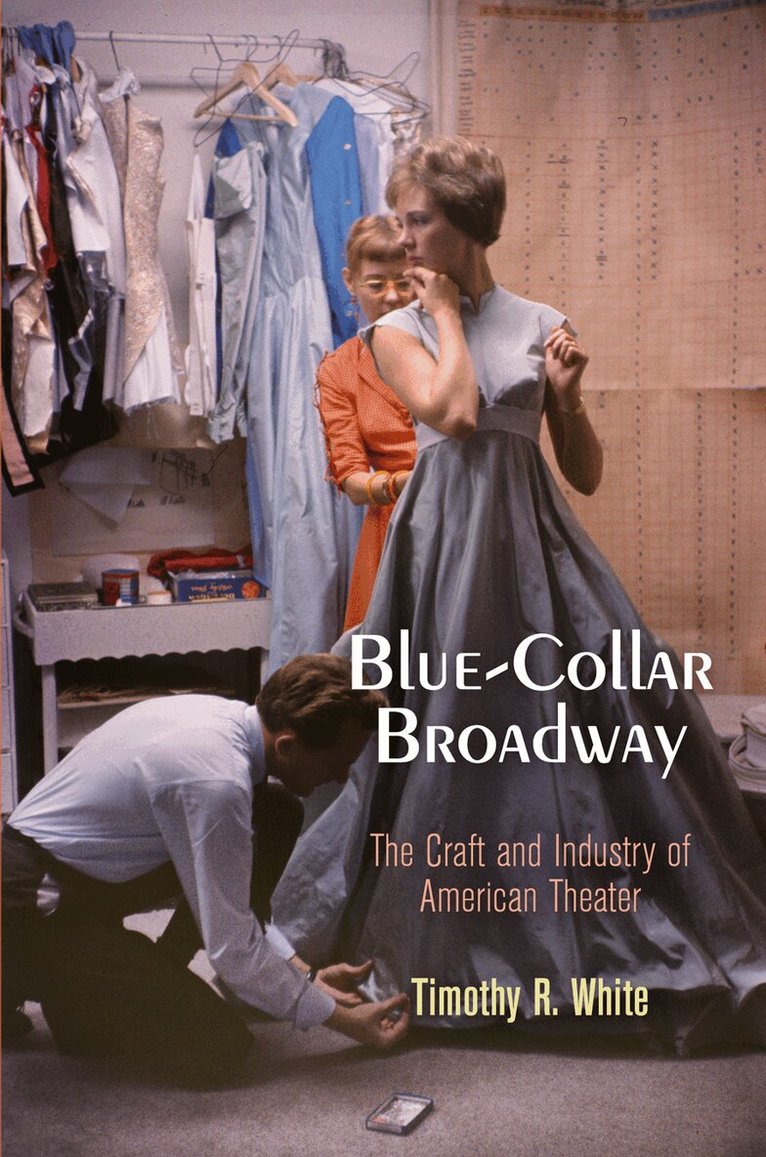
Behind the scenes of New York City's Great White Way, virtuosos of stagecraft have built the scenery, costumes, lights, and other components of theatrical productions for more than a hundred years. But like a good magician who refuses to reveal secrets, they have left few clues about their work. Blue-Collar Broadway recovers the history of those people and the neighborhood in which their undersung labor occurred.Timothy R. White begins his history of the theater industry with the dispersed pre-Broadway era, when components such as costumes, lights, and scenery were built and stored nationwide. Subsequently, the majority of backstage operations and storage were consolidated in New York City during what is now known as the golden age of musical theater. Toward the latter half of the twentieth century, decentralization and deindustrialization brought the emergence of nationally distributed regional theaters and performing arts centers. The resulting collapse of New York's theater craft economy rocked the theater district, leaving abandoned buildings and criminal activity in place of studios and workshops. But new technologies ushered in a new age of tourism and business for the area. The Broadway we know today is a global destination and a glittering showroom for vetted products.Featuring case studies of iconic productions such as Oklahoma! (1943) and Evita (1979), and an exploration of the craftwork of radio, television, and film production around Times Square, Blue-Collar Broadway tells a rich story of the history of craft and industry in American theater nationwide. In addition, White examines the role of theater in urban deindustrialization and in the revival of downtowns throughout the Sunbelt.

Häftad, Engelska, 2015
322 kr
Skickas inom 3-6 vardagar
Inbunden, Engelska, 2015
369 kr
Skickas inom 3-6 vardagar