Tina Blythe – författare
Visar alla böcker från författaren Tina Blythe. Handla med fri frakt och snabb leverans.
6 produkter
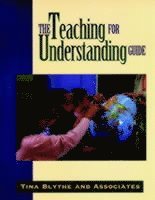
Teaching for Understanding Guide
Av Tina Blythe
Häftad, 1999
374 kr
Lägg i varukorg
"This handbook will both encourage and assist those teachers whotake on the important challenge of helping their students to thinkdeeply and resourcefully and to use that intellectual powerconstructively."--Theodore R. Sizer, chairman, Coalition of Essential Schools Walks teachers through the …
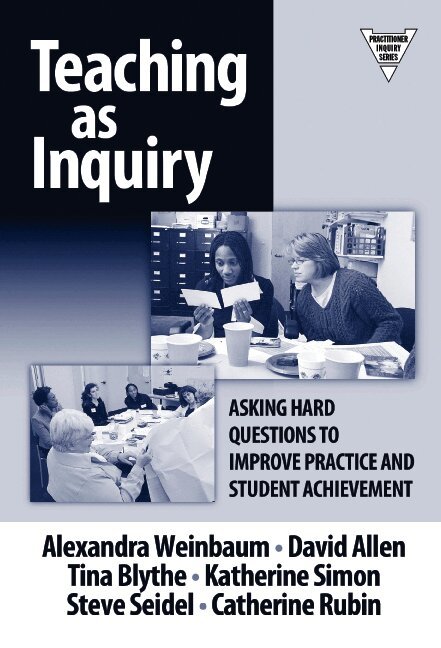
Teaching As Inquiry
Asking Hard Questions to Improve Practice and Student Achievement
Av Alexandra Weinbaum, David Allen m. fl.
Häftad, 2004
320 kr
Lägg i varukorg
This book offers an engaging and effective approach to improving teacher and student learning. Based on the experiences of three leading educational organizations, the authors provide invaluable, research-based guidelines for incorporating inquiry into teacher's instructional practices and student …
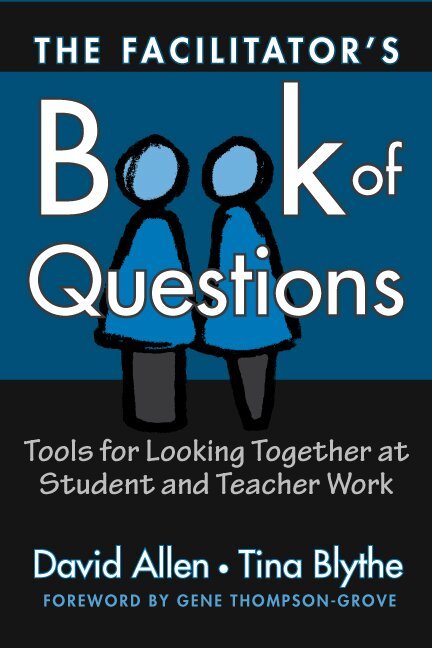
Facilitator's Book of Questions
Tools for Looking Together at Student and Teacher Work
Häftad, 2004
388 kr
Lägg i varukorg
This book of protocols is an essential tool for facilitators of groups working together to examine student and teacher work. A follow-up to Looking Together at Student Work and Assessing Student Learning, this resource considers the purposes for engaging in collaborative review and provides some of …
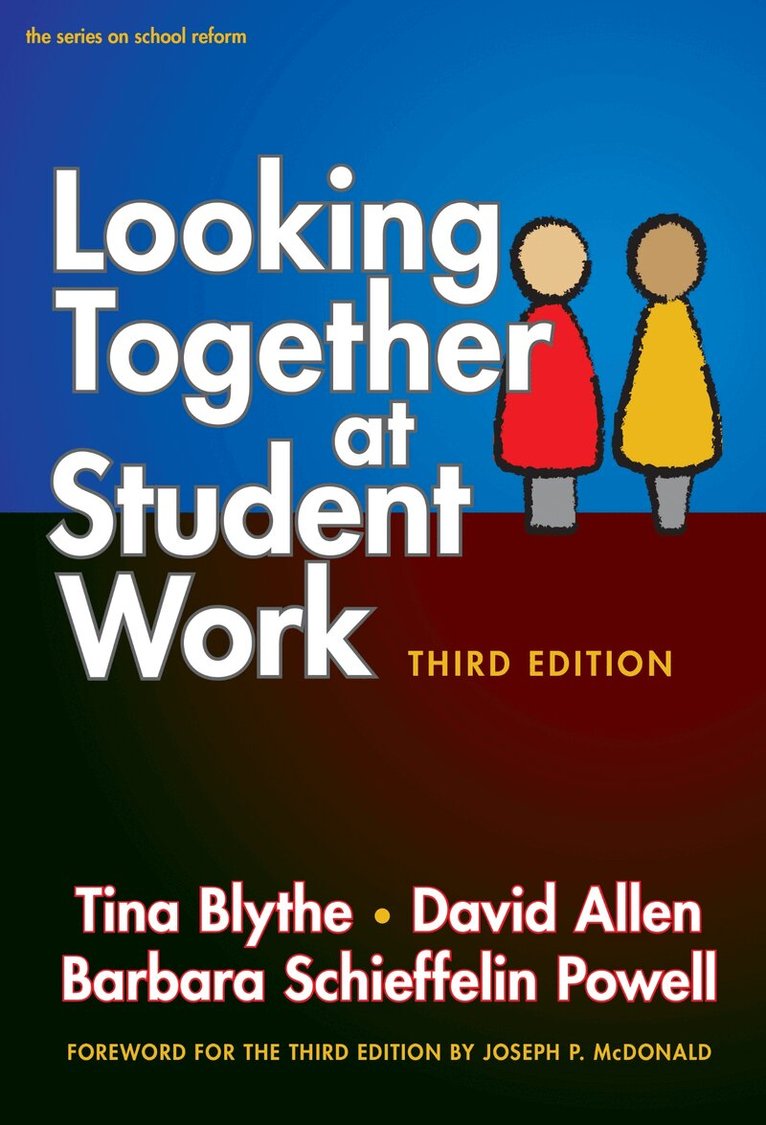
Looking Together at Student Work
Av Tina Blythe, David Allen m. fl.
Häftad, 2015
333 kr
Lägg i varukorg
This bestseller provides teachers and administrators with strategies for examining and discussing student work, such as essays, math problems, projects, artwork, and more. New for the Third Edition: The Microlab Protocol, a relatively quick and easy way to introduce groups to protocol-guided …
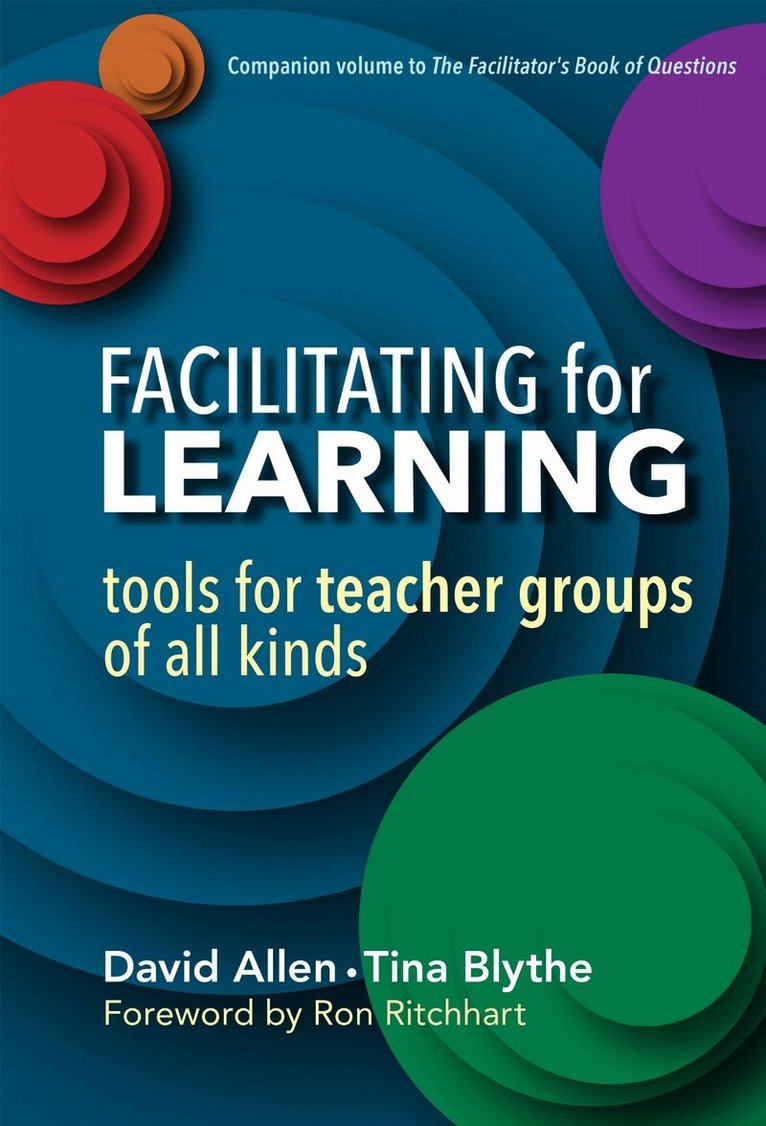
Facilitating for Learning
Tools for Teacher Group of All Kinds
Häftad, 2015
347 kr
Lägg i varukorg
One of the most important shifts in schools in the last two decades has been the growing emphasis on collaboration among teachers and other educators. Whether you are a teacher facilitating a group for the first time or an experienced facilitator seeking to further develop your skills, this book is …
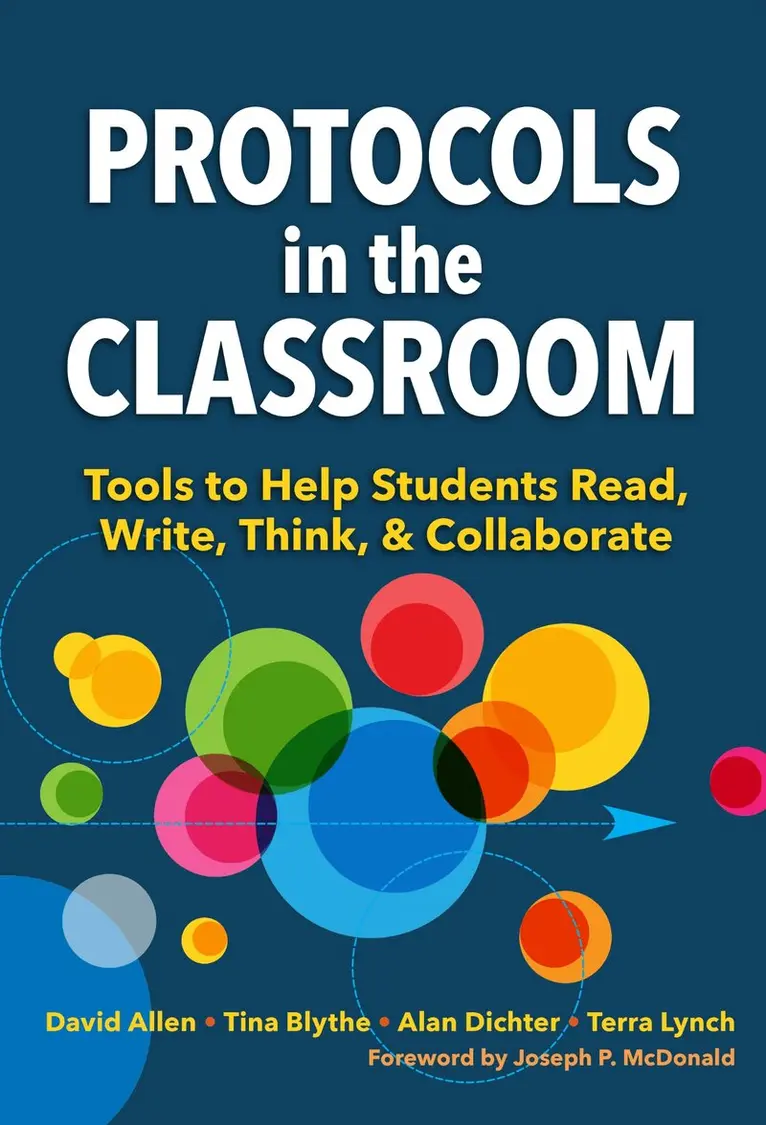
Protocols in the Classroom
Tools to Help Students Read, Write, Think, and Collaborate
Av David Allen, Tina Blythe m. fl.
Häftad, 2018
347 kr
Lägg i varukorg
For nearly two decades, Looking Together at Student Work and The Power of Protocols have sustained educators in their professional learning. Protocols in the Classroom expands the scope of those books from teachers’ professional learning to include students’ learning, providing teachers with the …