Tina Burrett – författare
2 508 kr
Skickas inom 10-15 vardagar
618 kr
Skickas inom 10-15 vardagar
2 269 kr
Skickas inom 10-15 vardagar
671 kr
Skickas inom 10-15 vardagar
706 kr
Läs direkt efter köp
This book analyzes the constraints on press freedom and the ways in which independent reporting and reporters are at risk in contemporary Asia to provide a barometer of democratic development in the region.
Based on in-depth country case studies written by academics and journalists, and some who straddle both professions, from across the region, this book explores the roles of mainstream and online media, and how they are subject to abuse by the state and vested interests. Specific country chapters provide up-to-date information on Bangladesh, Kashmir, Malaysia, Myanmar, Nepal, Pakistan, Sri Lanka, Taiwan, Thailand and Vietnam, as well as on growing populist and nationalist challenges to media freedom in the Philippines, India, Indonesia and Japan. The book includes a theoretical chapter pulling together trends and common constraints facing newsrooms across Asia and a regional overview on the impact of social media. Three chapters on China provide insights into the country’s tightening information environment under President Xi Jinping. Moreover, the legal environment of the media, political and external pressures, economic considerations, audience support and journalists’ standards and ethics are explored.
As an international and interdisciplinary study, this book will appeal to undergraduates, graduates and scholars engaged in human rights, media studies, democratization, authoritarianism and Asian Studies, as well as Asia specialists, journalists, legal scholars, historians and political scientists.
706 kr
Läs direkt efter köp
This book analyzes the constraints on press freedom and the ways in which independent reporting and reporters are at risk in contemporary Asia to provide a barometer of democratic development in the region.
Based on in-depth country case studies written by academics and journalists, and some who straddle both professions, from across the region, this book explores the roles of mainstream and online media, and how they are subject to abuse by the state and vested interests. Specific country chapters provide up-to-date information on Bangladesh, Kashmir, Malaysia, Myanmar, Nepal, Pakistan, Sri Lanka, Taiwan, Thailand and Vietnam, as well as on growing populist and nationalist challenges to media freedom in the Philippines, India, Indonesia and Japan. The book includes a theoretical chapter pulling together trends and common constraints facing newsrooms across Asia and a regional overview on the impact of social media. Three chapters on China provide insights into the country’s tightening information environment under President Xi Jinping. Moreover, the legal environment of the media, political and external pressures, economic considerations, audience support and journalists’ standards and ethics are explored.
As an international and interdisciplinary study, this book will appeal to undergraduates, graduates and scholars engaged in human rights, media studies, democratization, authoritarianism and Asian Studies, as well as Asia specialists, journalists, legal scholars, historians and political scientists.
649 kr
Läs direkt efter köp
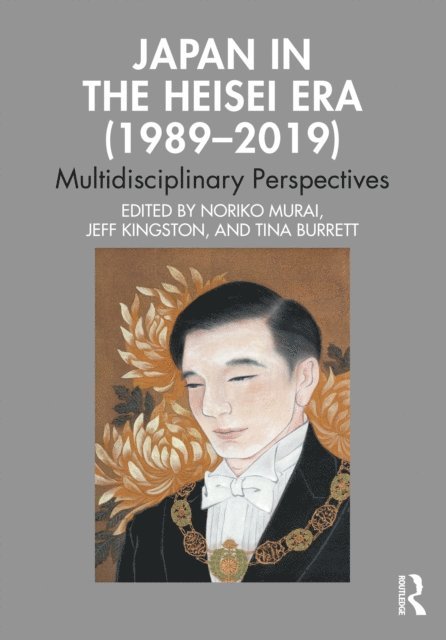
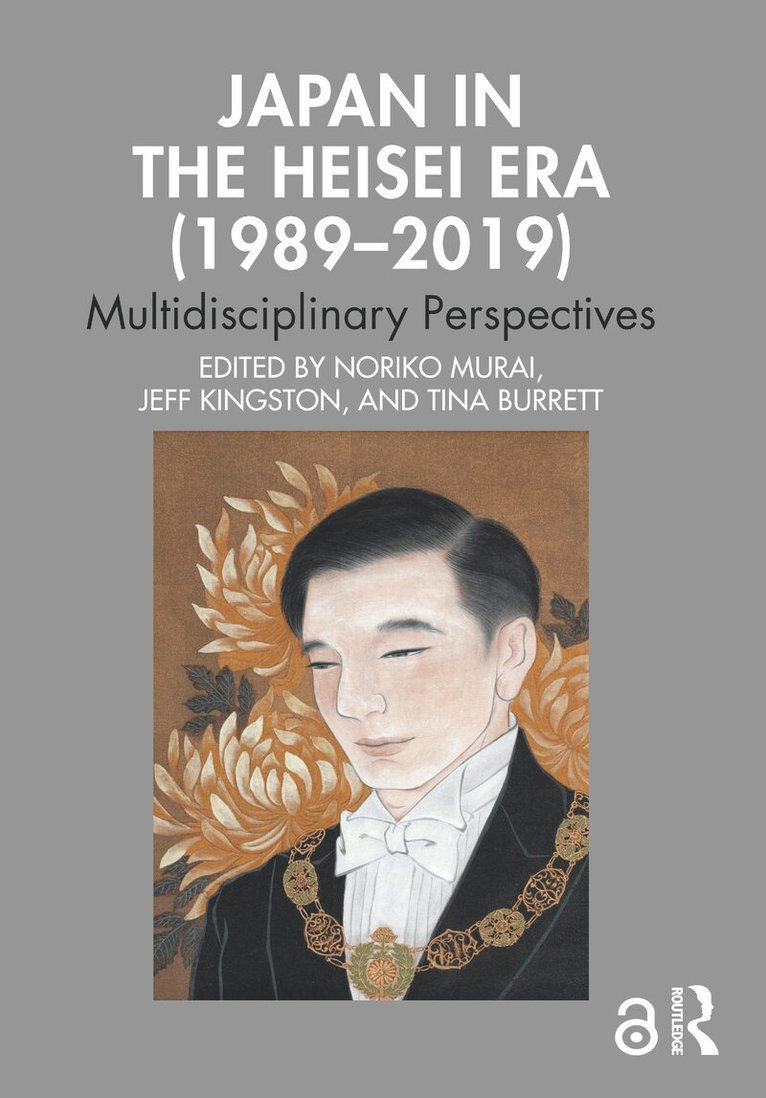
Japan in the Heisei Era (1989–2019)
provides a retrospective and multidisciplinary account of a society in flux. Featuring analyses from leading scholars around the globe, this textbook examines the evolving contexts of Japan throughout the Heisei era and how longstanding verities and values have been called into question. Asking what this holds for Japan’s future relations with the world and within its own communities, chapters delve beneath the layers of a complex and increasingly diverse society, exploring topics including simmering ethnonationalism, economic torpor, political stagnation, and cultural dynamics.
Features of this textbook include:
Analysis of key social issues ranging from immigration, civil society, press freedom, politics, labour and the economy, to diversity, the marginalisation of women, Shinto, and Aum Shinrikyo Evaluation of the legacy of Emperor Akihito on war memory, the imperial institution, art, regional relations, and constitutional revision Multidisciplinary insights from both the social sciences and humanities Rich illustrations for visual analysis of developments in contemporary Japanese literature, film, art, and pop cultureProviding students with dynamic analyses of how contemporary Japanese society continues to transform, this textbook is essential reading for students of Japanese Studies, including Japanese culture, society, history, and politics.
The Introduction and Chapter 19 of this book are freely available as a downloadable Open Access PDF at http://www.taylorfrancis.com under a Creative Commons Attribution-Non Commercial-No Derivatives (CC-BY-NC-ND) 4.0 license.
673 kr
Läs direkt efter köp
Japan in the Heisei Era (1989–2019)
provides a retrospective and multidisciplinary account of a society in flux. Featuring analyses from leading scholars around the globe, this textbook examines the evolving contexts of Japan throughout the Heisei era and how longstanding verities and values have been called into question. Asking what this holds for Japan’s future relations with the world and within its own communities, chapters delve beneath the layers of a complex and increasingly diverse society, exploring topics including simmering ethnonationalism, economic torpor, political stagnation, and cultural dynamics.
Features of this textbook include:
Analysis of key social issues ranging from immigration, civil society, press freedom, politics, labour and the economy, to diversity, the marginalisation of women, Shinto, and Aum Shinrikyo Evaluation of the legacy of Emperor Akihito on war memory, the imperial institution, art, regional relations, and constitutional revision Multidisciplinary insights from both the social sciences and humanities Rich illustrations for visual analysis of developments in contemporary Japanese literature, film, art, and pop cultureProviding students with dynamic analyses of how contemporary Japanese society continues to transform, this textbook is essential reading for students of Japanese Studies, including Japanese culture, society, history, and politics.
The Introduction and Chapter 19 of this book are freely available as a downloadable Open Access PDF at http://www.taylorfrancis.com under a Creative Commons Attribution-Non Commercial-No Derivatives (CC-BY-NC-ND) 4.0 license.
831 kr
Läs direkt efter köp
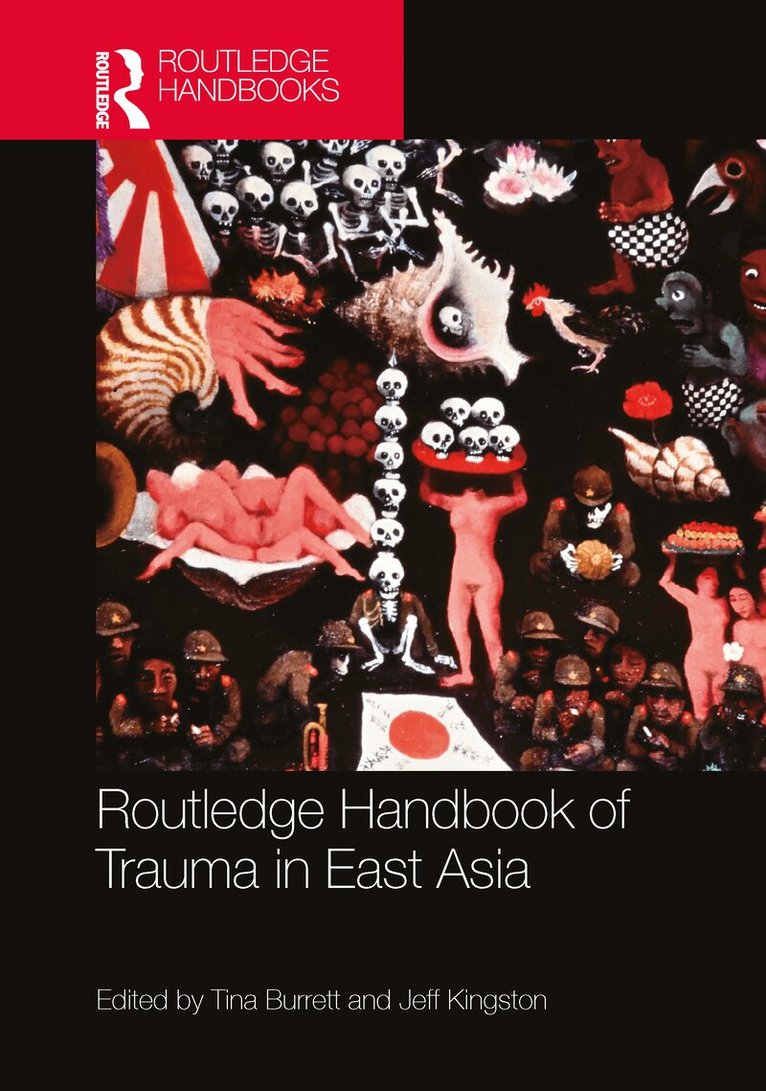
This handbook explores trauma in East Asia from the nineteenth to the twenty-first century, assessing how victims, perpetrators and societies have responded to such experiences and to what extent the legacies still resonate today.
Mapping the trauma-scape of East Asia from an interdisciplinary perspective, including anthropologists, historians, film and literary critics, scholars of law, media and education, political scientists and sociologists, this book significantly enhances understandings of the region’s traumatic pasts and how those memories have since been suppressed, exhumed, represented and disputed. In Asia’s contested memory-scape there is much at stake for perpetrators, their victims and heirs to their respective traumas. The scholarly research in this volume examines the silencing and distortion of traumatic pasts and sustained efforts to interrogate denial and impunity in the search for accountability.
Addressing collective traumas from across East Asia (China, Hong Kong, Japan, Russia, Singapore, South Korea, Taiwan and Vietnam), this book is a valuable resource for students and scholars of Trauma and Memory Studies, Asian Studies and Contemporary Asian History more broadly.
831 kr
Läs direkt efter köp
This handbook explores trauma in East Asia from the nineteenth to the twenty-first century, assessing how victims, perpetrators and societies have responded to such experiences and to what extent the legacies still resonate today.
Mapping the trauma-scape of East Asia from an interdisciplinary perspective, including anthropologists, historians, film and literary critics, scholars of law, media and education, political scientists and sociologists, this book significantly enhances understandings of the region’s traumatic pasts and how those memories have since been suppressed, exhumed, represented and disputed. In Asia’s contested memory-scape there is much at stake for perpetrators, their victims and heirs to their respective traumas. The scholarly research in this volume examines the silencing and distortion of traumatic pasts and sustained efforts to interrogate denial and impunity in the search for accountability.
Addressing collective traumas from across East Asia (China, Hong Kong, Japan, Russia, Singapore, South Korea, Taiwan and Vietnam), this book is a valuable resource for students and scholars of Trauma and Memory Studies, Asian Studies and Contemporary Asian History more broadly.
3 428 kr
Skickas inom 10-15 vardagar
735 kr
Skickas inom 10-15 vardagar
2 306 kr
Kommande
839 kr
Läs direkt efter köp
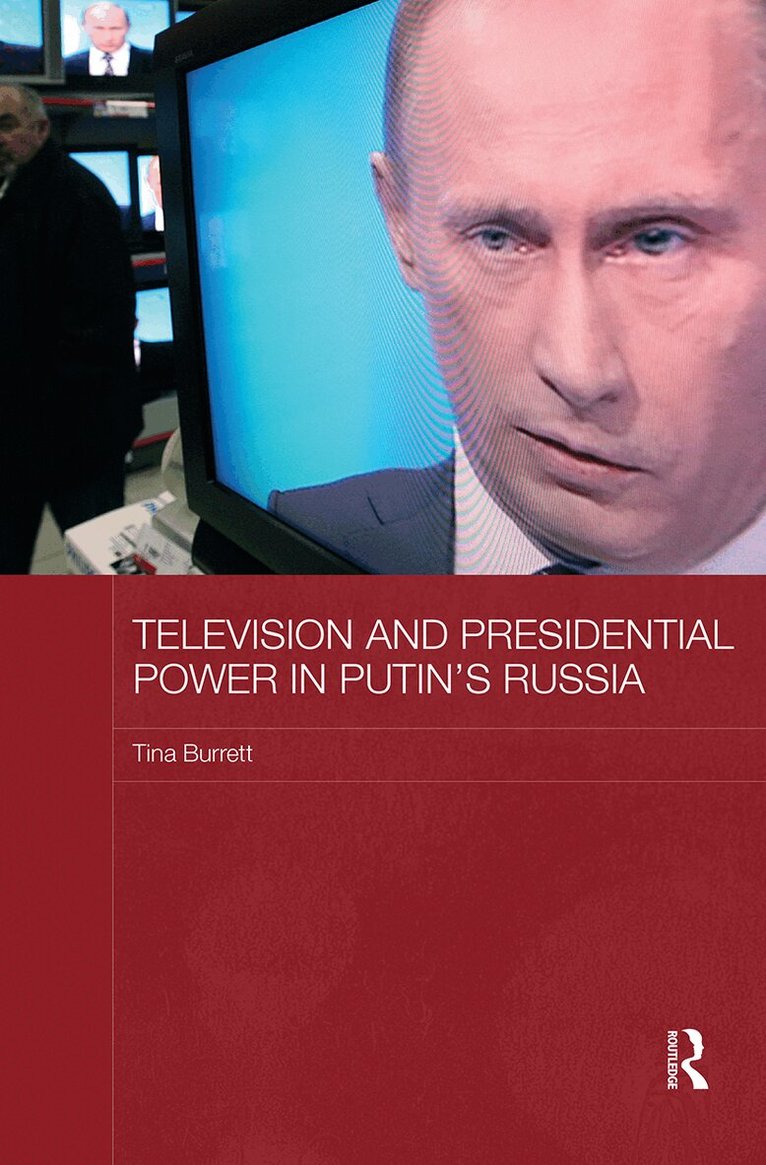
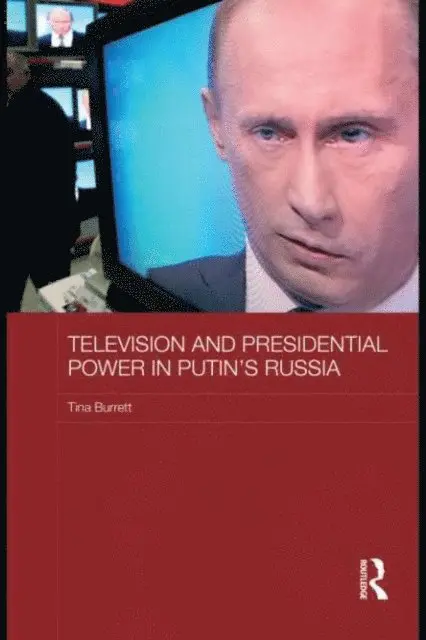
As a new president takes power in Russia, this book provides an analysis of the changing relationship between control of Russian television media and presidential power during the tenure of President Vladimir Putin. It argues that the conflicts within Russia’s political and economic elites, and President Putin’s attempts to rebuild the Russian state after its fragmentation during the Yeltsin administration, are the most significant causes of changes in Russian media. Tina Burrett demonstrates that President Putin sought to increase state control over television as part of a larger programme aimed at strengthening the power of the state and the position of the presidency at its apex, and that such control over the media was instrumental to the success of the president’s wider systemic changes that have redefined the Russian polity.
The book also highlights the ways in which oligarchic media owners in Russia used television for their own political purposes, and that media manipulation was not the exclusive preserve of the Kremlin, but a common pattern of behaviour in elite struggles in the post-Soviet era. Basing its analysis predominately on interviews with key players in the Moscow media and political elites, and on secondary sources drawn from the Russian and Western media, the book examines broad themes that have been the subject of constant media interest, and have relevance beyond the confines of Russian politics.
839 kr
Läs direkt efter köp
As a new president takes power in Russia, this book provides an analysis of the changing relationship between control of Russian television media and presidential power during the tenure of President Vladimir Putin. It argues that the conflicts within Russia’s political and economic elites, and President Putin’s attempts to rebuild the Russian state after its fragmentation during the Yeltsin administration, are the most significant causes of changes in Russian media. Tina Burrett demonstrates that President Putin sought to increase state control over television as part of a larger programme aimed at strengthening the power of the state and the position of the presidency at its apex, and that such control over the media was instrumental to the success of the president’s wider systemic changes that have redefined the Russian polity.
The book also highlights the ways in which oligarchic media owners in Russia used television for their own political purposes, and that media manipulation was not the exclusive preserve of the Kremlin, but a common pattern of behaviour in elite struggles in the post-Soviet era. Basing its analysis predominately on interviews with key players in the Moscow media and political elites, and on secondary sources drawn from the Russian and Western media, the book examines broad themes that have been the subject of constant media interest, and have relevance beyond the confines of Russian politics.
1 407 kr
Skickas inom 10-15 vardagar
1 733 kr
Läs direkt efter köp
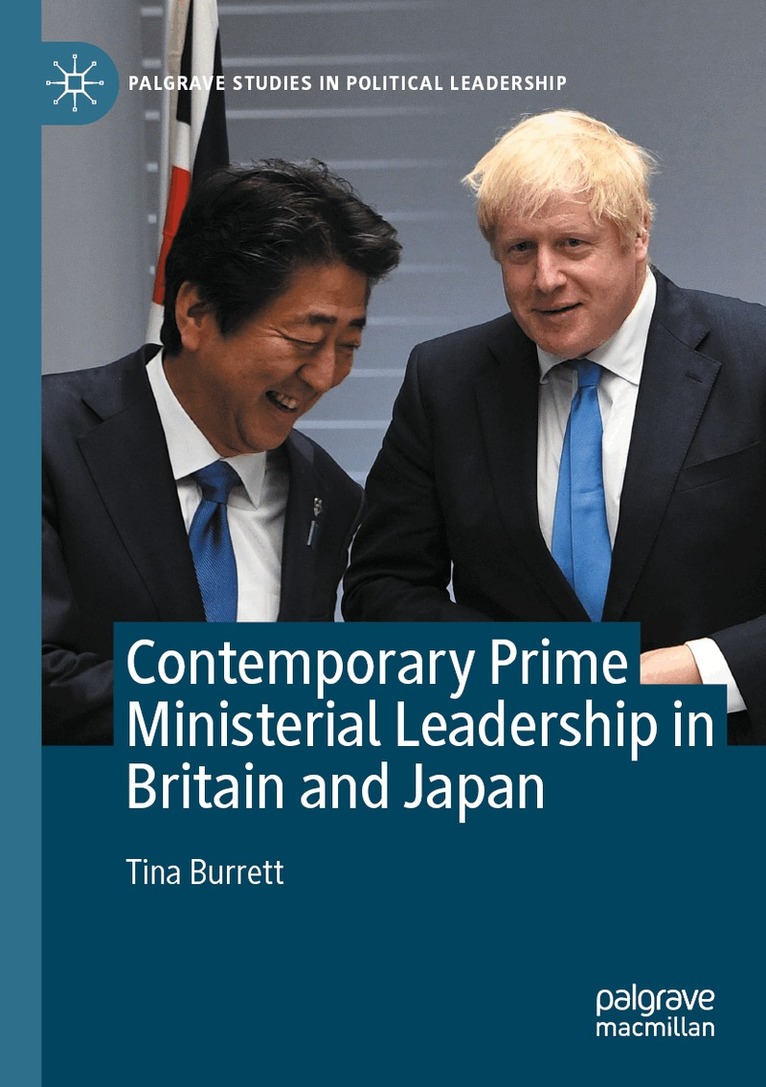
The book addresses questions important to aspiring politicians as well as scholars, including: What accounts for the short tenure of most Japanese prime ministers? Does comparison with Japan explain the rapid turnover in British prime ministers since 2016? How is the influence of party factions on prime ministerial power evolving in Japan? Are British political parties more factional than commonly acknowledged? And how do changes in media technology affect leadership opportunities and constraints?
Thebook draws on the author’s experience as a political researcher in both the British and Japanese parliaments and on interviews with over 40 politicians and political journalists working in both countries.
2 198 kr
Skickas inom 10-15 vardagar
80 kr
Skickas
1 407 kr
Skickas inom 10-15 vardagar