Tina Skouen – författare
Visar alla böcker från författaren Tina Skouen. Handla med fri frakt och snabb leverans.
3 produkter
3 produkter
734 kr
Skickas inom 10-15 vardagar
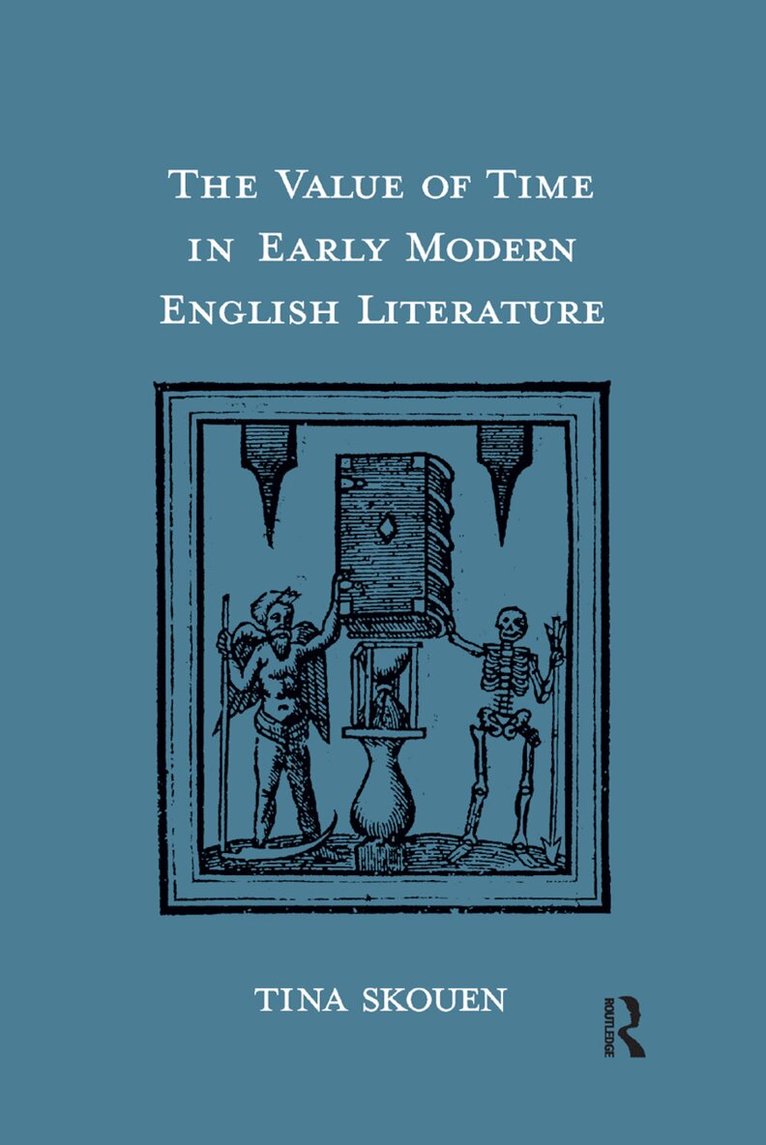
The stigma of haste pervaded early modern English culture, more so than the so-called stigma of print. The period’s writers were perpetually short on time, but what does it mean for authors to present themselves as hasty or slow, or to characterize others similarly? This book argues that such classifications were a way to define literary value. To be hasty was, in a sense, to be irresponsible, but, in another sense, it signaled a necessary practicality. Expressions of haste revealed a deep conflict between the ideal of slow writing in classical and humanist rhetoric and the sometimes grim reality of fast printing. Indeed, the history of print is a history of haste, which carries with it a particular set of modern anxieties that are difficult to understand in the absence of an interdisciplinary approach. Many previous studies have concentrated on the period’s competing definitions of time and on the obsession with how to use time well. Other studies have considered time as a notable literary theme. This book is the first to connect ideas of time to writerly haste in a richly interdisciplinary manner, drawing upon rhetorical theory, book history, poetics, religious studies and early modern moral philosophy, which, only when taken together, provide a genuinely deep understanding of why the stigma of haste so preoccupied the early modern mind. The Value of Time in Early Modern English Literature surveys the period from ca 1580 to ca 1730, with special emphasis on the seventeenth century. The material discussed is found in emblem books, devotional literature, philosophical works, and collections of poetry, drama and romance. Among classical sources, Horace and Quintilian are especially important. The main authors considered are: Robert Parsons; Edmund Bunny; King James 1; Henry Peacham; Thomas Nash; Robert Greene; Ben Jonson; Margaret Cavendish; John Dryden; Richard Baxter; Jonathan Swift; Alexander Pope. By studying these writers’ expressions of time
2 454 kr
Skickas inom 10-15 vardagar
The stigma of haste pervaded early modern English culture, more so than the so-called stigma of print. The period’s writers were perpetually short on time, but what does it mean for authors to present themselves as hasty or slow, or to characterize others similarly? This book argues that such classifications were a way to define literary value. To be hasty was, in a sense, to be irresponsible, but, in another sense, it signaled a necessary practicality. Expressions of haste revealed a deep conflict between the ideal of slow writing in classical and humanist rhetoric and the sometimes grim reality of fast printing. Indeed, the history of print is a history of haste, which carries with it a particular set of modern anxieties that are difficult to understand in the absence of an interdisciplinary approach. Many previous studies have concentrated on the period’s competing definitions of time and on the obsession with how to use time well. Other studies have considered time as a notable literary theme. This book is the first to connect ideas of time to writerly haste in a richly interdisciplinary manner, drawing upon rhetorical theory, book history, poetics, religious studies and early modern moral philosophy, which, only when taken together, provide a genuinely deep understanding of why the stigma of haste so preoccupied the early modern mind. The Value of Time in Early Modern English Literature surveys the period from ca 1580 to ca 1730, with special emphasis on the seventeenth century. The material discussed is found in emblem books, devotional literature, philosophical works, and collections of poetry, drama and romance. Among classical sources, Horace and Quintilian are especially important. The main authors considered are: Robert Parsons; Edmund Bunny; King James 1; Henry Peacham; Thomas Nash; Robert Greene; Ben Jonson; Margaret Cavendish; John Dryden; Richard Baxter; Jonathan Swift; Alexander Pope. By studying these writers’ expressions of time and haste, we may gain a better understanding of how authorship was defined at a time when the book industry was gradually taking the place of classical rhetoric in regulating writers’ activities.
Del 3 - Scholarly Communication
Rhetoric and the Early Royal Society
A Sourcebook
Inbunden, Engelska, 2014
2 693 kr
Skickas inom 3-6 vardagar
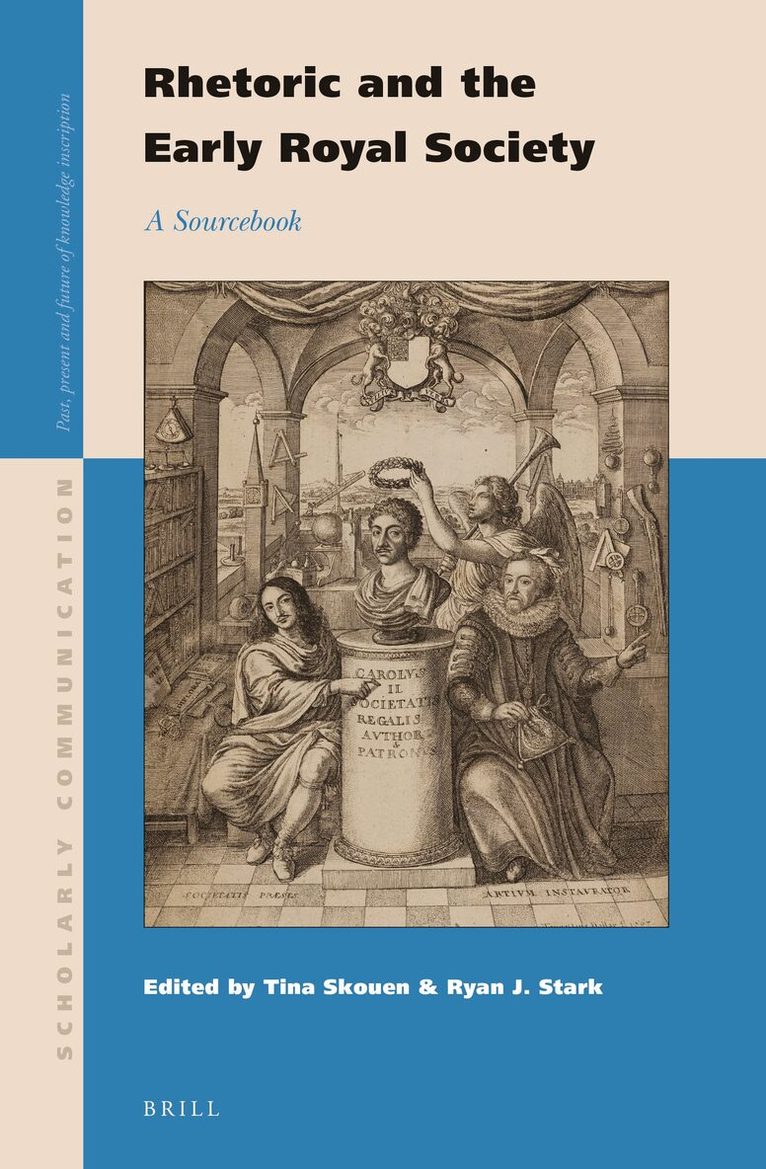
The Royal Society’s establishment in 1660 signaled a new beginning for the rhetoric of science, mainly because the organization’s founders advocated a modern plain style for scientific communication. Rhetoric and the Early Royal Society aims to initiate fresh debates about this watershed event in the history of rhetoric and science. In the last twenty years, scholars in numerous disciplines have produced significant work, ranging from theoretical essays to case studies of founding members such as Wilkins, Hooke and Boyle. This is the first book to collect in one volume the key contributions. The newly written introduction by editors Skouen and Stark places the reprinted essays into perspective by evaluating the Society’s pioneering role in shaping modern scholarly communication.