Tita Chico - Böcker
Visar alla böcker från författaren Tita Chico. Handla med fri frakt och snabb leverans.
5 produkter
5 produkter
865 kr
Skickas inom 7-10 vardagar
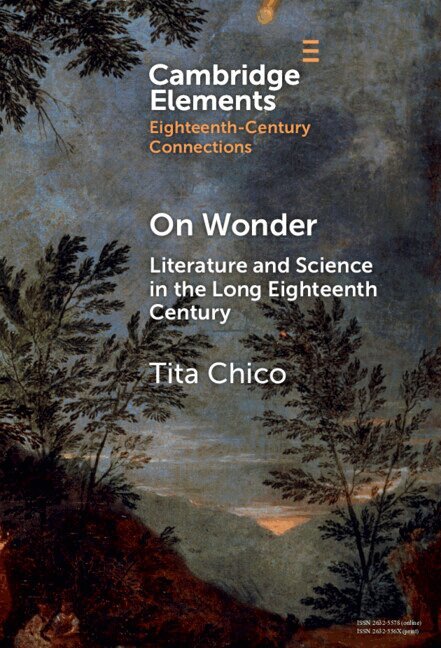
This is an Element about wonder − as an object, as a feeling, as an invitation to study, and as a way of thinking in both literary and scientific texts of the long eighteenth century. Wonder is at the heart of natural philosophical inquiry in the long eighteenth century, its inaugural provocation, its long-standing problematic. Yet wonder requires observation and imagination, operating together, if uneasily, to give shape to forms of scientific, literary, and social knowledge, shaping how thinking works − and who can do it. Studying wonder in the long eighteenth century helps us to understand our current disciplinary configurations, and also how wonder itself embodies the potential for a more capacious critical practice. Studying wonder as an epistemology, praxis, and thematic in the long eighteenth century also carries the promise of invigorating and reimagining our own critical, creative endeavors.
269 kr
Skickas inom 7-10 vardagar
This is an Element about wonder − as an object, as a feeling, as an invitation to study, and as a way of thinking in both literary and scientific texts of the long eighteenth century. Wonder is at the heart of natural philosophical inquiry in the long eighteenth century, its inaugural provocation, its long-standing problematic. Yet wonder requires observation and imagination, operating together, if uneasily, to give shape to forms of scientific, literary, and social knowledge, shaping how thinking works − and who can do it. Studying wonder in the long eighteenth century helps us to understand our current disciplinary configurations, and also how wonder itself embodies the potential for a more capacious critical practice. Studying wonder as an epistemology, praxis, and thematic in the long eighteenth century also carries the promise of invigorating and reimagining our own critical, creative endeavors.
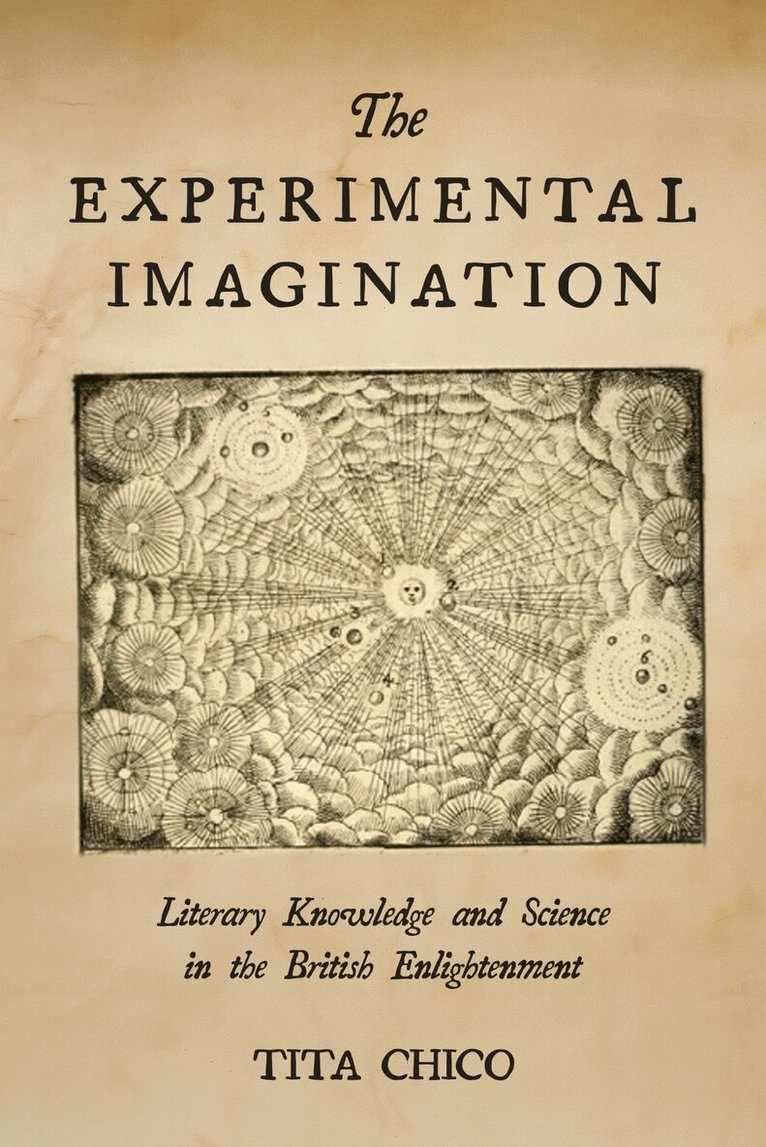
Experimental Imagination
Literary Knowledge and Science in the British Enlightenment
Inbunden, Engelska, 2018
1 452 kr
Skickas inom 7-10 vardagar
Challenging the "two cultures" debate, The Experimental Imagination tells the story of how literariness came to be distinguished from its epistemological sibling, science, as a source of truth about the natural and social worlds in the British Enlightenment. Tita Chico shows that early science relied on what she calls literary knowledge to present its experimental findings. More radically, she contends that science was made intellectually possible because its main discoveries and technologies could be articulated in literary terms. While early scientists deployed metaphor to describe the phenomena they defined and imagination to cast themselves as experimentalists, literary writers used scientific metaphors to make the case for the epistemological superiority of literary knowledge. Drawing on literature as well as literary language, tropes, and interpretive methods, literary knowledge challenges our dominant narrative of the scientific revolution as the sine qua non of epistemological innovation in the British Enlightenment. With its recourse to imagination as a more reliable source of truth than any empirical account, literary knowledge facilitates a redefinition of authority and evidence, as well as of the self and society, implicitly articulating the difference that would come to distinguish the arts and sciences.
Experimental Imagination
Literary Knowledge and Science in the British Enlightenment
Häftad, Engelska, 2020
354 kr
Skickas inom 7-10 vardagar
Challenging the "two cultures" debate, The Experimental Imagination tells the story of how literariness came to be distinguished from its epistemological sibling, science, as a source of truth about the natural and social worlds in the British Enlightenment. Tita Chico shows that early science relied on what she calls literary knowledge to present its experimental findings. More radically, she contends that science was made intellectually possible because its main discoveries and technologies could be articulated in literary terms. While early scientists deployed metaphor to describe the phenomena they defined and imagination to cast themselves as experimentalists, literary writers used scientific metaphors to make the case for the epistemological superiority of literary knowledge. Drawing on literature as well as literary language, tropes, and interpretive methods, literary knowledge challenges our dominant narrative of the scientific revolution as the sine qua non of epistemological innovation in the British Enlightenment. With its recourse to imagination as a more reliable source of truth than any empirical account, literary knowledge facilitates a redefinition of authority and evidence, as well as of the self and society, implicitly articulating the difference that would come to distinguish the arts and sciences.
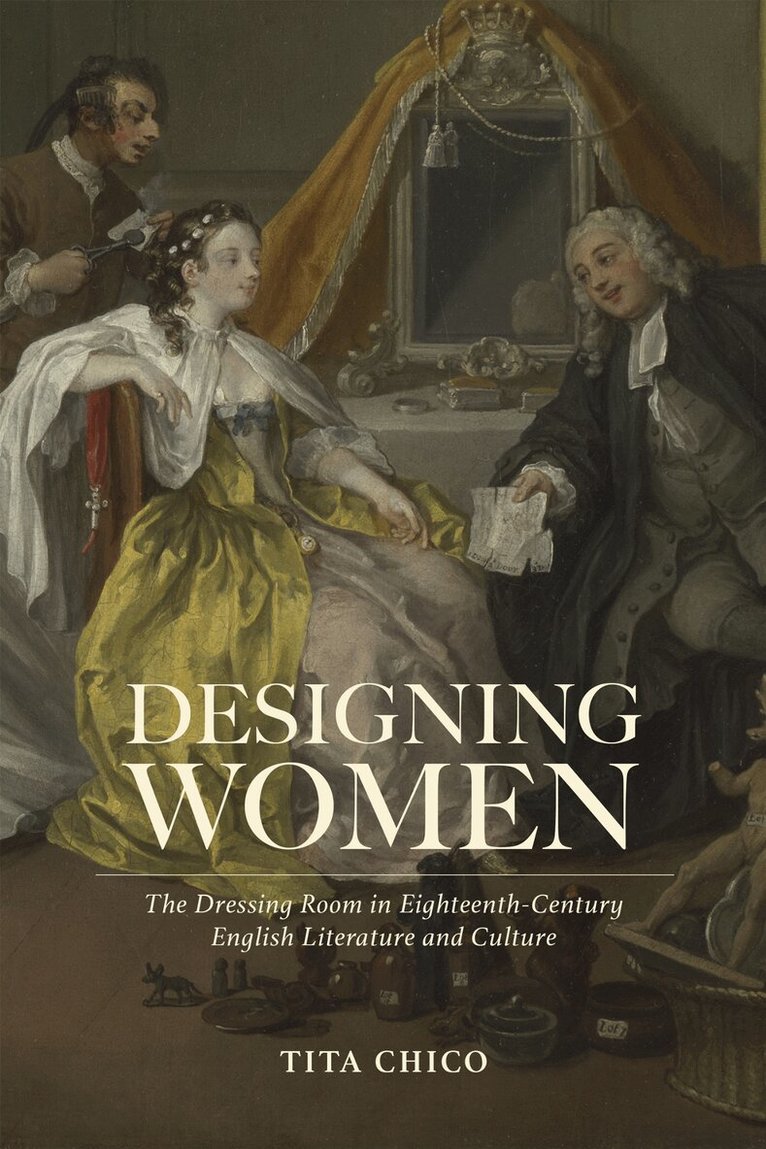
Designing Women
The Dressing Room in Eighteenth-Century English Literature and Culture
Häftad, Engelska, 2023
444 kr
Skickas inom 7-10 vardagar
Dressing rooms, introduced into English domestic architecture during the seventeenth century, provided elite women with unprecedented private space at home and in so doing, promised them equally unprecedented autonomy by providing a space for self-fashioning, eroticism, and contemplation. Tita Chico’s Designing Women argues that the dressing room becomes a powerful metaphor in late seventeenth- and eighteenth-century literature. While satirists-such as Dryden, FranÇois Bruys, Gay, Wortley Montagu, John Breval, Elizabeth Thomas, Pope, and Swift-attack the lady’s dressing room as a site of individual and social degradation, domestic novelists-including Richardson, Lennox, Burney, Goldsmith, Austen, and Edgeworth-celebrate it as a space for moral, social, and personal amelioration. As a symbol of both progressive and retrograde versions of femininity, the dressing room trope in eighteenth-century literature redefines the gendered constitution of private spaces, and offers a corrective to our literary history of generic influence and development between satire and the novel.