Tobias Matzner – författare
Visar alla böcker från författaren Tobias Matzner. Handla med fri frakt och snabb leverans.
13 produkter
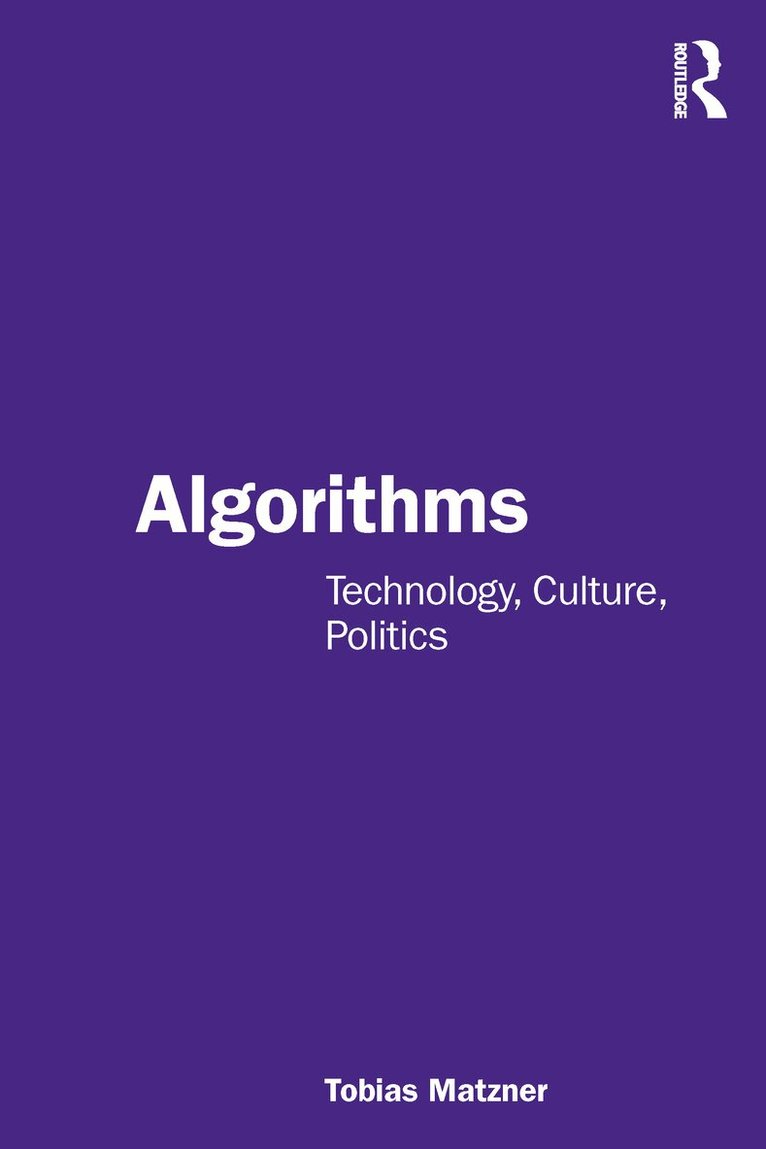
Algorithms
Technology, Culture, Politics
E-bok, 2023
738 kr
Lägg i varukorg
Algorithms: Technology, Culture, Politics develops a relational, situated approach to algorithms. It takes a middle ground between theories that give the algorithm a singular and stable meaning in using it as a central analytic category for contemporary society and theories that dissolve the term …
Algorithms
Technology, Culture, Politics
E-bok, 2023
762 kr
Lägg i varukorg
Algorithms: Technology, Culture, Politics develops a relational, situated approach to algorithms. It takes a middle ground between theories that give the algorithm a singular and stable meaning in using it as a central analytic category for contemporary society and theories that dissolve the term …
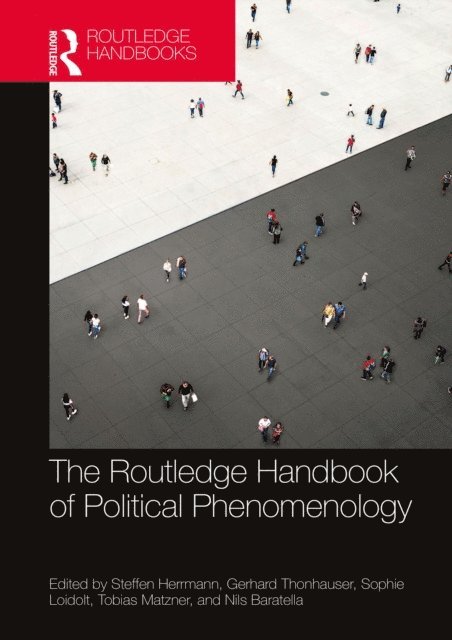
Routledge Handbook of Political Phenomenology
Av Steffen Herrmann, Gerhard Thonhauser m. fl.
Inbunden, 2024
3799 kr
Lägg i varukorg
Phenomenology has primarily been concerned with conceptual questions about knowledge and ontology. However, in recent years, the rise of interest and research in applied phenomenology has seen the study of political phenomenology move to a central place in the study of phenomenology generally.The …
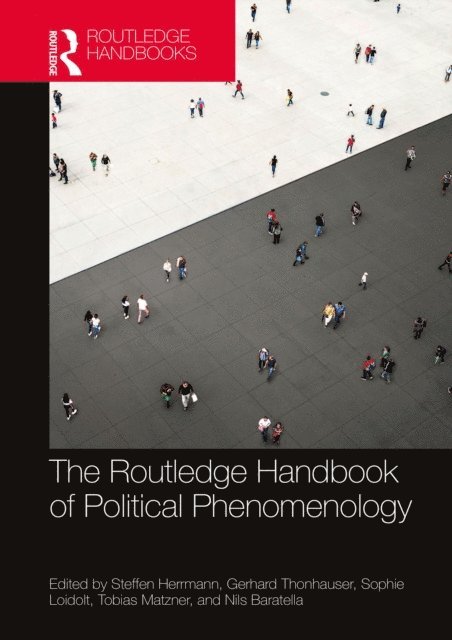
Routledge Handbook of Political Phenomenology
Av Steffen Herrmann, Gerhard Thonhauser m. fl.
Häftad, 2026
795 kr
Lägg i varukorg
Phenomenology has primarily been concerned with conceptual questions about knowledge and ontology. However, in recent years, the rise of interest and research in applied phenomenology has seen the study of political phenomenology move to a central place in the study of phenomenology generally.The …
Algorithms
Technology, Culture, Politics
Häftad, 2023
649 kr
Lägg i varukorg
Algorithms: Technology, Culture, Politics develops a relational, situated approach to algorithms. It takes a middle ground between theories that give the algorithm a singular and stable meaning in using it as a central analytic category for contemporary society and theories that dissolve the term …
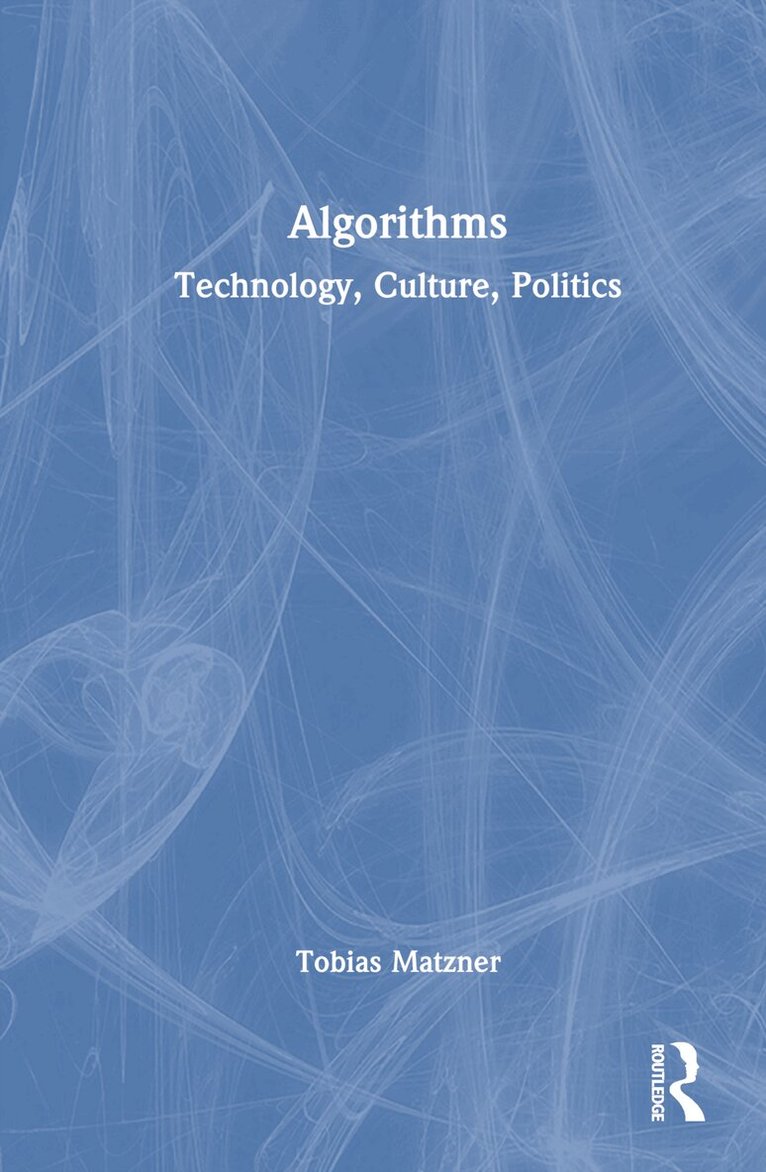
Algorithms
Technology, Culture, Politics
Inbunden, 2023
2516 kr
Lägg i varukorg
Algorithms: Technology, Culture, Politics develops a relational, situated approach to algorithms. It takes a middle ground between theories that give the algorithm a singular and stable meaning in using it as a central analytic category for contemporary society and theories that dissolve the term …
Routledge Handbook of Political Phenomenology
Av Nils Baratella, Tobias Matzner m. fl.
E-bok, 2024
849 kr
Lägg i varukorg
Phenomenology has primarily been concerned with conceptual questions about knowledge and ontology. However, in recent years, the rise of interest and research in applied phenomenology has seen the study of political phenomenology move to a central place in the study of phenomenology generally. The …
Routledge Handbook of Political Phenomenology
Av Nils Baratella, Tobias Matzner m. fl.
E-bok, 2024
849 kr
Lägg i varukorg
Phenomenology has primarily been concerned with conceptual questions about knowledge and ontology. However, in recent years, the rise of interest and research in applied phenomenology has seen the study of political phenomenology move to a central place in the study of phenomenology generally. The …
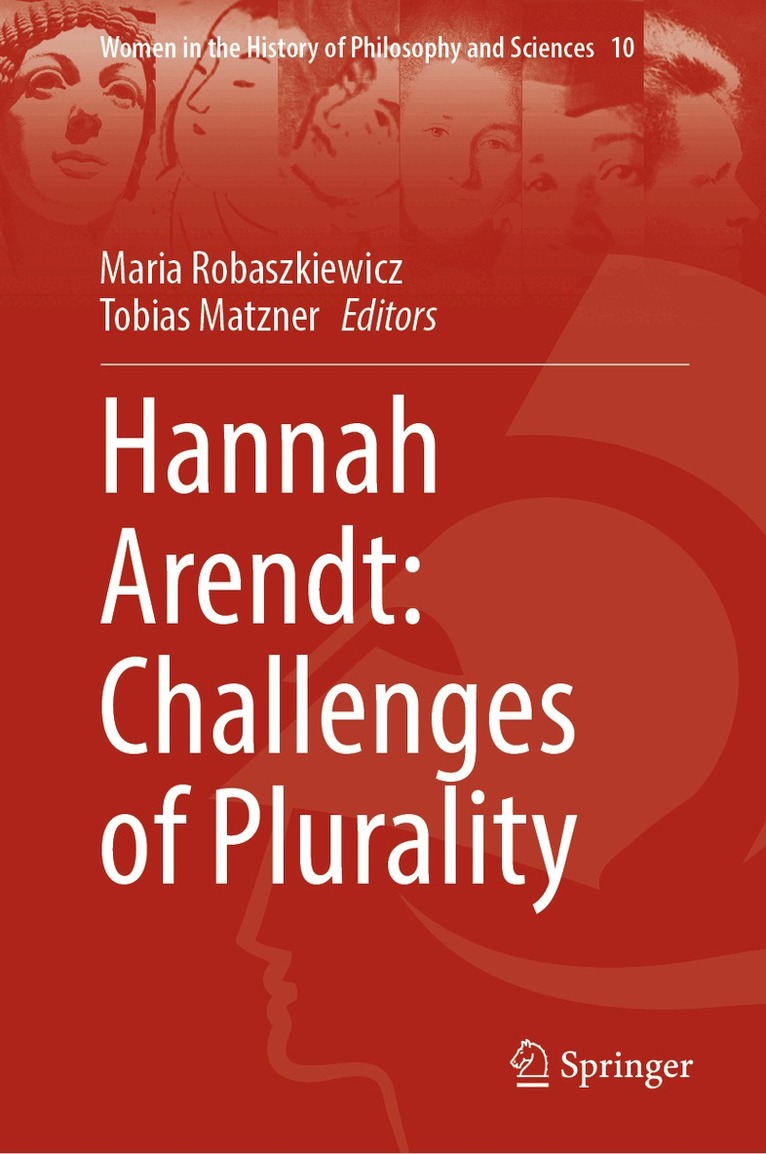
Hannah Arendt: Challenges of Plurality
Av Maria Robaszkiewicz, Tobias Matzner
Inbunden, 2021
1421 kr
Lägg i varukorg
This volume explores challenges posed by plurality, as understood by Hannah Arendt, but also the opportunities it offers. It is an interdisciplinary collection of chapters, including contributions from different traditions of philosophy, political science, and history. The book offers novel …
Hannah Arendt: Challenges of Plurality
Av Tobias Matzner, Maria Robaszkiewicz
E-bok, 2021
1785 kr
Lägg i varukorg
This volume explores challenges posed by plurality, as understood by Hannah Arendt, but also the opportunities it offers. It is an interdisciplinary collection of chapters, including contributions from different traditions of philosophy, political science, and history. The book offers novel …
Hannah Arendt: Challenges of Plurality
Av Maria Robaszkiewicz, Tobias Matzner
Häftad, 2022
1421 kr
Lägg i varukorg
This volume explores challenges posed by plurality, as understood by Hannah Arendt, but also the opportunities it offers. It is an interdisciplinary collection of chapters, including contributions from different traditions of philosophy, political science, and history. The book offers novel …
Privatsphäre 4.0
Eine Neuverortung des Privaten im Zeitalter der Digitalisierung
Av Hauke Behrendt, Wulf Loh m. fl.
Häftad, 2019
515 kr
Lägg i varukorg
Wie lässt sich der Bereich des Privaten heute genau beschreiben? Welchen Wert besitzt Privatheit in digitalisierten Gesellschaften für den Einzelnen und die Gesellschaft als Ganzes? Welche Werte und Lebensformen werden durch Privatheit geschützt, welche eingeschränkt? Entstehen durch die …
Privatsphäre 4.0
Eine Neuverortung des Privaten im Zeitalter der Digitalisierung
Av Catrin Misselhorn, Tobias Matzner m. fl.
E-bok, 2019
505 kr
Lägg i varukorg
Wie lässt sich der Bereich des Privaten heute genau beschreiben? Welchen Wert besitzt Privatheit in digitalisierten Gesellschaften für den Einzelnen und die Gesellschaft als Ganzes? Welche Werte und Lebensformen werden durch Privatheit geschützt, welche eingeschränkt? Entstehen durch die …