Toby E. Huff – författare
Visar alla böcker från författaren Toby E. Huff. Handla med fri frakt och snabb leverans.
10 produkter
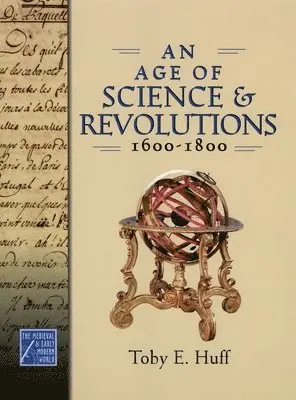
An Age of Science and Revolutions, 1600-1800: The Medieval & Early Modern World
Av Toby E. Huff
Inbunden, 2005
735 kr
Lägg i varukorg
Student Study Guide to An Age of Science and Revolutions, 1600-1800
Av Toby E. Huff
Häftad, 2008
161 kr
Lägg i varukorg
The Student Study Guides are important and unique components that are available for each of the six books in The Medieval & Early Modern World series. Each of the Student Study Guides is designed to be used with the student book at school or sent home for homework assignments. The activities in the …
Teaching Guide to an Age of Science and Revolutions, 1600-1800
Av Toby E. Huff
Häftad, 2005
436 kr
Lägg i varukorg
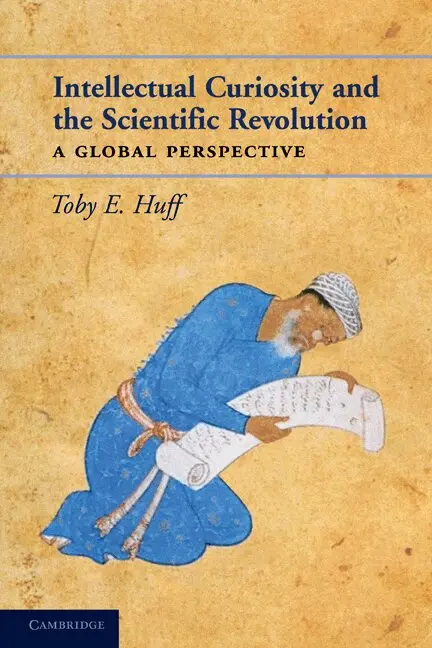
Intellectual Curiosity and the Scientific Revolution
A Global Perspective
Av Toby E. Huff
Häftad, 2010
487 kr
Lägg i varukorg
Seventeenth-century Europe witnessed an extraordinary flowering of discoveries and innovations. This study, beginning with the Dutch-invented telescope of 1608, casts Galileo's discoveries into a global framework. Although the telescope was soon transmitted to China, Mughal India, and the Ottoman …
On the Roads to Modernity
Conscience, Science, and Civilizations: Selected Writings by Benjamin Nelson, with a New Introduction
Av Toby E. Huff
Häftad, 2011
713 kr
Lägg i varukorg
This book contains highly original essays on the sweep of Western civilization from the middle ages to the present, including such topics as conscience and usury, "probabilism" in science and theology, systems of spiritual direction, Max Weber and economic development. The author and editor explore …
Intellectual Curiosity and the Scientific Revolution
A Global Perspective
Av Toby E. Huff
Inbunden, 2010
1497 kr
Lägg i varukorg
Seventeenth-century Europe witnessed an extraordinary flowering of discoveries and innovations. This study, beginning with the Dutch-invented telescope of 1608, casts Galileo's discoveries into a global framework. Although the telescope was soon transmitted to China, Mughal India, and the Ottoman …
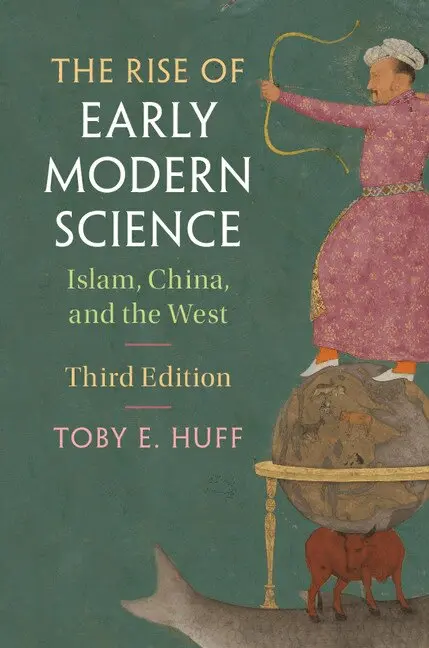
The Rise of Early Modern Science
Islam, China, and the West
Av Toby E. Huff
Häftad, 2017
489 kr
Lägg i varukorg
Now in its third edition, The Rise of Early Modern Science argues that to understand why modern science arose in the West it is essential to study not only the technical aspects of scientific thought but also the religious, legal and institutional arrangements that either opened the doors for …
Rise of Early Modern Science
Islam, China, and the West
Av Toby E. Huff
E-bok, 2017
555 kr
Lägg i varukorg
Now in its third edition, The Rise of Early Modern Science argues that to understand why modern science arose in the West it is essential to study not only the technical aspects of scientific thought but also the religious, legal and institutional arrangements that either opened the doors for …
Rise of Early Modern Science
Islam, China, and the West
Av Toby E. Huff
E-bok, 2017
555 kr
Lägg i varukorg
Now in its third edition, The Rise of Early Modern Science argues that to understand why modern science arose in the West it is essential to study not only the technical aspects of scientific thought but also the religious, legal and institutional arrangements that either opened the doors for …
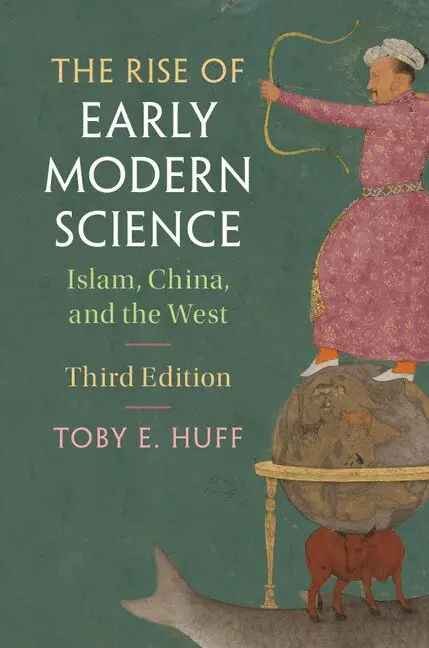
The Rise of Early Modern Science
Islam, China, and the West
Av Toby E. Huff
Inbunden, 2017
1420 kr
Tillfälligt slut
Now in its third edition, The Rise of Early Modern Science argues that to understand why modern science arose in the West it is essential to study not only the technical aspects of scientific thought but also the religious, legal and institutional arrangements that either opened the doors for …