Todd Pawlicki - Böcker
Visar alla böcker från författaren Todd Pawlicki. Handla med fri frakt och snabb leverans.
5 produkter
5 produkter
722 kr
Skickas inom 10-15 vardagar
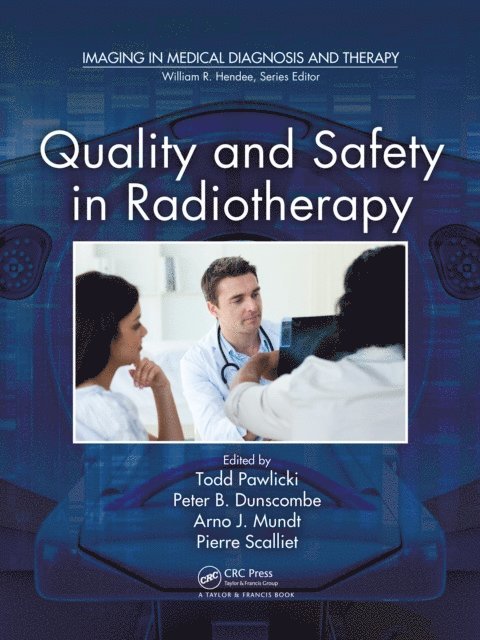
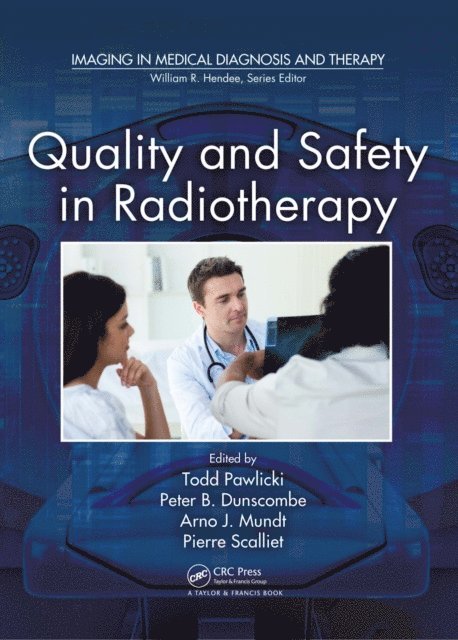
The first text to focus solely on quality and safety in radiotherapy, this work encompasses not only traditional, more technically oriented, quality assurance activities, but also general approaches of quality and safety. It includes contributions from experts both inside and outside the field to present a global view. The task of assuring quality is no longer viewed solely as a technical, equipment-dependent endeavor. Instead, it is now recognized as depending on both the processes and the people delivering the service. Divided into seven broad categories, the text covers: Quality Management and Improvement includes discussions about lean thinking, process control, and access to services.Patient Safety and Managing Error looks at reactive and prospective error management techniques.Methods to Assure and Improve Quality deals broadly with techniques to monitor, assure, and improve quality. People and Quality focuses on human factors, changing roles, staffing, and training. Quality Assurance in Radiotherapy addresses the general issues of quality assurance with descriptions of the key systems used to plan and treat patients and includes specific recommendations on the types and frequencies of certain tests. Quality Control: Equipment and Quality Control: Patient-Specific provides explicit details of quality control relating to equipment and patient-specific issues.Recently, a transformation of quality and safety in radiotherapy has begun to take place. Among the key drivers of this transformation have been new industrial and systems engineering approaches that have come to the forefront in recent years following revelations of system failures. This book provides an approach to quality that is long needed, one that deals with both human and technical aspects that must be the part of any overall quality improvement program.
1 947 kr
Skickas inom 11-20 vardagar
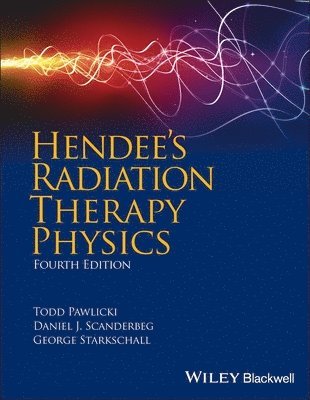
The publication of this fourth edition, more than ten years on from the publication of Radiation Therapy Physics third edition, provides a comprehensive and valuable update to the educational offerings in this field. Led by a new team of highly esteemed authors, building on Dr Hendee’s tradition, Hendee’s Radiation Therapy Physics offers a succinctly written, fully modernised update.Radiation physics has undergone many changes in the past ten years: intensity-modulated radiation therapy (IMRT) has become a routine method of radiation treatment delivery, digital imaging has replaced film-screen imaging for localization and verification, image-guided radiation therapy (IGRT) is frequently used, in many centers proton therapy has become a viable mode of radiation therapy, new approaches have been introduced to radiation therapy quality assurance and safety that focus more on process analysis rather than specific performance testing, and the explosion in patient-and machine-related data has necessitated an increased awareness of the role of informatics in radiation therapy. As such, this edition reflects the huge advances made over the last ten years. This book: Provides state of the art content throughoutContains four brand new chapters; image-guided therapy, proton radiation therapy, radiation therapy informatics, and quality and safety improvementFully revised and expanded imaging chapter discusses the increased role of digital imaging and computed tomography (CT) simulationThe chapter on quality and safety contains content in support of new residency training requirementsIncludes problem and answer sets for self-testThis edition is essential reading for radiation oncologists in training, students of medical physics, medical dosimetry, and anyone interested in radiation therapy physics, quality, and safety.
719 kr
Skickas inom 10-15 vardagar
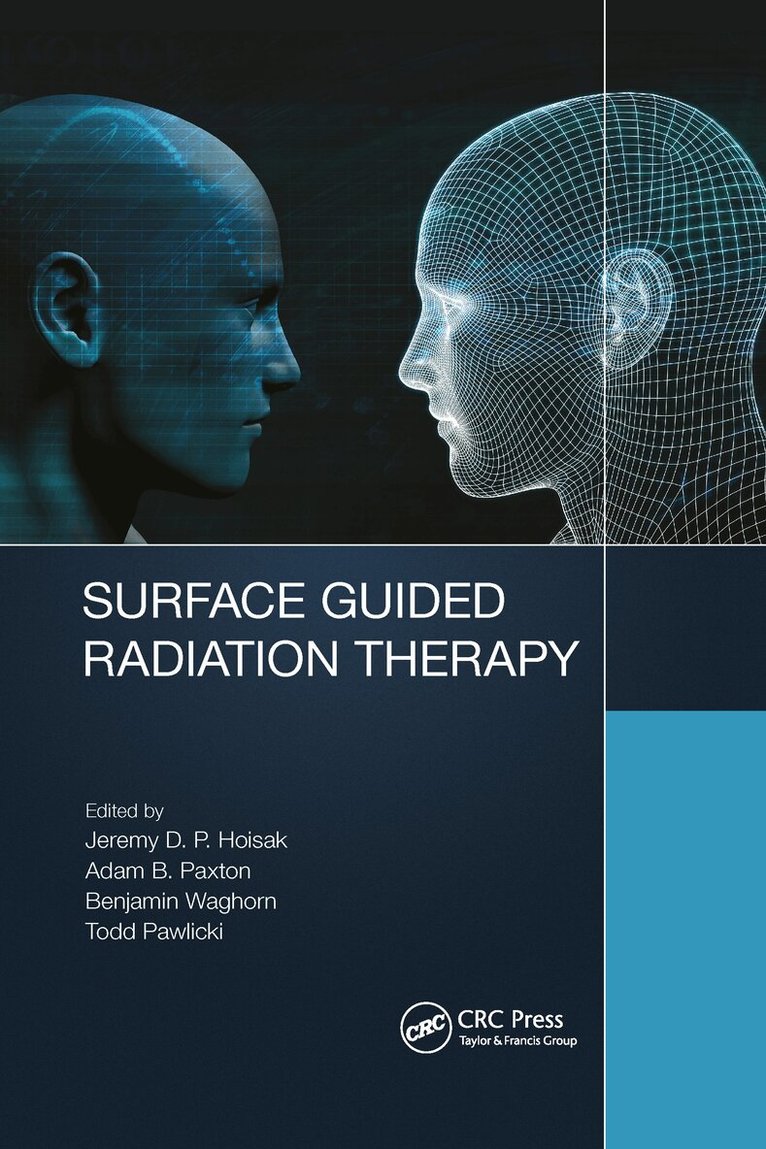
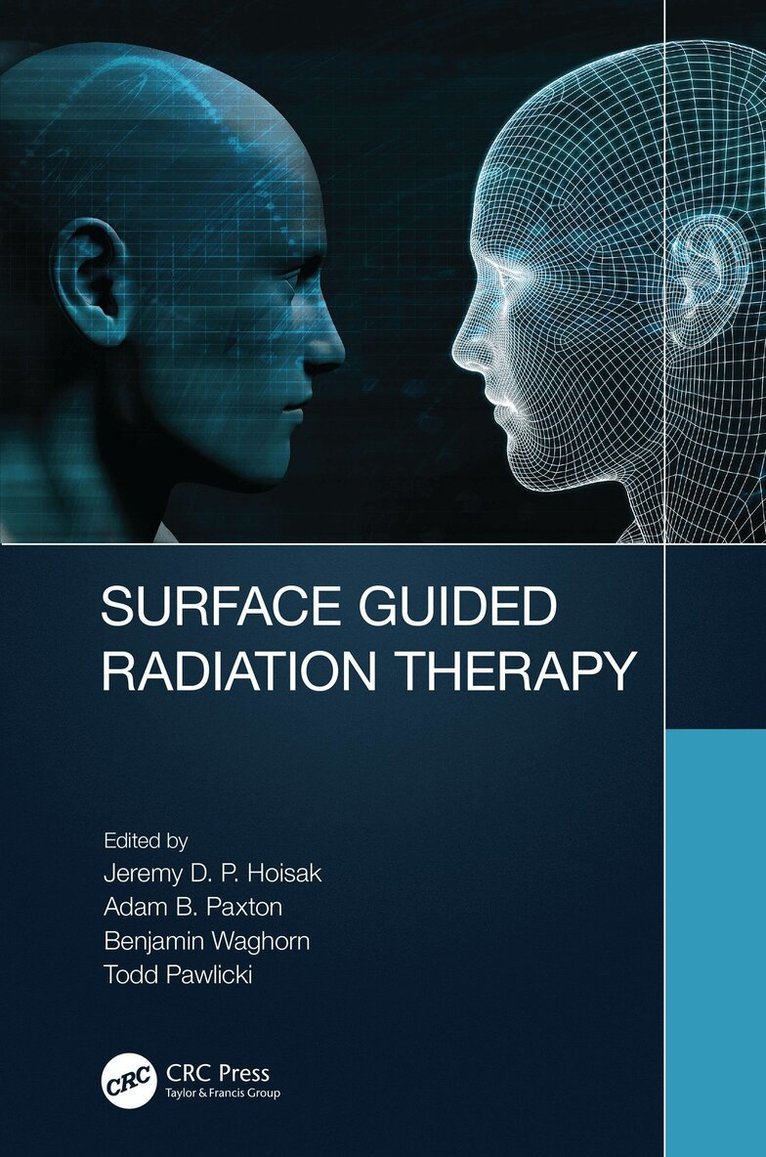
Surface Guided Radiation Therapy provides a comprehensive overview of optical surface image guidance systems for radiation therapy. It serves as an introductory teaching resource for students and trainees, and a valuable reference for medical physicists, physicians, radiation therapists, and administrators who wish to incorporate surface guided radiation therapy (SGRT) into their clinical practice. This is the first book dedicated to the principles and practice of SGRT, featuring:Chapters authored by an internationally represented list of physicists, radiation oncologists and therapists, edited by pioneers and experts in SGRTCovering the evolution of localization systems and their role in quality and safety, current SGRT systems, practical guides to commissioning and quality assurance, clinical applications by anatomic site, and emerging topics including skin mark-less setups.Several dedicated chapters on SGRT for intracranial radiosurgery and breast, covering technical aspects, risk assessment and outcomes. Jeremy Hoisak, PhD, DABR is an Assistant Professor in the Department of Radiation Medicine and Applied Sciences at the University of California, San Diego. Dr. Hoisak’s clinical expertise includes radiosurgery and respiratory motion management. Adam Paxton, PhD, DABR is an Assistant Professor in the Department of Radiation Oncology at the University of Utah. Dr. Paxton’s clinical expertise includes patient safety, motion management, radiosurgery, and proton therapy.Benjamin Waghorn, PhD, DABR is the Director of Clinical Physics at Vision RT. Dr. Waghorn’s research interests include intensity modulated radiation therapy, motion management, and surface image guidance systems.Todd Pawlicki, PhD, DABR, FAAPM, FASTRO, is Professor and Vice-Chair for Medical Physics in the Department of Radiation Medicine and Applied Sciences at the University of California, San Diego. Dr. Pawlicki has published extensively on quality and safety in radiation therapy. He has served on the Board of Directors for the American Society for Radiology Oncology (ASTRO) and the American Association of Physicists in Medicine (AAPM).
2 634 kr
Skickas inom 10-15 vardagar
Surface Guided Radiation Therapy provides a comprehensive overview of optical surface image guidance systems for radiation therapy. It serves as an introductory teaching resource for students and trainees, and a valuable reference for medical physicists, physicians, radiation therapists, and administrators who wish to incorporate surface guided radiation therapy (SGRT) into their clinical practice. This is the first book dedicated to the principles and practice of SGRT, featuring:Chapters authored by an internationally represented list of physicists, radiation oncologists and therapists, edited by pioneers and experts in SGRTCovering the evolution of localization systems and their role in quality and safety, current SGRT systems, practical guides to commissioning and quality assurance, clinical applications by anatomic site, and emerging topics including skin mark-less setups.Several dedicated chapters on SGRT for intracranial radiosurgery and breast, covering technical aspects, risk assessment and outcomes. Jeremy Hoisak, PhD, DABR is an Assistant Professor in the Department of Radiation Medicine and Applied Sciences at the University of California, San Diego. Dr. Hoisak’s clinical expertise includes radiosurgery and respiratory motion management. Adam Paxton, PhD, DABR is an Assistant Professor in the Department of Radiation Oncology at the University of Utah. Dr. Paxton’s clinical expertise includes patient safety, motion management, radiosurgery, and proton therapy.Benjamin Waghorn, PhD, DABR is the Director of Clinical Physics at Vision RT. Dr. Waghorn’s research interests include intensity modulated radiation therapy, motion management, and surface image guidance systems.Todd Pawlicki, PhD, DABR, FAAPM, FASTRO, is Professor and Vice-Chair for Medical Physics in the Department of Radiation Medicine and Applied Sciences at the University of California, San Diego. Dr. Pawlicki has published extensively on quality and safety in radiation therapy. He has served on the Board of Directors for the American Society for Radiology Oncology (ASTRO) and the American Association of Physicists in Medicine (AAPM).
2 772 kr
Skickas inom 10-15 vardagar
The first text to focus solely on quality and safety in radiotherapy, this work encompasses not only traditional, more technically oriented, quality assurance activities, but also general approaches of quality and safety. It includes contributions from experts both inside and outside the field to present a global view. The task of assuring quality is no longer viewed solely as a technical, equipment-dependent endeavor. Instead, it is now recognized as depending on both the processes and the people delivering the service. Divided into seven broad categories, the text covers: Quality Management and Improvement includes discussions about lean thinking, process control, and access to services.Patient Safety and Managing Error looks at reactive and prospective error management techniques.Methods to Assure and Improve Quality deals broadly with techniques to monitor, assure, and improve quality. People and Quality focuses on human factors, changing roles, staffing, and training. Quality Assurance in Radiotherapy addresses the general issues of quality assurance with descriptions of the key systems used to plan and treat patients and includes specific recommendations on the types and frequencies of certain tests. Quality Control: Equipment and Quality Control: Patient-Specific provides explicit details of quality control relating to equipment and patient-specific issues.Recently, a transformation of quality and safety in radiotherapy has begun to take place. Among the key drivers of this transformation have been new industrial and systems engineering approaches that have come to the forefront in recent years following revelations of system failures. This book provides an approach to quality that is long needed, one that deals with both human and technical aspects that must be the part of any overall quality improvement program.