Todd Wolfson - Böcker
Visar alla böcker från författaren Todd Wolfson. Handla med fri frakt och snabb leverans.
6 produkter
6 produkter
1 162 kr
Skickas inom 7-10 vardagar
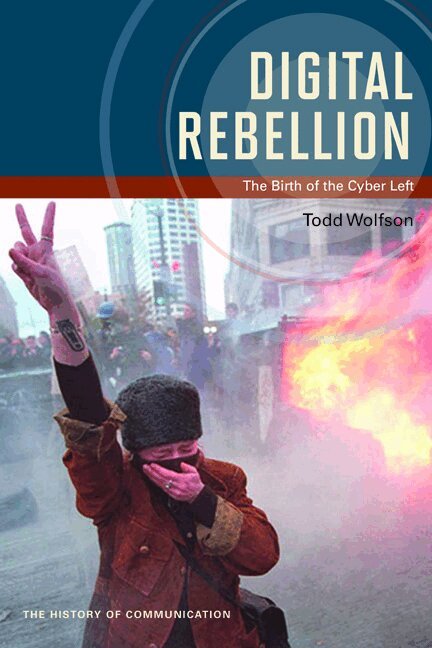
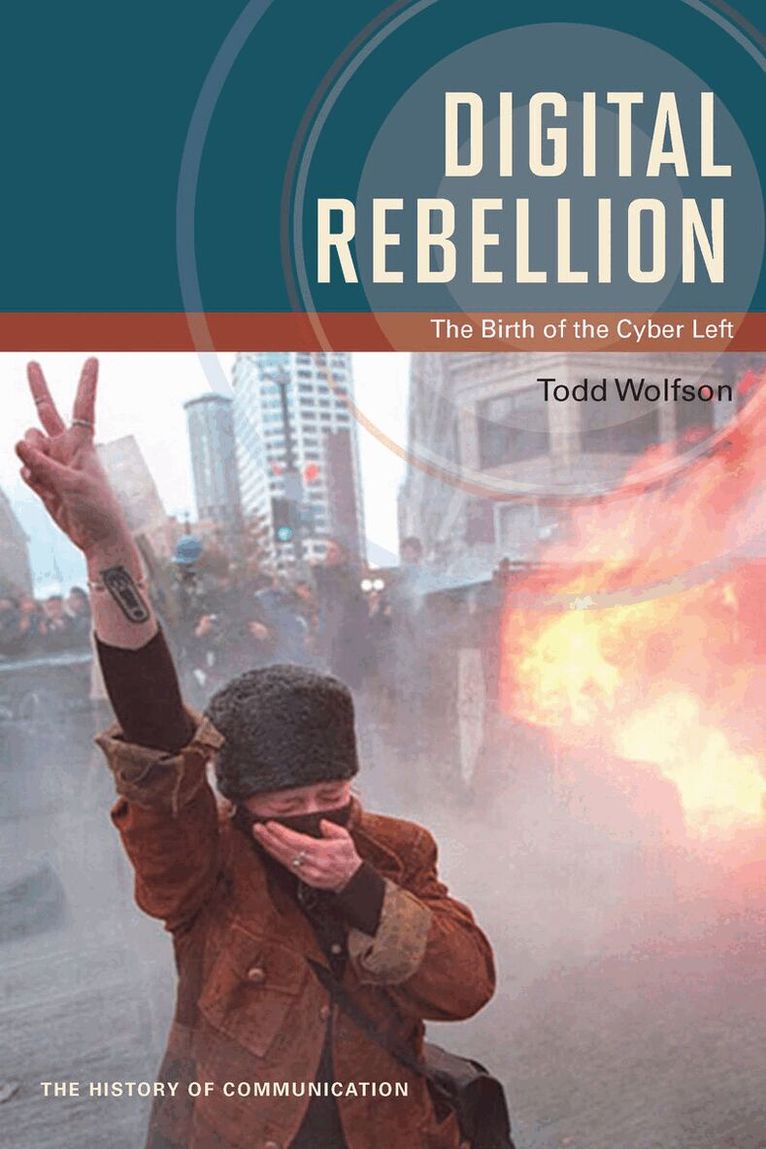
Digital Rebellion examines the impact of new media and communication technologies on the spatial, strategic, and organizational fabric of social movements. Todd Wolfson reveals how aspects of the mid-1990s Zapatistas movement--network organizational structure, participatory democratic governance, and the use of communication tools as a binding agent--became essential parts of Indymedia and other Cyber Left organizations. From there he uses oral interviews and other rich ethnographic data to chart the media-based think tanks and experiments that continued the Cyber Left's evolution through the Independent Media Center's birth around the 1999 WTO protests in Seattle. Melding virtual and traditional ethnographic practice to explore the Cyber Left's cultural logic, Wolfson maps the social, spatial and communicative structure of the Indymedia network and details its operations on the local, national and global level. He looks at the participatory democracy that governs global social movements and the ways democracy and decentralization have come into tension, and how "the switchboard of struggle" conducts stories from the hyper-local and disperses them worldwide. As he shows, understanding the intersection of Indymedia and the Global Social Justice Movement illuminates their foundational role in the Occupy struggle and other emergent movements that have re-energized radical politics.
309 kr
Skickas inom 7-10 vardagar
Digital Rebellion examines the impact of new media and communication technologies on the spatial, strategic, and organizational fabric of social movements. Todd Wolfson reveals how aspects of the mid-1990s Zapatistas movement--network organizational structure, participatory democratic governance, and the use of communication tools as a binding agent--became essential parts of Indymedia and other Cyber Left organizations. From there he uses oral interviews and other rich ethnographic data to chart the media-based think tanks and experiments that continued the Cyber Left's evolution through the Independent Media Center's birth around the 1999 WTO protests in Seattle. Melding virtual and traditional ethnographic practice to explore the Cyber Left's cultural logic, Wolfson maps the social, spatial and communicative structure of the Indymedia network and details its operations on the local, national and global level. He looks at the participatory democracy that governs global social movements and the ways democracy and decentralization have come into tension, and how "the switchboard of struggle" conducts stories from the hyper-local and disperses them worldwide. As he shows, understanding the intersection of Indymedia and the Global Social Justice Movement illuminates their foundational role in the Occupy struggle and other emergent movements that have re-energized radical politics.
548 kr
Skickas inom 10-15 vardagar
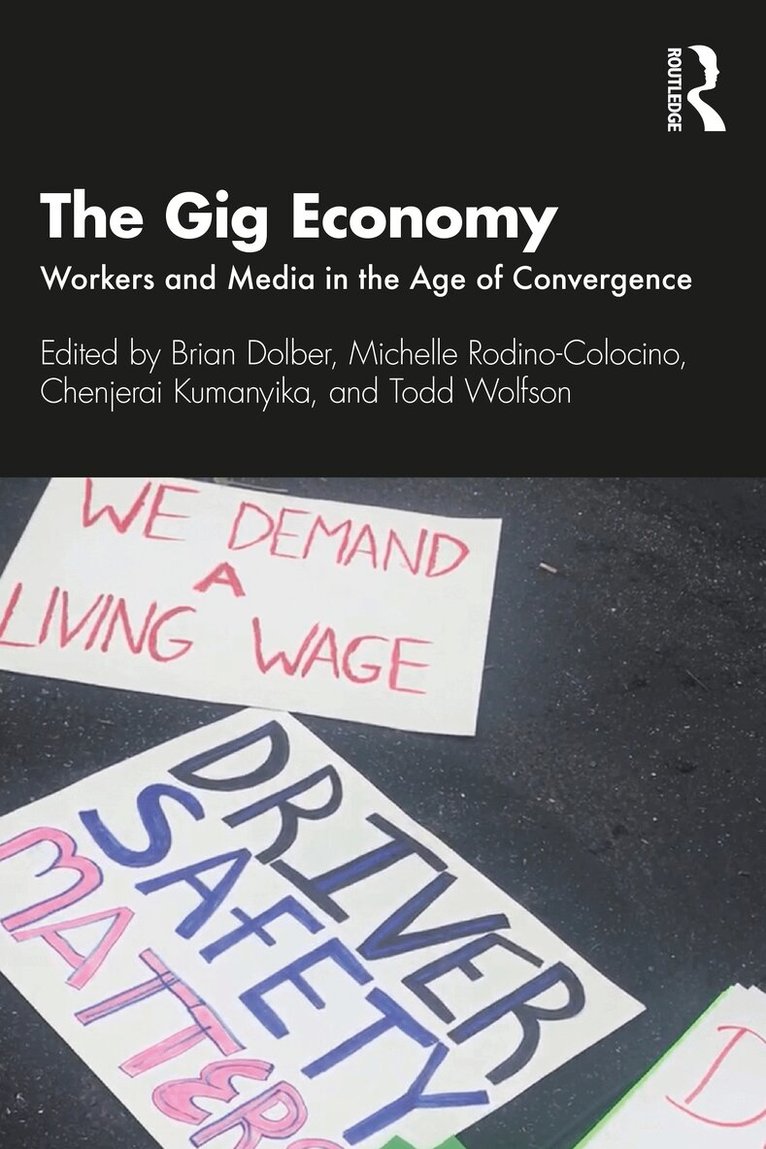
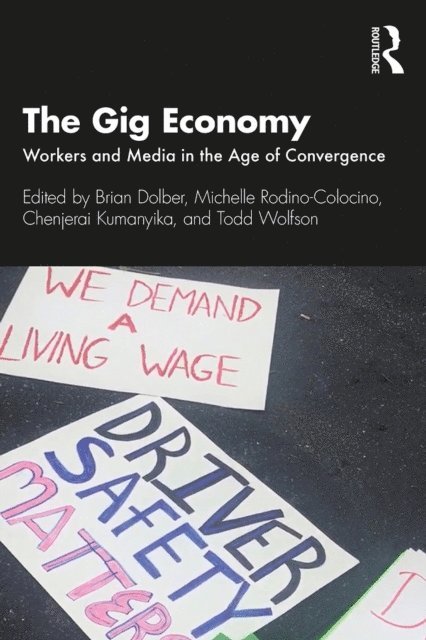
This edited collection examines the gig economy in the age of convergence from a critical political economic perspective. Contributions explore how media, technology, and labor are converging to create new modes of production, as well as new modes of resistance.From rideshare drivers in Los Angeles to domestic workers in Delhi, from sex work to podcasting, this book draws together research that examines the gig economy's exploitation of workers and their resistance. Employing critical theoretical perspectives and methodologies in a variety of national contexts, contributors consider the roles that media, policy, culture, and history, as well as gender, race, and ethnicity play in forging working conditions in the 'gig economy'. Contributors examine the complex and historical relationships between media and gig work integral to capitalism with the aim of exposing and, ultimately, ending exploitation.This book will appeal to students and scholars examining questions of technology, media, and labor across media and communication studies, information studies, and labor studies as well as activists, journalists, and policymakers.
2 103 kr
Skickas inom 10-15 vardagar
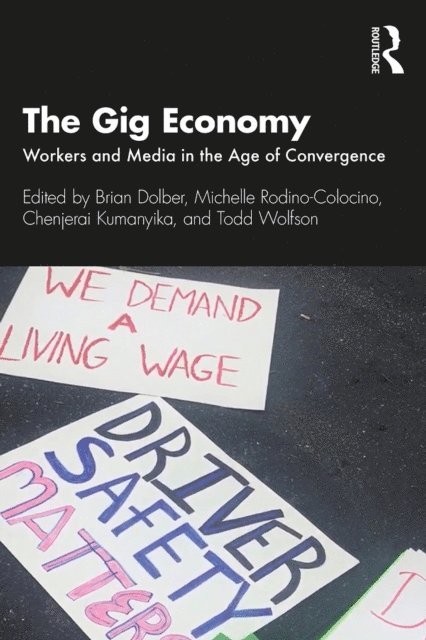
This edited collection examines the gig economy in the age of convergence from a critical political economic perspective. Contributions explore how media, technology, and labor are converging to create new modes of production, as well as new modes of resistance.From rideshare drivers in Los Angeles to domestic workers in Delhi, from sex work to podcasting, this book draws together research that examines the gig economy's exploitation of workers and their resistance. Employing critical theoretical perspectives and methodologies in a variety of national contexts, contributors consider the roles that media, policy, culture, and history, as well as gender, race, and ethnicity play in forging working conditions in the 'gig economy'. Contributors examine the complex and historical relationships between media and gig work integral to capitalism with the aim of exposing and, ultimately, ending exploitation.This book will appeal to students and scholars examining questions of technology, media, and labor across media and communication studies, information studies, and labor studies as well as activists, journalists, and policymakers.
1 057 kr
Skickas inom 7-10 vardagar
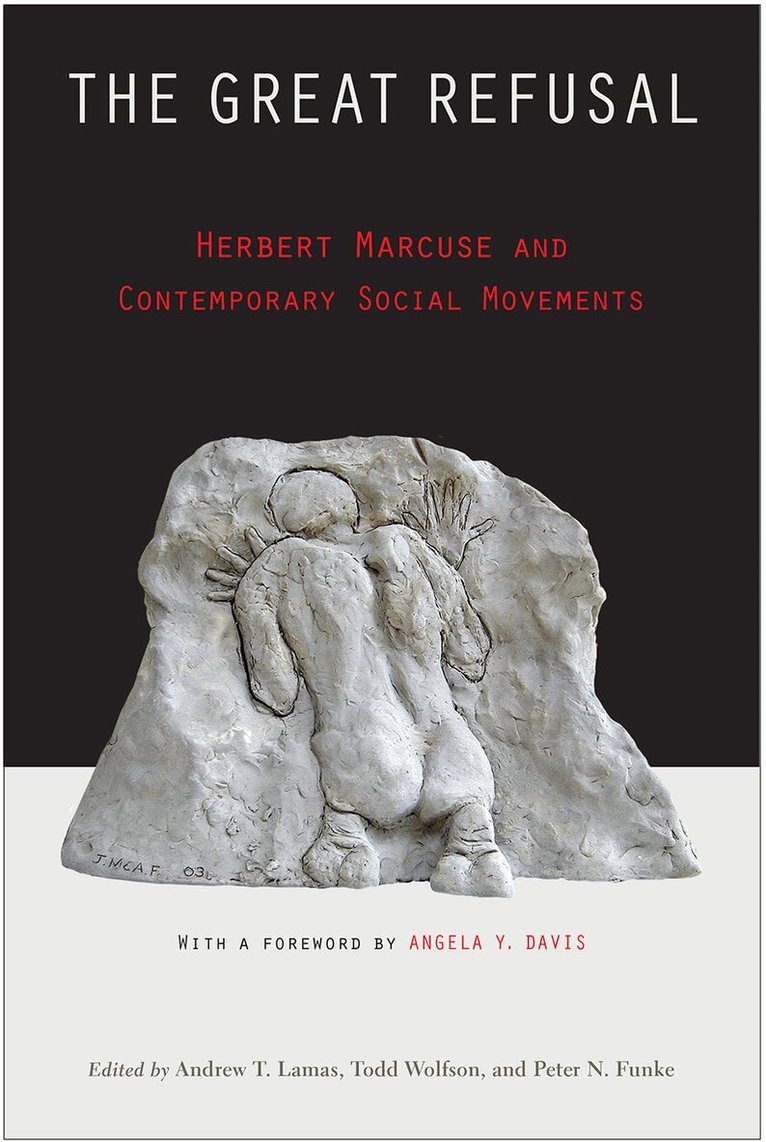
Herbert Marcuse examined the subjective and material conditions of radical social change and developed the "Great Refusal," a radical concept of "the protest against that which is." The editors and contributors to the exciting new volume The Great Refusal provide an analysis of contemporary social movements around the world with particular reference to Marcuse's revolutionary concept. The book also engages-and puts Marcuse in critical dialogue with-major theorists including Slavoj Žižek and Michel Foucault, among others.The chapters in this book analyze different elements and locations of the contemporary wave of struggle, drawing on the work and vision of Marcuse in order to reveal, with a historical perspective, the present moment of resistance. Essays seek to understand recent uprisings-such as the Zapatistas in Mexico, the Arab Spring, and the Occupy movement-in the context of Marcuse's powerful conceptual apparatus.The Great Refusal also charts contemporary social movements against global warming, mass incarceration, police brutality, white supremacy, militarization, technological development, and more, to provide insights that advance our understanding of resistance today.Contributors include: Kevin B. Anderson, Stanley Aronowitz, Joan Braune, Jenny Chan, Angela Y. Davis, Arnold L. Farr, Andrew Feenberg, Michael Forman, Christian Fuchs, Stefan Gandler, Christian Garland, Toorjo Ghose, Imaculada Kangussu, George Katsiaficas, Douglas Kellner, Sarah Lynn Kleeb, Filip Kovacevic, Lauren Langman, Heather Love, Peter Marcuse, Martin J. Beck MatuŠtÍk, Russell Rockwell, AK Thompson, Marcelo Vieta, and the editors.
466 kr
Skickas inom 7-10 vardagar
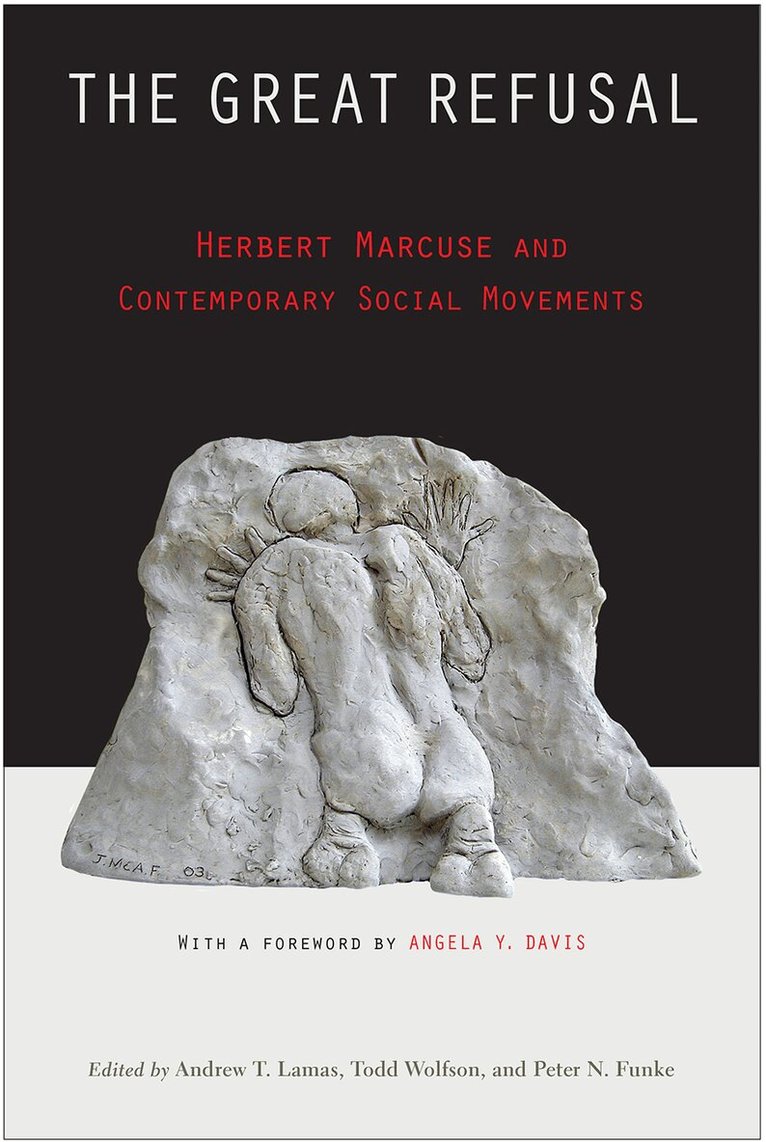
Herbert Marcuse examined the subjective and material conditions of radical social change and developed the "Great Refusal," a radical concept of "the protest against that which is." The editors and contributors to the exciting new volume The Great Refusal provide an analysis of contemporary social movements around the world with particular reference to Marcuse's revolutionary concept. The book also engages-and puts Marcuse in critical dialogue with-major theorists including Slavoj Žižek and Michel Foucault, among others.The chapters in this book analyze different elements and locations of the contemporary wave of struggle, drawing on the work and vision of Marcuse in order to reveal, with a historical perspective, the present moment of resistance. Essays seek to understand recent uprisings-such as the Zapatistas in Mexico, the Arab Spring, and the Occupy movement-in the context of Marcuse's powerful conceptual apparatus.The Great Refusal also charts contemporary social movements against global warming, mass incarceration, police brutality, white supremacy, militarization, technological development, and more, to provide insights that advance our understanding of resistance today.Contributors include: Kevin B. Anderson, Stanley Aronowitz, Joan Braune, Jenny Chan, Angela Y. Davis, Arnold L. Farr, Andrew Feenberg, Michael Forman, Christian Fuchs, Stefan Gandler, Christian Garland, Toorjo Ghose, Imaculada Kangussu, George Katsiaficas, Douglas Kellner, Sarah Lynn Kleeb, Filip Kovacevic, Lauren Langman, Heather Love, Peter Marcuse, Martin J. Beck MatuŠtÍk, Russell Rockwell, AK Thompson, Marcelo Vieta, and the editors.