Tom Gallagher – författare
Visar alla böcker från författaren Tom Gallagher. Handla med fri frakt och snabb leverans.
26 produkter
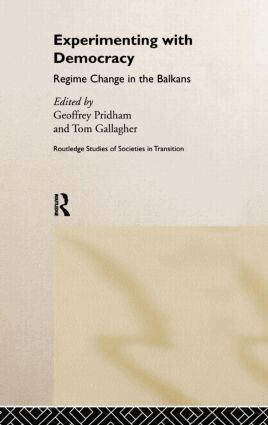
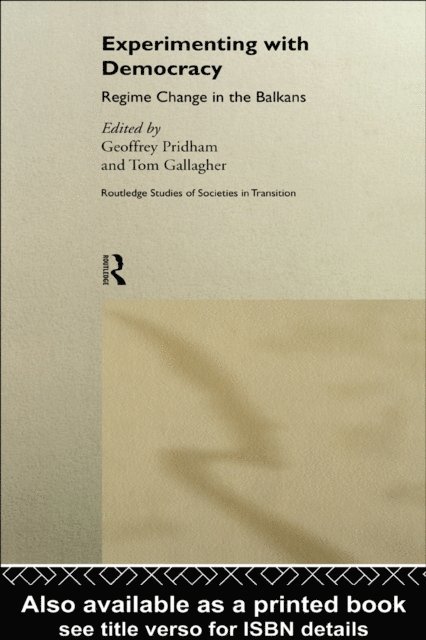
Experimenting With Democracy
Regime Change in the Balkans
Av Tom Gallagher, Geoffrey Pridham
Inbunden, 1999
2516 kr
Lägg i varukorg
The chronic instability in the Balkan States of South East Europe has prevented the end of the Cold War becoming an era of genuine peace in Europe. Against a background of competing nationalisms, economic decline, the resilience of authoritarianism, it is easy to forget that there have been …
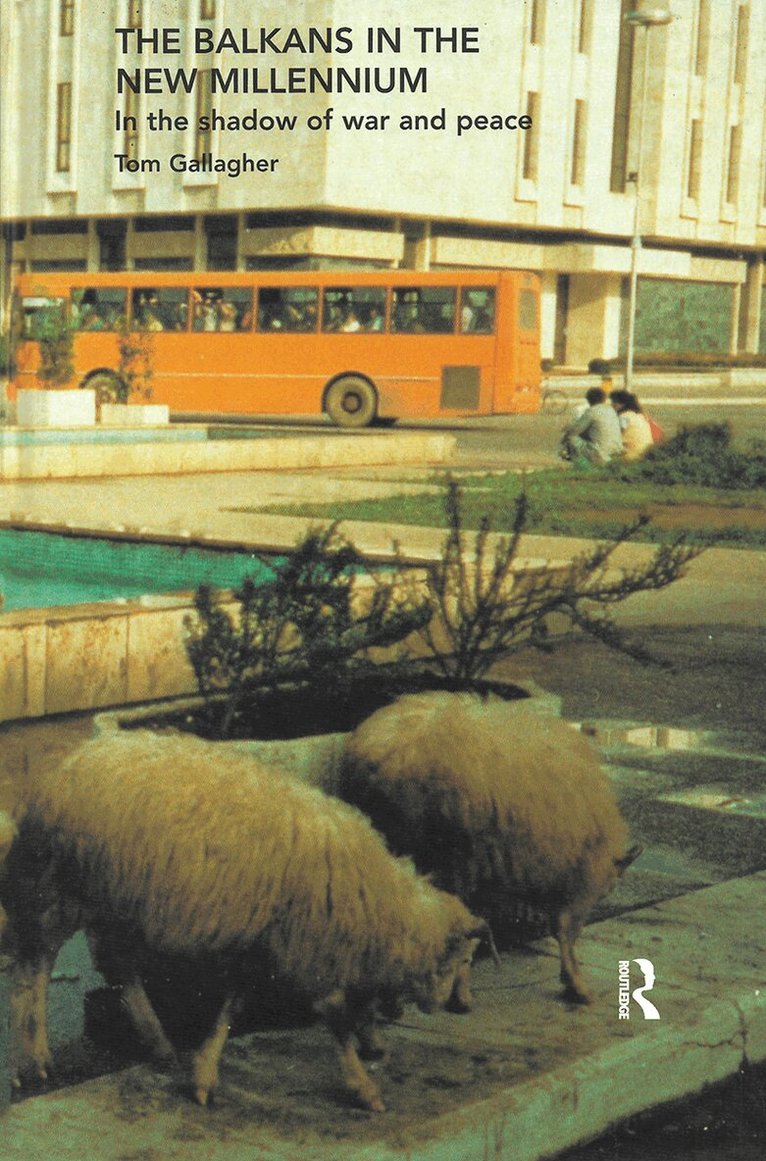
Balkans in the New Millennium
In the Shadow of War and Peace
Inbunden, 2005
2516 kr
Lägg i varukorg
Can the Balkans ever become a peaceful peninsula like that of Scandinavia? With enlightened backing, can it ever make common cause with the rest of Europe rather than being an arena of periodic conflicts, political misrule, and economic misery?In the last years of the twentieth century, Western …
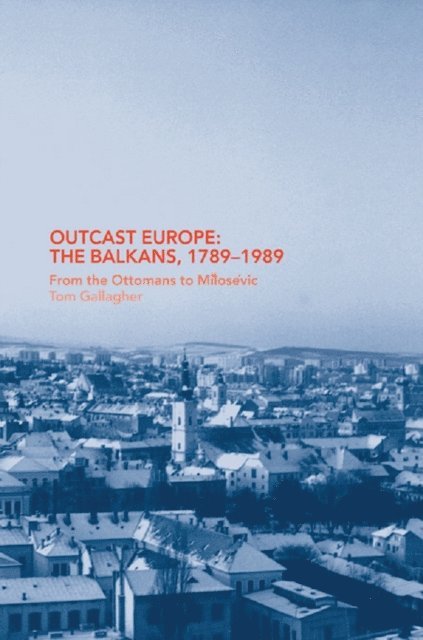
Outcast Europe: The Balkans, 1789-1989
From the Ottomans to Milosevic
Häftad, 2005
938 kr
Lägg i varukorg
Examining two centuries of Balkan politics, from the emergence of nationalism to the retreat of Communist power in 1989, this is the first book to systematically argue that many of the region's problems are external in origin.A decade of instability in the Balkan states of southeast Europe has …
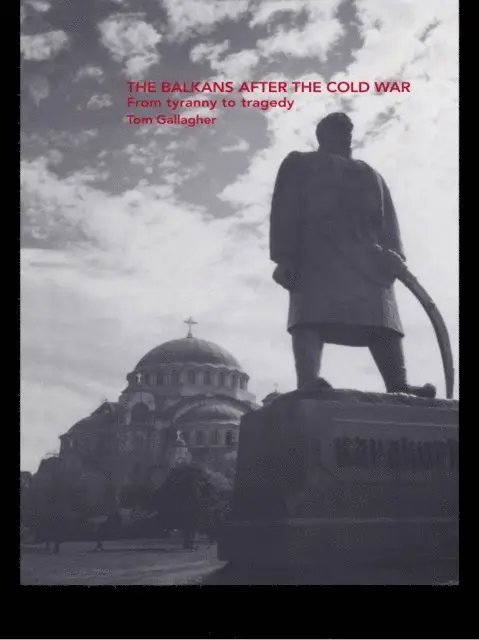
Balkans After the Cold War
From Tyranny to Tragedy
Häftad, 2007
773 kr
Lägg i varukorg
At the end of the Cold War, the Balkan states of South East Europe were in crisis. They had emerged from two decades of hardline communism with their economies in disarray and authoritarian leaders poised to whip up nationalist feelings so as to cling on to power. The break up of Yugoslavia …
Balkans in the New Millennium
In the Shadow of War and Peace
Häftad, 2007
751 kr
Lägg i varukorg
Can the Balkans ever become a peaceful peninsula like that of Scandinavia? With enlightened backing, can it ever make common cause with the rest of Europe rather than being an arena of periodic conflicts, political misrule, and economic misery?In the last years of the twentieth century, Western …
Romania and the European Union
How the Weak Vanquished the Strong
Inbunden, 2009
1227 kr
Lägg i varukorg
According to Tom Gallagher, Romania's predatory rulers, the heirs of the sinister communist dictator Ceausescu, have inflicted a humiliating defeat on the European Union. He argues convincingly that Brussels was tricked into offering full membership to this Balkan country in return for substantial …
Romania and the European Union
How the weak vanquished the strong
Häftad, 2016
371 kr
Lägg i varukorg
According to Tom Gallagher, Romania's predatory rulers, the heirs of the sinister communist dictator Ceausescu, have inflicted a humiliating defeat on the European Union. He argues convincingly that Brussels was tricked into offering full membership to this Balkan country in return for substantial …
Europe's Path to Crisis
Disintegration via Monetary Union
Inbunden, 2014
1227 kr
Lägg i varukorg
The EU’s single currency crisis and the ensuing human costs have led to Europe’s biggest disaster since 1945. This book examines each of its stages and the political and social impact, and reveals the longer-term origins of the crisis, particularly the failure of elites to promote a genuine …
Europe's path to crisis
Disintegration via monetary union
Häftad, 2014
341 kr
Lägg i varukorg
The EU’s single currency crisis and the ensuing human costs have led to Europe’s biggest disaster since 1945. This book examines each of its stages and the political and social impact, and reveals the longer-term origins of the crisis, particularly the failure of elites to promote a genuine …
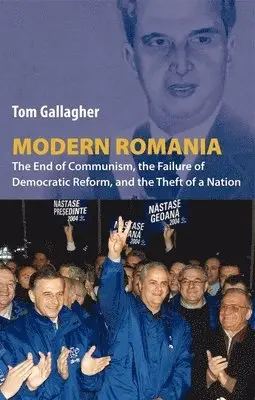
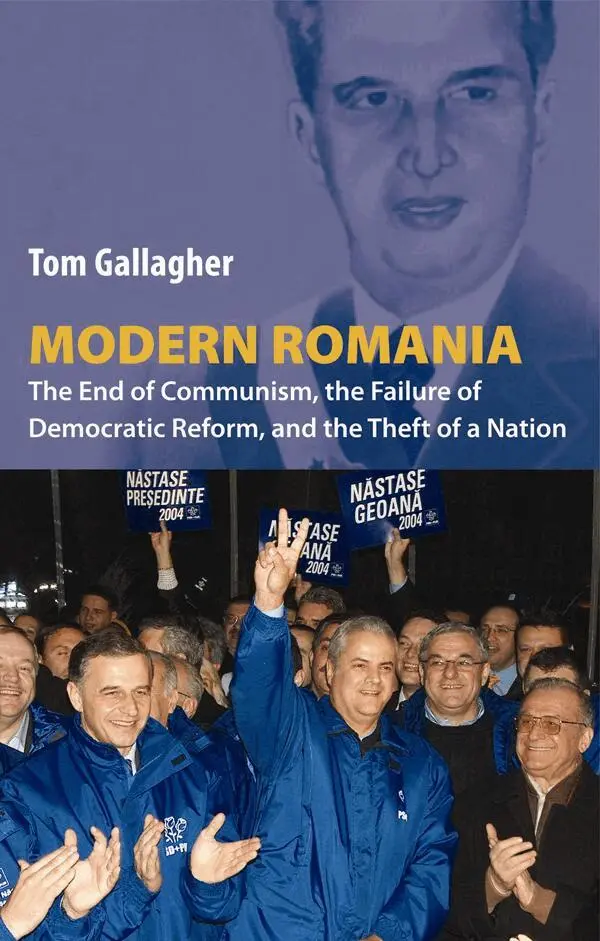
Modern Romania
The End of Communism, the Failure of Democratic Reform, and the Theft of a Nation
Inbunden, 2005
1526 kr
Lägg i varukorg
Since the 1989 fall of Communism in Eastern Europe, Romania, arguably the most regimented of states in the Soviet bloc, has struggled with the transition from totalitarian state to democratic nation. In this insightful examination of modern Romania, Tom Gallagher provides an overview of Romania's …
Modern Romania
The End of Communism, the Failure of Democratic Reform, and the Theft of a Nation
Häftad, 2008
397 kr
Lägg i varukorg
Since the 1989 fall of Communism in Eastern Europe, Romania, arguably the most regimented of states in the Soviet bloc, has struggled with the transition from totalitarian state to democratic nation. In this insightful examination of modern Romania, Tom Gallagher provides an overview of Romania's …
Europe's Leadership Famine
Portraits of defiance and decay 1950-2022
Häftad, 2023
266 kr
Lägg i varukorg
Balkans in the New Millennium
In the Shadow of War and Peace
E-bok, 2005
910 kr
Lägg i varukorg
Can the Balkans ever become a peaceful peninsula like that of Scandinavia? With enlightened backing, can it ever make common cause with the rest of Europe rather than being an arena of periodic conflicts, political misrule, and economic misery? In the last years of the twentieth century, Western …
Balkans in the New Millennium
In the Shadow of War and Peace
E-bok, 2005
910 kr
Lägg i varukorg
Can the Balkans ever become a peaceful peninsula like that of Scandinavia? With enlightened backing, can it ever make common cause with the rest of Europe rather than being an arena of periodic conflicts, political misrule, and economic misery? In the last years of the twentieth century, Western …
Balkans After the Cold War
From Tyranny to Tragedy
E-bok, 2003
890 kr
Lägg i varukorg
At the end of the Cold War, the Balkan states of South East Europe were in crisis. They had emerged from two decades of hardline communism with their economies in disarray and authoritarian leaders poised to whip up nationalist feelings so as to cling on to power. The break up of Yugoslavia …
Balkans After the Cold War
From Tyranny to Tragedy
E-bok, 2003
883 kr
Lägg i varukorg
At the end of the Cold War, the Balkan states of South East Europe were in crisis. They had emerged from two decades of hardline communism with their economies in disarray and authoritarian leaders poised to whip up nationalist feelings so as to cling on to power. The break up of Yugoslavia …
Experimenting With Democracy
Regime Change in the Balkans
Av Geoffrey Pridham, Tom Gallagher
E-bok, 2012
2892 kr
Lägg i varukorg
The chronic instability in the Balkan States of South East Europe has prevented the end of the Cold War becoming an era of genuine peace in Europe. Against a background of competing nationalisms, economic decline, the resilience of authoritarianism, it is easy to forget that there have been …
Experimenting With Democracy
Regime Change in the Balkans
Av Geoffrey Pridham, Tom Gallagher
E-bok, 2012
2978 kr
Lägg i varukorg
The chronic instability in the Balkan States of South East Europe has prevented the end of the Cold War becoming an era of genuine peace in Europe. Against a background of competing nationalisms, economic decline, the resilience of authoritarianism, it is easy to forget that there have been …
Outcast Europe: The Balkans, 1789-1989
From the Ottomans to Milosevic
E-bok, 2013
1106 kr
Lägg i varukorg
Examining two centuries of Balkan politics, from the emergence of nationalism to the retreat of Communist power in 1989, this is the first book to systematically argue that many of the region''s problems are external in origin. A decade of instability in the Balkan states of southeast Europe has …
Outcast Europe: The Balkans, 1789-1989
From the Ottomans to Milosevic
E-bok, 2013
1106 kr
Lägg i varukorg
Examining two centuries of Balkan politics, from the emergence of nationalism to the retreat of Communist power in 1989, this is the first book to systematically argue that many of the region''s problems are external in origin. A decade of instability in the Balkan states of southeast Europe has …
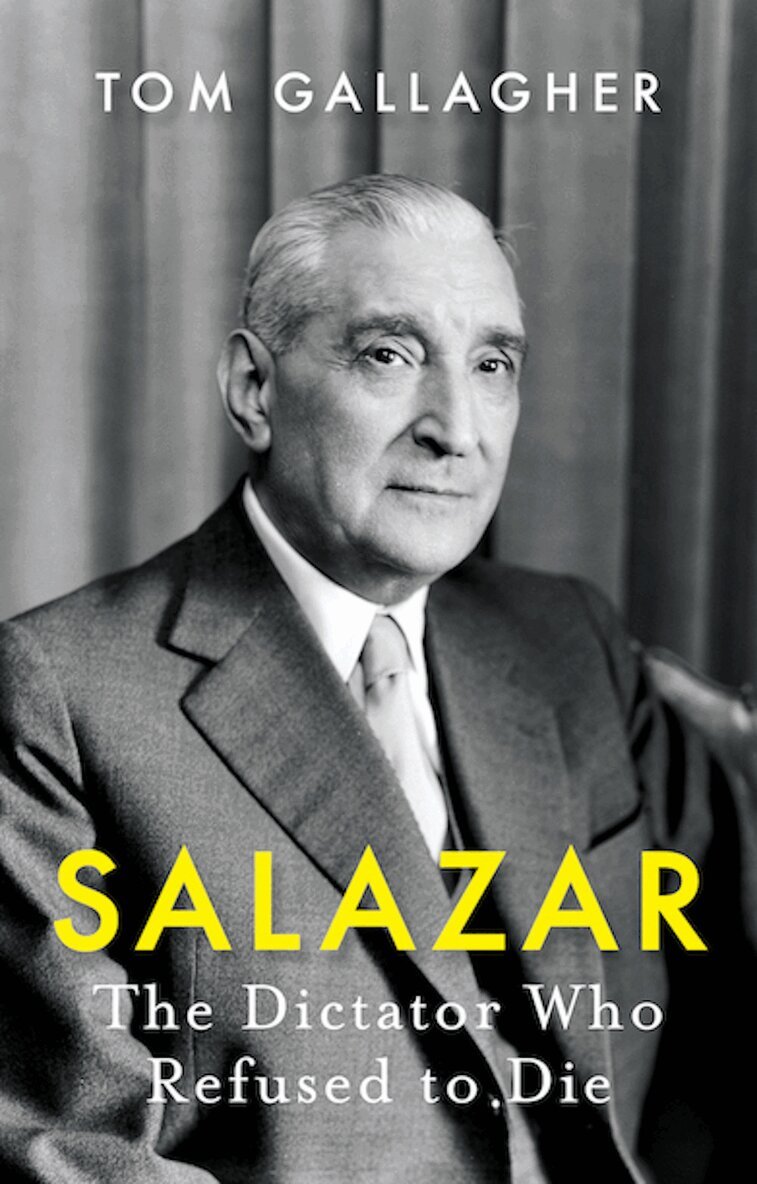
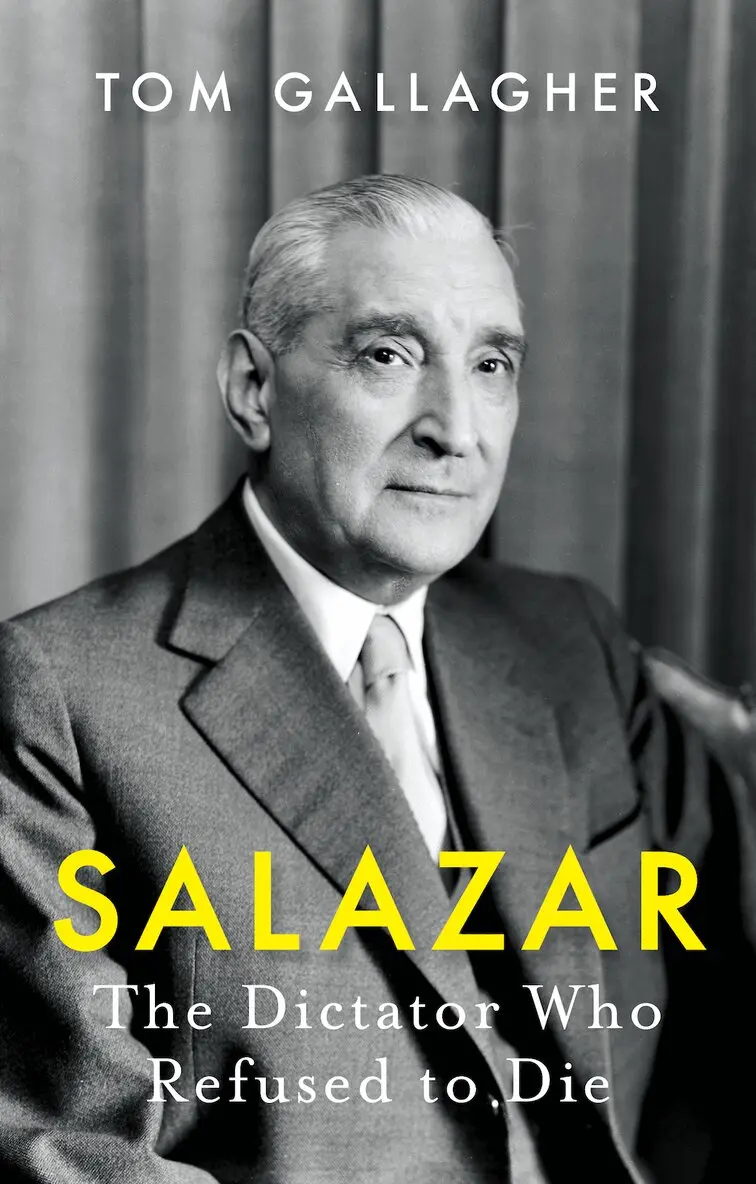
Salazar
The Dictator Who Refused to Die
Häftad, 2022
218 kr
Lägg i varukorg
Fifty years after his death, Portugal's Salazar remains a controversial and enigmatic figure, whose conservative and authoritarian legacy still divides opinion. Some see him as a reactionary and oppressive figure who kept Portugal backward, while others praise his honesty, patriotism and dedication …
Illusion of Freedom
Scotland Under Nationalism
Inbunden, 2009
669 kr
Lägg i varukorg
Alex Salmond, a talented politician in charge of Scotland's devolved government since 2007, is mounting the biggest challenge to the British union state in its 300-year history. His fast-growing Scottish National Party wants Scotland to cease being the invisible country of Europe and to embrace …
Balkans After the Cold War
From Tyranny to Tragedy
Inbunden, 2003
1502 kr
Tillfälligt slut
At the end of the Cold War, the Balkan states of South East Europe were in crisis. They had emerged from two decades of hardline communism with their economies in disarray and authoritarian leaders poised to whip up nationalist feelings so as to cling on to power. The break up of Yugoslavia …
Salazar
The Dictator Who Refused to Die
Inbunden, 2020
4,5 utav 5 stjärnor. Totalt antal röster: (2)
366 kr
Tillfälligt slut
Fifty years after his death, Portugal's Salazar remains a controversial and enigmatic figure, whose conservative and authoritarian legacy still divides opinion. Some see him as a reactionary and oppressive figure who kept Portugal backward, while others praise his honesty, patriotism and dedication …