Tomáš Kasper – författare
Visar alla böcker från författaren Tomáš Kasper. Handla med fri frakt och snabb leverans.
2 produkter
2 produkter
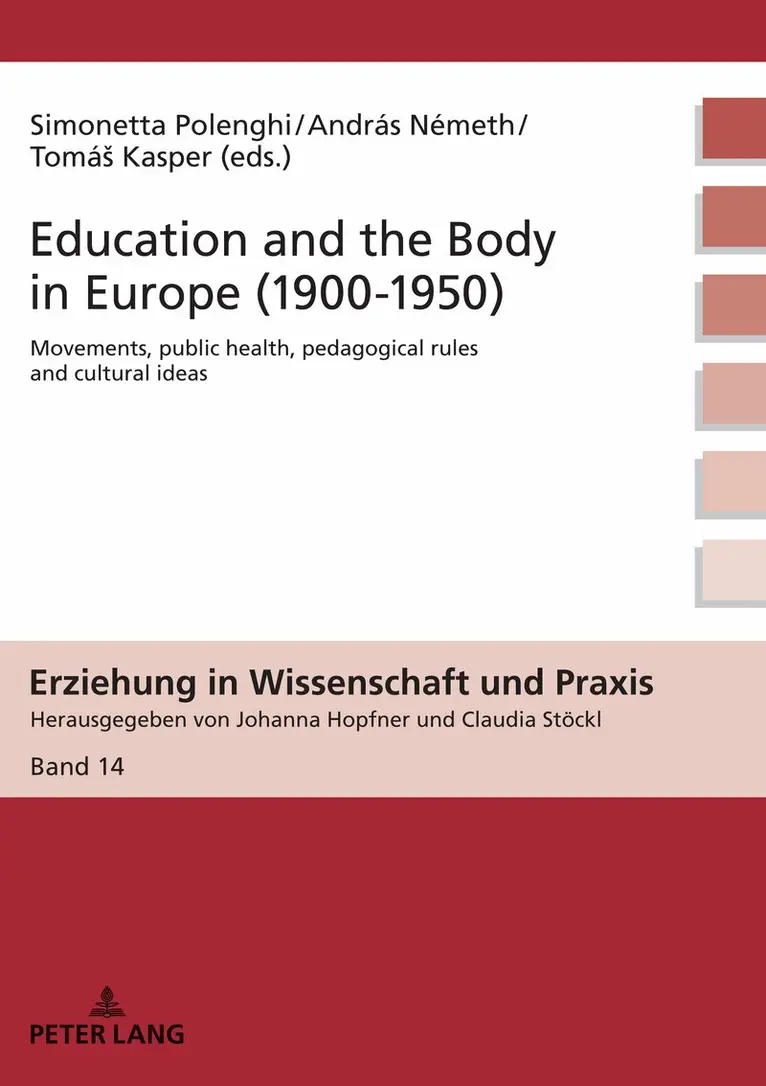
Del 14 - Erziehung in Wissenschaft Und Praxis
Education and the Body in Europe (1900-1950)
Movements, public health, pedagogical rules and cultural ideas
Inbunden, Engelska, 2020
625 kr
Skickas inom 5-8 vardagar
The public dimension of the body became paramount in the first half of the 20th century, when the image of the modern man, with his virile stereotypes, became a cliché, in strict connection with nation building first and totalitarian ideologies later. Yet, different cultural and educational trends advocated for life reform and liberation of the body. Both the metaphorical and the material body were invested by cultural, religious, political and educational theories and practices with strong links and similarities but also national differences. Thanks to an international scholarly work about body education in ten European countries, this volume allows a wide comparative analysis about life reform; physical education and sport; children’s bodies, emotions, hygiene and (ab)normality.
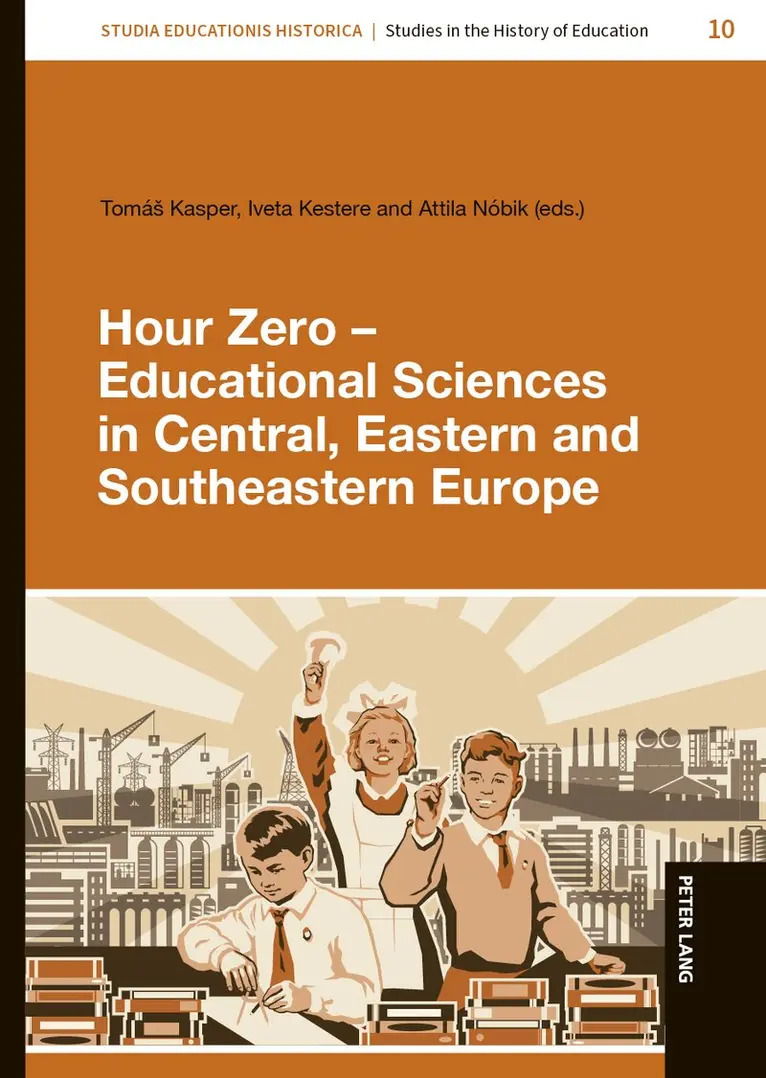
Del 10 - Studia Educationis Historica
Hour Zero – Educational Sciences in Central, Eastern and Southeastern Europe
Inbunden, Engelska, 2026
978 kr
Skickas inom 3-6 vardagar
The book explores the ideologization, political instrumentalization and sovietization of educational sciences in Eastern and Central Europe following World War II, with a particular focus on the 1950s. Amid the revolutionary transformation of communist society and under Moscow's influence, educational sciences were positioned as instruments for shaping the "New Soviet Man". However, this process of subordinating science to political-ideological objectives was not uniform across the Eastern Bloc. The authors examine the tensions between continuity and rupture in the emerging "new order of science," navigating the interplay between national traditions and the Soviet model of "best practices." The book employs a transnational comparative approach, drawing on methodologies for analysing scientific transfer and policy of borrowing-lending. Through discursive and content analysis of primary sources it provides a nuanced understanding of how educational sciences were reshaped under Soviet influence.