Tomasz Fortuna - Böcker
Visar alla böcker från författaren Tomasz Fortuna. Handla med fri frakt och snabb leverans.
5 produkter
5 produkter
522 kr
Skickas inom 10-15 vardagar
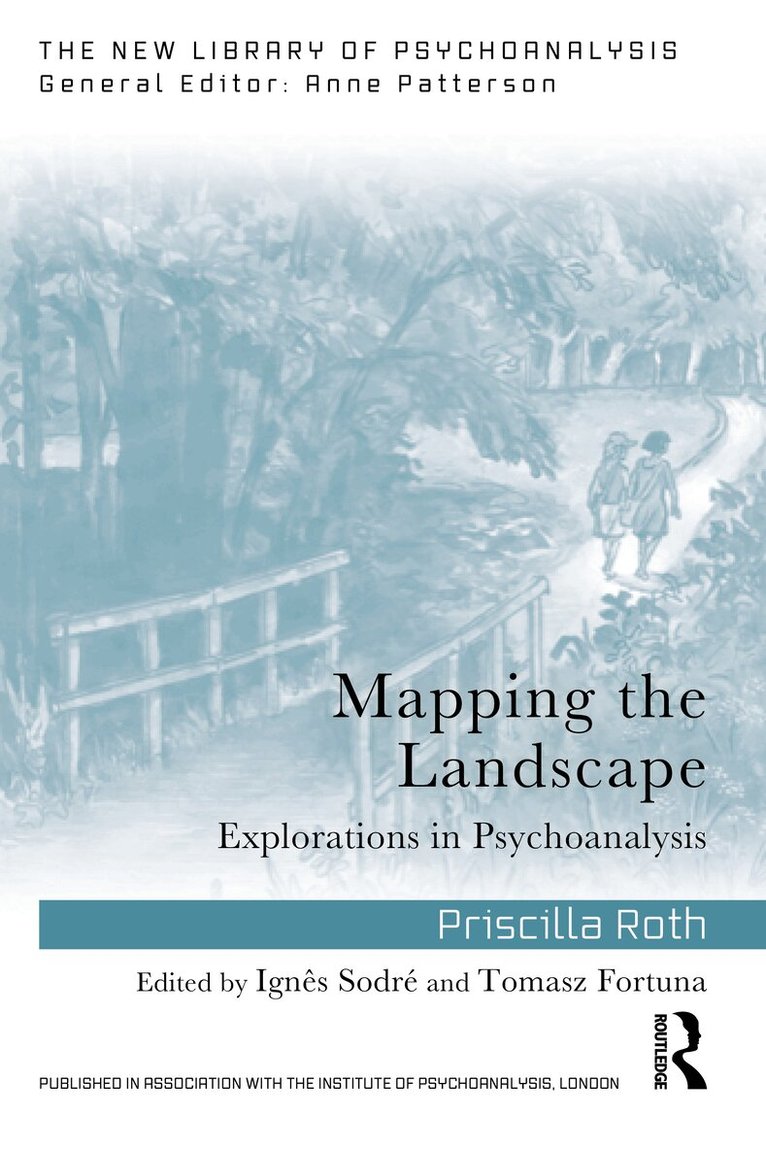
Mapping the Landscape: Explorations in Psychoanalysis offers an overview and exploration of Priscilla Roth’s unique contribution to psychoanalysis over the course of her long and distinguished career.This book takes the reader on a journey through psychoanalytic clinical practice and the significance of themes such as identity, identification, idealization and reparation. This collection shows a variety of Roth’s interests but also the continuity of her approach – the unconscious thread, which links thoughts and memories together. Through close examination of the moment-to-moment psychoanalytic work, she emphasizes how unconscious processes influence both patient and analyst without either of them becoming aware of it. In this sense, each analysis is unique. The second part of the book allows for reflection on lessons drawn from her work, and how psychoanalysis poses the question of what it means to be oneself for the analyst and the patient.Reflecting her strong compassion for patients and depth of understanding of the nature of psychoanalysis, this is key reading for psychoanalysts, psychotherapists and anyone interested in the experiences underpinning humanity in each of us.
2 166 kr
Skickas inom 10-15 vardagar
Mapping the Landscape: Explorations in Psychoanalysis offers an overview and exploration of Priscilla Roth’s unique contribution to psychoanalysis over the course of her long and distinguished career.This book takes the reader on a journey through psychoanalytic clinical practice and the significance of themes such as identity, identification, idealization and reparation. This collection shows a variety of Roth’s interests but also the continuity of her approach – the unconscious thread, which links thoughts and memories together. Through close examination of the moment-to-moment psychoanalytic work, she emphasizes how unconscious processes influence both patient and analyst without either of them becoming aware of it. In this sense, each analysis is unique. The second part of the book allows for reflection on lessons drawn from her work, and how psychoanalysis poses the question of what it means to be oneself for the analyst and the patient.Reflecting her strong compassion for patients and depth of understanding of the nature of psychoanalysis, this is key reading for psychoanalysts, psychotherapists and anyone interested in the experiences underpinning humanity in each of us.
1 470 kr
Skickas inom 10-15 vardagar
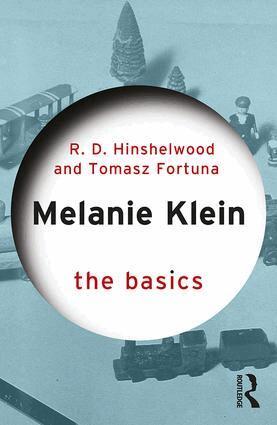
Melanie Klein: The Basics provides an accessible and concise introduction to the life and work of Melanie Klein, whose discoveries advanced those of Freud and other analysts, deepening our insight into the unconscious domain of psychology in human beings. Klein began her work by developing a method of psychoanalysis for children, who suffer from anxiety and other, often unrecognised, conflicts, which enabled understanding of those crucial early steps in the development of human mind and identity. Although she initiated one strand of clinical and theoretical developments, many of her discoveries are well-regarded by other schools of psychoanalysis.The book contains four parts, as well as further reading suggestions and a helpful glossary of key terms. Part I introduces Melanie Klein in the context of her life, her early interest in psychoanalysis and her first discoveries; Part II takes up the development of her technique of child analysis and discusses the ways in which her insights and conclusions in this area influenced the technique of adult analysis and the more general understanding of the human mind; Part III focuses on further scientific and clinical developments in psychoanalytic technique – especially those referring to the understanding and treatment of serious emotional disturbance, e.g. psychosis or affective disorders; Part IV focuses on contemporary developments in Kleinian and post-Kleinian psychoanalysis, considering clinical, cultural, and socio-political applications. Each chapter poses a basic question at the outset, provides an account of how Klein faced this question and worked with it to develop her ideas, and ends by posing a follow up question to be addressed in the subsequent chapter.This book will greatly appeal to readers from any field seeking a clear and concise introduction to Melanie Klein. It will also interest researchers and professionals working within the field of psychoanalysis seeking a succinct overview of Melanie Klein’s contribution.
341 kr
Skickas inom 10-15 vardagar
Melanie Klein: The Basics provides an accessible and concise introduction to the life and work of Melanie Klein, whose discoveries advanced those of Freud and other analysts, deepening our insight into the unconscious domain of psychology in human beings. Klein began her work by developing a method of psychoanalysis for children, who suffer from anxiety and other, often unrecognised, conflicts, which enabled understanding of those crucial early steps in the development of human mind and identity. Although she initiated one strand of clinical and theoretical developments, many of her discoveries are well-regarded by other schools of psychoanalysis.The book contains four parts, as well as further reading suggestions and a helpful glossary of key terms. Part I introduces Melanie Klein in the context of her life, her early interest in psychoanalysis and her first discoveries; Part II takes up the development of her technique of child analysis and discusses the ways in which her insights and conclusions in this area influenced the technique of adult analysis and the more general understanding of the human mind; Part III focuses on further scientific and clinical developments in psychoanalytic technique – especially those referring to the understanding and treatment of serious emotional disturbance, e.g. psychosis or affective disorders; Part IV focuses on contemporary developments in Kleinian and post-Kleinian psychoanalysis, considering clinical, cultural, and socio-political applications. Each chapter poses a basic question at the outset, provides an account of how Klein faced this question and worked with it to develop her ideas, and ends by posing a follow up question to be addressed in the subsequent chapter.This book will greatly appeal to readers from any field seeking a clear and concise introduction to Melanie Klein. It will also interest researchers and professionals working within the field of psychoanalysis seeking a succinct overview of Melanie Klein’s contribution.
468 kr
Skickas
Bion’s Vertices: On Truth and Lies is the inaugural book of the Contemporary Bion series. It raises many key questions, such as: What is the place of truth and lies in psychoanalytic discourse? What are the consequences in terms of collusion and communication? How can a 'lie' carry a meaning? The book features penetrating insights from Nicola Abel-Hirsch, Joseph Aguayo, David Bell, Avner Bergstein, Ronald Britton, Robert Caper, Roosevelt Cassorla, Judy K. Eekhoff, Denis Flynn, Tomasz Fortuna, Antònia Grimalt, Alberto Hahn, R. D. Hinshelwood, Monica Horovitz, Dimitris J. Jackson, Paulo Cesar Sandler, Carlos Tabbia, and Margot Waddell. Their inspiration and starting point is Bion and his work but the vertices are dynamic and involve free expression of their personal perspectives, communication styles, and approaches, including Freudian, Kleinian, mathematical, philosophical, scientific, and poetic.Their chapters are divided into three parts, which investigate the truth/lie domain, emotional change and growth, and creativity in relation to truth and lies. The wide-ranging discussions include chapters on aesthetic processes in poetry and psychoanalytic thought, the protective function of lying, misunderstandings, chaos, the analyst’s mind, knowledge, representation, perversions, and propaganda. These powerful contributions are essential reading for practising clinicians, academics, and students.