Tommaso Bertolotti – författare
Visar alla böcker från författaren Tommaso Bertolotti. Handla med fri frakt och snabb leverans.
8 produkter
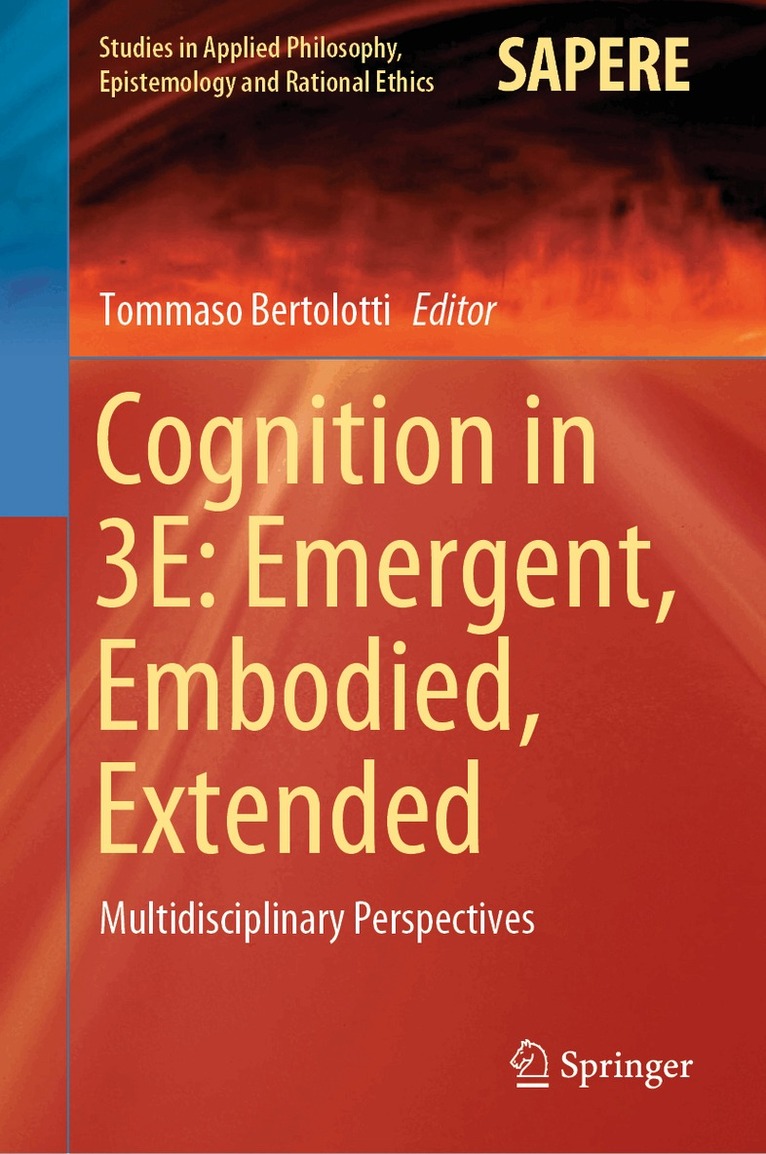
Cognition in 3E: Emergent, Embodied, Extended
Multidisciplinary Perspectives
Inbunden, 2020
1098 kr
Lägg i varukorg
This book originated at a workshop by the same name held in May 2018 at the University of Pavia. The aim was to encourage a cross-disciplinary discussion on the limits of cognition. When venturing into cognitive science, notwithstanding the approach, one of the first riddles to be solved is the …
Cognition in 3E: Emergent, Embodied, Extended
Multidisciplinary Perspectives
E-bok, 2020
1427 kr
Lägg i varukorg
This book originated at a workshop by the same name held in May 2018 at the University of Pavia. The aim was to encourage a cross-disciplinary discussion on the limits of cognition. When venturing into cognitive science, notwithstanding the approach, one of the first riddles to be solved is the …
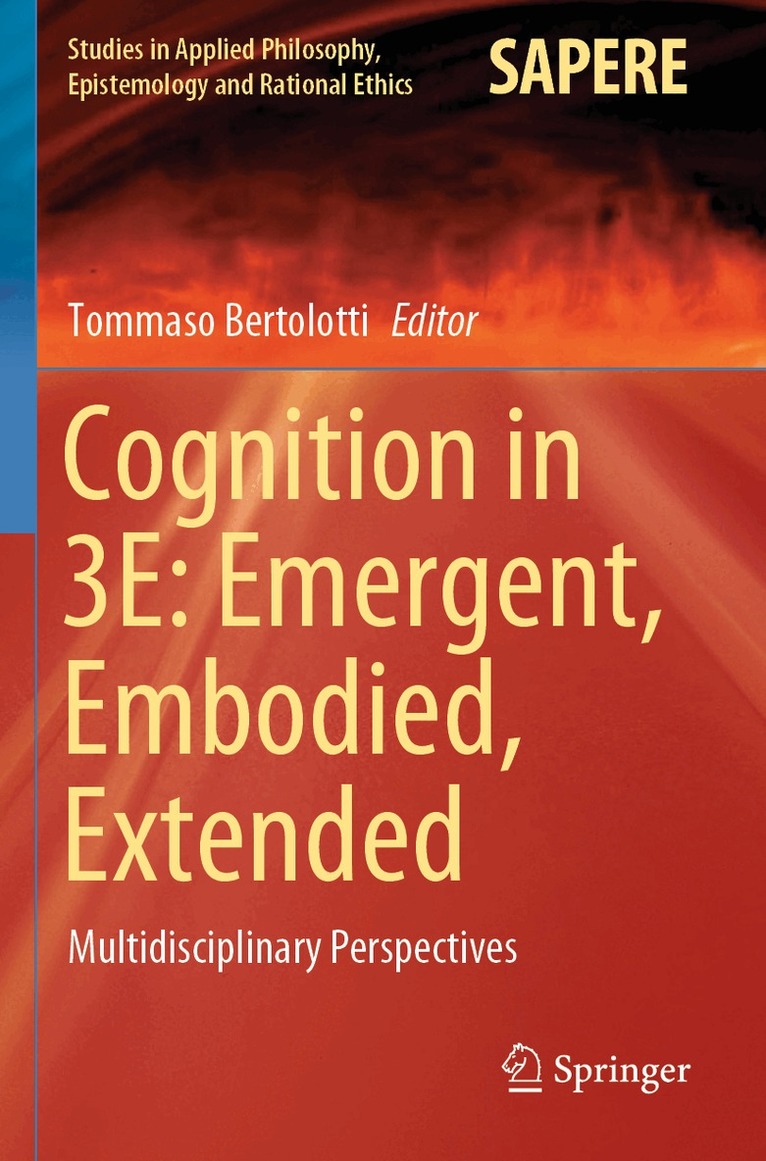
Cognition in 3E: Emergent, Embodied, Extended
Multidisciplinary Perspectives
Häftad, 2021
1098 kr
Lägg i varukorg
This book originated at a workshop by the same name held in May 2018 at the University of Pavia. The aim was to encourage a cross-disciplinary discussion on the limits of cognition. When venturing into cognitive science, notwithstanding the approach, one of the first riddles to be solved is the …
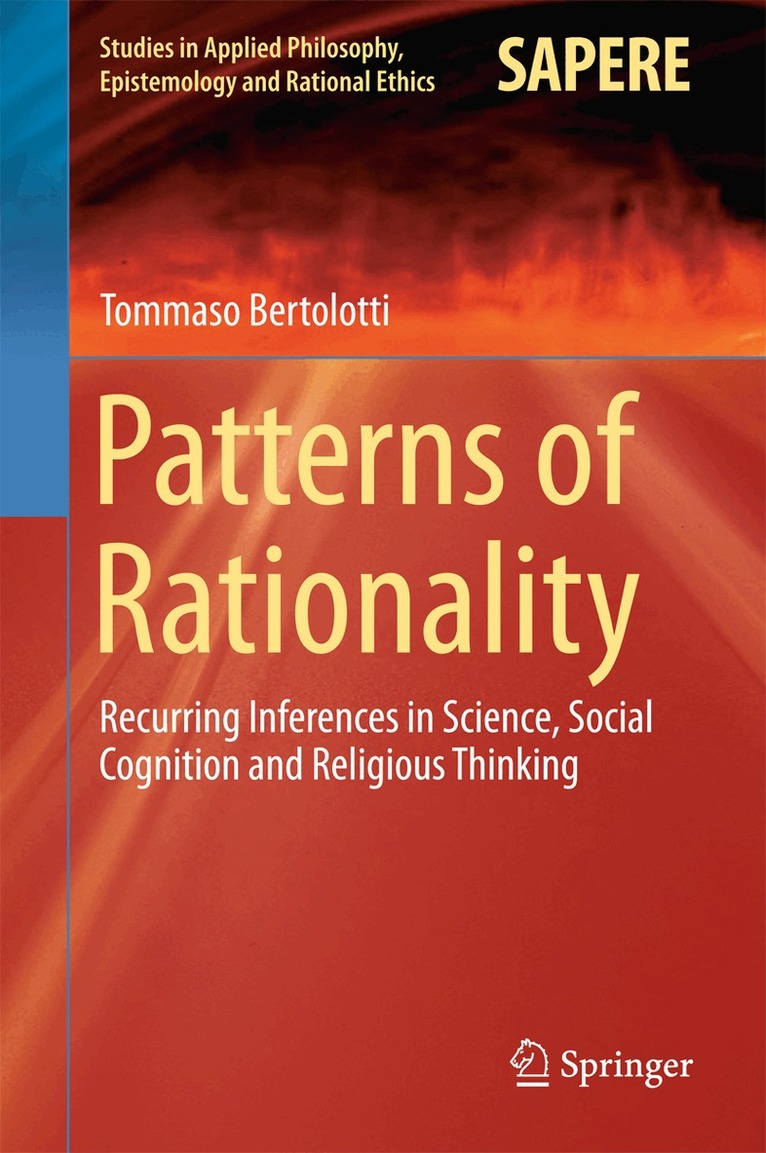
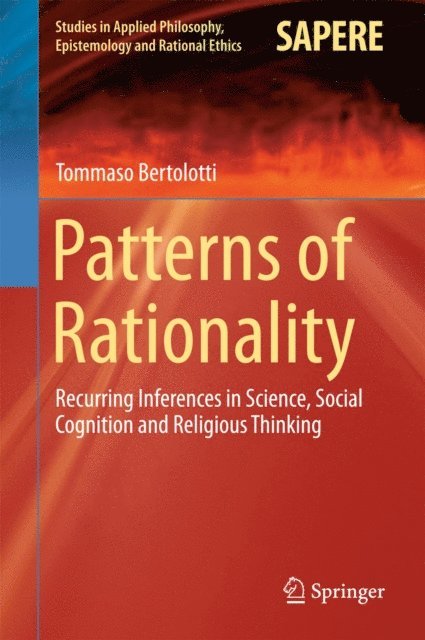
Patterns of Rationality
Recurring Inferences in Science, Social Cognition and Religious Thinking
Inbunden, 2015
552 kr
Lägg i varukorg
This book proposes an applied epistemological framework for investigating science, social cognition and religious thinking based on inferential patterns that recur in the different domains. It presents human rationality as a tool that allows us to make sense of our (physical or social) …
Patterns of Rationality
Recurring Inferences in Science, Social Cognition and Religious Thinking
E-bok, 2015
734 kr
Lägg i varukorg
This book proposes an applied epistemological framework for investigating science, social cognition and religious thinking based on inferential patterns that recur in the different domains. It presents human rationality as a tool that allows us to make sense of our (physical or social) …
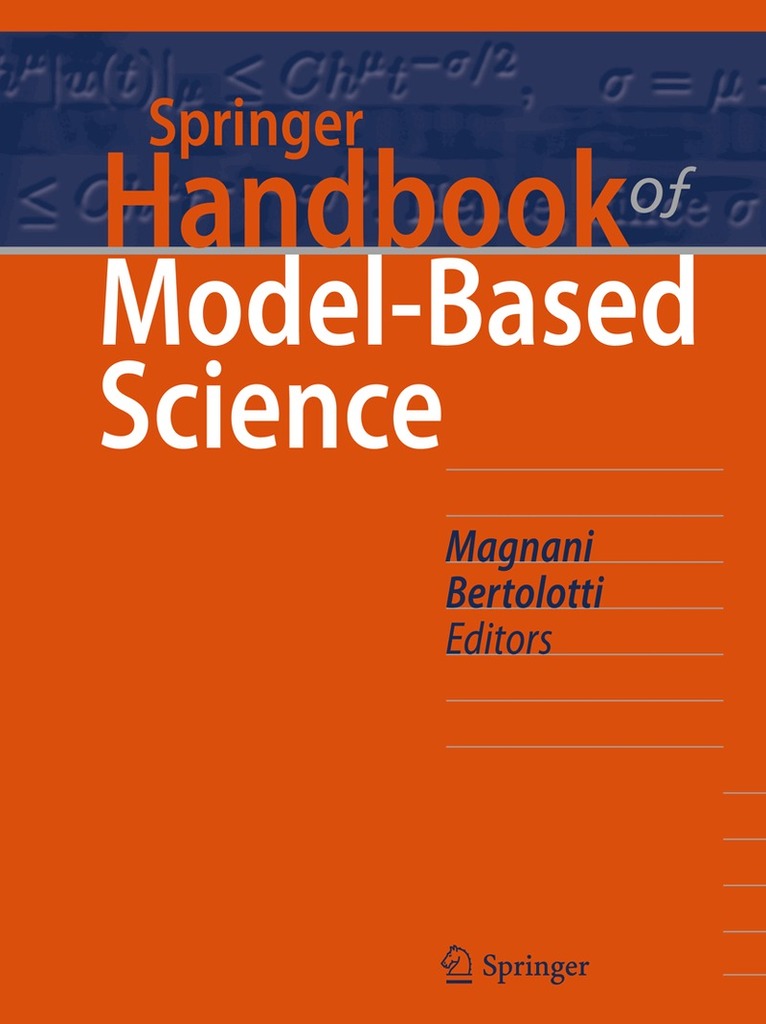
Springer Handbook of Model-Based Science
Av Lorenzo Magnani, Tommaso Bertolotti
2017
4205 kr
Lägg i varukorg
This handbook offers the first comprehensive reference guide to the interdisciplinary field of model-based reasoning. It highlights the role of models as mediators between theory and experimentation, and as educational devices, as well as their relevance in testing hypotheses and explanatory …
Springer Handbook of Model-Based Science
Av Tommaso Bertolotti, Lorenzo Magnani
E-bok, 2017
4555 kr
Lägg i varukorg
This handbook offers the first comprehensive reference guide to the interdisciplinary field of model-based reasoning. It highlights the role of models as mediators between theory and experimentation, and as educational devices, as well as their relevance in testing hypotheses and explanatory …
Patterns of Rationality
Recurring Inferences in Science, Social Cognition and Religious Thinking
Häftad, 2016
552 kr
Lägg i varukorg
This book proposes an applied epistemological framework for investigating science, social cognition and religious thinking based on inferential patterns that recur in the different domains. It presents human rationality as a tool that allows us to make sense of our (physical or social) …