Tomoko Iwasawa – författare
Visar alla böcker från författaren . Handla med fri frakt och snabb leverans.
4 produkter
4 produkter
Häftad, Engelska, 2011
546 kr
Skickas inom 10-15 vardagar
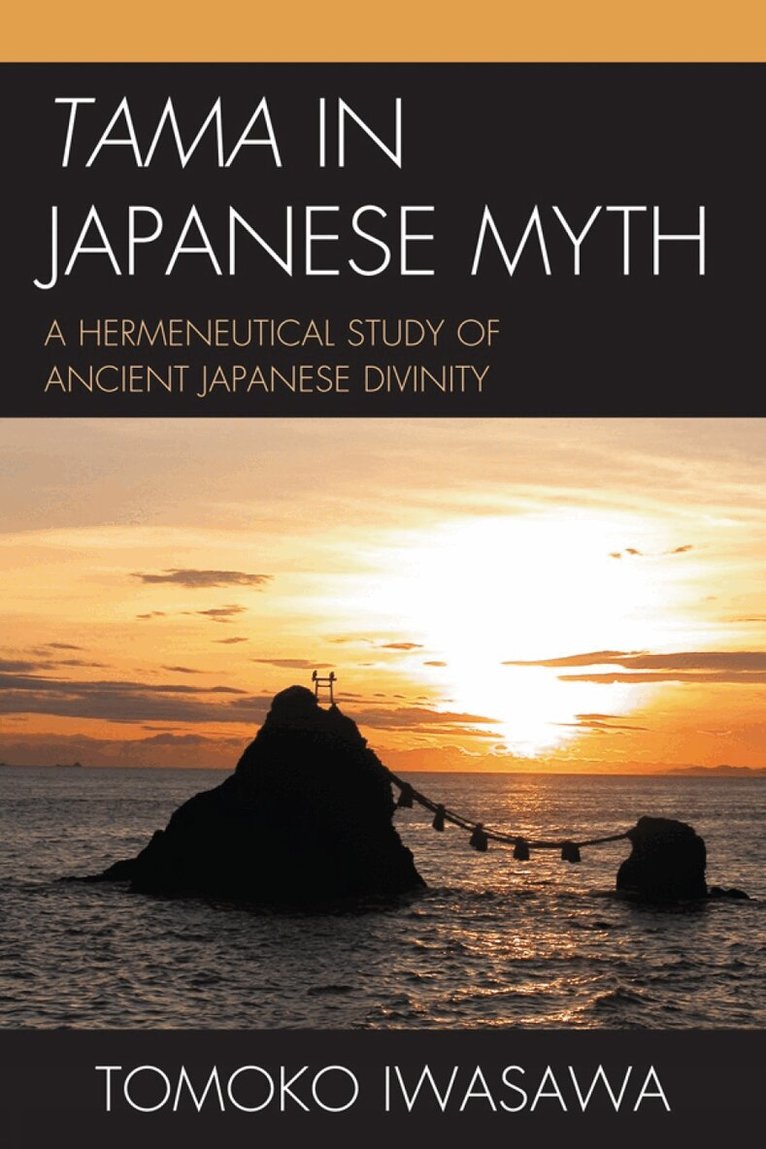
Tama in Japanese Myth attempts to elucidate Japanese religious experiences by presenting a new interpretation of the oldest existing text of Japanese myth, the Kojiki. Informed by phenomenological hermeneutics, Iwasawa shows that the concept of tama lies at the core of Japanese religious experiences. Tama is often compared to spirit and soul in Western philosophy and religion and especially to the German concept of Geist. Tama develops in ways that do not assume a dichotomy between the ideational and the sensible, which is precisely the dichotomy informing Western theism and the Platonic tradition of metaphysics. Iwasawa argues that the Western concept of God, far from explaining all possible connections between the human and the divine, is less than satisfactory for analyzing Japanese religious experiences. Iwasawa proceeds by examining the Japanese notion of tama as an inquiry into the origin of values wholly unaffected by the Western idea of a moral God.
Inbunden, Engelska, 2011
1 181 kr
Skickas inom 10-15 vardagar
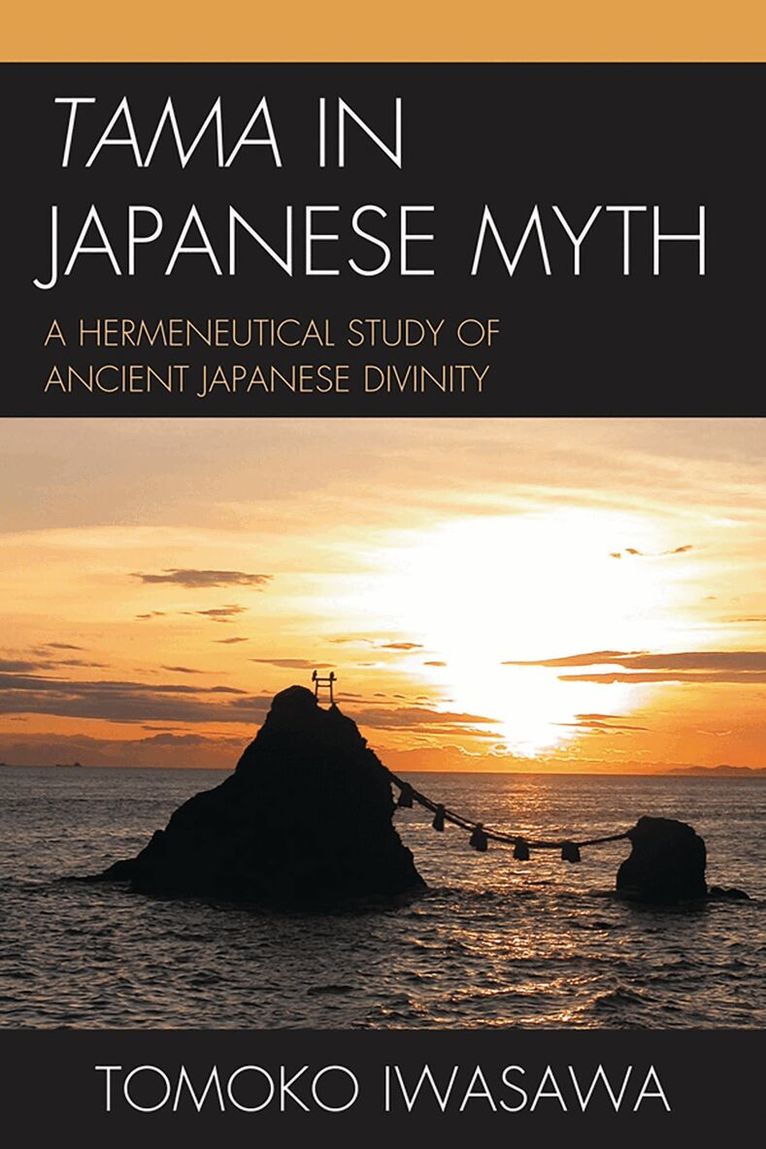
Tama in Japanese Myth attempts to elucidate Japanese religious experiences by presenting a new interpretation of the oldest existing text of Japanese myth, the Kojiki. Informed by phenomenological hermeneutics, Iwasawa shows that the concept of tama lies at the core of Japanese religious experiences. Tama is often compared to spirit and soul in Western philosophy and religion and especially to the German concept of Geist. Tama develops in ways that do not assume a dichotomy between the ideational and the sensible, which is precisely the dichotomy informing Western theism and the Platonic tradition of metaphysics. Iwasawa argues that the Western concept of God, far from explaining all possible connections between the human and the divine, is less than satisfactory for analyzing Japanese religious experiences. Iwasawa proceeds by examining the Japanese notion of tama as an inquiry into the origin of values wholly unaffected by the Western idea of a moral God.
Häftad, Engelska, 2026
238 kr
Kommande
This Element examines the Japanese experience of the divine through the concept of kami, understood not as transcendent authorities but as vital presences embedded in nature, community, and the human body. Rather than presenting Shinto as a fixed religion, it traces the historical formation of kami worship and its expression in myth, ritual, and festival. These practices reveal a psychosomatic mode of religiosity in which body and spirit are interwoven through processes of concealment, gestation, and renewal. Such processes situate the experience of the divine within the generative depths of existence, so that Japanese ritual life integrates chthonic dimensions through embodied participation. Philosophically, the study moves beyond the common characterization of Shinto as pantheistic, proposing instead a panentheistic framework as a more flexible interpretive lens. In this view, corporeality becomes the experiential medium through which kami are manifested. This title is also available as Open Access on Cambridge Core.
Inbunden, Engelska, 2026
766 kr
Kommande
This Element examines the Japanese experience of the divine through the concept of kami, understood not as transcendent authorities but as vital presences embedded in nature, community, and the human body. Rather than presenting Shinto as a fixed religion, it traces the historical formation of kami worship and its expression in myth, ritual, and festival. These practices reveal a psychosomatic mode of religiosity in which body and spirit are interwoven through processes of concealment, gestation, and renewal. Such processes situate the experience of the divine within the generative depths of existence, so that Japanese ritual life integrates chthonic dimensions through embodied participation. Philosophically, the study moves beyond the common characterization of Shinto as pantheistic, proposing instead a panentheistic framework as a more flexible interpretive lens. In this view, corporeality becomes the experiential medium through which kami are manifested. This title is also available as Open Access on Cambridge Core.