Tomoo Kikuchi – författare
Visar alla böcker från författaren Tomoo Kikuchi. Handla med fri frakt och snabb leverans.
10 produkter
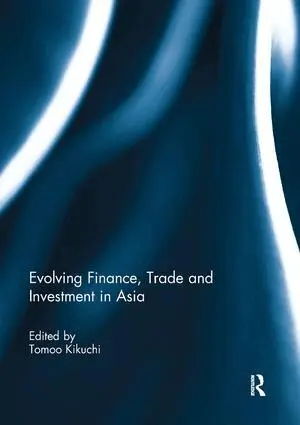
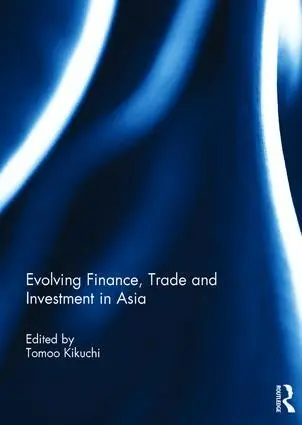
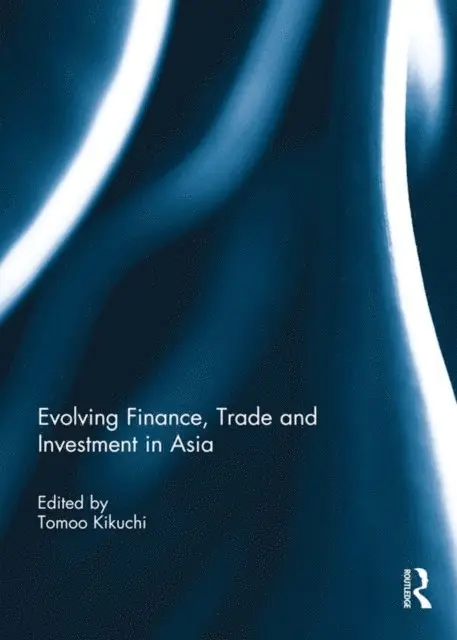
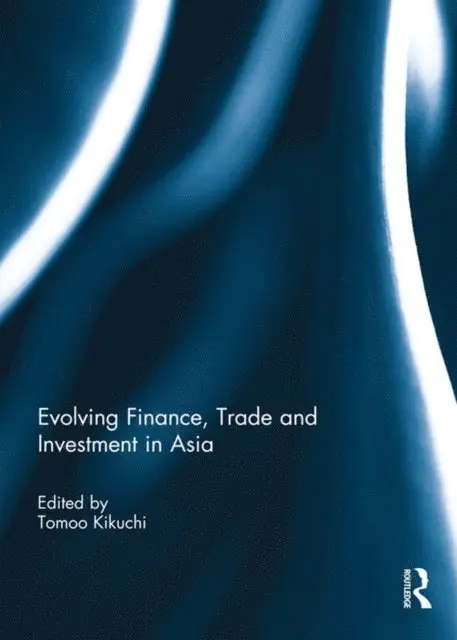
Evolving Finance, Trade and Investment in Asia
Häftad, 2019
517 kr
Lägg i varukorg
The year 2015 witnessed significant events in the area of finance, trade and investment, which brought Asia to the centre of the world stage. The Trans-Pacific Partnership reached its basic agreement among the 12 member countries in October; the Chinese Yuan was included into the Special Drawing …
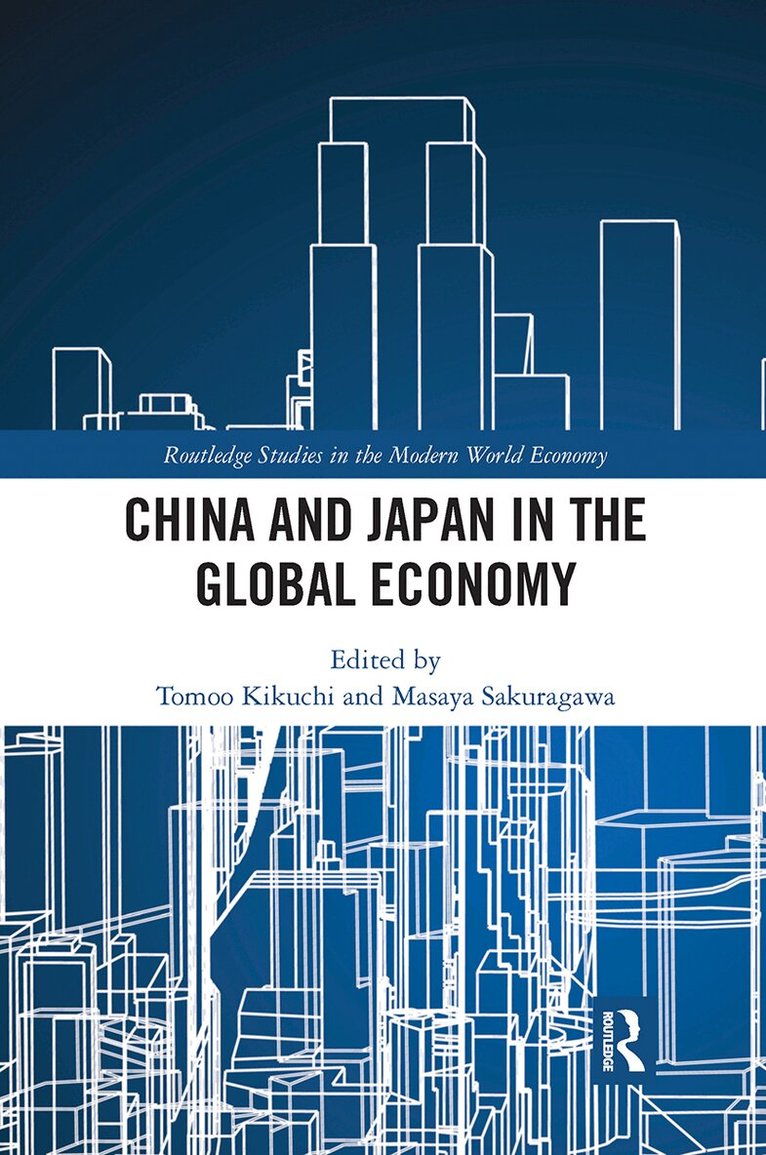
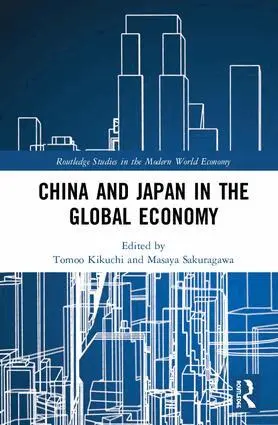
China and Japan in the Global Economy
Av Tomoo Kikuchi, Masaya Sakuragawa
Häftad, 2020
711 kr
Lägg i varukorg
This book discusses the necessity for cooperation between China and Japan to provide international public goods to Asia. It provides insight into how China and Japan can redesign the process of economic integration and security architecture to ensure peace and prosperity in Asia, and how China and …
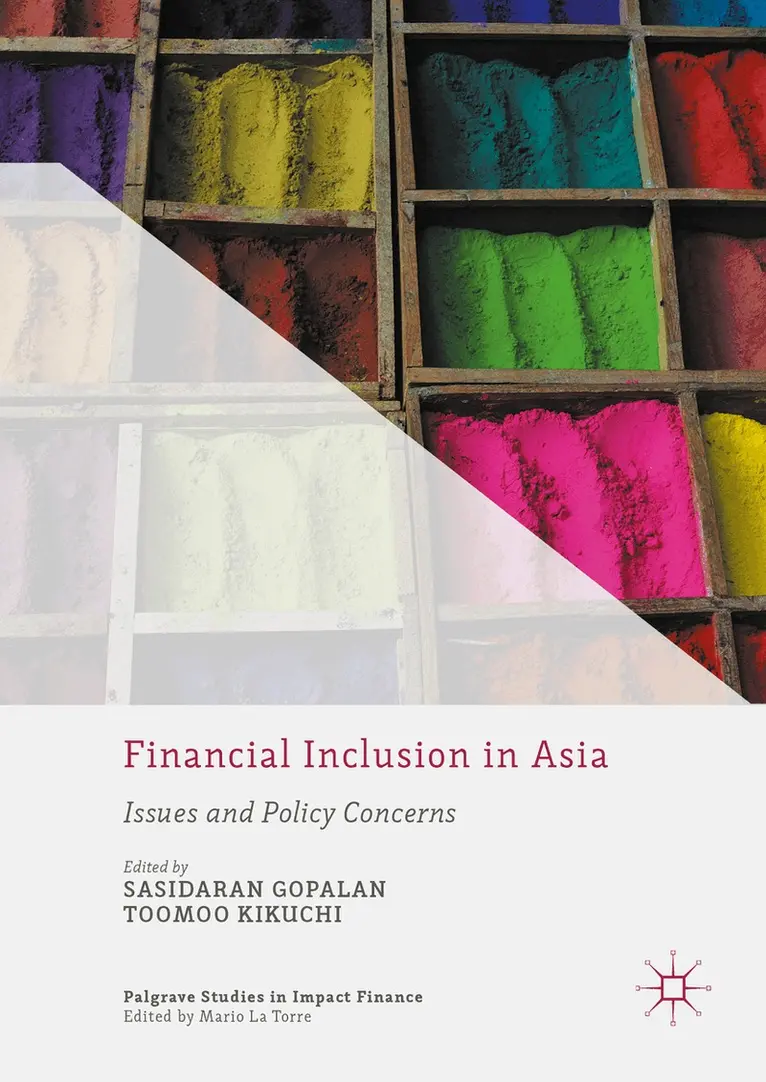
Financial Inclusion in Asia
Issues and Policy Concerns
Av Sasidaran Gopalan, Tomoo Kikuchi
Inbunden, 2016
1126 kr
Lägg i varukorg
This book brings together a set of analytical and empirical essays aimed at understanding inclusive finance in emerging markets focusing on Asia. Despite the significant policy interest in the issue of financial inclusion in the Asian market, there is a dearth of academic literature on the topic. …
Financial Inclusion in Asia
Issues and Policy Concerns
Av Tomoo Kikuchi, Sasidaran Gopalan
E-bok, 2016
1550 kr
Lägg i varukorg
This book brings together a set of analytical and empirical essays aimed at understanding inclusive finance in emerging markets focusing on Asia. Despite the significant policy interest in the issue of financial inclusion in the Asian market, there is a dearth of academic literature on the topic. …
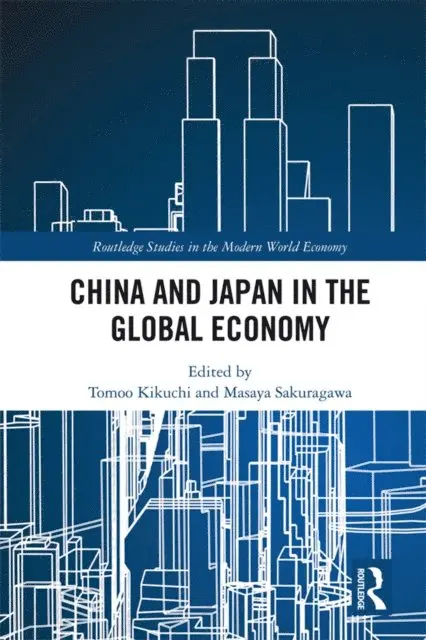
China and Japan in the Global Economy
Av Tomoo Kikuchi, Masaya Sakuragawa
Inbunden, 2018
2585 kr
Lägg i varukorg
This book discusses the necessity for cooperation between China and Japan to provide international public goods to Asia. It provides insight into how China and Japan can redesign the process of economic integration and security architecture to ensure peace and prosperity in Asia, and how China and …
Evolving Finance, Trade and Investment in Asia
Inbunden, 2017
1566 kr
Lägg i varukorg
The year 2015 witnessed significant events in the area of finance, trade and investment, which brought Asia to the centre of the world stage. The Trans-Pacific Partnership reached its basic agreement among the 12 member countries in October; the Chinese Yuan was included into the Special Drawing …
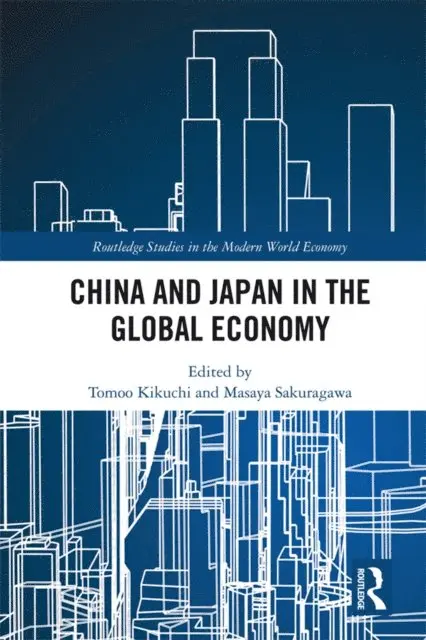
China and Japan in the Global Economy
Av Masaya Sakuragawa, Tomoo Kikuchi
E-bok, 2018
838 kr
Lägg i varukorg
This book discusses the necessity for cooperation between China and Japan to provide international public goods to Asia. It provides insight into how China and Japan can redesign the process of economic integration and security architecture to ensure peace and prosperity in Asia, and how China and …
China and Japan in the Global Economy
Av Masaya Sakuragawa, Tomoo Kikuchi
E-bok, 2018
820 kr
Lägg i varukorg
This book discusses the necessity for cooperation between China and Japan to provide international public goods to Asia. It provides insight into how China and Japan can redesign the process of economic integration and security architecture to ensure peace and prosperity in Asia, and how China and …
Evolving Finance, Trade and Investment in Asia
E-bok, 2018
607 kr
Lägg i varukorg
The year 2015 witnessed significant events in the area of finance, trade and investment, which brought Asia to the centre of the world stage. The Trans-Pacific Partnership reached its basic agreement among the 12 member countries in October; the Chinese Yuan was included into the Special Drawing …
Evolving Finance, Trade and Investment in Asia
E-bok, 2018
589 kr
Lägg i varukorg
The year 2015 witnessed significant events in the area of finance, trade and investment, which brought Asia to the centre of the world stage. The Trans-Pacific Partnership reached its basic agreement among the 12 member countries in October; the Chinese Yuan was included into the Special Drawing …