This new edition of A Dictionary of Mechanical Engineering provides clear and concise definitions and explanations for over 8,000 mechanical-engineering terms in the core areas of design, stress analysis, dynamics, thermodynamics, and fluid mechanics, together with newly extended coverage of materials engineering. More than 550 new entries have been incorporated into the text, including alloy steels, biomaterials, ceramics, continuum mechanics, conventional drilling, graphene, metallic glasses, superconductivity, and vapour deposition, alongside over 25 additional line drawings and updated web links. It continues to be an indispensable reference for students of mechanical engineering and related disciplines such as aerospace engineering, chemical engineering, and civil engineering, practising engineers, and other professionals needing to understand engineering terms.
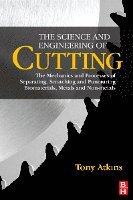
The materials mechanics of the controlled separation of a body into two or more parts – cutting – using a blade or tool or other mechanical implement is a ubiquitous process in most engineering disciplines. This is the only book available devoted to the cutting of materials generally, the mechanics of which (toughness, fracture, deformation, plasticity, tearing, grating, chewing, etc.) have wide ranging implications for engineers, medics, manufacturers, and process engineers, making this text of particular interest to a wide range of engineers and specialists.- The only book to explain and unify the process and techniques of cutting in metals AND non-metals. The emphasis on biomaterials, plastics and non-metals will be of considerable interest to many, while the transfer of knowledge from non-metals fields offers important benefits to metal cutters- Comprehensive, written with this well-known author''s lightness of touch, the book will attract the attention of many readers in this underserved subject- The clarity of the text is further enhanced by detailed examples and case studies, from the grating of cheese on an industrial scale to the design of scalpels
This new edition of A Dictionary of Mechanical Engineering provides clear and concise definitions and explanations for over 8,000 mechanical-engineering terms in the core areas of design, stress analysis, dynamics, thermodynamics, and fluid mechanics, together with newly extended coverage of materials engineering. More than 550 new entries have been incorporated into the text, including alloy steels, biomaterials, ceramics, continuum mechanics, conventional drilling, graphene, metallic glasses, superconductivity, and vapour deposition, alongside over 25 additional line drawings and updated web links. It continues to be an indispensable reference for students of mechanical engineering and related disciplines such as aerospace engineering, chemical engineering, and civil engineering, practising engineers, and other professionals needing to understand engineering terms.
The materials mechanics of the controlled separation of a body into two or more parts - cutting - using a blade or tool or other mechanical implement is a ubiquitous process in most engineering disciplines. This is the only book available devoted to the cutting of materials generally, the mechanics of which (toughness, fracture, deformation, plasticity, tearing, grating, chewing, etc.) have wide ranging implications for engineers, medics, manufacturers, and process engineers, making this text of particular interest to a wide range of engineers and specialists. The only book to explain and unify the process and techniques of cutting in metals AND non-metals. The emphasis on biomaterials, plastics and non-metals will be of considerable interest to many, while the transfer of knowledge from non-metals fields offers important benefits to metal cutters Comprehensive, written with this well-known author's lightness of touch, the book will attract the attention of many readers in this underserved subject The clarity of the text is further enhanced by detailed examples and case studies, from the grating of cheese on an industrial scale to the design of scalpels
The name of Tony Atkins should need little introduction to followers of the Great Western Railway. One of the original contributors to the books on Great Western Wagons and more recently on Great Western Goods Services, his expertise in this particular field of history, operation and commerce is probably without equal. Now he turns his attention to the Docks services operated by the Company and while shipping cannot be totally ignored, this is a book which concentrates primarily on the docks - how they operated, and the traffic that each of them handled, both goods and passenger. Neither were the Great Western docks limited to just South Wales, instead the book starts at Brentford, moves to Weymouth, then travels around the coast to Kingswear, Totnes and Plymouth before continuing through Bristol, Gloucester and finally into South Wales.
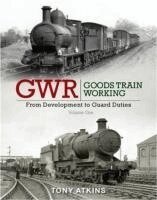
Great Western Goods Train Working is a truly remarkable book providing - for the first time - a comprehensive guide as to how that most important of commodities 'goods' were handled, marshalled, and moved by rail from despatch to destination. Railways including the Great Western were founded upon the basis of goods movement - passengers would come later - which goes to explain why the GWR Goods Manager was for many years senior to even the Chief Mechanical Engineer, because the Goods Department brought in more revenue! In this all new book rolling stock is depicted for the first time in the context of how it was used, the train formations and where and how freight services operated. The culmination of several decades of painstaking research this complex and detailed subject is split into two volumes both rightly deserving a place on the bookshelf of the enthusiast and historian.
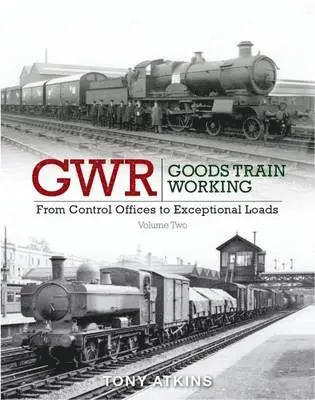
The name of Tony Atkins will need no introduction to followers of the Great Western Railway. In Part 2 of this monumental work on Great Western Goods working, the story is taken forward starting with 20th Century goods train on the GWR working to the various types of special traffic handled. This heavily illustrated volume looks at perishable traffic: flowers, fruit and vegetables, banana workings, as well as livestock, refrigerated and fish traffic. There are also sections on dangerous goods and exceptional loads, the movement of the latter often requiring considerable planning to avoid structures and other trains from a load which was outside the standard loading gauge. The culmination of several decades of painstaking research this complex and detailed subject is split into two volumes, both rightly deserving a place on the bookshelf of the enthusiast and historian.
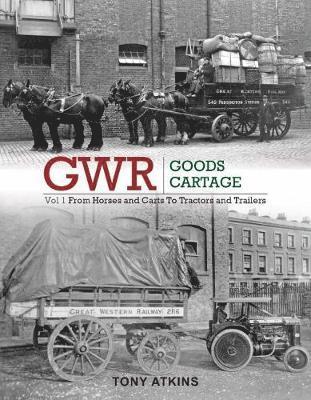
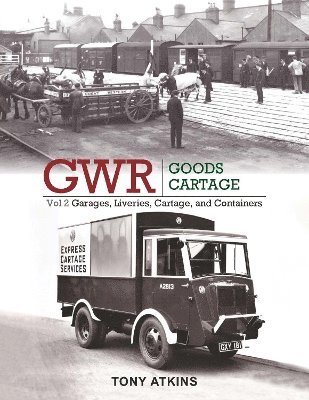
This is the latest volume in our acclaimed and successful GW Goods series which explores, in unprecedented detail, how the Great Western Railway organised and conducted its freight business. This fourth volume in the series follows on from GWR Goods & Marine and the two volumes on GWR Goods Train Working, all written by the acknowledged expert in this field, Tony Atkins. In this totally new book the author looks at how the railway sought to obtain goods traffic and how it strove to retain that traffic. This was a hugely important source of revenue for the railway. These days it is easy to overlook that for the GWR and their contemporaries, goods traffic generated far more income than passenger traffic. The book shows both how goods were moved and delivered to and from the customer's premises. The subjects covered thus include horse drawn drays and carts, motor lorries, stables, garages, and most importantly the facilities provide to handle the traffic at the various stations both large and small. Superbly illustrated with a wealth of contemporary material, this all-new book is enhanced with charts, diagrams and maps. Heavily illustrated throughout, as well as providing fascinating insights on GWR goods operations, the book will be a rich reference source for those many railway modellers engaged on building GWR era layouts.