Tony Jebara – författare
Visar alla böcker från författaren Tony Jebara. Handla med fri frakt och snabb leverans.
5 produkter
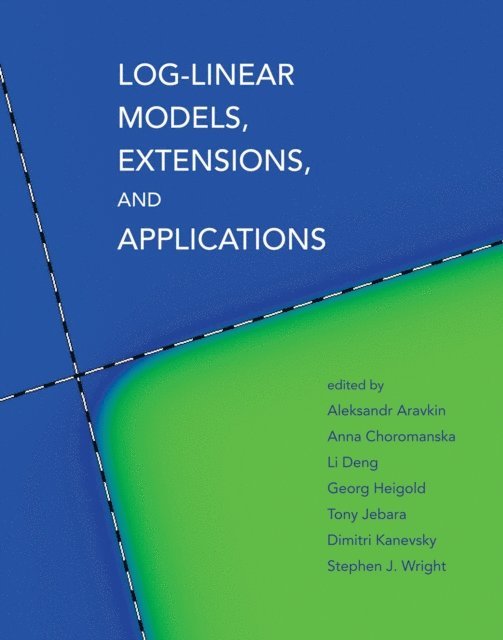
Log-Linear Models, Extensions, and Applications
Av Tony Jebara, Georg Heigold m. fl.
E-bok, 2018
1149 kr
Lägg i varukorg
Advances in training models with log-linear structures, with topics including variable selection, the geometry of neural nets, and applications. Log-linear models play a key role in modern big data and machine learning applications. From simple binary classification models through partition …
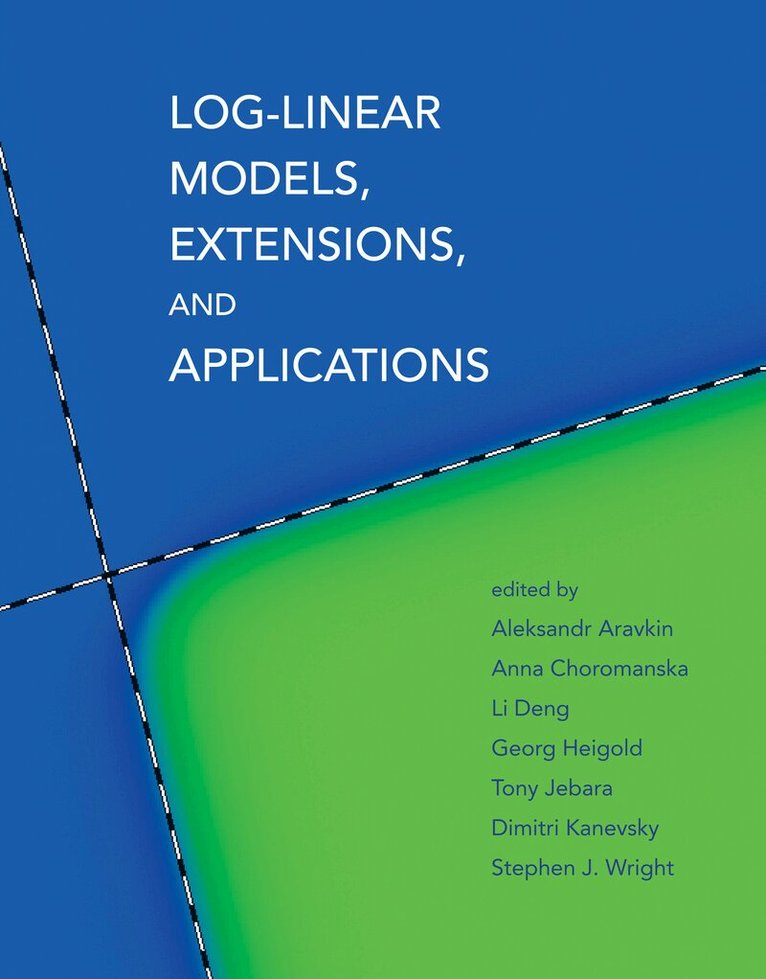
Log-Linear Models, Extensions, and Applications
Av Aleksandr Aravkin, Anna Choromanska m. fl.
Häftad, 2024
1399 kr
Lägg i varukorg
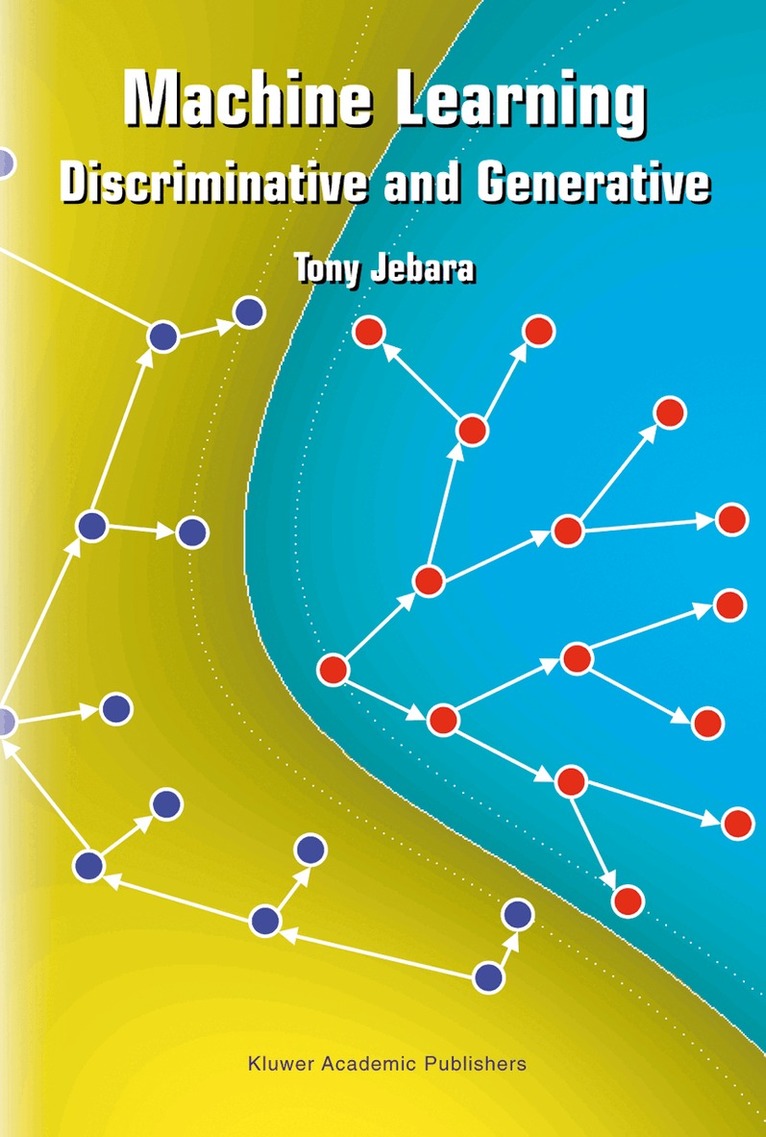
Machine Learning
Discriminative and Generative
Av Tony Jebara
Inbunden, 2003
1126 kr
Lägg i varukorg
Machine Learning: Discriminative and Generative covers the main contemporary themes and tools in machine learning ranging from Bayesian probabilistic models to discriminative support-vector machines. However, unlike previous books that only discuss these rather different approaches in isolation, it …
Machine Learning
Discriminative and Generative
Av Tony Jebara
E-bok, 2012
1413 kr
Lägg i varukorg
Machine Learning: Discriminative and Generative covers the main contemporary themes and tools in machine learning ranging from Bayesian probabilistic models to discriminative support-vector machines. However, unlike previous books that only discuss these rather different approaches in isolation, it …
Machine Learning
Discriminative and Generative
Av Tony Jebara
Häftad, 2012
1093 kr
Lägg i varukorg
Machine Learning: Discriminative and Generative covers the main contemporary themes and tools in machine learning ranging from Bayesian probabilistic models to discriminative support-vector machines. However, unlike previous books that only discuss these rather different approaches in isolation, it …