Toshi Yoshihara – författare
Visar alla böcker från författaren Toshi Yoshihara. Handla med fri frakt och snabb leverans.
22 produkter
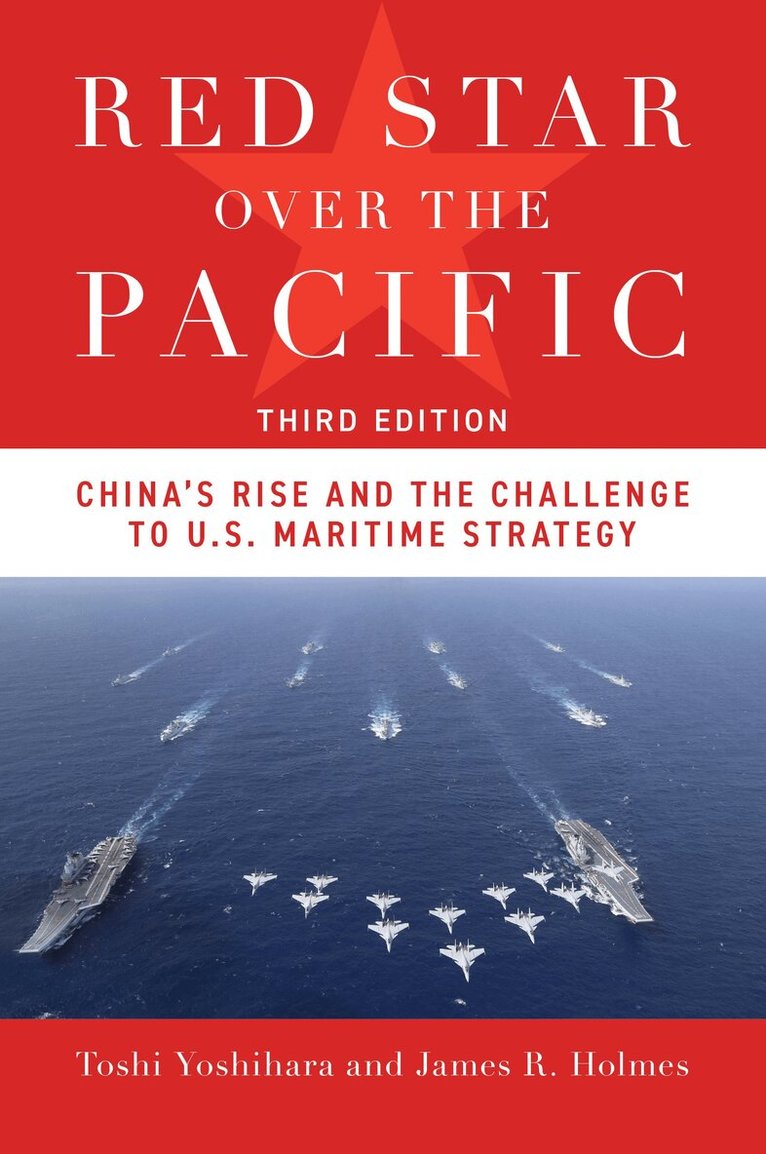
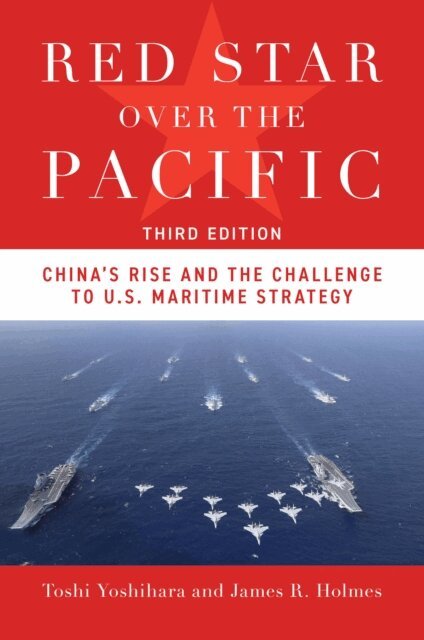
Red Star Over the Pacific, Third Edition
China's Rise and the Challenge to U.S. Maritime Strategy
Av Toshi Yoshihara, James R. Holmes
Häftad, 2026
374 kr
Lägg i varukorg
The latest edition of Red Star over the Pacific explores how China’s growing sea power—shaped by both Western and Chinese strategic thought—threatens U.S. maritime dominance in Asia and demands urgent adaptation by American sea services.In this third edition of Red Star over the Pacific, authors …
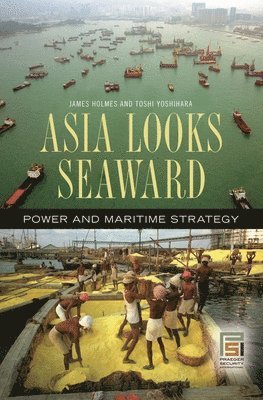
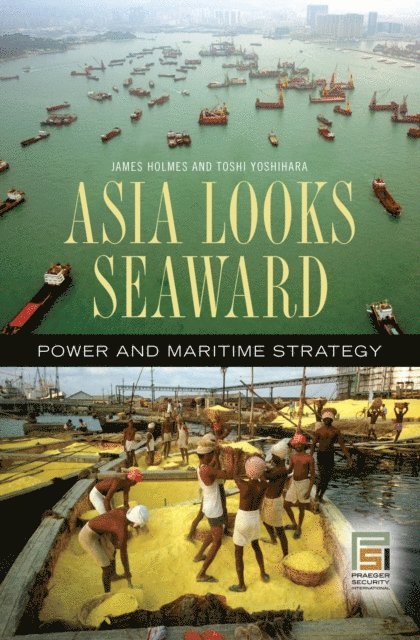
Asia Looks Seaward
Power and Maritime Strategy
Av Toshi Yoshihara, James R. Holmes
Inbunden, 2007
713 kr
Lägg i varukorg
Asia is headed toward an uncertain and potentially volatile future in the maritime arena. The two rising Asian powers, China and India, dependent as they are on seaborne commerce for their economic well-being, have clearly set their eyes on the high seas. Yoshihara and Holmes offer a stark warning …
Indian Naval Strategy in the Twenty-first Century
Av James R. Holmes, Andrew C. Winner m. fl.
Inbunden, 2009
2510 kr
Lägg i varukorg
This is the first academic study of India's emerging maritime strategy, and offers a systematic analysis of the interplay between Western military thought and Indian maritime traditions.By a quirk of historical fate, Europe embarked on its Age of Discovery just as the main Asian powers were …
Chinese Naval Strategy in the 21st Century
The Turn to Mahan
Av James R. Holmes, Toshi Yoshihara
Häftad, 2009
909 kr
Lägg i varukorg
Alfred Thayer Mahan has been called America’s nineteenth-century ‘evangelist of sea power’ and the intellectual father of the modern US Navy. His theories have a timeless appeal, and Chinese analysts now routinely invoke Mahan’s writings, exhorting their nation to build a powerful navy. Economics …
Indian Naval Strategy in the Twenty-first Century
Av James R. Holmes, Andrew C. Winner m. fl.
Häftad, 2010
909 kr
Lägg i varukorg
This is the first academic study of India's emerging maritime strategy, and offers a systematic analysis of the interplay between Western military thought and Indian maritime traditions.By a quirk of historical fate, Europe embarked on its Age of Discovery just as the main Asian powers were …
Chinese Naval Strategy in the 21st Century
The Turn to Mahan
Av James R. Holmes, Toshi Yoshihara
Inbunden, 2007
2510 kr
Lägg i varukorg
Alfred Thayer Mahan has been called America’s nineteenth-century ‘evangelist of sea power’ and the intellectual father of the modern US Navy. His theories have a timeless appeal, and Chinese analysts now routinely invoke Mahan’s writings, exhorting their nation to build a powerful navy. Economics …
Indian Naval Strategy in the Twenty-first Century
Av James R. Holmes, Andrew C. Winner m. fl.
E-bok, 2009
1051 kr
Lägg i varukorg
This is the first academic study of India's emerging maritime strategy, and offers a systematic analysis of the interplay between Western military thought and Indian maritime traditions.By a quirk of historical fate, Europe embarked on its Age of Discovery just as the main Asian powers were …
Indian Naval Strategy in the Twenty-first Century
Av James R. Holmes, Andrew C. Winner m. fl.
E-bok, 2009
1051 kr
Lägg i varukorg
This is the first academic study of India's emerging maritime strategy, and offers a systematic analysis of the interplay between Western military thought and Indian maritime traditions.By a quirk of historical fate, Europe embarked on its Age of Discovery just as the main Asian powers were …
Chinese Naval Strategy in the 21st Century
The Turn to Mahan
Av Toshi Yoshihara, James R. Holmes
E-bok, 2012
1074 kr
Lägg i varukorg
Alfred Thayer Mahan has been called America’s nineteenth-century ‘evangelist of sea power’ and the intellectual father of the modern US Navy. His theories have a timeless appeal, and Chinese analysts now routinely invoke Mahan’s writings, exhorting their nation to build a powerful navy. Economics …
Chinese Naval Strategy in the 21st Century
The Turn to Mahan
Av Toshi Yoshihara, James R. Holmes
E-bok, 2012
1074 kr
Lägg i varukorg
Alfred Thayer Mahan has been called America’s nineteenth-century ‘evangelist of sea power’ and the intellectual father of the modern US Navy. His theories have a timeless appeal, and Chinese analysts now routinely invoke Mahan’s writings, exhorting their nation to build a powerful navy. Economics …
Asia Looks Seaward
Power and Maritime Strategy
Av Toshi Yoshihara, James R. Holmes
E-bok, 2007
780 kr
Lägg i varukorg
Asia is headed toward an uncertain and potentially volatile future in the maritime arena. The two rising Asian powers, China and India, dependent as they are on seaborne commerce for their economic well-being, have clearly set their eyes on the high seas. Yoshihara and Holmes offer a stark warning …
Strategy in the Second Nuclear Age
Power, Ambition, and the Ultimate Weapon
Av Toshi Yoshihara, James R. Holmes
Häftad, 2012
378 kr
Lägg i varukorg
A "second nuclear age" has begun in the post-Cold War world. Created by the expansion of nuclear arsenals and new proliferation in Asia, it has changed the familiar nuclear geometry of the Cold War. Increasing potency of nuclear arsenals in China, India, and Pakistan, the nuclear breakout in North …
Strategy in the Second Nuclear Age
Power, Ambition, and the Ultimate Weapon
Av Toshi Yoshihara, James R. Holmes
E-bok, 2012
447 kr
Lägg i varukorg
A “second nuclear age” has begun in the post-Cold War world. Created by the expansion of nuclear arsenals and new proliferation in Asia, it has changed the familiar nuclear geometry of the Cold War. Increasing potency of nuclear arsenals in China, India, and Pakistan, the nuclear breakout in North …
Mao's Army Goes to Sea
The Island Campaigns and the Founding of China's Navy
Inbunden, 2023
1425 kr
Lägg i varukorg
New details about the founding of China’s Navy reveals critical historical context and insight into future strategyFrom 1949 to 1950, the People’s Liberation Army (PLA) made crucial decisions to establish a navy and secure China’s periphery. The civil war had been fought with a peasant army, yet in …
Mao's Army Goes to Sea
The Island Campaigns and the Founding of China's Navy
Häftad, 2023
412 kr
Lägg i varukorg
New details about the founding of China’s Navy reveals critical historical context and insight into future strategyFrom 1949 to 1950, the People’s Liberation Army (PLA) made crucial decisions to establish a navy and secure China’s periphery. The civil war had been fought with a peasant army, yet in …
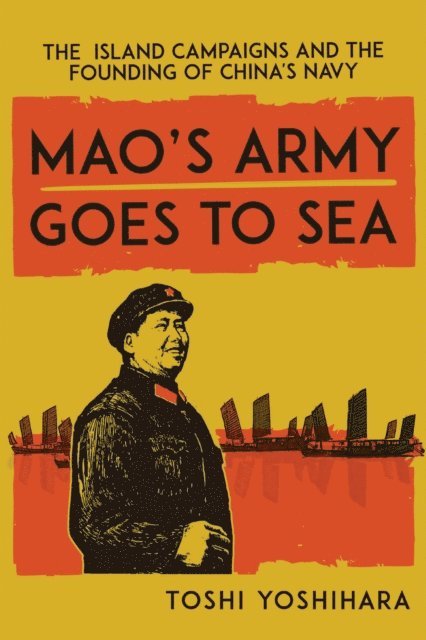
Mao's Army Goes to Sea
The Island Campaigns and the Founding of China''s Navy
E-bok, 2023
470 kr
Lägg i varukorg
New details about the founding of China’s Navy reveals critical historical context and insight into future strategy From 1949 to 1950, the People’s Liberation Army (PLA) made crucial decisions to establish a navy and secure China’s periphery. The civil war had been fought with a peasant army, yet …
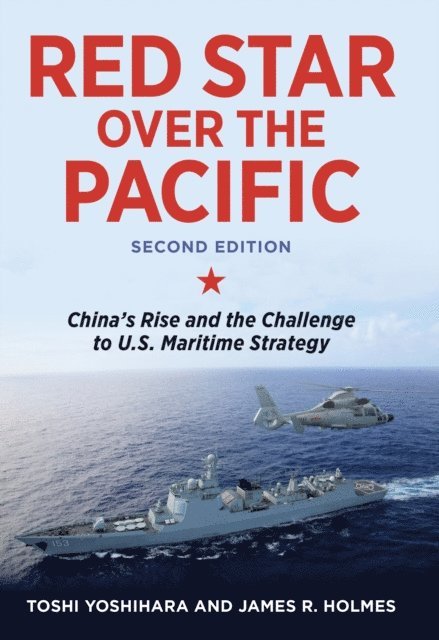
Red Star over the Pacific, Second Edition
China''s Rise and the Challenge to U.S. Maritime Strategy
Av James Holmes, Toshi Yoshihara
E-bok, 2018
532 kr
Lägg i varukorg
Combining a close knowledge of Asia and an ability to tap Chinese-language sources with naval combat experience and expertise in sea-power theory, the authors assess how the rise of Chinese sea power will affect U.S. maritime strategy in Asia. They argue that China has laid the groundwork for a …
Red Star Over the Pacific, Third Edition
China's Rise and the Challenge to U.S. Maritime Strategy
Av James R. Holmes, Toshi Yoshihara
E-bok, 2026
379 kr
Lägg i varukorg
The latest edition of Red Star over the Pacific explores how China's growing sea power-shaped by both Western and Chinese strategic thought-threatens U.S. maritime dominance in Asia and demands urgent adaptation by American sea services.In this third edition of Red Star over the Pacific, authors …
Chinese Information Warfare: A Phantom Menace or Emerging Threat?
Av Toshi Yoshihara, Strategic Studies Institute
Häftad, 2014
167 kr
Tillfälligt slut