T.P. Wiseman – författare
Visar alla böcker från författaren T.P. Wiseman. Handla med fri frakt och snabb leverans.
7 produkter
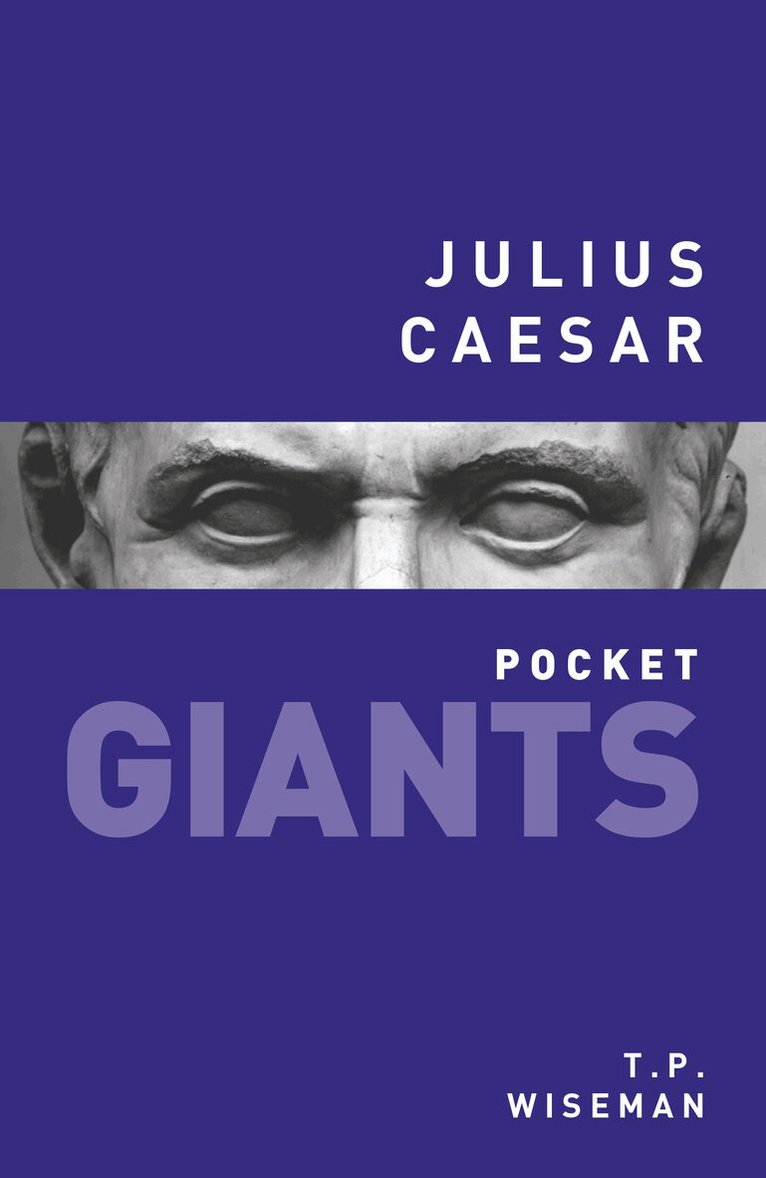
Julius Caesar: pocket GIANTS
Av T.P. Wiseman
Häftad, 2016
106 kr
Lägg i varukorg
Why is Caesar a giant? Because he effectively created the Roman Empire, and thus made possible the European civilization that grew out of it. As the People's champion against a corrupt and murderous oligarchy, he began transformation of the Roman republic into a quasi-monarchy and a military and …
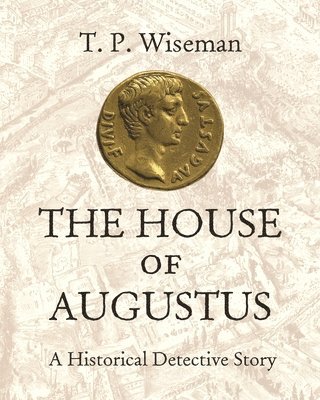
House of Augustus
A Historical Detective Story
Av T.P. Wiseman
Inbunden, 2019
441 kr
Lägg i varukorg
A radical reexamination of the textual and archaeological evidence about Augustus and the PalatineCaesar Augustus (63 BC–AD 14), who is usually thought of as the first Roman emperor, lived on the Palatine Hill, the place from which the word “palace” originates. A startling reassessment of textual …
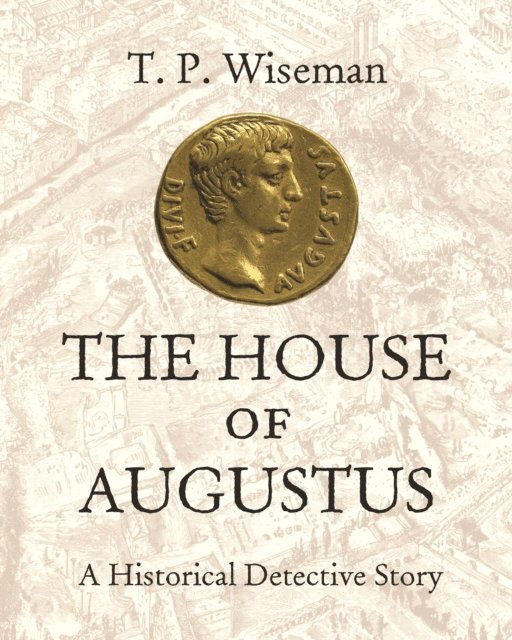
House of Augustus
A Historical Detective Story
Av T.P. Wiseman
E-bok, 2019
562 kr
Lägg i varukorg
A radical reexamination of the textual and archaeological evidence about Augustus and the Palatine Caesar Augustus (63 BC–AD 14), who is usually thought of as the first Roman emperor, lived on the Palatine Hill, the place from which the word “palace” originates. A startling reassessment of textual …
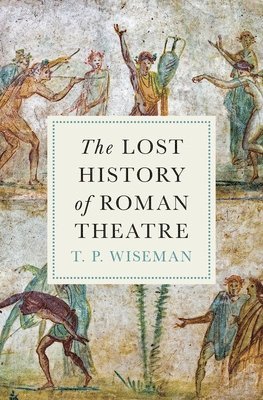
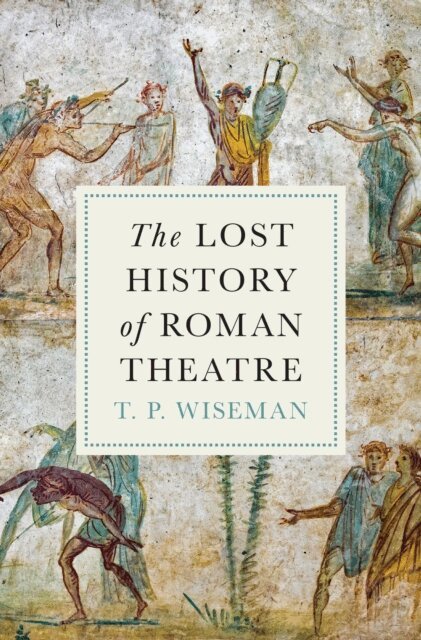
Lost History of Roman Theatre
Av T.P. Wiseman
Inbunden, 2025
451 kr
Lägg i varukorg
Investigating the origins of theatre in archaic RomeTheatre was an integral part of Roman civic, religious and political life for nearly a thousand years, but our understanding of it is skewed by the haphazard survival of usable evidence. The widely accepted date for the beginning of Roman drama is …
Lost History of Roman Theatre
Av T.P. Wiseman
E-bok, 2025
610 kr
Lägg i varukorg
Investigating the origins of theatre in archaic Rome Theatre was an integral part of Roman civic, religious and political life for nearly a thousand years, but our understanding of it is skewed by the haphazard survival of usable evidence. The widely accepted date for the beginning of Roman drama …
Lost Memoirs of Augustus and the Development of Roman Autobiography
Av C. Smith, Powell, A. m. fl.
Häftad, 2008
489 kr
Lägg i varukorg
Augustus' Memoirs, written probably in the mid 20s BC, might have been one of the most revealing texts of Roman history - had they survived. Far longer than his surviving Res Gestae, the Memoirs seem to date from a period at which the wounds of Rome's civil wars were fresh, and the emperor's …
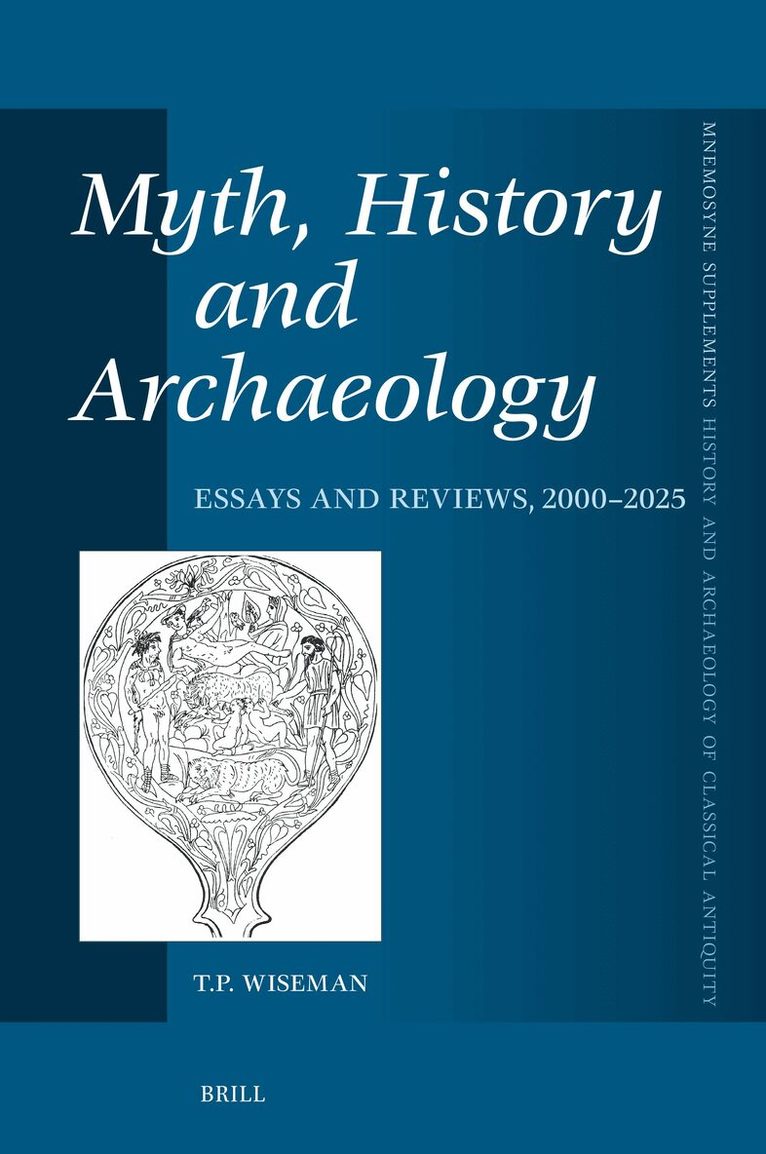
Myth, History and Archaeology
Essays and Reviews, 2000-2025
Av T.P. Wiseman
Inbunden, 2025
1955 kr
Lägg i varukorg
A bronze mirror of the fourth century BC shows a she-wolf suckling infant twins. You may think that’s a familiar story, but who are the other figures in the scene, and why is there a lion so prominent in the foreground? The image typifies the problems involved in studying the history and evolution …