Tracy Campbell – författare
Visar alla böcker från författaren Tracy Campbell. Handla med fri frakt och snabb leverans.
9 produkter
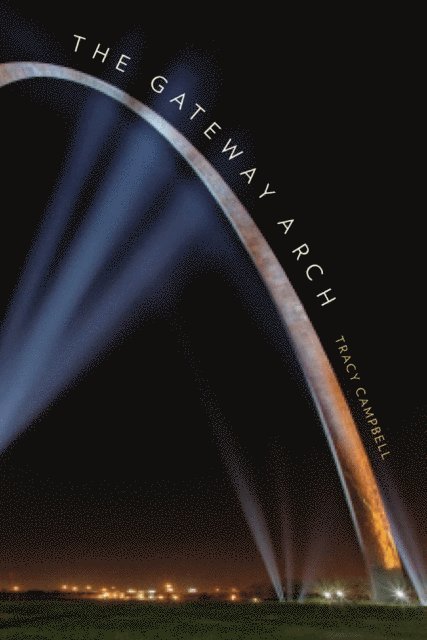
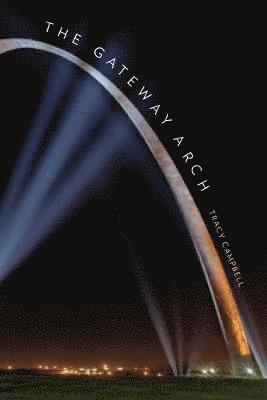
Gateway Arch
Av Tracy Campbell, Mark Crispin Miller
E-bok, 2013
221 kr
Lägg i varukorg
This "fascinating, engaging" history of St. Louis''s monument to American expansion reveals a story of greed, discrimination, and community displacement (NextSTL.com). Rising to a triumphant height of 630 feet, the Gateway Arch is one of the world''s most widely recognized structures and attracts …
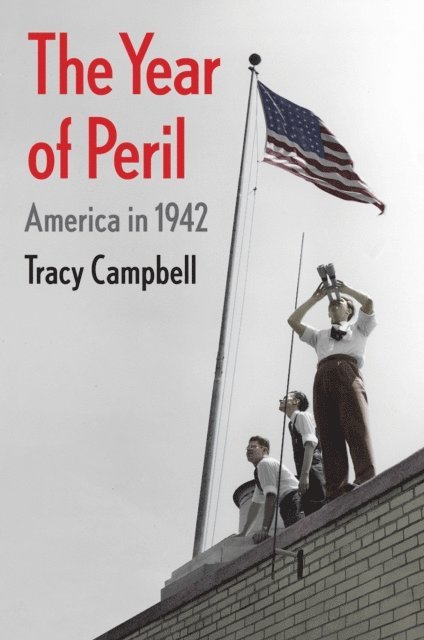
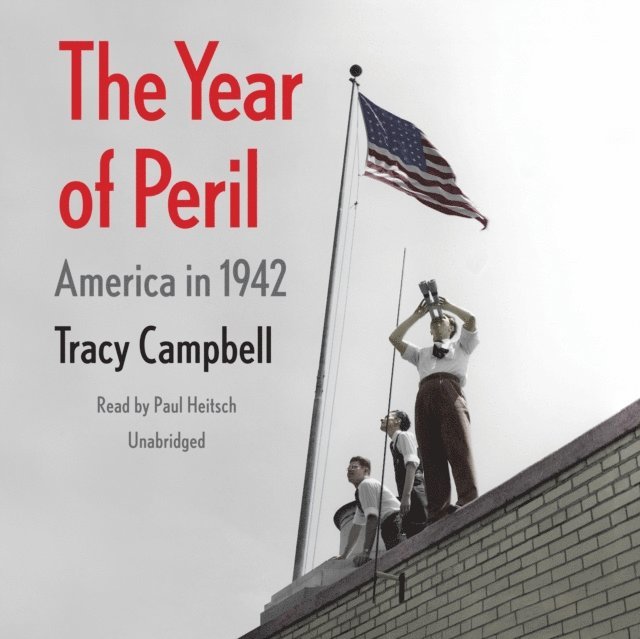
Year of Peril
America in 1942
E-bok, 2020
360 kr
Lägg i varukorg
"[A] thought-provoking. . . .compelling" chronicle exploring how the character of American society revealed itself during WWII (Paul Kennedy, Wall Street Journal).Winner of the New-York Historical Society''s Barbara and David Zalaznick Book PrizeThe Second World War exists in the American …
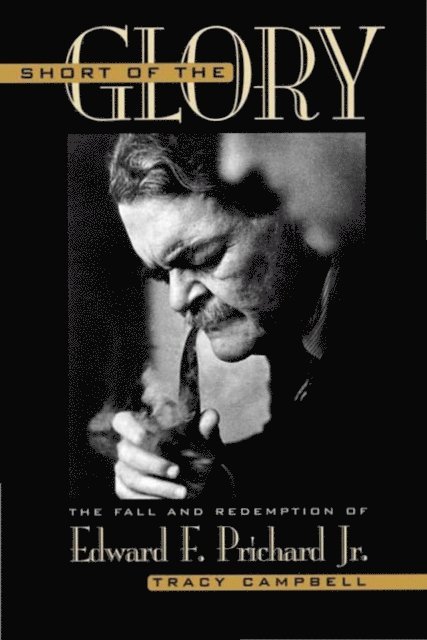
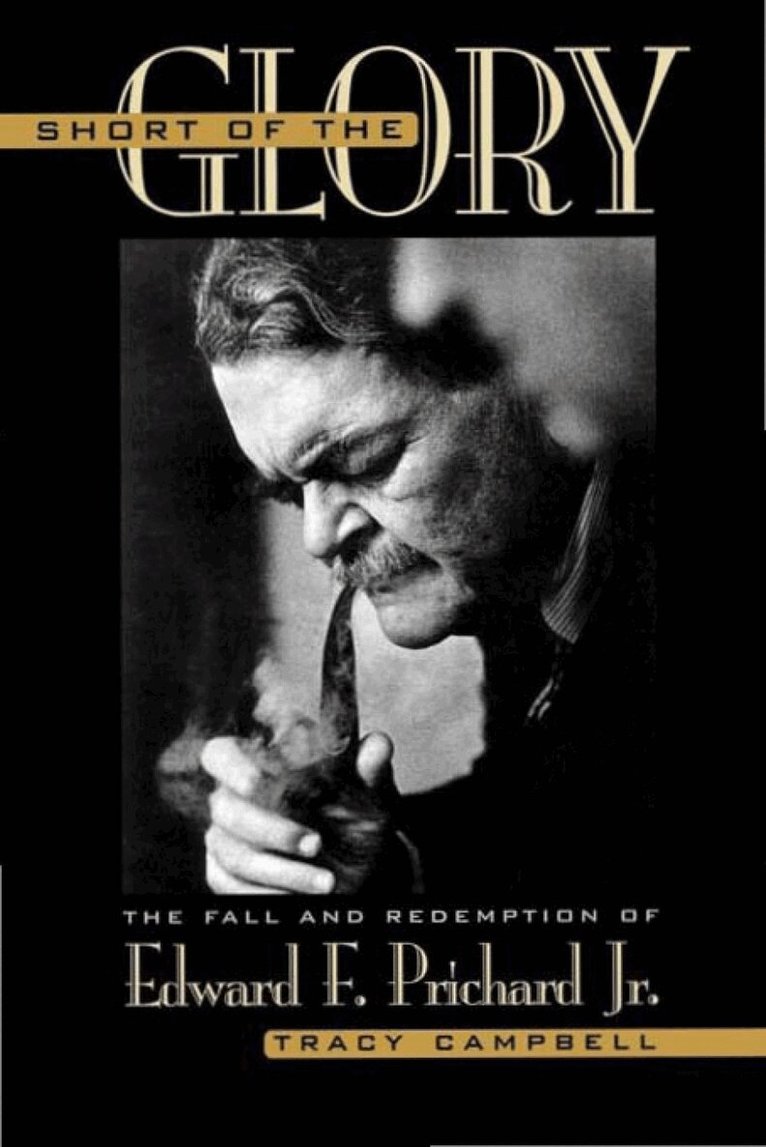
Short of the Glory
The Fall and Redemption of Edward F. Prichard Jr.
E-bok, 2010
487 kr
Lägg i varukorg
Arthur Schlesinger Jr. thought that he might one day become president. He was a protege of Felix Frankfurter and Fred Vinson--a political prodigy who held a series of important posts in the Roosevelt and Truman administrations. Whatever became of Edward F. Prichard, Jr., so young and brilliant and …
Short of the Glory
The Fall and Redemption of Edward F. Prichard Jr.
E-bok, 1998
487 kr
Lägg i varukorg
Arthur Schlesinger Jr. thought that he might one day become president. He was a protege of Felix Frankfurter and Fred Vinson--a political prodigy who held a series of important posts in the Roosevelt and Truman administrations. Whatever became of Edward F. Prichard, Jr., so young and brilliant and …
Politics of Despair
Power and Resistance in the Tobacco Wars
E-bok, 2014
551 kr
Lägg i varukorg
Shortly after 1900, tens of thousands of tobacco growers throughout Kentucky and Tennessee convulsed the region for nearly a decade in a revolt against the monopolistic practices of the American Tobacco Company. Though the revolt known as the Tobacco Wars remains one of the more remarkable …
Short of the Glory
The Fall and Redemption of Edward F. Prichard Jr.
Häftad, 1998
549 kr
Lägg i varukorg
Arthur Schlesinger Jr. thought that he might one day become president. He was a protege of Felix Frankfurter and Fred Vinson--a political prodigy who held a series of important posts in the Roosevelt and Truman administrations. Whatever became of Edward F. Prichard, Jr., so young and brilliant and …
Politics of Despair
Power and Resistance in the Tobacco Wars
Häftad, 2005
443 kr
Lägg i varukorg
Shortly after 1900, tens of thousands of tobacco growers throughout Kentucky and Tennessee convulsed the region for nearly a decade in a revolt against the monopolistic practices of the American Tobacco Company. Though the revolt known as the Tobacco Wars remains one of the more remarkable …
Year of Peril
America in 1942
Ljudbok, 2020
337 kr
Lägg i varukorg
A fascinating chronicle of how the character of American society revealed itself under the duress of World War II. The Second World War exists in the American historical imagination as a time of unity and optimism. In 1942, however, after a series of defeats in the Pacific and the struggle to …
Gateway Arch
A Biography
Häftad, 2014
181 kr
Tillfälligt slut
The surprising history of the spectacular Gateway Arch in St. Louis, the competing agendas of its supporters, and the mixed results of their ambitious planRising to a triumphant height of 630 feet, the Gateway Arch in St. Louis is a revered monument to America’s western expansion. Envisioned in …