Travis Linnemann - Böcker
Visar alla böcker från författaren Travis Linnemann. Handla med fri frakt och snabb leverans.
8 produkter
8 produkter
370 kr
Skickas
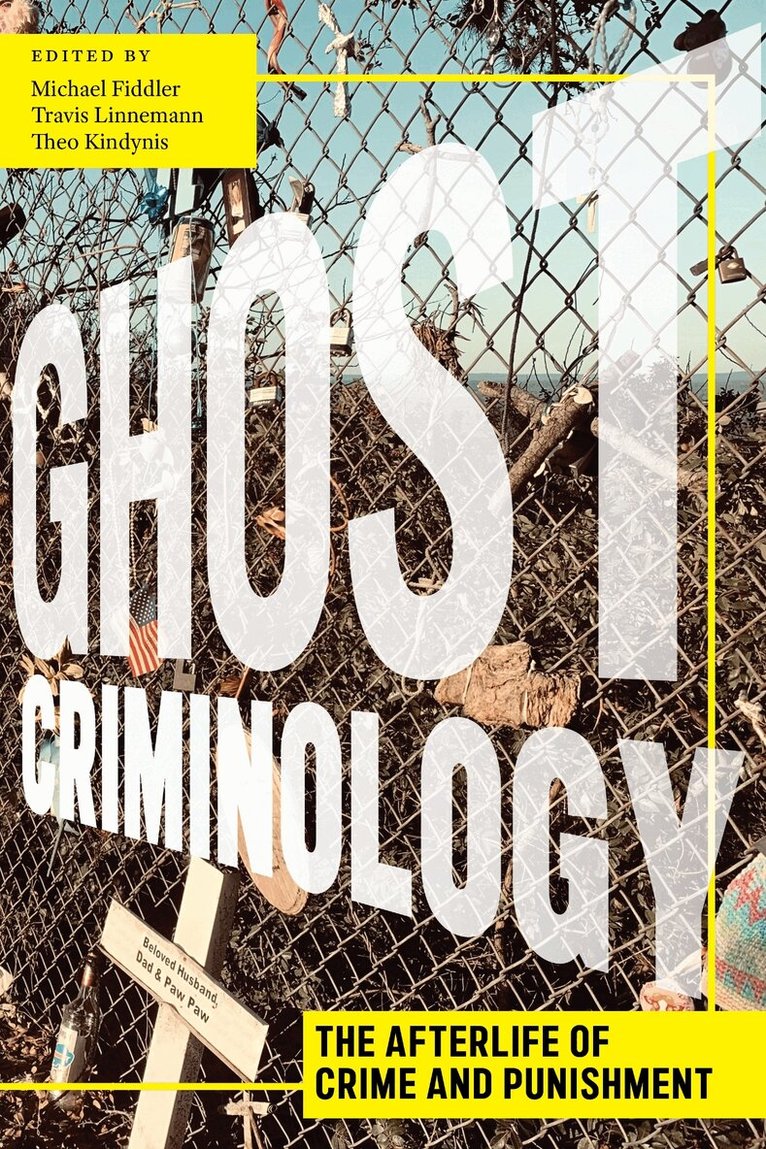
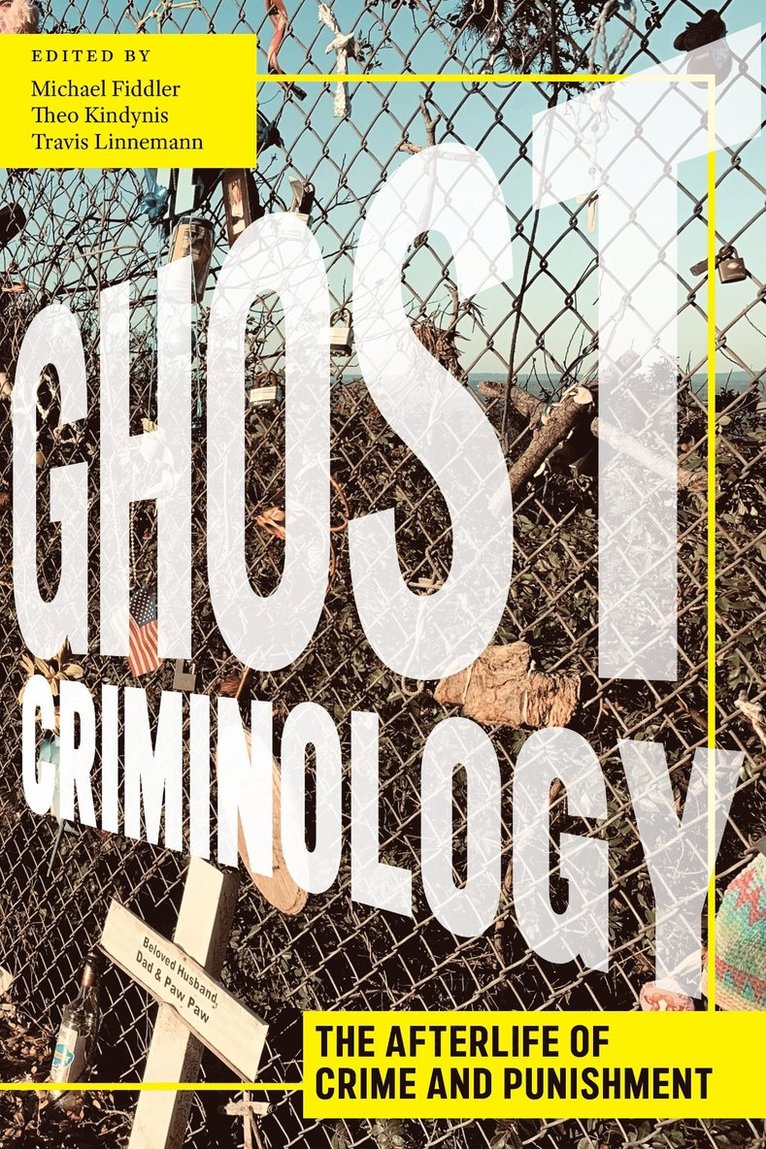
The haunting effects of crime, violence, and death in our history, memory, and media spacesFrom Abu Ghraib and Holocaust death camps to Marjory Stoneman Douglas High School and slave plantations, spaces where violent crimes have occurred can often become forever changed, or "haunted," in the public imagination. In this volume, Michael Fiddler, Travis Linnemann, and Theo Kindynis bring together an interdisciplinary group of distinguished scholars to study this phenomenon, exploring the origins, theory, and methodology of ghost criminology. Featuring Jeff Ferrell, Michelle Brown, Eamon Carrabine, and other prominent scholars, Ghost Criminology takes us inside spaces where the worst crimes have imprinted themselves on our history, memory, and media spaces. Contributors explore a wide range of these hauntological topics from a criminological perspective, including the excavation of graffiti in the London underground, the phantom of Robert E. Lee in Charlottesville, VA, during the 2017 riots, and the ghostly evidentiary traces of crime in motel rooms. Ultimately, Fiddler, Kindynis, and Linnemann offer ghost criminology as another way of seeing, and better understanding, the lingering impact of violence, oppression, and history in today's world. Ghost Criminology curates cutting-edge research to break exciting new terrain.
364 kr
Skickas inom 7-10 vardagar
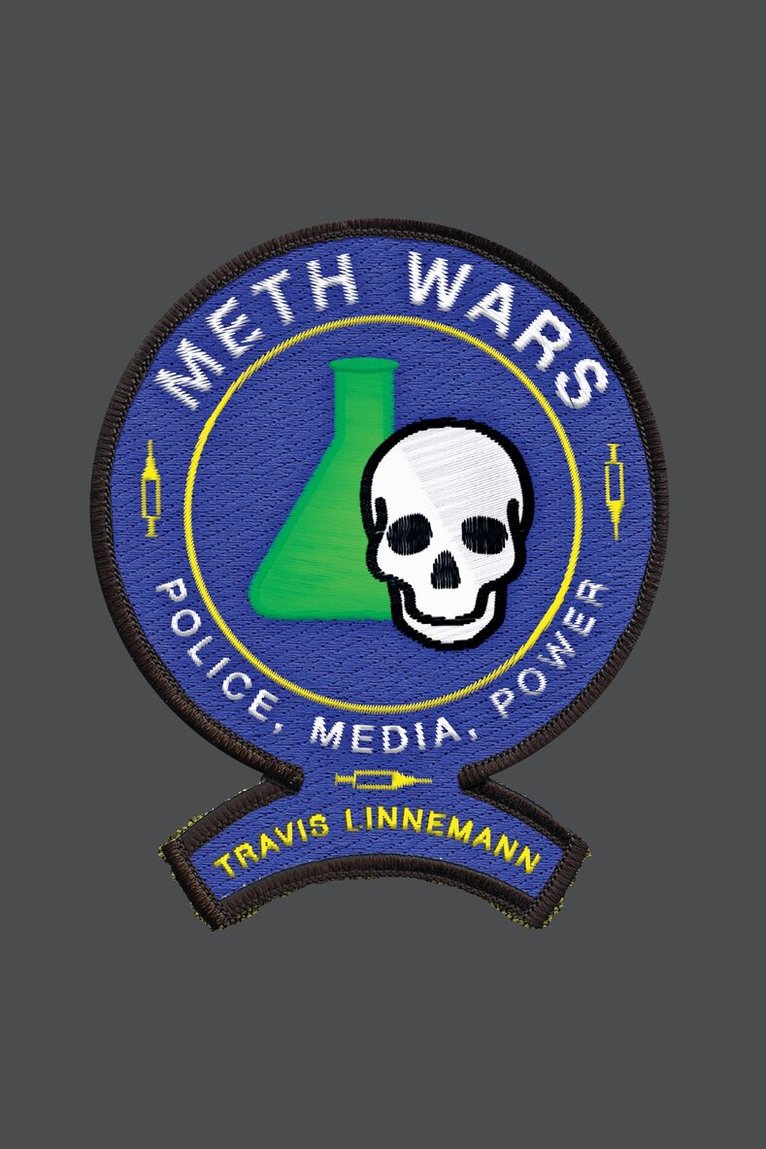
How the War on Drugs is maintained through racism,authority and public opinion. From the hit television series Breaking Bad, to daily news reports, anti-drug advertising campaigns and highly publicized world-wide hunts for "narcoterrorists" such as Joaquin "El Chapo" Guzman, the drug, methamphetamine occupies a unique and important space in the public's imagination. In Meth Wars, Travis Linnemann situates the "meth epidemic" within the broader culture and politics of drug control and mass incarceration.Linnemann draws together a range of examples and critical interdisciplinary scholarship to show how methamphetamine, and the drug war more generally, are part of a larger governing strategy that animates the politics of fear and insecurity and links seemingly unrelated concerns such as environmental dangers, the politics of immigration and national security, policing tactics, and terrorism. The author's unique analysis presents a compelling case for how the supposed "meth epidemic" allows politicians, small town police and government counter-narcotics agents to engage in a singular policing project in service to the broader economic and geostrategic interests of the United States.
1 066 kr
Skickas inom 10-15 vardagar
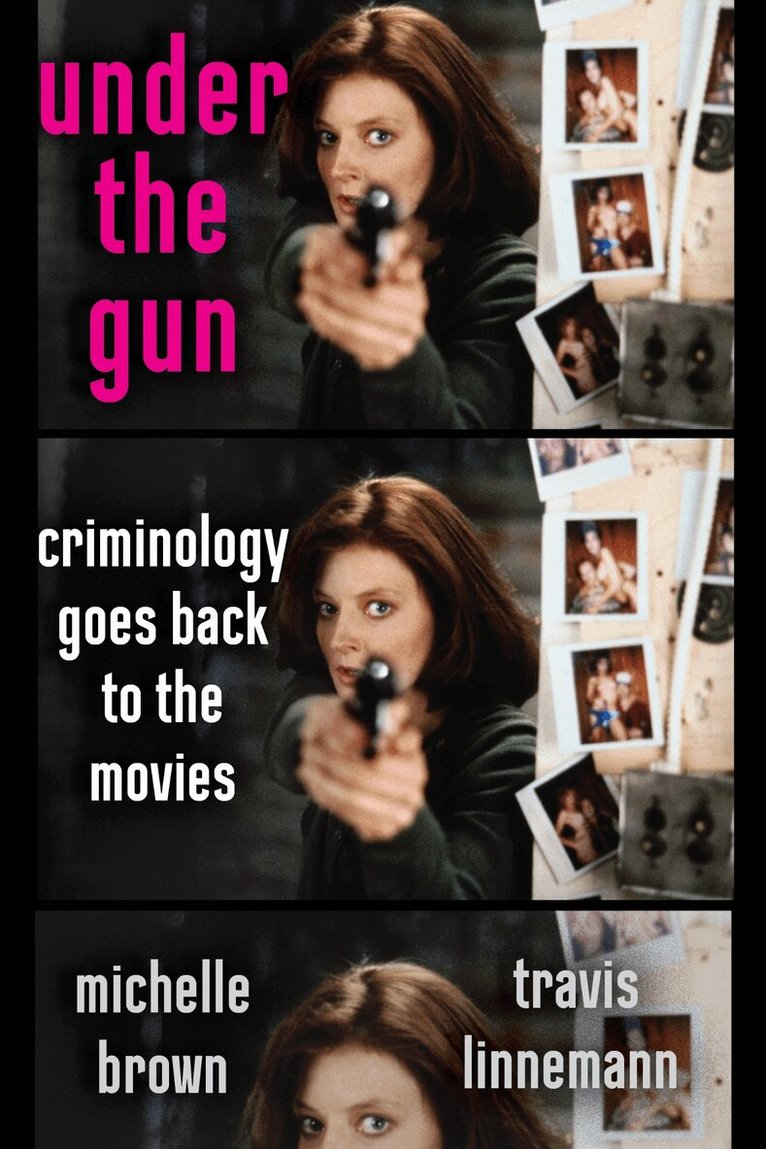
An essential guide to understanding classic and contemporary crime filmsUnder the Gun provides a systematic and sophisticated criminological perspective to bear on crime films. The book provides a fresh way of looking at cinema, using the concepts and analytical tools of criminology to uncover previously unnoticed meanings in film, ultimately making the study of criminological theory more engaging and effective for students while simultaneously demonstrating how theories of crime circulate in our mass-mediated worlds. The result is an illuminating new way of seeing movies and a compelling way of learning about criminology.Stepping into the fray between the gritty realities of crime and punishment and their mediated forms, Under the Gun also brings into relief the ways that crime theory might birth the seeds of its own undoing. From those primordial and revenant crime theories – the elemental evil driving films like The Conjuring, the brute biological determinism of There's Something About Kevin, and the banal carceral feminism of The Silence of the Lambs – to the countervisual work of reckoning: the prescient intersectionality of Set It Off, the queer and green criminologies of Moonlight and Dark Water, and the anti-colonial indictment of Saint Omer, Under the Gun asks would-be criminologists to a take up the cultural work that is truly foundational to the study of harm, violence, and justice.
347 kr
Skickas
An essential guide to understanding classic and contemporary crime filmsUnder the Gun provides a systematic and sophisticated criminological perspective to bear on crime films. The book provides a fresh way of looking at cinema, using the concepts and analytical tools of criminology to uncover previously unnoticed meanings in film, ultimately making the study of criminological theory more engaging and effective for students while simultaneously demonstrating how theories of crime circulate in our mass-mediated worlds. The result is an illuminating new way of seeing movies and a compelling way of learning about criminology.Stepping into the fray between the gritty realities of crime and punishment and their mediated forms, Under the Gun also brings into relief the ways that crime theory might birth the seeds of its own undoing. From those primordial and revenant crime theories—the elemental evil driving films like The Conjuring, the brute biological determinism of There's Something About Kevin, and the banal carceral feminism of The Silence of the Lambs—to the countervisual work of reckoning: the prescient intersectionality of Set It Off, the queer and green criminologies of Moonlight and Dark Water, and the anti-colonial indictment of Saint Omer, Under the Gun asks would-be criminologists to a take up the cultural work that is truly foundational to the study of harm, violence, and justice.
1 066 kr
Skickas inom 10-15 vardagar
How the War on Drugs is maintained through racism,authority and public opinion. From the hit television series Breaking Bad, to daily news reports, anti-drug advertising campaigns and highly publicized world-wide hunts for "narcoterrorists" such as Joaquin "El Chapo" Guzman, the drug, methamphetamine occupies a unique and important space in the public's imagination. In Meth Wars, Travis Linnemann situates the "meth epidemic" within the broader culture and politics of drug control and mass incarceration.Linnemann draws together a range of examples and critical interdisciplinary scholarship to show how methamphetamine, and the drug war more generally, are part of a larger governing strategy that animates the politics of fear and insecurity and links seemingly unrelated concerns such as environmental dangers, the politics of immigration and national security, policing tactics, and terrorism. The author's unique analysis presents a compelling case for how the supposed "meth epidemic" allows politicians, small town police and government counter-narcotics agents to engage in a singular policing project in service to the broader economic and geostrategic interests of the United States.
1 153 kr
Skickas inom 10-15 vardagar
The haunting effects of crime, violence, and death in our history, memory, and media spacesFrom Abu Ghraib and Holocaust death camps to Marjory Stoneman Douglas High School and slave plantations, spaces where violent crimes have occurred can often become forever changed, or "haunted," in the public imagination. In this volume, Michael Fiddler, Travis Linnemann, and Theo Kindynis bring together an interdisciplinary group of distinguished scholars to study this phenomenon, exploring the origins, theory, and methodology of ghost criminology. Featuring Jeff Ferrell, Michelle Brown, Eamon Carrabine, and other prominent scholars, Ghost Criminology takes us inside spaces where the worst crimes have imprinted themselves on our history, memory, and media spaces. Contributors explore a wide range of these hauntological topics from a criminological perspective, including the excavation of graffiti in the London underground, the phantom of Robert E. Lee in Charlottesville, VA, during the 2017 riots, and the ghostly evidentiary traces of crime in motel rooms. Ultimately, Fiddler, Kindynis, and Linnemann offer ghost criminology as another way of seeing, and better understanding, the lingering impact of violence, oppression, and history in today's world. Ghost Criminology curates cutting-edge research to break exciting new terrain.
1 079 kr
Skickas inom 10-15 vardagar
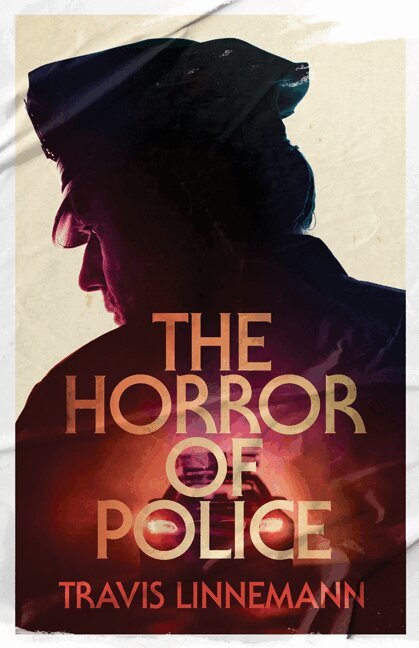
Unmasks the horrors of a social order reproduced and maintained by the violence of policeYear after year the crisis churns: graft and corruption, violence and murder, riot cops and armored vehicles claim city streets. Despite promises of reform, police operate with impunity, unaccountable to law. In The Horror of Police, Travis Linnemann asks why, with this open record of violence and corruption, policing remains for so many the best, perhaps only means of security in an insecure world. Drawing on the language and texts of horror fiction, Linnemann recasts the police not only as self-proclaimed “monster fighters” but as monsters themselves, a terrifying force set loose in the world. Purposefully misreading a collection of everyday police stories (TV cop dramas, detective fiction, news media accounts, the direct words of police) not as morality tales of innocence avenged and order restored but as horror, Linnemann reveals the monstrous violence at the heart of liberal social order. The Horror of Police shows that police violence is not a deviation but rather a deliberate and permanent fixture of U.S. “law and order.” Only when viewed through the refracted motif of horror stories, Linnemann argues, can we begin to reckon the limits of police and imagine a world without them.
199 kr
Skickas
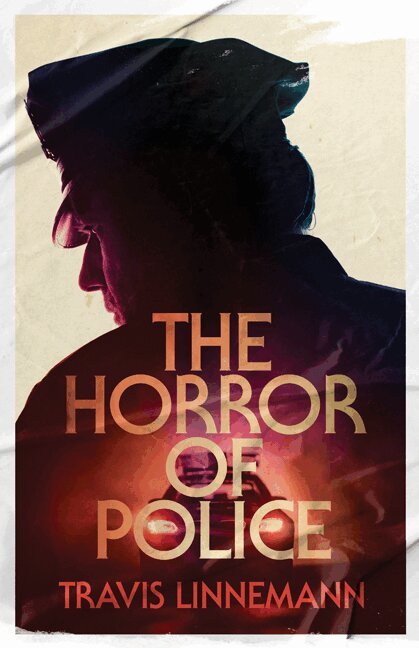
Unmasks the horrors of a social order reproduced and maintained by the violence of policeYear after year the crisis churns: graft and corruption, violence and murder, riot cops and armored vehicles claim city streets. Despite promises of reform, police operate with impunity, unaccountable to law. In The Horror of Police, Travis Linnemann asks why, with this open record of violence and corruption, policing remains for so many the best, perhaps only means of security in an insecure world. Drawing on the language and texts of horror fiction, Linnemann recasts the police not only as self-proclaimed “monster fighters” but as monsters themselves, a terrifying force set loose in the world. Purposefully misreading a collection of everyday police stories (TV cop dramas, detective fiction, news media accounts, the direct words of police) not as morality tales of innocence avenged and order restored but as horror, Linnemann reveals the monstrous violence at the heart of liberal social order. The Horror of Police shows that police violence is not a deviation but rather a deliberate and permanent fixture of U.S. “law and order.” Only when viewed through the refracted motif of horror stories, Linnemann argues, can we begin to reckon the limits of police and imagine a world without them.