
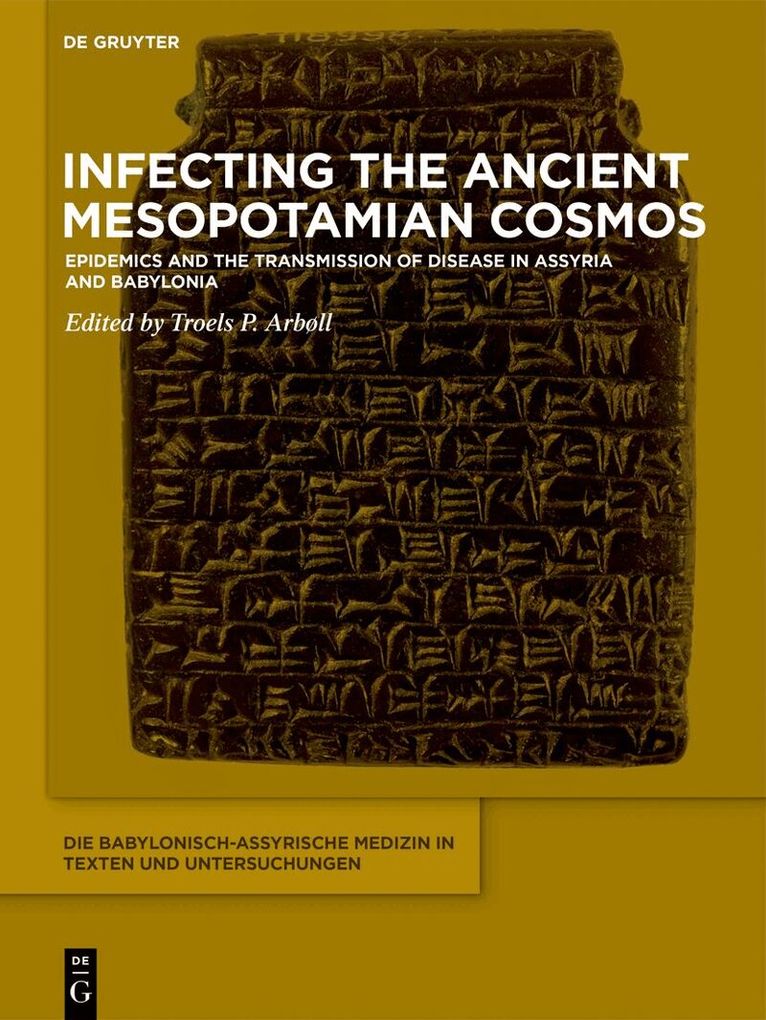
Epidemics have shaped human history, yet studies of their ancient attestations remain a developing field. This volume examines how epidemics were conceptualized, experienced, and responded to in Mesopotamia from the 3rd to the 1st millennium BCE. Drawing on cuneiform sources, contributors explore ancient terminology, beliefs about disease transmission, divine attributions, and societal impacts. The book investigates ritual, medical, epistolary, and administrative texts to assess how people sought to understand and control widespread diseases. By contextualizing Mesopotamian epidemics within broader historical frameworks, the volume highlights their role in shaping socio-political responses and the intellectual reasoning behind such devastating events. Essential for Assyriologists, historians of medicine, and researchers of ancient societies, this work offers new insights into humanity’s earliest written records of epidemics.
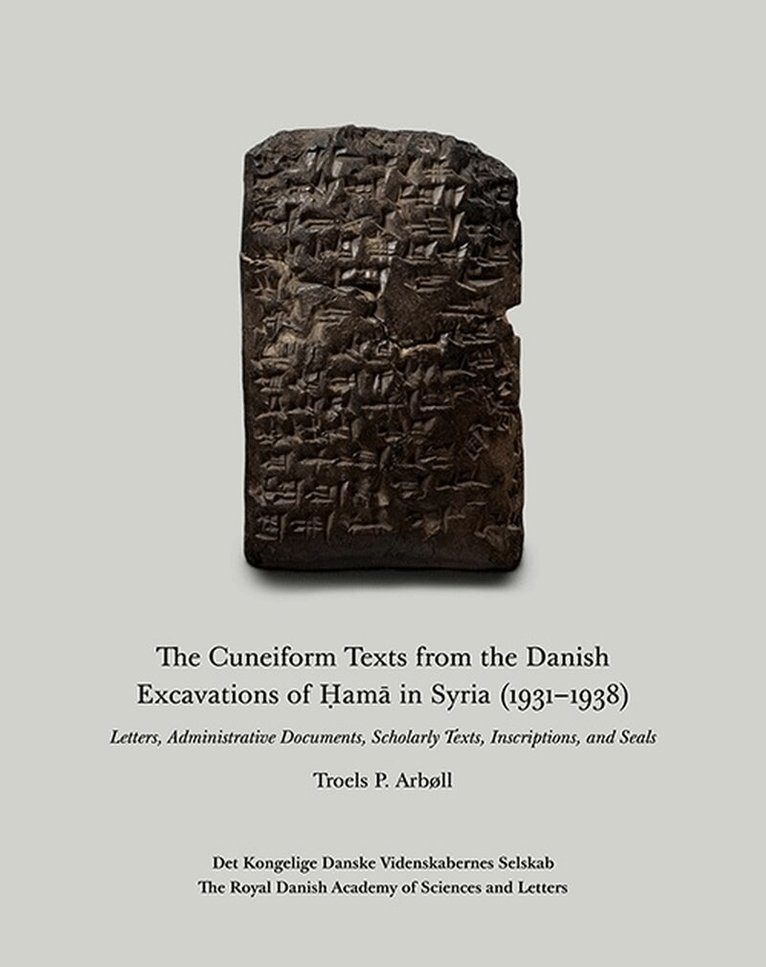
This book offers the first complete publication and examination of 20 unique clay tablets and objects inscribed with cuneiform writing from the Syrian city Ḥamā, known in the Bible and ancient times as Hamath. Among the most significant finds are the remains of political correspondences and manuscripts with medical prescriptions, magical recitations, and birth omens from the 9th century BCE. The latter group can be classified as ancient scientific texts, and they are interpreted as the remains of a scholarly library. Overall, the texts represent a substantial contribution to the very limited corpus of manuscripts from the Levant dated to the early first millennium BCE. Furthermore, the surprising discovery of ancient scientific cuneiform tablets from this period necessitates a reevaluation of prevailing understandings of the transmission of cuneiform knowledge in the western periphery of the Neo-Assyrian Empire.
Epidemics have shaped human history, yet studies of their ancient attestations remain a developing field. This volume examines how epidemics were conceptualized, experienced, and responded to in Mesopotamia from the 3rd to the 1st millennium BCE. Drawing on cuneiform sources, contributors explore ancient terminology, beliefs about disease transmission, divine attributions, and societal impacts. The book investigates ritual, medical, epistolary, and administrative texts to assess how people sought to understand and control widespread diseases. By contextualizing Mesopotamian epidemics within broader historical frameworks, the volume highlights their role in shaping socio-political responses and the intellectual reasoning behind such devastating events. Essential for Assyriologists, historians of medicine, and researchers of ancient societies, this work offers new insights into humanity’s earliest written records of epidemics.
This book offers the first complete publication and examination of 20 unique clay tablets and objects inscribed with cuneiform writing from the Syrian city Ḥamā, known in the Bible and ancient times as Hamath. Among the most significant finds are the remains of political correspondences and manuscripts with medical prescriptions, magical recitations, and birth omens from the 9th century BCE. The latter group can be classified as ancient scientific texts, and they are interpreted as the remains of a scholarly library. Overall, the texts represent a substantial contribution to the very limited corpus of manuscripts from the Levant dated to the early first millennium BCE. Furthermore, the surprising discovery of ancient scientific cuneiform tablets from this period necessitates a reevaluation of prevailing understandings of the transmission of cuneiform knowledge in the western periphery of the Neo-Assyrian Empire.