Trygve Gjedrem – författare
Visar alla böcker från författaren Trygve Gjedrem. Handla med fri frakt och snabb leverans.
6 produkter
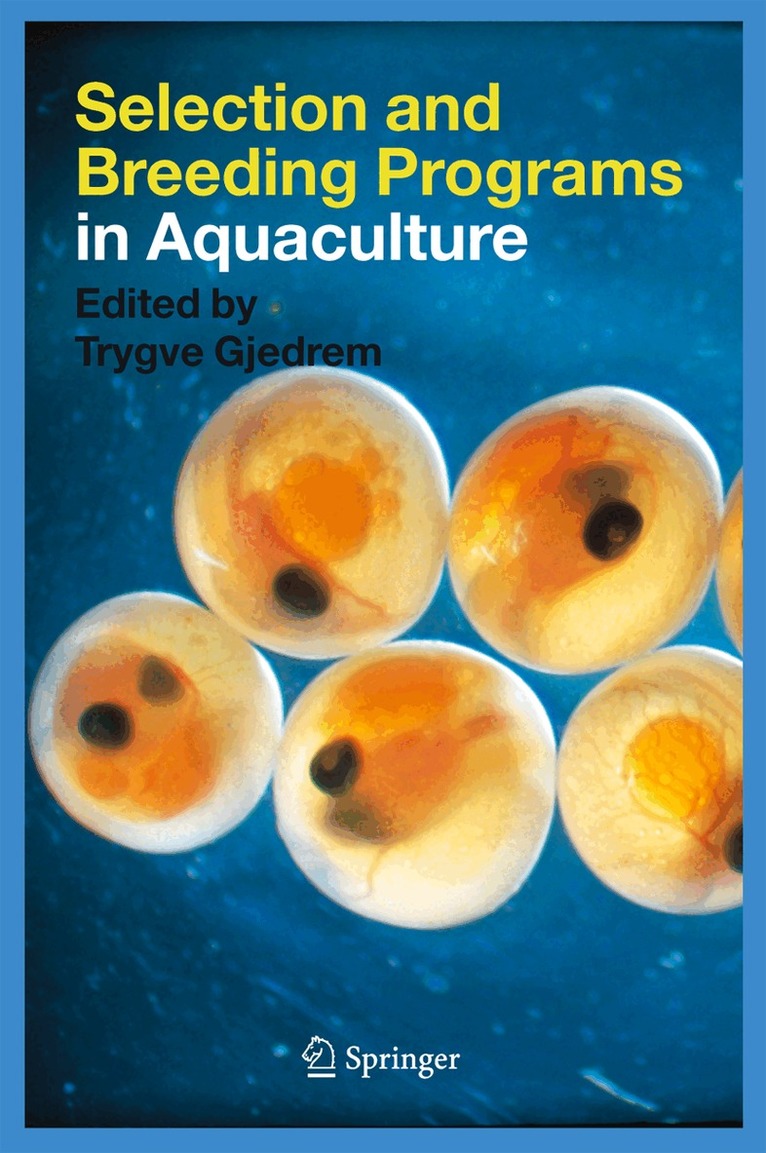
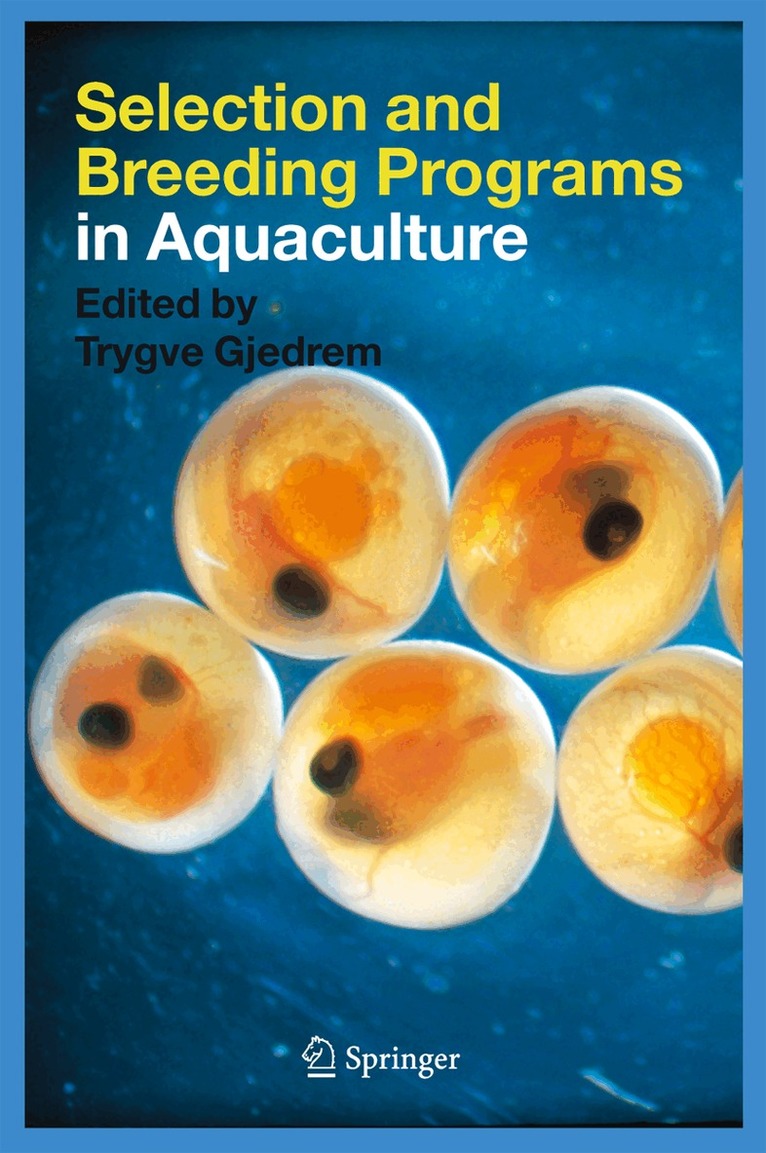
Selection and Breeding Programs in Aquaculture
Inbunden, 2005
1971 kr
Lägg i varukorg
Although aquaculture as a biological production system has a long history, systematic and efficient breeding programs to improve economically important traits in the farmed species have rarely been utilized until recently, except for salmonid species. This means that the majority of aquaculture …
Selection and Breeding Programs in Aquaculture
E-bok, 2005
2437 kr
Lägg i varukorg
Although aquaculture as a biological production system has a long history, systematic and efficient breeding programs to improve economically important traits in the farmed species have rarely been utilized until recently, except for salmonid species. This means that the majority of aquaculture …
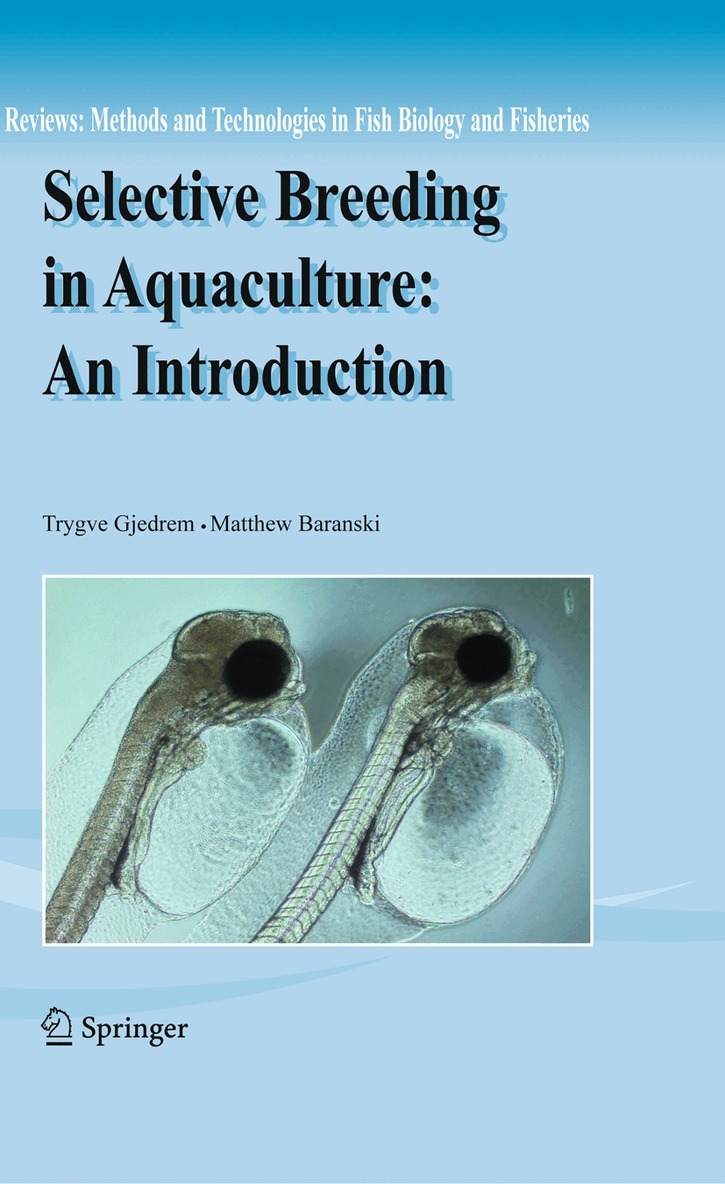
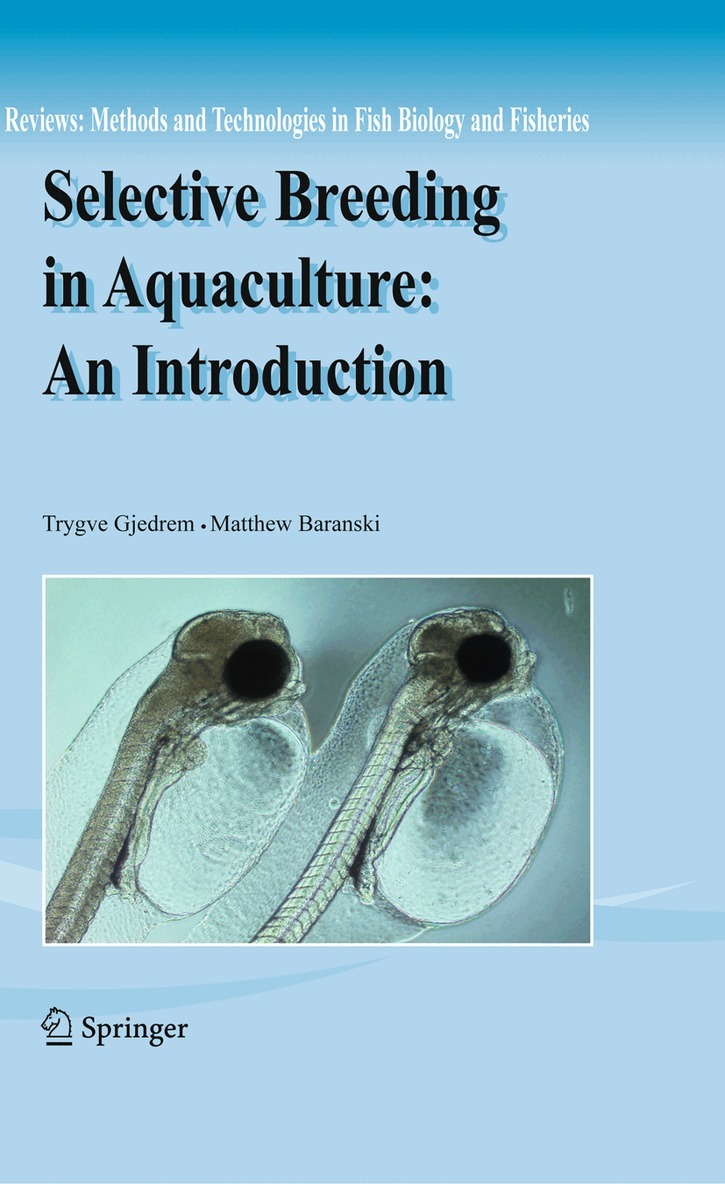
Selective Breeding in Aquaculture: an Introduction
Av Trygve Gjedrem, Matthew Baranski
Inbunden, 2009
1966 kr
Lägg i varukorg
The foundation of quantitative genetics theory was developed during the last century and facilitated many successful breeding programs for cultivated plants and t- restrial livestock. The results have been almost universally impressive, and today nearly all agricultural production utilises …
Selective Breeding in Aquaculture: an Introduction
Av Matthew Baranski, Trygve Gjedrem
E-bok, 2010
2599 kr
Lägg i varukorg
The foundation of quantitative genetics theory was developed during the last century and facilitated many successful breeding programs for cultivated plants and t- restrial livestock. The results have been almost universally impressive, and today nearly all agricultural production utilises …
Selection and Breeding Programs in Aquaculture
Häftad, 2010
1807 kr
Lägg i varukorg
Although aquaculture as a biological production system has a long history, systematic and efficient breeding programs to improve economically important traits in the farmed species have rarely been utilized until recently, except for salmonid species. This means that the majority of aquaculture …
Selective Breeding in Aquaculture: an Introduction
Av Trygve Gjedrem, Matthew Baranski
Häftad, 2012
1966 kr
Lägg i varukorg
The foundation of quantitative genetics theory was developed during the last century and facilitated many successful breeding programs for cultivated plants and t- restrial livestock. The results have been almost universally impressive, and today nearly all agricultural production utilises …