Tryon P. Woods – författare
Visar alla böcker från författaren Tryon P. Woods. Handla med fri frakt och snabb leverans.
7 produkter
7 produkter
Häftad, Engelska, 2018
605 kr
Skickas inom 10-15 vardagar
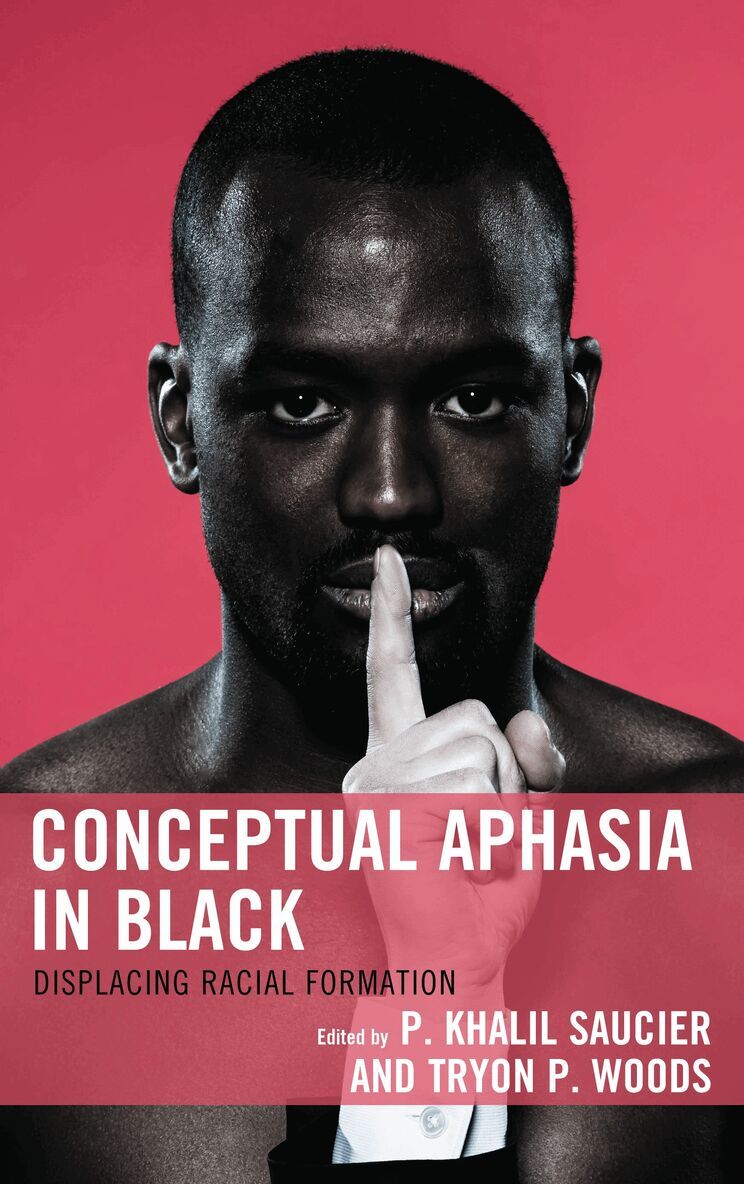
This book presents a metacritique of racial formation theory. The essays within this volume explore the fault lines of the racial formation concept, identify the power relations to which it inheres, and resolve the ethical coordinates for alternative ways of conceiving of racism and its correlations with sexism, homophobia, heteronormativity, gender politics, empire, economic exploitation, and other valences of bodily construction, performance, and control in the twenty-first century. Collectively, the contributors advance the argument that contemporary racial theorizing remains mired in antiblackness. Across a diversity of approaches and objects of analysis, the contributors assess what we describe as the conceptual aphasia gripping racial theorizing in our multicultural moment: analyses of racism struck dumb when confronted with the insatiable specter of black historical struggle.
Inbunden, Engelska, 2024
1 398 kr
Skickas inom 10-15 vardagar
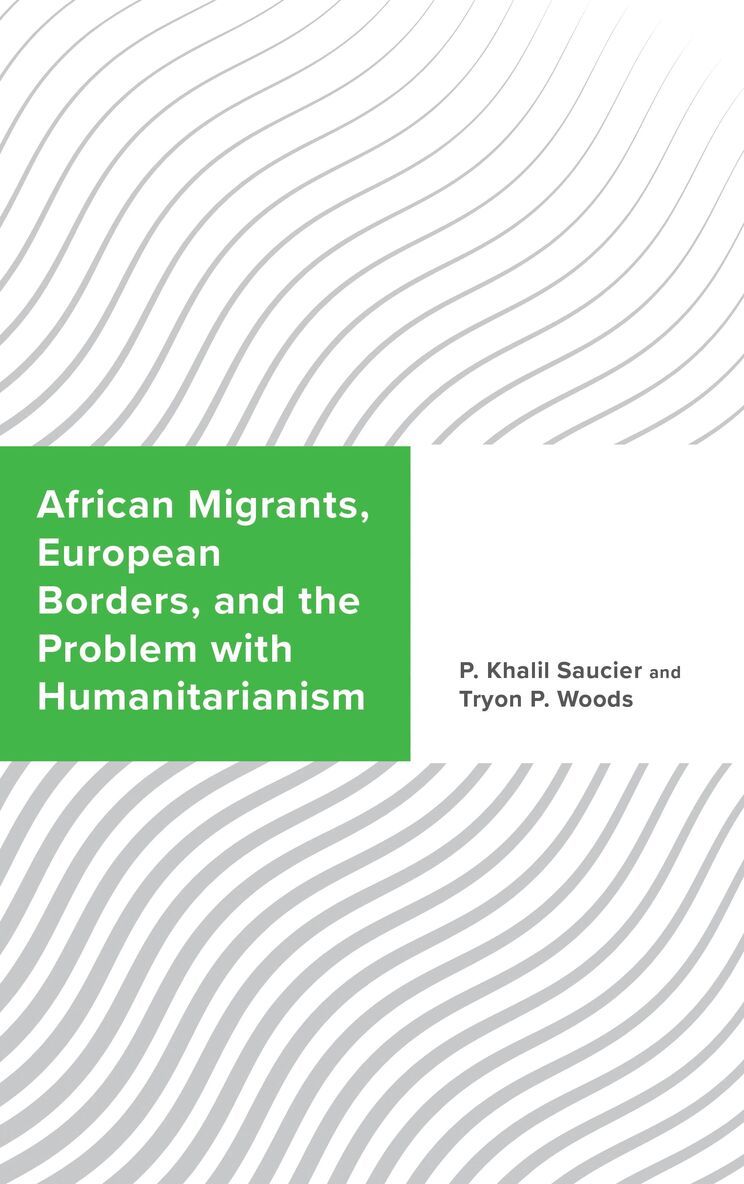
African Migrants, European Borders, and the Problem with Humanitarianism presents a probing examination of the contemporary migrant “crisis” in the Mediterranean Basin. By centering our analysis on how racial slavery has shaped European democratic culture, its abolitionist traditions, and the global structures of capital accumulation, P. Khalil Saucier and Tryon P. Woods reveal and confront how contemporary discourse on the migrant “crisis” displaces Black sovereign mobility. Their inquiry into the modern world’s culture of politics investigates “freedom of movement” discourse’s ostensible confrontation with border policing, the memorializing of Black migrant deaths by artists and advocates, and the visual imagery of a cosmopolitan and multicultural Europe as conceived by filmmakers in response to the migrant “crisis” as variants of a slaveholding culture instantiated in the early Mediterranean and Atlantic worlds. This analysis allows the authors to formulate a new critical framework for analysis of both the problems of contemporary migration and borders and the leading prescriptions on offer from analysts, advocates, and policy makers in order to develop alternate ways of conceptualizing global society.
Inbunden, Engelska, 2026
1 050 kr
Skickas inom 10-15 vardagar
In The Cinema of Social Death: Blackhood At-Large, Tryon P. Woods argues that cinematic counter-narratives to society’s deep-seated racist culture, while claiming to advance racial justice, fail to escape the trappings of anti-blackness and instead function to disguise a parasitic and antagonistic relationship toward blackness, rather than expose how the paradigm works.Through analyses of a selection of purportedly anti-racist narratives from documentarian Liz Garbus and a trio of independent black filmmakers, Tanya Hamilton, Haile Gerima, and Spike Lee, Woods demonstrates the precarious nature of telling stories of racial justice without falling into the contradictory trap of imposing antiblack notions of gender and sexuality. Contrary to the prevalent sentiment that these visual narratives disrupt and unravel the suffering, lack, and pathology attached to blackness, Woods posits that the films being examined are detrimental to black liberation, and thus, to human deliverance. As such, this book’s chief concern is in how our efforts to unravel the problems of the world become part of the problem. In the process, Woods highlights the trap of visual culture and its racial discourse as it obfuscates the modern era’s assault on human reciprocity and connection.
E-bok
Engelska, 20251 135 kr
Läs direkt efter köp
In The Cinema of Social Death: Blackhood At-Large, Tryon P. Woods argues that cinematic counter-narratives to society's deep-seated racist culture, while claiming to advance racial justice, fail to escape the trappings of anti-blackness and instead function to disguise a parasitic and antagonistic relationship toward blackness, rather than expose how the paradigm works.Through analyses of a selection of purportedly anti-racist narratives from documentarian Liz Garbus and a trio of independent black filmmakers, Tanya Hamilton, Haile Gerima, and Spike Lee, Woods demonstrates the precarious nature of telling stories of racial justice without falling into the contradictory trap of imposing antiblack notions of gender and sexuality. Contrary to the prevalent sentiment that these visual narratives disrupt and unravel the suffering, lack, and pathology attached to blackness, Woods posits that the films being examined are detrimental to black liberation, and thus, to human deliverance. As such, this book's chief concern is in how our efforts to unravel the problems of the world become part of the problem. In the process, Woods highlights the trap of visual culture and its racial discourse as it obfuscates the modern era's assault on human reciprocity and connection.
Inbunden, Engelska, 2022
1 116 kr
Skickas inom 10-15 vardagar
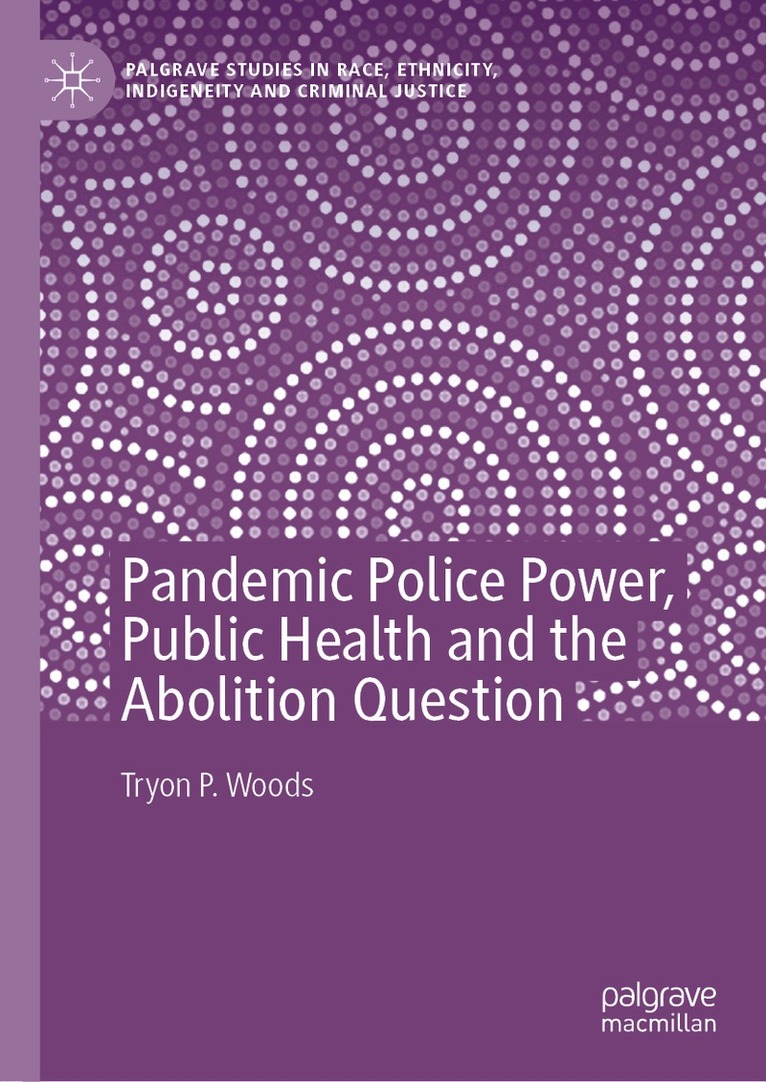
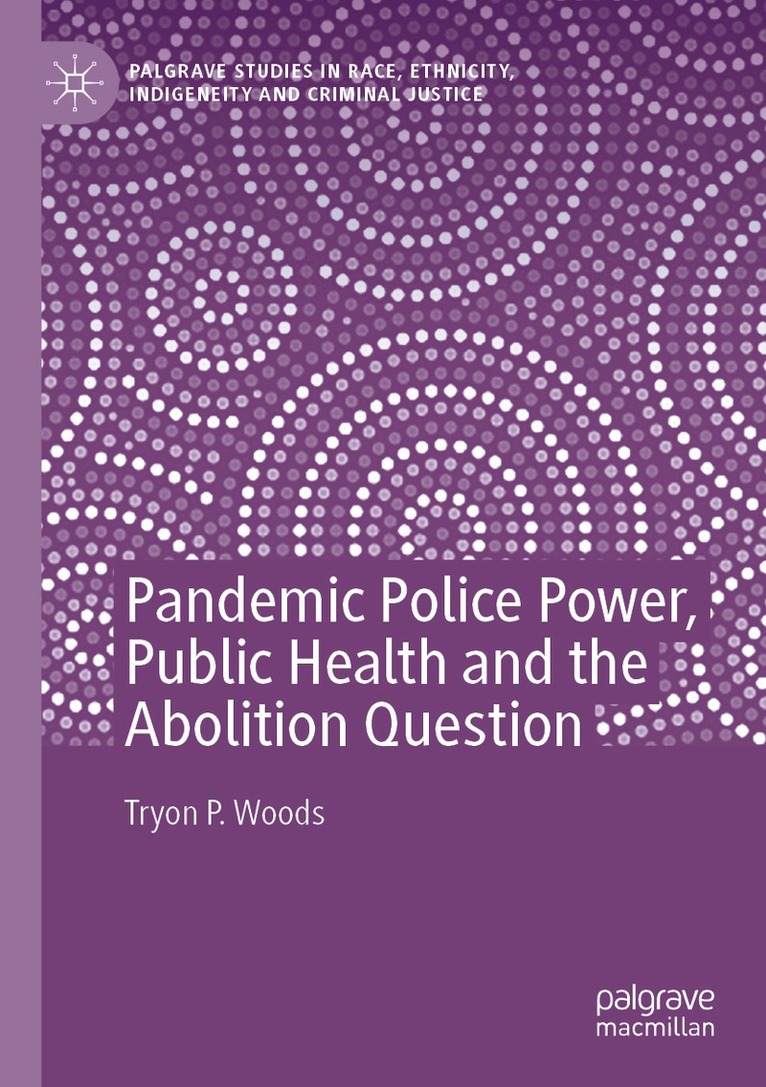
This book critically explores how police power manifested beyond criminal law into the field of public health during the pandemic. Whilst people were engaged with anti-police violence protests, particularly in the US, they were being policed openly and notoriously by the government and medical science in the public health arena. The book explores how public health policing might be an abuse of constitutional power and encourages the abolition question to be applied consistently to the state’s discourse in the area of public health, as black people the world over continue to bear a disproportionate cost burden for public health policies. The chapters explore contemporary policing in terms of the historical context of slavery, the growth of the police and prison abolition movement and how this should be applied more widely, and how police power operates throughout society beyond the criminal justice system, in finance, technology, housing, education, and inmedicine and health science. It seeks to re-examine our relationship to health sovereignty and the police power more fundamentally. It provides insights into the convergence of policing and social control of humans and argues that the most normative response is abolition.
E-bok
Engelska, 20221 416 kr
Läs direkt efter köp
This book critically explores how police power manifested beyond criminal law into the field of public health during the pandemic. Whilst people were engaged with anti-police violence protests, particularly in the US, they were being policed openly and notoriously by the government and medical science in the public health arena. The book explores how public health policing might be an abuse of constitutional power and encourages the abolition question to be applied consistently to the state’s discourse in the area of public health, as black people the world over continue to bear a disproportionate cost burden for public health policies. The chapters explore contemporary policing in terms of the historical context of slavery, the growth of the police and prison abolition movement and how this should be applied more widely, and how police power operates throughout society beyond the criminal justice system, in finance, technology, housing, education, and inmedicine and health science. It seeks to re-examine our relationship to health sovereignty and the police power more fundamentally. It provides insights into the convergence of policing and social control of humans and argues that the most normative response is abolition.
Häftad, Engelska, 2023
1 116 kr
Skickas inom 10-15 vardagar
This book critically explores how police power manifested beyond criminal law into the field of public health during the pandemic. Whilst people were engaged with anti-police violence protests, particularly in the US, they were being policed openly and notoriously by the government and medical science in the public health arena. The book explores how public health policing might be an abuse of constitutional power and encourages the abolition question to be applied consistently to the state’s discourse in the area of public health, as black people the world over continue to bear a disproportionate cost burden for public health policies. The chapters explore contemporary policing in terms of the historical context of slavery, the growth of the police and prison abolition movement and how this should be applied more widely, and how police power operates throughout society beyond the criminal justice system, in finance, technology, housing, education, and inmedicine and health science. It seeks to re-examine our relationship to health sovereignty and the police power more fundamentally. It provides insights into the convergence of policing and social control of humans and argues that the most normative response is abolition.