Tyler Cowen – författare
Visar alla böcker från författaren Tyler Cowen. Handla med fri frakt och snabb leverans.
43 produkter
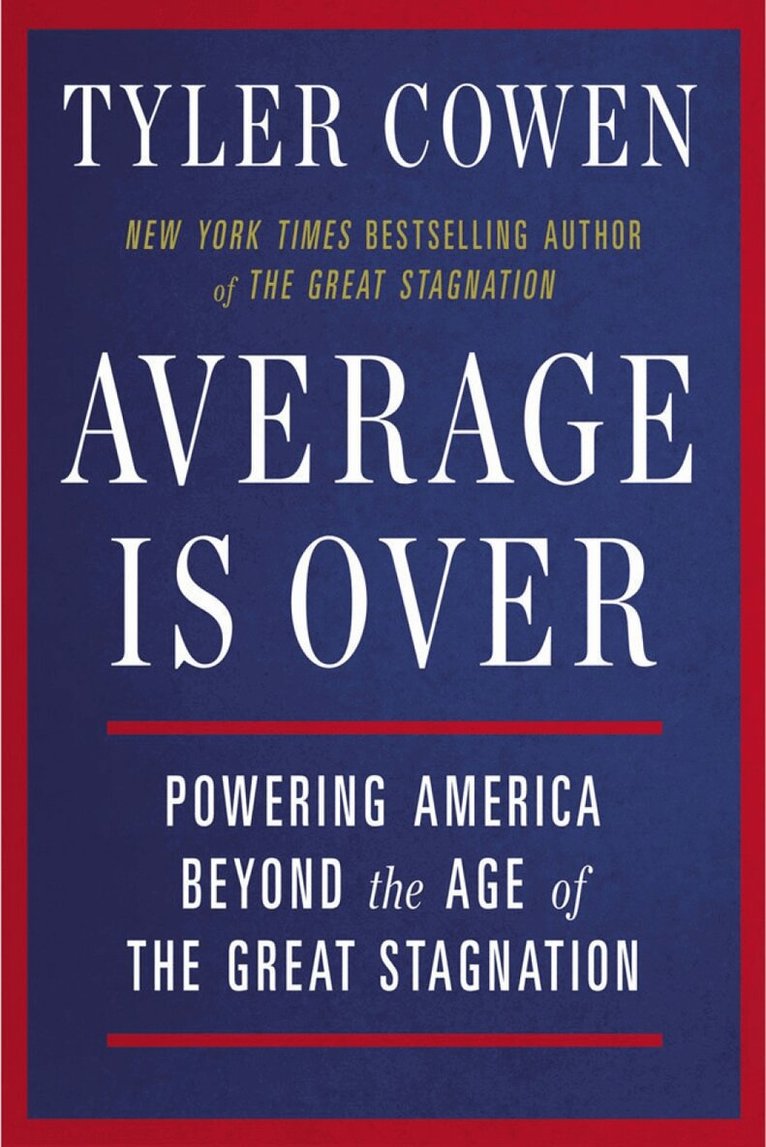
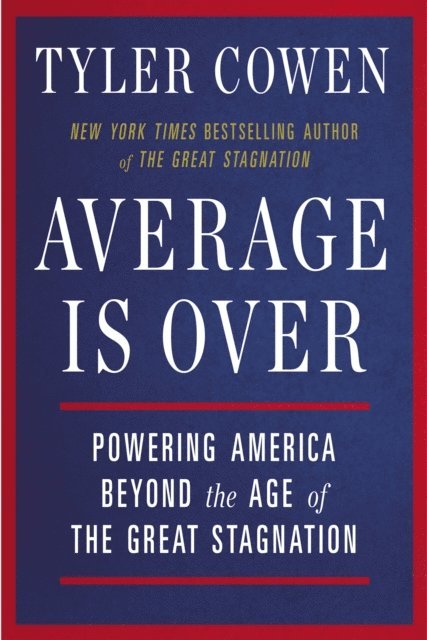
Average is Over
Powering America Beyond the Age of the Great Stagnation
Av Tyler Cowen
Häftad, 2014
316 kr
Lägg i varukorg
Cowen delivers his magnum opus on where we are headed. It begins with one big, uncomfortable truth: if you're not at the top, you're at the bottom because a steady, secure life somewhere in the middle is over. Cowen reveals the essential nature of the new economy: how things will get better and …
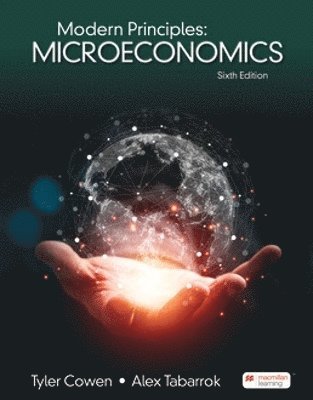
Modern Principles of Microeconomics
Häftad, 2024
1043 kr
Lägg i varukorg
In line with its title, "Modern Principles," Cowen and Tabarroks book remains a top seller by incorporating up-to-date theories, data and discussion and illustrating them with contemporary examples that reflect recent economic and theoretical advancements. This approach, delivered in Macmillan’s …
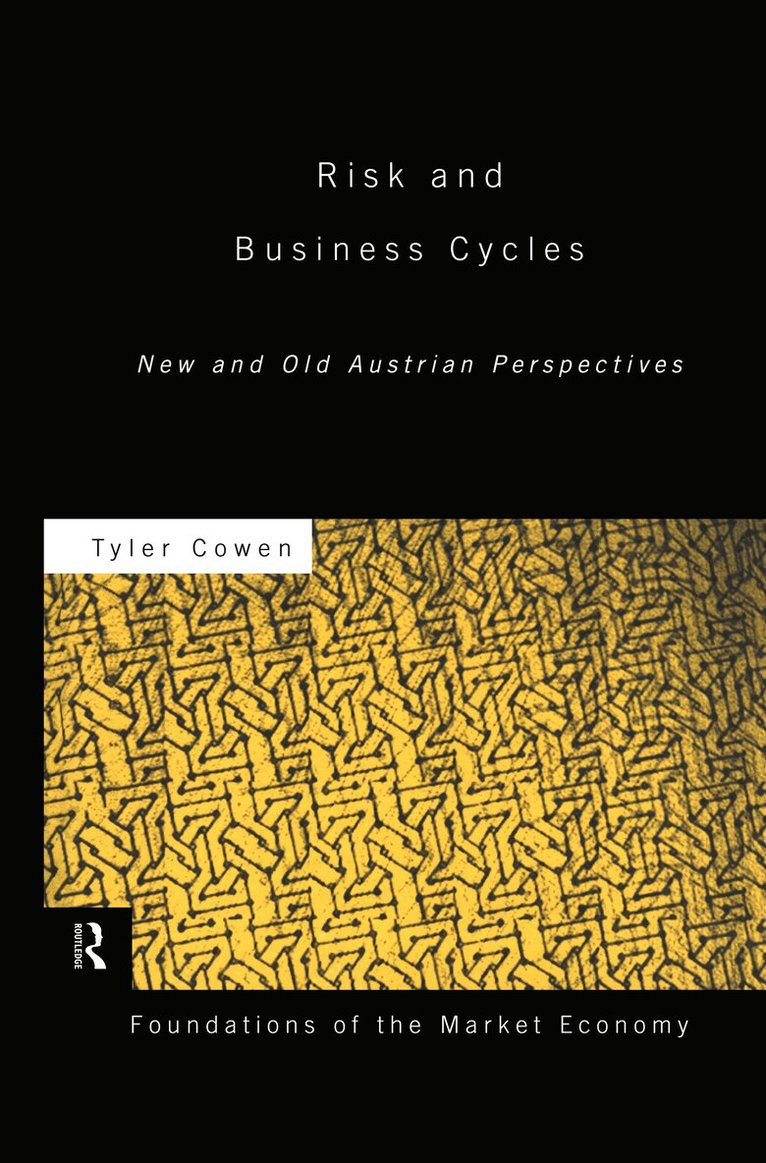
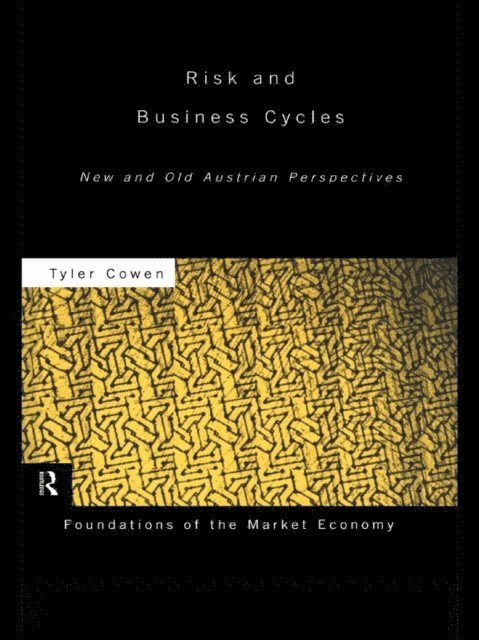
Risk and Business Cycles
New and Old Austrian Perspectives
Av Tyler Cowen
Inbunden, 1998
3175 kr
Lägg i varukorg
Risk and Business Cycles examines the causes of business cycles, a perennial topic of interest within economics. The author argues the case for the revival of an important role for monetary causes in business cycle theory, which challenges the current trend towards favouring purely real theories. …
Risk and Business Cycles
New and Old Austrian Perspectives
Av Tyler Cowen
Häftad, 2010
776 kr
Lägg i varukorg
Risk and Business Cycles examines the causes of business cycles, a perennial topic of interest within economics. The author argues the case for the revival of an important role for monetary causes in business cycle theory, which challenges the current trend towards favouring purely real theories. …
Discover Your Inner Economist
Use Incentives to Fall in Love, Survive Your Next Meeting, and Motivate Your Dentist
Av Tyler Cowen
Häftad, 2008
298 kr
Lägg i varukorg
Markets and Cultural Voices
Liberty vs. Power in the Lives of Mexican Amate Painters
Av Tyler Cowen
E-bok, 2009
663 kr
Lägg i varukorg
This intriguing work explores the world of three amate artists. A native tradition, all of their painting is done in Mexico, yet, the finished product is sold almost exclusively to wealthy American art buyers. Cowen examines this cultural interaction between Mexico and the United States to see how …
Markets and Cultural Voices
Liberty vs. Power in the Lives of Mexican Amate Painters
Av Tyler Cowen
Häftad, 2005
431 kr
Lägg i varukorg
This intriguing work explores the world of three amate artists. A native tradition, all of their painting is done in Mexico, yet, the finished product is sold almost exclusively to wealthy American art buyers.Cowen examines this cultural interaction between Mexico and the United States to see how …
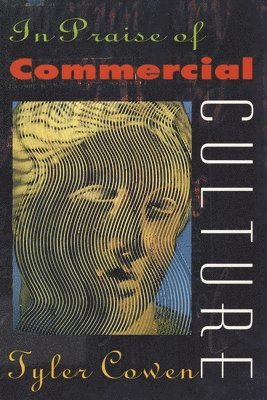
In Praise of Commercial Culture
Av Tyler Cowen
Häftad, 2000
289 kr
Lägg i varukorg
Does a market economy encourage or discourage music, literature, and the visual arts? Do economic forces of supply and demand help or harm the pursuit of creativity? This book seeks to redress the current intellectual and popular balance and to encourage a more favorable attitude toward the …
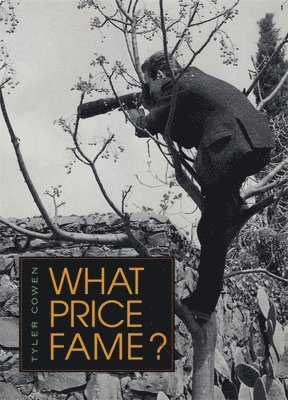
What Price Fame?
Av Tyler Cowen
Häftad, 2002
328 kr
Lägg i varukorg
In a world where more people know who Princess Di was than who their own senators are, where Graceland draws more visitors per year than the White House, and where Michael Jordan is an industry unto himself, fame and celebrity are central currencies. In this intriguing book, Tyler Cowen explores …
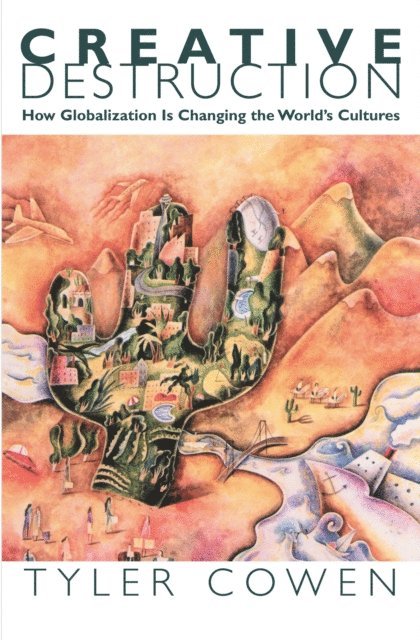
Creative Destruction
How Globalization Is Changing the World's Cultures
Av Tyler Cowen
Häftad, 2004
656 kr
Lägg i varukorg
A Frenchman rents a Hollywood movie. A Thai schoolgirl mimics Madonna. Saddam Hussein chooses Frank Sinatra's "My Way" as the theme song for his fifty-fourth birthday. It is a commonplace that globalization is subverting local culture. But is it helping as much as it hurts? In this strikingly …
Average Is Over
Powering America Beyond the Age of the Great Stagnation
Av Tyler Cowen
E-bok, 2013
115 kr
Lägg i varukorg
The groundbreaking follow-up to the New York Times bestseller The Great Stagnation The United States continues to mint more millionaires and billionaires than any country ever. Yet, since the great recession, three quarters of the jobs created here pay only marginally more than minimum wage. Why is …
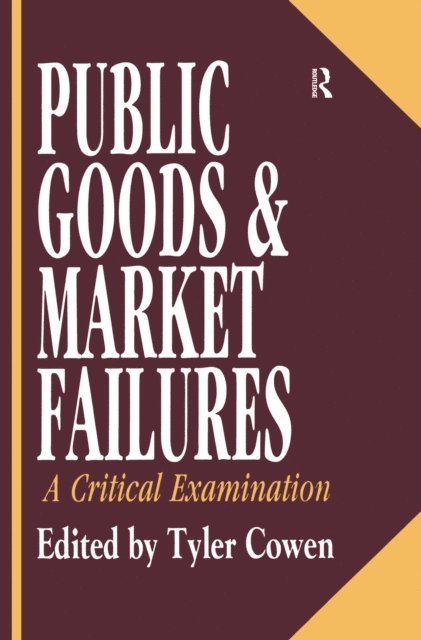
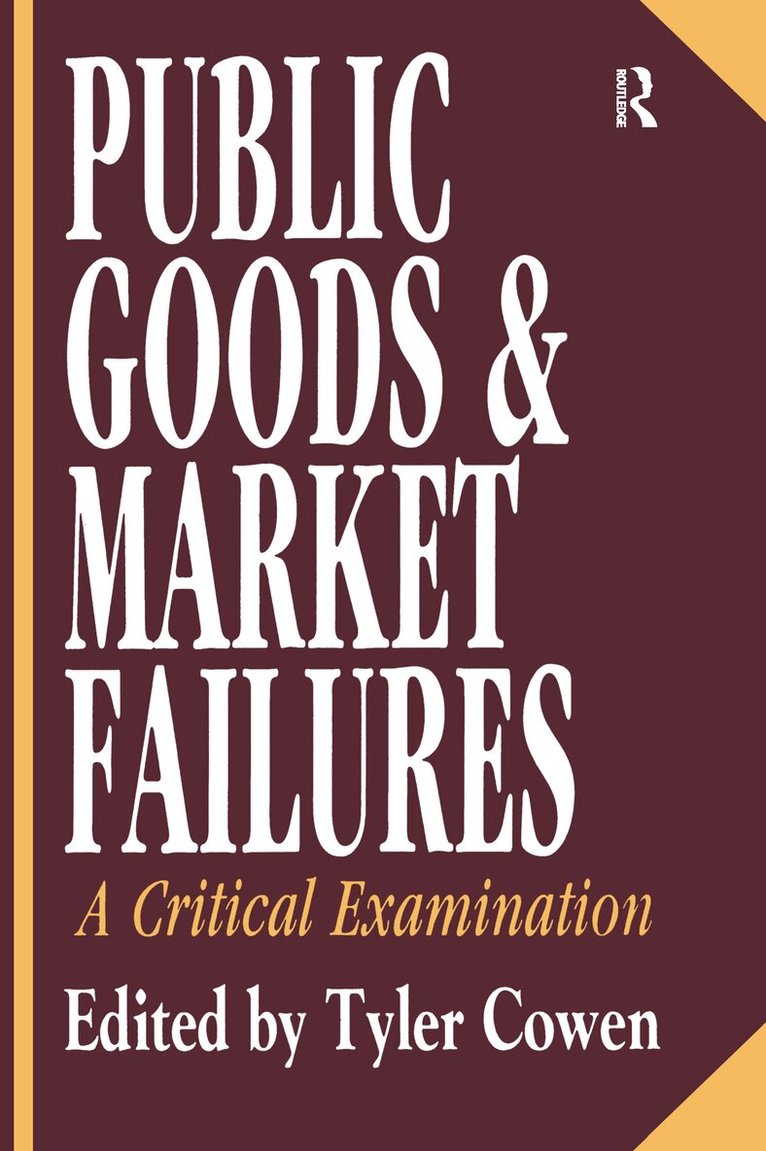
Public Goods and Market Failures
A Critical Examination
Av Tyler Cowen
E-bok, 2024
963 kr
Lägg i varukorg
Assertions of market failure are usually based on Paul Samuelson''s theory of public goods and externalities. This book both develops that theory and challenges the conclusion of many economists and policy-makers that market failures cannot be corrected by market forces. The volume includes major …
Public Goods and Market Failures
A Critical Examination
Av Tyler Cowen
E-bok, 2024
963 kr
Lägg i varukorg
Assertions of market failure are usually based on Paul Samuelson''s theory of public goods and externalities. This book both develops that theory and challenges the conclusion of many economists and policy-makers that market failures cannot be corrected by market forces. The volume includes major …
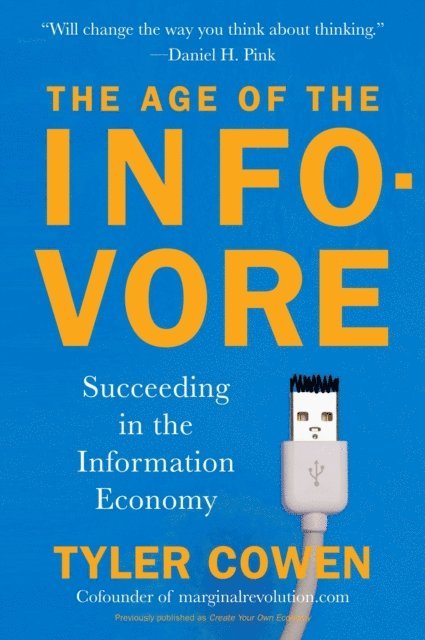
Age of the Infovore
Succeeding in the Information Economy
Av Tyler Cowen
E-bok, 2010
79 kr
Lägg i varukorg
Previously published as Create Your Own Economy "Will change the way you think about thinking."—Daniel H. Pink, author of A Whole New Mind Renowned behavioral economist and commentator Tyler Cowen shows that our supernetworked world is changing the way we think—and empowering us to thrive in any …
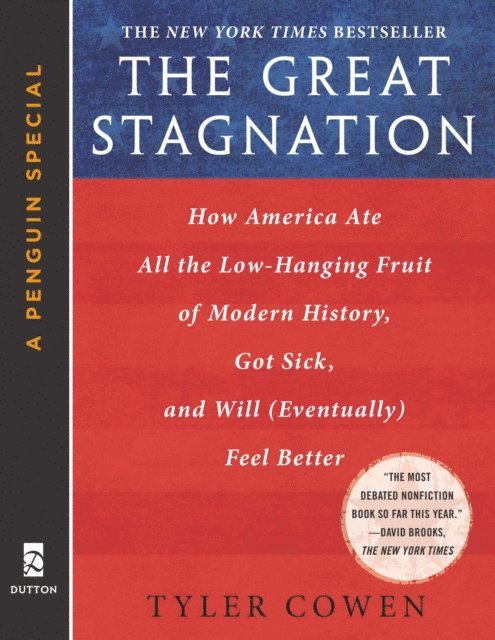
Great Stagnation
How America Ate All The Low-Hanging Fruit of Modern History, Got Sick, and Will (Eventually) Feel Better: A Penguin eSpecial from Dutton
Av Tyler Cowen
E-bok, 2011
245 kr
Lägg i varukorg
America is in disarray and our economy is failing us. We have been through the biggest financial crisis since the Great Depression, unemployment remains stubbornly high, and talk of a double-dip recession persists. Americans are not pulling the world economy out of its sluggish state -- if anything …
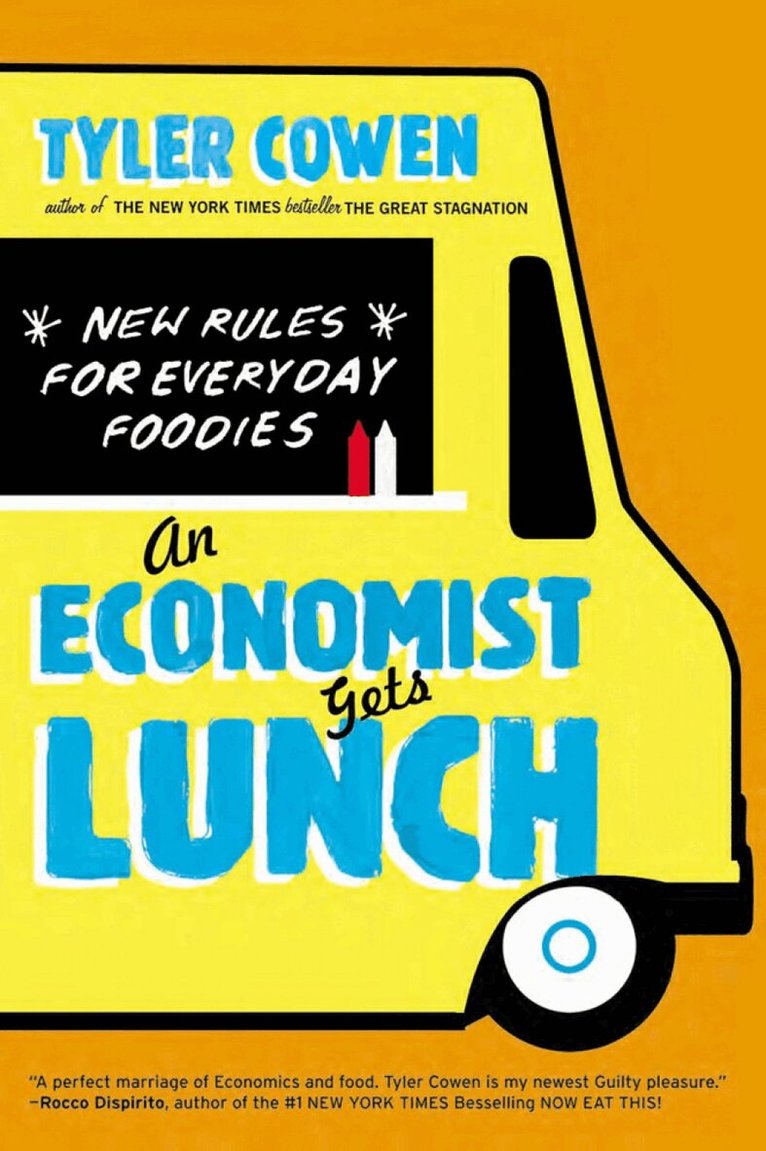
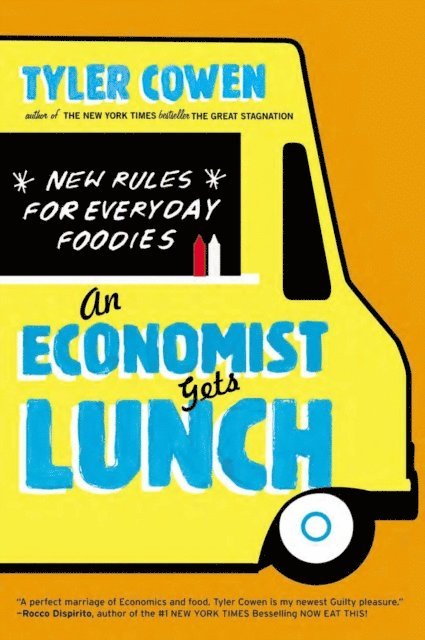
Economist Gets Lunch
New Rules for Everyday Foodies
Av Tyler Cowen
E-bok, 2012
115 kr
Lägg i varukorg
One of the most influential economists of the decade-and the New York Times bestselling author of The Great Stagnation -boldly argues that just about everything you''ve heard about food is wrong. Food snobbery is killing entrepreneurship and innovation, says economist, preeminent social …
Risk and Business Cycles
New and Old Austrian Perspectives
Av Tyler Cowen
E-bok, 1998
890 kr
Lägg i varukorg
Risk and Business Cycles examines the causes of business cycles, a perennial topic of interest within economics. The author argues the case for the revival of an important role for monetary causes in business cycle theory, which challenges the current trend towards favouring purely real theories. …
Public Goods and Market Failures
A Critical Examination
Av Tyler Cowen
Inbunden, 2020
2145 kr
Lägg i varukorg
Assertions of market failure are usually based on Paul Samuelson's theory of public goods and externalities. This book both develops that theory and challenges the conclusion of many economists and policy-makers that market failures cannot be corrected by market forces. The volume includes major …
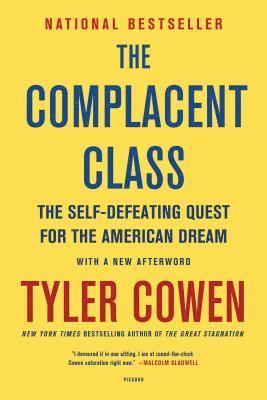
Complacent Class
The Self-Defeating Quest for the American Dream
Av Tyler Cowen
Häftad, 2018
242 kr
Lägg i varukorg
The problem, according to legendary blogger, economist and bestselling author Tyler Cowen, is that Americans today have broken from this tradition. Working harder than ever to avoid change, seeking more security and more safety. Moving homes less, making children play inside more, choosing their …
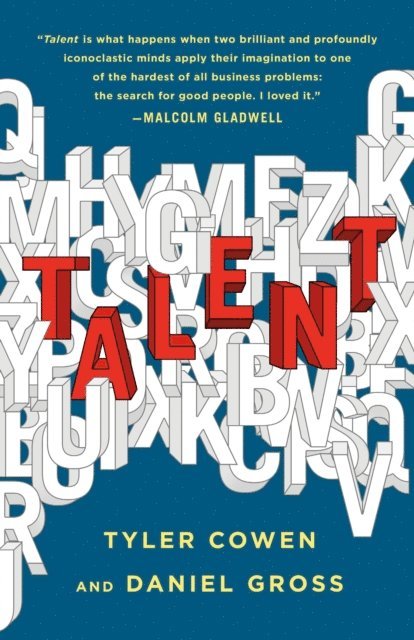
Talent
How to Identify Energizers, Creatives, and Winners Around the World
E-bok, 2022
148 kr
Lägg i varukorg
The art and science of talent search: how to spot, assess, woo, and retain highly talented people. How do you find talent with a creative spark? To what extent can you predict human creativity, or is human creativity something irreducible before our eyes, perhaps to be spotted or glimpsed by …
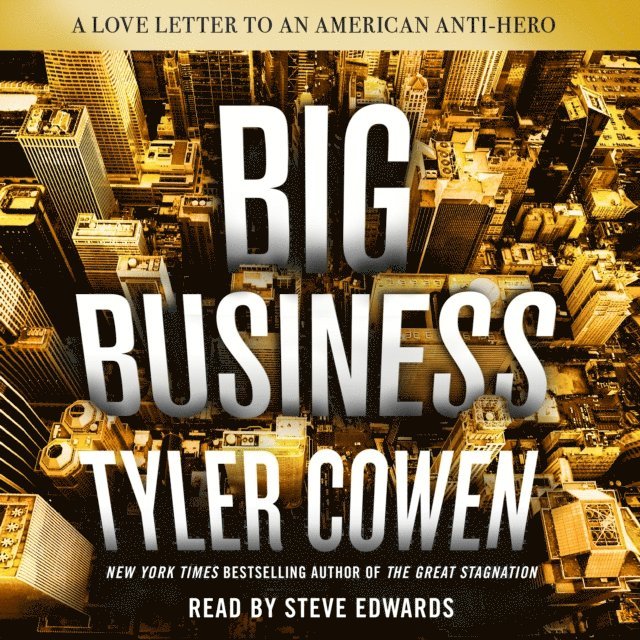
Big Business
A Love Letter to an American Anti-Hero
Av Tyler Cowen
Ljudbok, 2019
288 kr
Lägg i varukorg
An against-the-grain polemic on American capitalism from New York Times bestselling author Tyler Cowen. We love to hate the 800-pound gorilla. Walmart and Amazon destroy communities and small businesses. Facebook turns us into addicts while putting our personal data at risk. From skeptical …
Talent: How to Identify Energizers, Creatives, and Winners Around the World
Häftad, 2022
257 kr
Lägg i varukorg
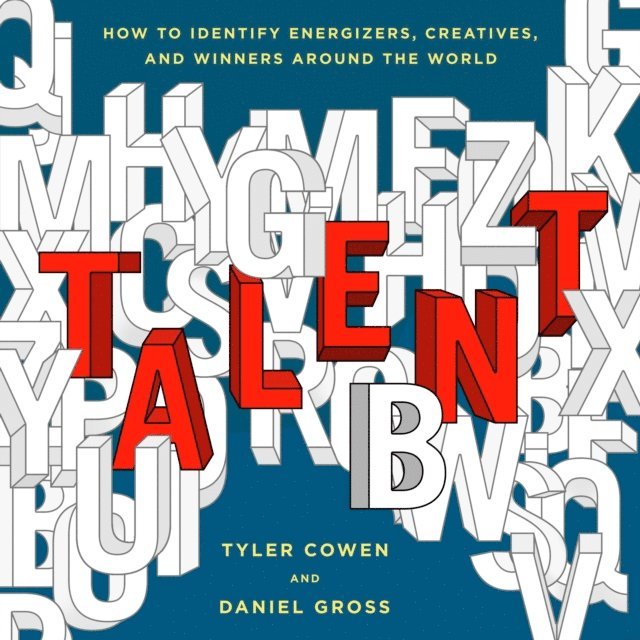
Talent
How to Identify Energizers, Creatives, and Winners Around the World
Ljudbok, 2022
397 kr
Lägg i varukorg
This audiobook includes a bonus conversation between the authors. The art and science of talent search: how to spot, assess, woo, and retain highly talented people. How do you find talent with a creative spark? To what extent can you predict human creativity, or is human creativity something …
Modern Principles of Microeconomics
Av Tyler Cowen
Häftad, 2020
1126 kr
Lägg i varukorg
Modern Principles means modern content and modern delivery and Tyler Cowen and Alex Tabarrok deliver with a knack for revealing the 'invisible hand' of economics at work and a unique combination of vivid writing, up-to-date relevant examples and unparalleled online resources, perfect for your …
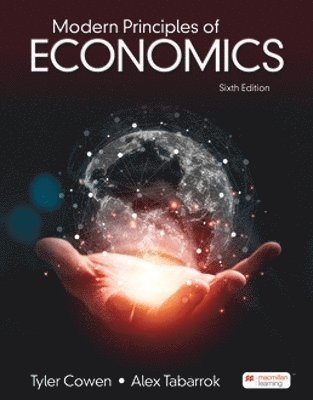
Modern Principles of Economics
Häftad, 2024
1003 kr
Lägg i varukorg
In line with its title, Modern Principles , Cowen and Tabarroks book remains a top seller by incorporating up-to-date theories, data, and discussion and illustrating them with contemporary examples that reflect recent economic and theoretical advancements. This approach, delivered in Macmillan’s …
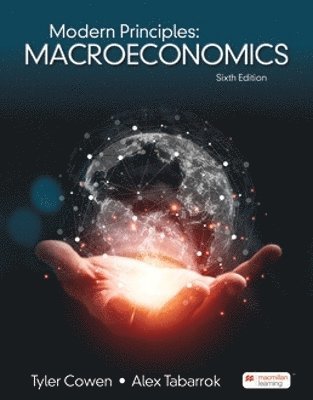
Modern Principles of Macroeconomics
Häftad, 2024
1043 kr
Lägg i varukorg
In line with its title, Modern Principles , Cowen and Tabarroks book remains a top seller by incorporating up-to-date theories, data, and discussion and illustrating them with contemporary examples that reflect recent economic and theoretical advancements. This approach, delivered in Macmillan’s …
Creative Destruction
How Globalization Is Changing the World''s Cultures
Av Tyler Cowen
E-bok, 2009
514 kr
Lägg i varukorg
A Frenchman rents a Hollywood movie. A Thai schoolgirl mimics Madonna. Saddam Hussein chooses Frank Sinatra''s "My Way" as the theme song for his fifty-fourth birthday. It is a commonplace that globalization is subverting local culture. But is it helping as much as it hurts? In this strikingly …