Ulrich Platt - Böcker
Visar alla böcker från författaren Ulrich Platt. Handla med fri frakt och snabb leverans.
12 produkter
12 produkter
2 100 kr
Skickas inom 10-15 vardagar
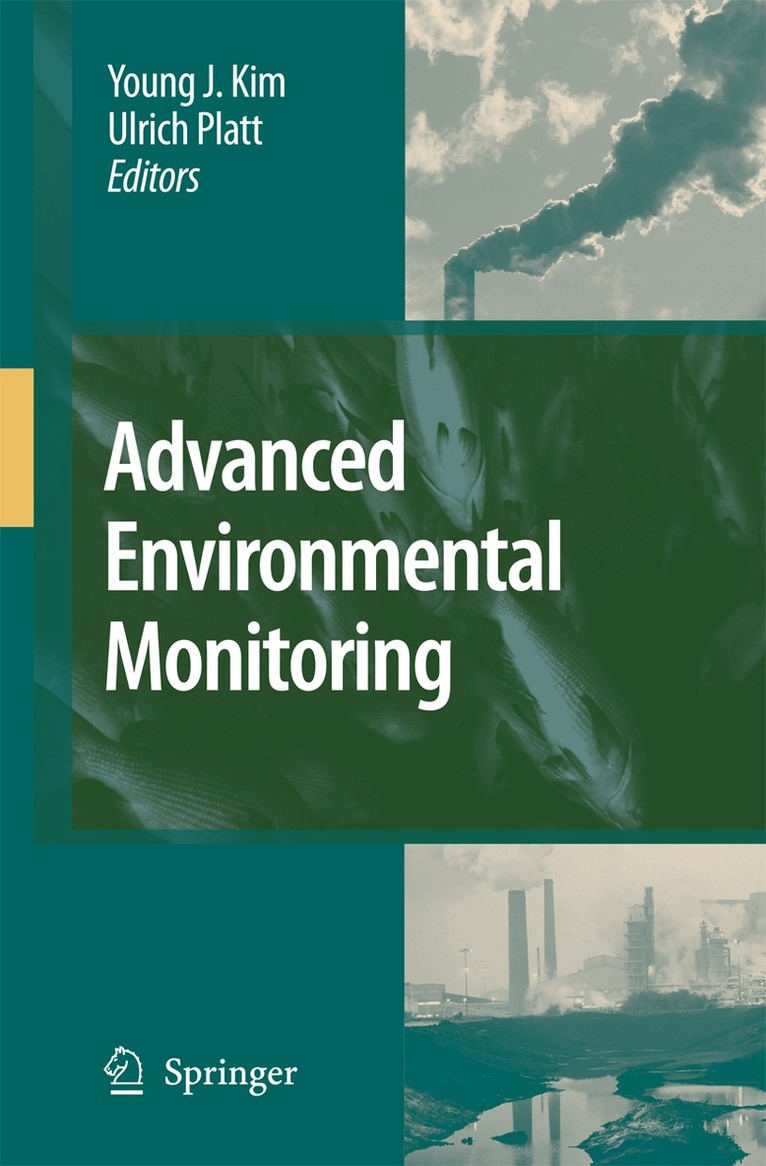
We are facing increasing environmental concerns associated with water, air, and soil pollution as well as climate change induced by human activities. Therefore accurate assessment of the state of the environment is a prerequisite for undertaking any course of action towards improvement. In particular, development of new environmental monitoring technologies for the detection of hazardous pollutants and environmental change has become increasingly important to scientists and to regulatory agencies. In recent years there has been much progress in the field of environmental monit- ing research, resulting in the development of more accurate, fast, compound-specific, convenient, and cost-effective techniques by integrating emerging technologies from various disciplines. th This book is a result of the 6 International Symposium on Advanced Environmental Monitoring, organized by ADvanced Environmental Monitoring Center (ADEMRC), Gwangju Institute of Science and Technology (GIST), Korea and held in Heidelberg, Germany on June, 27–30, 2006. It presents recent advances in the research and development of forthcoming technologies, as well as in field applications in advanced environmental monitoring. It is our hope that the papers presented in this book will provide a glimpse of how cutting-edge technologies involving monitoring of poll- ants, determination of environmental status, and the detection and quantification of toxicity are being developed and applied in the field. We give many thanks to all authors for their participation and contributions and to the reviewers for their goodwill in providing a rapid turnover of the manuscripts and the critical comments necessary for ensuring the quality of this publication.
1 577 kr
Skickas inom 10-15 vardagar
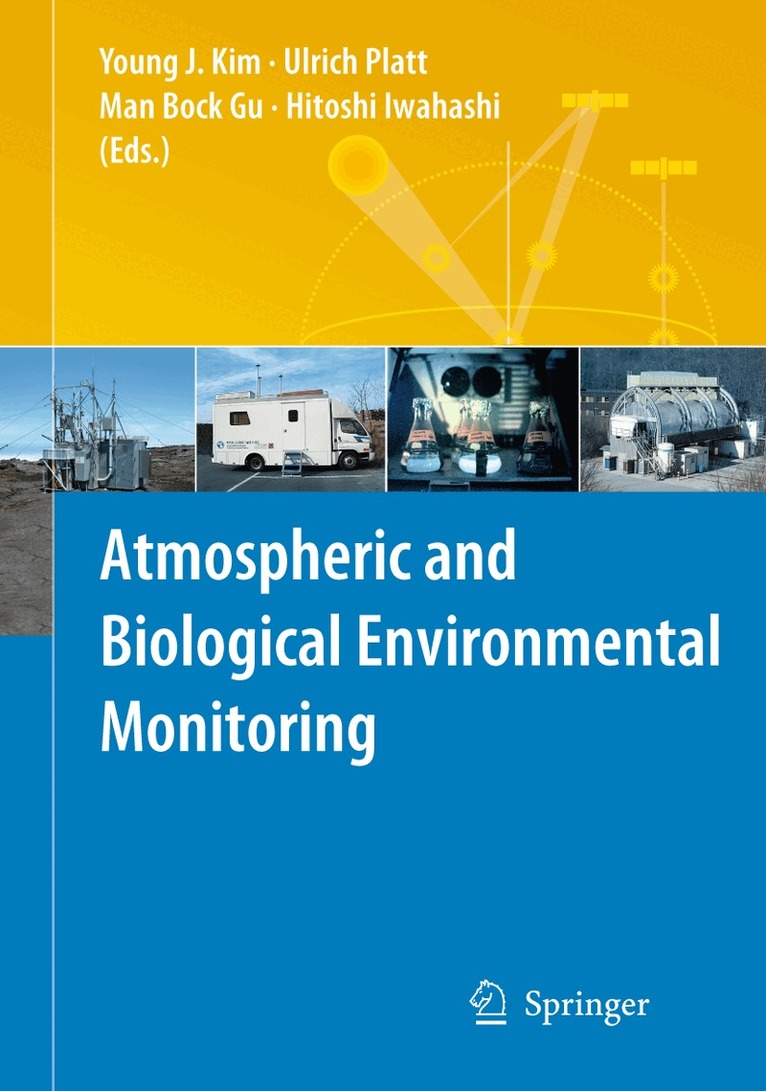
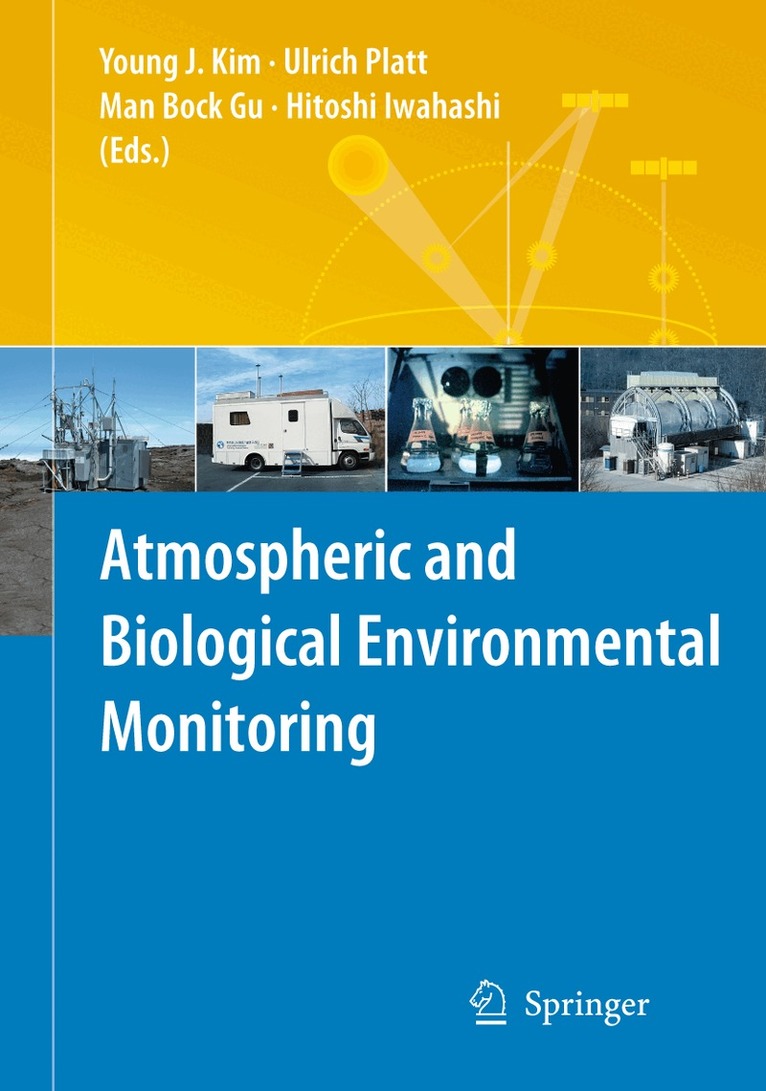
The extent of harmful effects of pollution on atmospheric, terrestrial and aquatic environments can be translated into extreme temperature changes, dirty air, clean water shortages, and increased incidence of toxicity that harms every life on earth. Within a lifetime, our environment is changing drastically. Much of the information of environmental pollution impacts needs to be studied, from the mechanism of toxic nanoparticles on the molecular level to the detection of trace gases on the satellite perspective. It is therefore essential to develop advanced monitoring techniques, e- cient process technologies and health impact assessment tools to ?ll the gaps in our scienti?c knowledge. This edition of “Atmospheric and Biological Environmental Monitoring” is a handful of recent developments and techniques from environmental scientists in well-diversi?ed ?elds. These collections of manuscripts are extracts from the recently concluded “7th International Symposium on Advanced Environmental Monitoring” organized by the ADvanced Environmental Monitoring and Research Center (ADEMRC), Gwangju Institute of Science and Technology (GIST), Korea and held on February 25–28, 2008 in Honolulu, Hawaii. The three parts highlight important aspects of emerging environmental monitoring technologies: Atmospheric Environment, Contaminants Control Process, and Environmental Toxicity Asse- ment. Observational tools presented in the ?rst part ranges from in-situ measurements to satellite remote sensing for atmospheric monitoring. Highlighted in the second part is the recently developed water quality monitoring system for lake strati?cation and membrane technologies for detection and removal of contaminants. Lastly, toxicity monitoring of endocrine disruptors andnanoparticles are highlighted in the third part with new discoveries.
2 803 kr
Skickas inom 5-8 vardagar
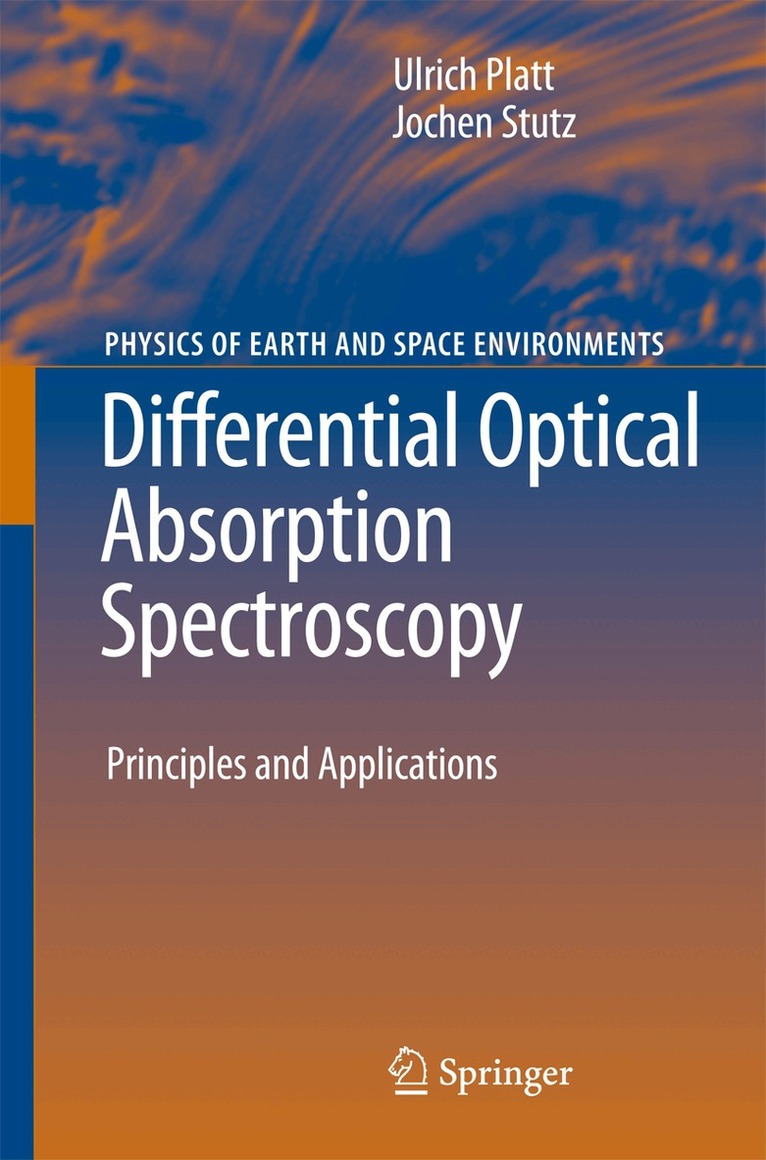
Measurement techniques form the basis of our knowledge about atmospheric composition and chemistry. Presently, important questions of atmospheric chemistry center on urban pollution, free-radical chemistry, degradation of greenhouse gases and the budgets of tropospheric and stratospheric ozone.Among the many different optical spectroscopic methods that are in use, DOAS has emerged as a universal technique to measure the concentrations of atmospheric trace gases by making use of the characteristic absorption features of gas molecules along a path of known length in the open atmosphere. This book reviews the basics of atmospheric chemistry, radiation transport, and optical spectroscopy before detailing the principles underlying DOAS. The second part of the book describes the design and application of DOAS instruments as well as the evaluation and interpretation of spectra. The recent expansion of DOAS application to the imaging of trace gas distributions by ground, aircraft, and satellite-based instruments is also covered.Written for graduate students and researchers with a general background in environmental physics this book especially addresses the needs of those working in the field of atmospheric chemistry, pollution monitoring, and volcanology.
852 kr
Skickas inom 10-15 vardagar
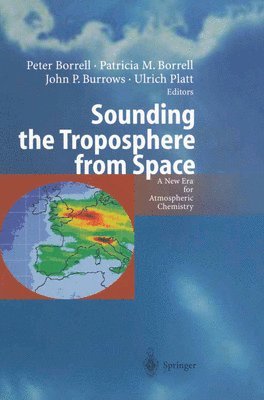
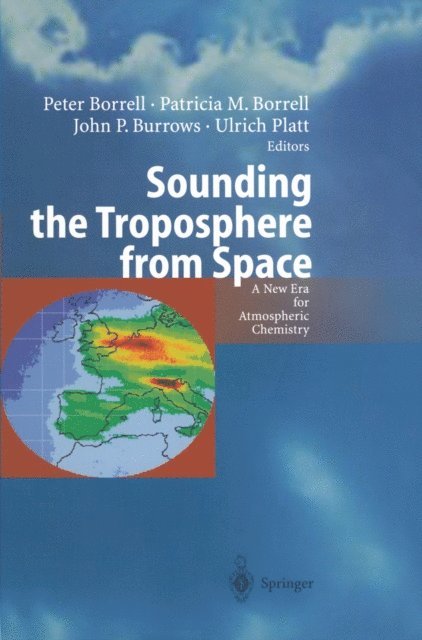
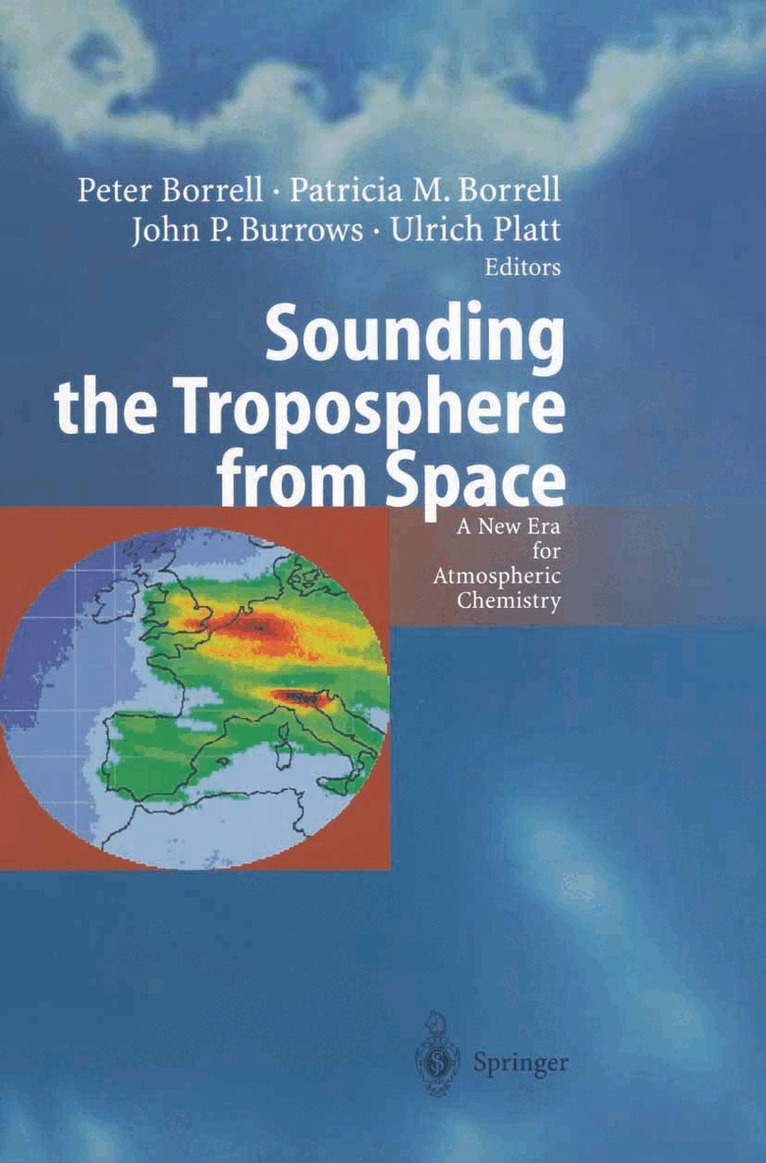
It is now possible to determine concentrations of trace constituents and pollutants in the lower atmosphere from space, a development which heralds a new era for tropospheric chemistry. The authors describe how to develop and validate methods for determining tropospheric trace constituents from satellite data, to encourage the use of these data by atmospheric chemists, and to explore the undoubted synergism which will develop between satellite and ground-based measurements, and will eventually give rise to a permanent observation system for the troposphere. The book comprises several comprehensive overviews, prepared by acknowledged experts in the field, together with a series of individual reports from investigators whose work represents the cutting edge of the subject. A variety of results, giving global distributions of several species and their modelling are reported. Most results stem from ESA satellite data, but there is also an account of the North American work in this field which has mainly concentrated on global distributions of ozone. It is fair to say that the field, as it develops, will revolutionize the way in which atmospheric chemistry is done.This timely book provides a good introduction for anyone with an interest in the future of the troposphere.
2 338 kr
Skickas inom 5-8 vardagar
Light is the essential source of information about the surrounding world for most of us. We see objects of di?erent brightness and colours, or, in scienti?c terms, we distinguish objects by the way they re?ect light of di?erent wa- lengths with varying e?ciency. It was exciting for both of us to learn that scienti?c instruments can expand our senses and provide information from this very same radiation that goes far beyond the simple recognition of - jects. Theabilityto“see”thecompositionoftheairsurroundingusandabove our heads, to us and others, one of the most fascinating aspects of the app- cation of modern technology to study the atmosphere. This fascination drove many of the applications of the Di?erential Optical Absorption Spectroscopy (DOAS) method presented in this book, and continues to be the motivation for many current developments. DOAS is an elegant and powerful analytical method to study the at- sphere and is based on the relatively simple principles of classical absorption spectroscopy. It has therefore always been quite surprising to us that this method has not found wider use in atmospheric research and air-quality m- itoring. We have introduced many university students and researchers to DOAS, often wishing that we could improve our e?orts with a comprehensive text that describes both the theoretical basis and the practical applications of the method.
1 577 kr
Skickas inom 10-15 vardagar
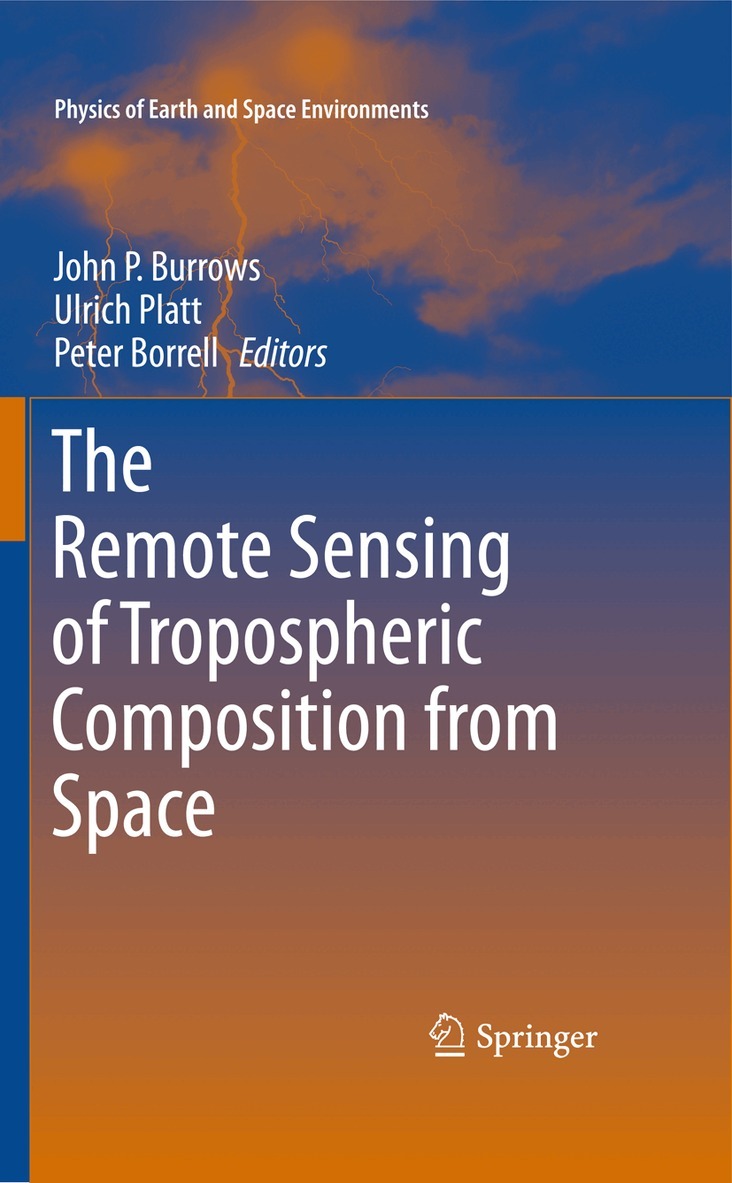
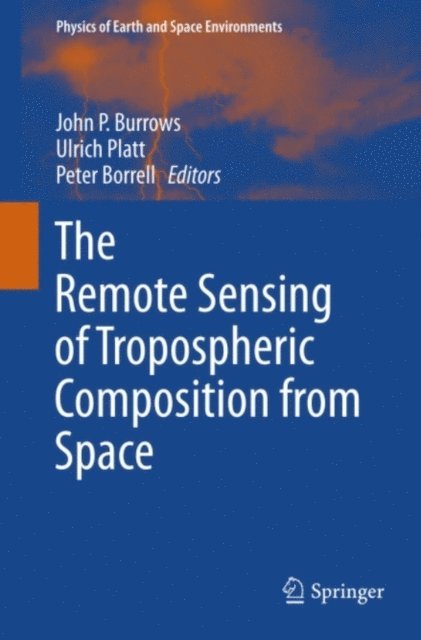
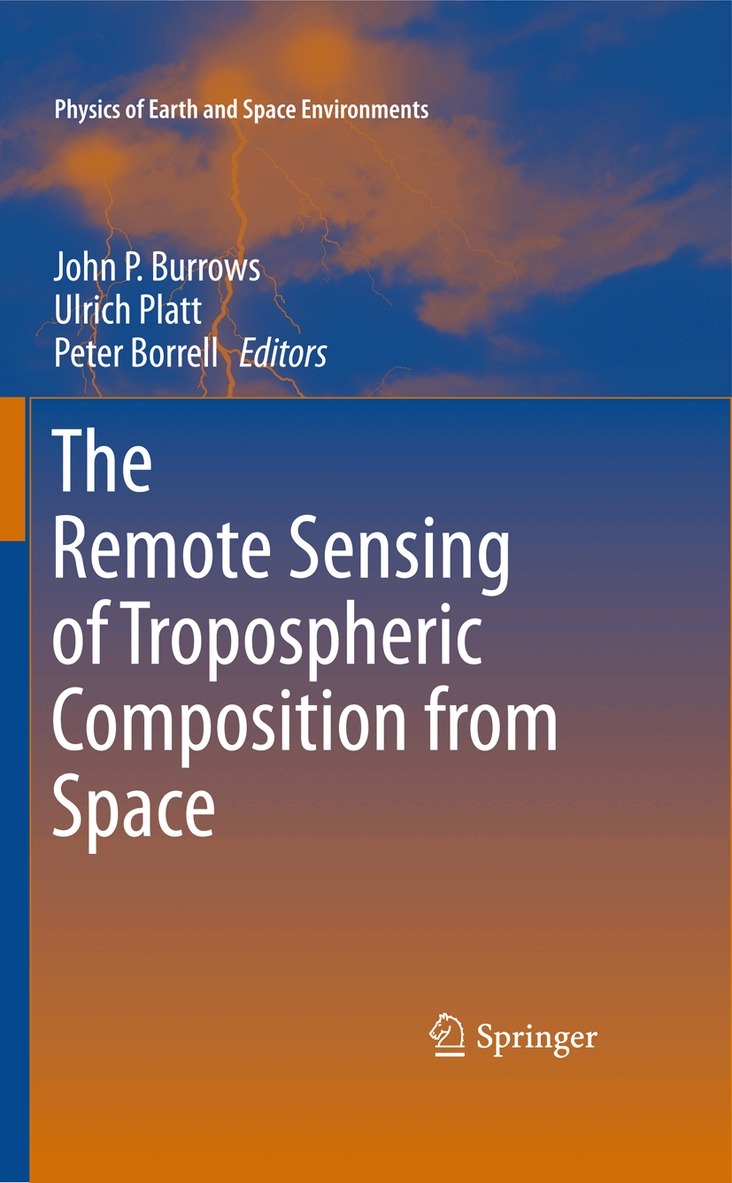
The impact of anthropogenic activities on our atmospheric environment is of growing public concern and satellite-based techniques now provide an essential component of observational strategies on regional and global scales. The purpose of this book is to summarise the state of the art in the field in general, while describing both key techniques and findings in particular. It opens with an historical perspective of the field together with the basic principles of remote sensing from space. Three chapters follow on the techniques and on the solutions to the problems associated with the various spectral regions in which observations are made. The particular challenges posed by aerosols and clouds are covered in the next two chapters. Of special importance is the accuracy and reliability of remote sensing data and these issues are covered in a chapter on validation. The final section of the book is concerned with the exploitation of data, with chapters on observational aspects, which includes both individual and synergistic studies, and on the comparison of global and regional observations with chemical transport and climate models and the added value that the interaction brings to both. The book concludes with scientific needs and likely future developments in the field, and the necessary actions to be taken if we are to have the global observation system that the Earth needs in its present, deteriorating state.The appendices provide a comprehensive list of satellite instruments, global representations of some ancillary data such as fire counts and light pollution, a list of abbreviations and acronyms, and a set of colourful timelines indicating the satellite coverage of tropospheric composition in the foreseeable future. Altogether, this book will be a timely reference and overview for anyone working at the interface of environmental, atmospheric and space sciences.
1 577 kr
Skickas inom 10-15 vardagar
The impact of anthropogenic activities on our atmospheric environment is of growing public concern and satellite-based techniques now provide an essential component of observational strategies on regional and global scales. The purpose of this book is to summarise the state of the art in the field in general, while describing both key techniques and findings in particular. It opens with an historical perspective of the field together with the basic principles of remote sensing from space. Three chapters follow on the techniques and on the solutions to the problems associated with the various spectral regions in which observations are made. The particular challenges posed by aerosols and clouds are covered in the next two chapters. Of special importance is the accuracy and reliability of remote sensing data and these issues are covered in a chapter on validation. The final section of the book is concerned with the exploitation of data, with chapters on observational aspects, which includes both individual and synergistic studies, and on the comparison of global and regional observations with chemical transport and climate models and the added value that the interaction brings to both. The book concludes with scientific needs and likely future developments in the field, and the necessary actions to be taken if we are to have the global observation system that the Earth needs in its present, deteriorating state.The appendices provide a comprehensive list of satellite instruments, global representations of some ancillary data such as fire counts and light pollution, a list of abbreviations and acronyms, and a set of colourful timelines indicating the satellite coverage of tropospheric composition in the foreseeable future. Altogether, this book will be a timely reference and overview for anyone working at the interface of environmental, atmospheric and space sciences.
535 kr
Skickas inom 10-15 vardagar
It is now possible to determine concentrations of trace constituents and pollutants in the lower atmosphere from space, a development which heralds a new era for tropospheric chemistry. The authors describe how to develop and validate methods for determining tropospheric trace constituents from satellite data, to encourage the use of these data by atmospheric chemists, and to explore the undoubted synergism which will develop between satellite and ground-based measurements, and will eventually give rise to a permanent observation system for the troposphere. The book comprises several comprehensive overviews, prepared by acknowledged experts in the field, together with a series of individual reports from investigators whose work represents the cutting edge of the subject. A variety of results, giving global distributions of several species and their modelling are reported. Most results stem from ESA satellite data, but there is also an account of the North American work in this field which has mainly concentrated on global distributions of ozone. It is fair to say that the field, as it develops, will revolutionize the way in which atmospheric chemistry is done. This timely book provides a good introduction for anyone with an interest in the future of the troposphere.
2 100 kr
Skickas inom 10-15 vardagar
This second edition of Differential Optical Absorption Spectroscopy (DOAS) has been meticulously updated to enhance its clarity and relevance. Responding to the growing popularity of DOAS techniques, this edition expands the sections on atmospheric radiative transfer, covering new and crucial topics such as the ring effect and profile inversion techniques. Additionally, the book presents a comprehensive array of DOAS applications and techniques, ranging from research applications using imaging and satellite DOAS to emission monitoring from volcanoes and industrial facilities by LED long-path DOAS, as well as mobile MAX-DOAS and Cavity-Enhanced DOAS. The discussion of DOAS retrieval algorithms has significantly broadened to incorporate the latest developments, particularly pertinent to the satellite community.The first part of the book provides a thorough review of atmospheric chemistry, radiation transport, and optical spectroscopy fundamentals, serving as a crucial foundation for a detailed exploration of the principles underpinning DOAS. The subsequent part delves into the design, application, and assessment of DOAS instruments, accompanied by a comprehensive guide to result interpretation. The book also embraces the application of DOAS in imaging trace gas distributions through ground, aircraft, and satellite-based instruments.Structured with the needs of graduate students and researchers with a foundational background in environmental physics in mind, this book serves as an invaluable resource. It particularly caters to researchers engaged in atmospheric chemistry, pollution monitoring, and volcanology.
2 828 kr
Kommande
2 100 kr
Skickas inom 10-15 vardagar
We are facing increasing environmental concerns associated with water, air, and soil pollution as well as climate change induced by human activities. Therefore accurate assessment of the state of the environment is a prerequisite for undertaking any course of action towards improvement. In particular, development of new environmental monitoring technologies for the detection of hazardous pollutants and environmental change has become increasingly important to scientists and to regulatory agencies. In recent years there has been much progress in the field of environmental monit- ing research, resulting in the development of more accurate, fast, compound-specific, convenient, and cost-effective techniques by integrating emerging technologies from various disciplines. th This book is a result of the 6 International Symposium on Advanced Environmental Monitoring, organized by ADvanced Environmental Monitoring Center (ADEMRC), Gwangju Institute of Science and Technology (GIST), Korea and held in Heidelberg, Germany on June, 27–30, 2006. It presents recent advances in the research and development of forthcoming technologies, as well as in field applications in advanced environmental monitoring. It is our hope that the papers presented in this book will provide a glimpse of how cutting-edge technologies involving monitoring of poll- ants, determination of environmental status, and the detection and quantification of toxicity are being developed and applied in the field. We give many thanks to all authors for their participation and contributions and to the reviewers for their goodwill in providing a rapid turnover of the manuscripts and the critical comments necessary for ensuring the quality of this publication.
1 577 kr
Skickas inom 10-15 vardagar
The extent of harmful effects of pollution on atmospheric, terrestrial and aquatic environments can be translated into extreme temperature changes, dirty air, clean water shortages, and increased incidence of toxicity that harms every life on earth. Within a lifetime, our environment is changing drastically. Much of the information of environmental pollution impacts needs to be studied, from the mechanism of toxic nanoparticles on the molecular level to the detection of trace gases on the satellite perspective. It is therefore essential to develop advanced monitoring techniques, e- cient process technologies and health impact assessment tools to ?ll the gaps in our scienti?c knowledge. This edition of “Atmospheric and Biological Environmental Monitoring” is a handful of recent developments and techniques from environmental scientists in well-diversi?ed ?elds. These collections of manuscripts are extracts from the recently concluded “7th International Symposium on Advanced Environmental Monitoring” organized by the ADvanced Environmental Monitoring and Research Center (ADEMRC), Gwangju Institute of Science and Technology (GIST), Korea and held on February 25–28, 2008 in Honolulu, Hawaii. The three parts highlight important aspects of emerging environmental monitoring technologies: Atmospheric Environment, Contaminants Control Process, and Environmental Toxicity Asse- ment. Observational tools presented in the ?rst part ranges from in-situ measurements to satellite remote sensing for atmospheric monitoring. Highlighted in the second part is the recently developed water quality monitoring system for lake strati?cation and membrane technologies for detection and removal of contaminants. Lastly, toxicity monitoring of endocrine disruptors andnanoparticles are highlighted in the third part with new discoveries.