2 676 kr
Läs direkt efter köp
2 676 kr
Läs direkt efter köp
2 115 kr
Skickas inom 10-15 vardagar
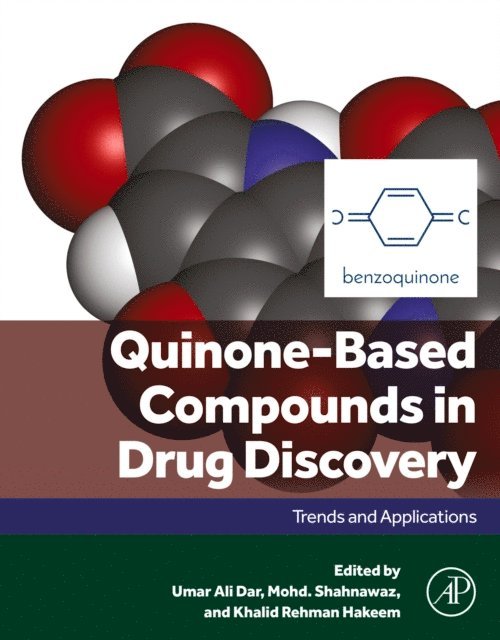
Quinone-Based Compounds in Drug Discovery: Trends and Applications provides a comprehensive and up-to-date overview of the latest advances in the field of drug discovery using quinone-based materials. The book covers various aspects of quinone-based materials such as their synthesis, characterization, and applications in drug discovery, consolidating current research. It introduces quinones in the pharmacology context and then describes current developments in drugs for key diseases and conditions. Final chapters deal with the regulatory and commercial framework to take quinone-based drugs to the market.This book will benefit a wide range of readers, including researchers, scientists, and graduate students in the field of drug discovery. Chemists and biochemists will also benefit from the contents of this book.
Covers various aspects of quinone-based materials, including their synthesis, characterization, and applications in drug discoveryIncludes specific chapters on antibiotic, neuroprotective, anticancer, antioxidant, and cardio protection through the action of quinonesIncorporates information on the regulatory, intellectual property, commercialization, and clinical development of quinone-based drugs2 817 kr
Skickas inom 5-8 vardagar
3 322 kr
Läs direkt efter köp
3 348 kr
Läs direkt efter köp
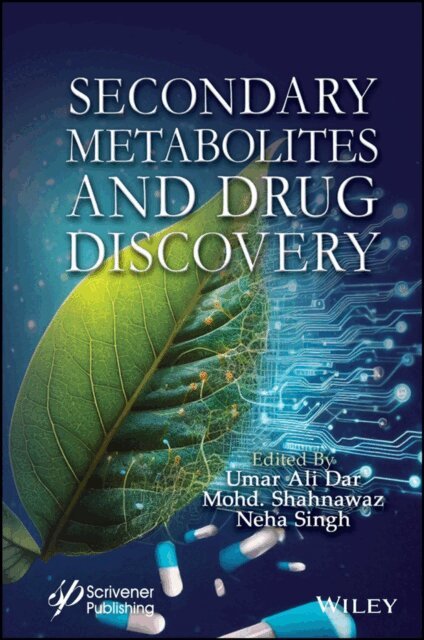
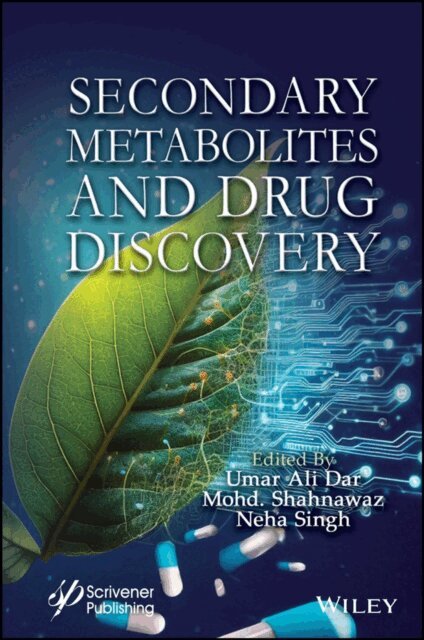
This book explores the promising potential of plant and microbe-derived compounds in drug discovery, offering insights into safer alternatives to synthetic drugs and highlighting the vital role of natural products in treating diseases with fewer side effects.
Plants and microbes are a promising source for natural products with the potential to play a major role in drug discovery. Due to advances in the fields of science, technology, engineering, and medicine, the commercial pharmaceutical industry is growing across the globe. Currently, allopathy uses synthetic pharmaceutical drugs for the treatment of diseases, but this practice also exposes patients to significant side effects. Since ancient times, other systems of medicine have been developed that utilize plant-based extracts and molecules to treat various diseases with fewer side effects. While changes in lifestyle, including diet, have had a significant impact on the increased risks of various diseases, there is substantial scientific evidence, both epidemiological and experimental, that vegetables and fruits are key features of diets associated with lower risks of diseases such as cancers and infections. These efforts to identify and create medications from plants are leading to increased manufacturing for larger clinical trials. The continuing scientific research of medicinal plants will undoubtedly provide a wealth of novel, structurally varied, bioactive chemicals. This edited volume provides an overview of various medical systems, with a special focus on microbial and plant-based drug molecules for treating communicable and non-communicable diseases, making it an invaluable resource for researchers, scientists, and practitioners interested in the potential of plant- and microbe-derived secondary metabolites in the ongoing search for innovative, effective, and safer medicines.
Readers will find this book:
Provides an overview of different types of sources and drug molecules used in allopathic, homeopathic, ayurvedic, Chinese, and Unani systems of medicine; Highlights past and current methods of alternative, complementary, folklore, and integrative medicines; Discusses the benefits and side effects of the drug molecules used in different systems of medicine at the global level; Explores microbial and plant-based drug molecules for treating various communicable and non-communicable diseases.Audience
Researchers, academics, industry, and governmental experts working in the fields of natural science, natural products, synthetic chemistry, pharmacology, and medicinal chemistry.
2 694 kr
Skickas inom 5-8 vardagar
3 284 kr
Läs direkt efter köp
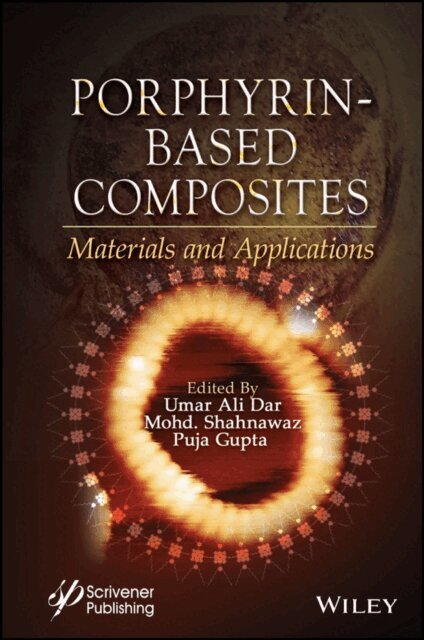
Discover the transformative potential of porphyrin-based composites in Porphyrin-Based Composites where readers will learn how these innovative materials enhance industrial sectors by combining multiple porphyrin components to create durable, sensitive, and efficient technologies that outperform traditional materials.
This book highlights the benefits of adopting porphyrin composites and discusses how they are used in different industrial sectors. Combining multiple porphyrin components is used to create materials with properties that are not possible with individual components, remove restrictions of water-insolubility, and ultimately lead to the development of durable and more sensitive technological materials. Composite materials have been essential to human life for thousands of years, beginning with the construction of houses by the first civilizations and advancing to modern technologies. Originating in the mid-twentieth century, composite materials show promise as a class of engineering materials that offer new opportunities for contemporary technology and have been beneficially incorporated into practically every sector due to their ability to choose elements, tune them to achieve the desired qualities, and efficiently use those features through design. Additionally, composite materials offer greater strength- and modulus-to-weight ratios than standard engineering materials. Materials based on porphyrin composites are used in a wide range of applications, including sensors, molecular probes, electrical gadgets, electronic devices, construction materials, catalysis, medicine, and environmental and energy applications.
Readers will find the book:
Provides an overview of several porphyrin composites as model materials for commercial settings; Discusses fundamental, experimental, and theoretical research on structural and physicochemical properties of porphyrin composites; Demonstrates how complementary and alternative material designs that use porphyrin composites have evolved; Emphasizes important uses for cutting-edge, multipurpose materials that might contribute to a more sustainable society; Opens new possibilities by examining the role of developing unique hybrid, composite, and higher-order hierarchical materials that may be utilized to make valuable chemicals.Audience
Researchers, academicians, chemists, industry experts, and students working in the fields of materials and environmental sciences, engineering, textiles, biology, and medicine.
3 284 kr
Läs direkt efter köp
Discover the transformative potential of porphyrin-based composites in Porphyrin-Based Composites where readers will learn how these innovative materials enhance industrial sectors by combining multiple porphyrin components to create durable, sensitive, and efficient technologies that outperform traditional materials.
This book highlights the benefits of adopting porphyrin composites and discusses how they are used in different industrial sectors. Combining multiple porphyrin components is used to create materials with properties that are not possible with individual components, remove restrictions of water-insolubility, and ultimately lead to the development of durable and more sensitive technological materials. Composite materials have been essential to human life for thousands of years, beginning with the construction of houses by the first civilizations and advancing to modern technologies. Originating in the mid-twentieth century, composite materials show promise as a class of engineering materials that offer new opportunities for contemporary technology and have been beneficially incorporated into practically every sector due to their ability to choose elements, tune them to achieve the desired qualities, and efficiently use those features through design. Additionally, composite materials offer greater strength- and modulus-to-weight ratios than standard engineering materials. Materials based on porphyrin composites are used in a wide range of applications, including sensors, molecular probes, electrical gadgets, electronic devices, construction materials, catalysis, medicine, and environmental and energy applications.
Readers will find the book:
Provides an overview of several porphyrin composites as model materials for commercial settings; Discusses fundamental, experimental, and theoretical research on structural and physicochemical properties of porphyrin composites; Demonstrates how complementary and alternative material designs that use porphyrin composites have evolved; Emphasizes important uses for cutting-edge, multipurpose materials that might contribute to a more sustainable society; Opens new possibilities by examining the role of developing unique hybrid, composite, and higher-order hierarchical materials that may be utilized to make valuable chemicals.Audience
Researchers, academicians, chemists, industry experts, and students working in the fields of materials and environmental sciences, engineering, textiles, biology, and medicine.
2 392 kr
Kommande